Intelligent AI Learning System for CS
Description
The "Intelligent AI Learning System for CS" aims to transform online learning by combining AI technology with educational resources. It offers personalized tutoring, creating tailored study schedules based on users' preferences and availability. The system identifies weak areas through quizzes and adapts the learning experience accordingly. Users access courses, receive reminders for lectures, and engage in interactive sessions with quizzes. The goal is to improve the efficiency and engagement of online education.
Objectives
Enhancing Online Learning through AI Integration
Socio-economic benefit
Enhanced Access to Education: By offering a user-friendly registration and login process, the system ensures that individuals can easily join the platform and access educational resources. This lowers barriers to entry for learners, including those in remote or underprivileged areas, thereby promoting inclusivity in education. Personalized Learning Opportunities: Through the selection of courses, topics, and skill practices, users can tailor their learning experience to suit their interests and career aspirations. This personalized approach fosters a deeper engagement with the material, potentially leading to higher retention rates and skill acquisition. Optimized Time Management: The system's ability to generate personalized study schedules based on user availability and national holidays helps learners efficiently manage their time. This feature is particularly beneficial for working professionals or individuals with busy schedules, allowing them to balance their educational pursuits with other commitments. Targeted Skill Development: By identifying weaknesses and areas needing improvement through prerequisite course questions, the system facilitates targeted skill development. Addressing these areas not only enhances individual learning outcomes but also contributes to the overall skill development of the workforce, thereby bolstering economic productivity. Continuous Learning and Skill Enhancement: The provision of lecture notes, quiz reports, and profile settings empowers users to engage in continuous learning and skill enhancement. This lifelong learning approach not only benefits individual users but also contributes to a more skilled and adaptable workforce, driving innovation and economic growth. Efficient Learning Management: The automated email notifications and intuitive dashboard interface streamline the learning management process for both users and administrators. This efficiency translates into time and cost savings, making education more accessible and sustainable in the long run.
Methodologies
Requirements Gathering: Begin by comprehensively gathering requirements through user interviews, stakeholder consultations, and analysis of existing online learning platforms. Identify key user needs, preferences, and pain points to inform the development process effectively. Documentation and Knowledge Sharing: Create comprehensive documentation throughout the project lifecycle, including technical specifications, user manuals, and developer guides. Facilitate knowledge sharing to empower stakeholders and support future maintenance and expansion efforts. System Design: Establish system architecture and design after requirements gathering. Define the database structure, user interface design, and overall system functionality with special attention to scalability, security, and usability. Technology Selection: Select appropriate technologies and frameworks based on requirements and design specifications, prioritizing those that align with project objectives and facilitate seamless integration. Development Iterations: Conduct development in iterative cycles, focusing on implementing specific features or functionalities. Utilize Agile methodologies like Scrum or Kanban to facilitate collaboration, flexibility, and adaptability. User Testing and Feedback: Conduct regular user testing sessions to gather feedback on usability, functionality, and performance. Use feedback to iterate and refine the system, ensuring it meets the needs and expectations of end users. AI Integration and Optimization: Integrate AI components like personalized scheduling algorithms and focus monitoring systems. Train and optimize AI models using relevant data for accurate and efficient performance. Quality Assurance and Testing: Implement rigorous quality assurance and testing procedures to identify and address bugs, errors, or vulnerabilities. This includes unit testing, integration testing, and user acceptance testing across different scenarios and use cases. Deployment: Deploy the system to production environments after development and testing, ensuring a smooth transition with minimal downtime. Monitoring and Maintenance: Continuously monitor system performance, security, and usability post-deployment. Conduct maintenance activities such as software updates, bug fixes, and feature enhancements as needed to ensure long-term reliability and success.
Outcome
The project aims to deliver an intelligent AI learning system for computer science education, revolutionizing the online learning experience. By seamlessly integrating artificial intelligence with educational resources, the platform will offer personalized tutoring, adaptive study schedules, and interactive lectures, fostering a dynamic and engaging learning environment. Users will benefit from enhanced accessibility, improved learning outcomes, and continuous skill development opportunities. The system's AI integration will enable personalized scheduling, focus monitoring, and targeted skill improvement, contributing to bridging the skills gap and promoting economic growth. Through rigorous quality assurance, deployment, and ongoing maintenance, the project seeks to ensure the long-term reliability and success of the platform, ultimately empowering learners and advancing education in the digital age.
Gallery


More from Computer Science
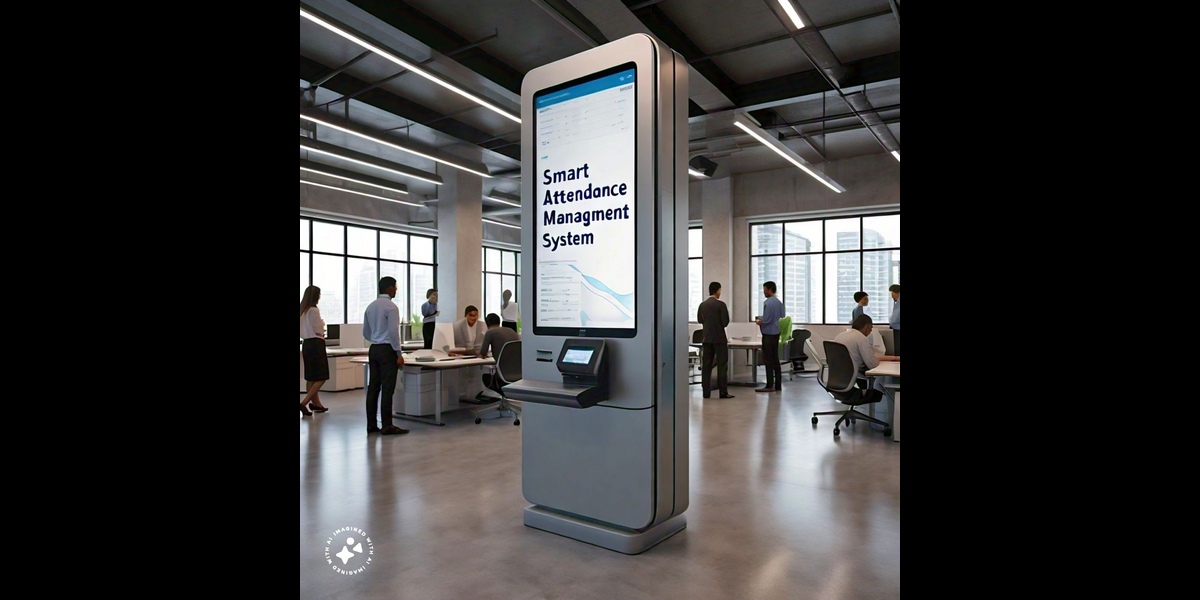
Smart Attendance Management System with Fake Attendance Detection.
The Smart Attendance Management System with Fake Attendance Detection is a cutting-edge solution integrating R…
Supervisor: Sabeeh Ahmed Saeed

CityFolio
Introducing the Cityfolio app! It's a helpful tool designed to make exploring cities easier and more fun for e…
Supervisor: Dr.Samia Riaz

ZOO TYCOON
Zoo Tycoon" is an immersive mobile game where players take on the role of zoo managers, tasked with creating a…
Supervisor: Mr Muhammad Nadeem

Mental Disease Prediction Using Machine Learning
This product is used to predict the mental diseases of the user based on their symptoms which are predicted by…
Supervisor: Riaz Ahmed Bhatti