
ModelNet App
Description
ModelNet is conceived as a standalone telecommunications management system that revolutionizes the way Internet Service Providers (ISPs) interact with their customers. Unlike existing systems that often struggle with complex user interfaces and fragmented functionalities
Objectives
• Enhance customer experience by simplifying complex account management processes. • Streamline and optimize billing operations for easier bill payments. • Improve customer satisfaction by providing a user-friendly interface for reporting and addressing issues. • Enable efficient service management by allowing users to submit requests (e.g., installation, maintenance) directly through the app. • Implement push notifications to keep customers informed about service interruptions, maintenance schedules, and bill due dates. • Empower users to monitor their data usage in real-time, set alerts, and view historical data consumption to prevent unexpected overages. • Reduce the workload on customer support teams by offering troubleshooting guides and diagnostic tools for users to address common connectivity issues independently. • Integrate AI-powered complaint management tools to categorize, prioritize, and assign complaints for proactive issue resolution. • Optimize internet service plans based on past user behavior to generate tailored package offers. • Implement a real-time complaints dashboard for administrators to monitor and visualize customer complaints and resolutions.
Socio-economic benefit
Project Scope: The ModelNet project aims to develop a cross-platform mobile application for managing internet services provided by ISPs, focusing on enhancing user experience and optimizing service management. Development Team: The project involves two group members, Faizan Mehmood and Neha Saeed, who are responsible for the development and implementation of the application. Development Tools: Various software tools and servers are utilized in the development process, including Node.js, Expo Go, MongoDB, Firebase, Visual Studio Code, Draw.io, MS Word, and MS Project. Gantt Chart: The project progress and timeline are visualized using a Gantt chart created in MS Project, outlining the tasks, milestones, and dependencies involved in the development process. Functionality: The application includes features such as user registration, authentication, account management, service requests, billing and payment management, notifications, data usage monitoring, troubleshooting support, speed testing, and complaint management. Quality Assurance: A comprehensive quality assurance process is implemented, including test plan scheduling, test cases, test strategies, and various types of testing to ensure the reliability and accuracy of the application. Socio-Economic Benefits: The ModelNet project is expected to yield several socio-economic benefits, including improved access to internet services, enhanced customer experience, efficient resource utilization, job creation, economic growth, empowerment of small businesses, and data-driven decision-making. Future Work/Extensions: There are opportunities for future work and extensions to further enhance the capabilities and effectiveness of the ModelNet application, such as enhanced AI integration, IoT integration, AR support, expansion of loyalty rewards, collaborative customer feedback, blockchain integration, and multi-platform support.
Methodologies
Agile development methodology: Development Plan: The use of a Gantt chart suggests a structured approach to project scheduling and management. While Gantt charts are commonly associated with traditional waterfall methodologies, they can also be adapted for use in agile environments to plan and track iterations. Quality Assurance: The test plan includes detailed test cases, which are typically associated with a structured testing approach often found in waterfall methodologies. However, the inclusion of traceability matrices and verification by team members suggests a level of collaboration and flexibility more commonly associated with agile practices. Future Work/Extensions: The future work section mentions enhancements such as AI integration, IoT integration, AR support, and collaborative customer feedback, which align with the iterative nature of agile development. Agile methodologies often prioritize continuous improvement and respond to changing requirements through iterative development cycles. Development Tools: The use of tools Visual Studio Code, and MongoDB is common in both traditional and agile development environments. These tools can be adapted to support various development methodologies.
Outcome
1. ModelNet Android Application: Developed a cross-platform mobile application, ModelNet, for managing internet services. 2. Compatibility: Ensured compatibility with both iOS and Android platforms to reach a broader audience. 3. User Interface: Designed a user-friendly interface following platform-specific design guidelines (iOS SDK and Material Design). 4. Functional Modules: Included modules for user registration, service management, billing, customer support, feedback collection, and more. 5. Integration of Technologies: Integrated Firebase Realtime Database, MongoDB API, and React Native framework for seamless development. 6. Performance Requirements: Met performance requirements like quick response times, handling concurrent users, and real-time updates. 7. Safety and Security: Ensured data confidentiality, user authentication, regulatory compliance, secure communication, and incident response planning. 8. Quality Attributes: Emphasized reliability, usability, maintainability, security, performance efficiency, and portability. 9. Future Extensions: Proposed future extensions like enhanced AI integration, IoT integration, AR support, and blockchain integration. 10. Customer Satisfaction: Aimed to enhance customer satisfaction through improved service quality and personalized offerings.
Gallery

More from Computer Science
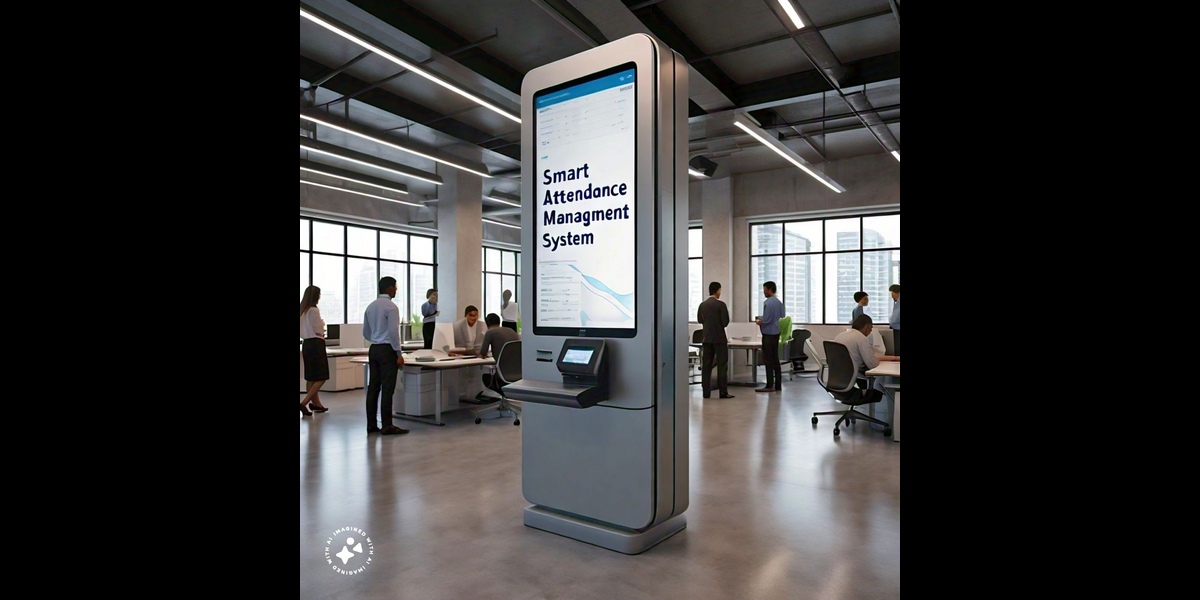
Smart Attendance Management System with Fake Attendance Detection.
The Smart Attendance Management System with Fake Attendance Detection is a cutting-edge solution integrating R…
Supervisor: Sabeeh Ahmed Saeed
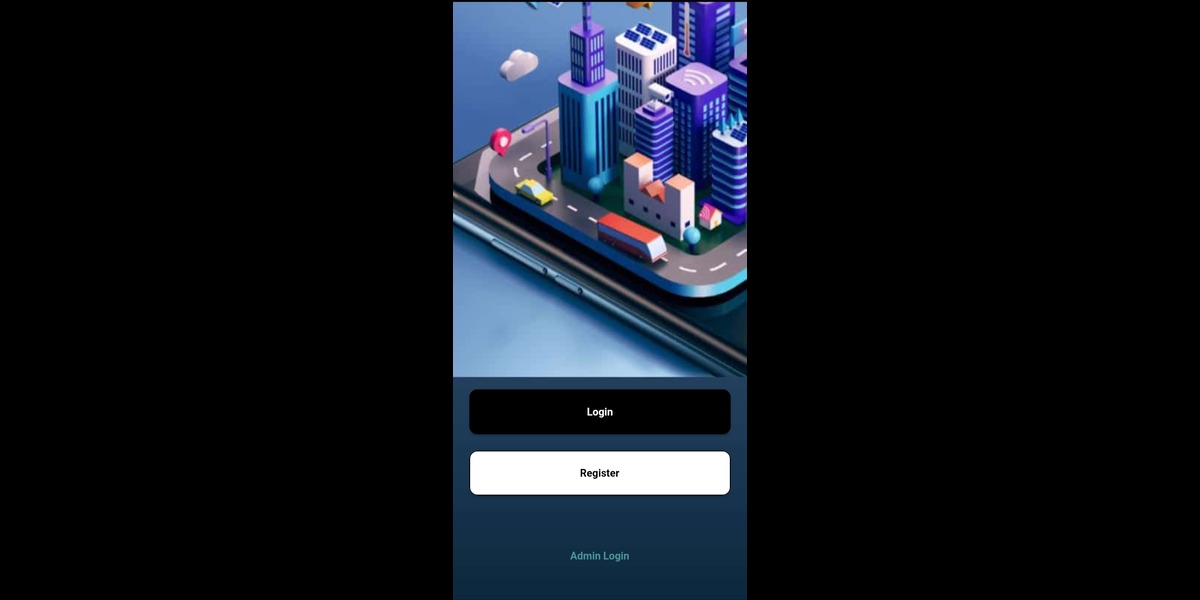
CityFolio
Introducing the Cityfolio app! It's a helpful tool designed to make exploring cities easier and more fun for e…
Supervisor: Dr.Samia Riaz

ZOO TYCOON
Zoo Tycoon" is an immersive mobile game where players take on the role of zoo managers, tasked with creating a…
Supervisor: Mr Muhammad Nadeem

Mental Disease Prediction Using Machine Learning
This product is used to predict the mental diseases of the user based on their symptoms which are predicted by…
Supervisor: Riaz Ahmed Bhatti