Revinn Up
Description
In our project, the sellers can come to the website, create their own shop, and list their services and prices. Then buyers can contact them and buy the products that they want. There will be a chat system so that sellers and buyers can interact with each other.
Objectives
The objectives of the car website project are: Comprehensive Information: Provide users with a centralized platform for accessing extensive information about cars, including specifications, reviews, and news, to facilitate informed decision-making. Simplified Transactions: Streamline the car-buying process by offering features for exploring listings, comparing models, and accessing pricing information, making transactions more straightforward and transparent. Enhanced Ownership Experience: Extend the user experience beyond sales with modules for predictive maintenance recommendations, enabling users to efficiently manage and care for their vehicles. Community Building: Foster a sense of community among car enthusiasts through features like a car club and events module, encouraging interaction, shared experiences, and collaboration. AI Integration: Utilize AI algorithms for intelligent recommendations, personalized content, and advanced features such as predictive maintenance suggestions and association-based accessory recommendations. Responsive Design: Ensure a user-friendly experience across devices by building the website on the modern MERN (MongoDB, Express.js, React.js, Node.js) stack, offering scalability and responsiveness. Cost-Effective Choices: Empower users with a car price comparison module, allowing them to make cost-effective choices by comparing prices across different sellers. Access to Services: Provide a platform for accessing various car-related services, including maintenance, repairs, and accessories, creating a comprehensive solution for car owners. Innovative Features: Integrate innovative features such as a car maintenance module with personalized recommendations and a car accessories module based on user preferences. User Engagement: Encourage user engagement through interactive features like messaging, notifications, and a dynamic user dashboard, enhancing the overall user experience. Technological Advancement: Showcase technological prowess by employing advanced frameworks, ensuring a seamless and modern online experience for users. Transparent and Trustworthy: Establish transparency and trust in the car-buying process by providing reliable information, authentic reviews, and a secure platform for transactions. Adaptability: Remain adaptable to changing user needs, industry trends, and technological advancements, ensuring the website stays relevant and continues to meet user expectations. Educational Resource: Serve as an educational resource for both novice and experienced car enthusiasts, offering insights, guides, and educational content about cars and the automotive industry. Single Platform Solution: Position the website as a one-stop solution for various aspects of the car industry, consolidating information, services, and community engagement in a single platform.
Socio-economic benefit
The socio-economic benefits of your car website project can have a broad and positive impact on various stakeholders. Here are potential socio-economic benefits: Streamlined Car Transactions: Simplifying the process of buying and selling cars can stimulate economic activity in the automotive sector. The website's user-friendly interface and comprehensive information can facilitate smoother transactions, benefitting both buyers and sellers. Job Creation: As the project involves the integration of various modules, including maintenance services, community engagement, and e-commerce, it can contribute to job creation. Service providers, technicians, and professionals in the automotive industry may find increased opportunities through the platform. Community Building and Networking: Fostering a community of car enthusiasts can have social and economic benefits. It creates a space for knowledge-sharing, networking, and potentially leads to collaborative initiatives or events, further contributing to the local economy. Access to Information: Providing comprehensive information about cars, reviews, and industry news contributes to informed decision-making. This can lead to more responsible and cost-effective choices by users, positively impacting their economic well-being. Support for Local Businesses: The e-commerce aspect of the website, especially the accessories module, can support local businesses. Users accessing and purchasing accessories through the platform may contribute to the growth of small and local enterprises. Predictive Maintenance and Cost Savings: The maintenance module's personalized recommendations based on car details can lead to proactive and cost-effective maintenance. This can result in savings for car owners over the long term and contribute to their economic well-being. Market Transparency: The comparison module offering price transparency across different sellers can contribute to a more competitive and transparent market. Buyers can make informed decisions based on fair market value, promoting healthy competition among sellers. Enhanced User Productivity: By providing a centralized platform for various car-related activities, the website can enhance user productivity. Users can efficiently manage transactions, maintenance tasks, and community engagements, saving time and effort. Technological Skill Development: The project, being technologically advanced, may contribute to the development of technical skills in the community. This can be through training programs, partnerships with educational institutions, or by providing opportunities for individuals to learn and engage with modern technologies. Environmental Impact: Encouraging responsible car ownership, possibly through features promoting eco-friendly practices, can contribute to a positive environmental impact. This aligns with broader socio-economic goals related to sustainability. In summary, the project's socio-economic benefits extend beyond individual us
Methodologies
Agile Methodology: Explanation: Iterative and incremental development with a focus on flexibility and customer collaboration. Use in Project: Employed agile practices for continuous improvement and adapting to changing requirements. Scrum Framework: Explanation: Organized development in sprints, with regular reviews and adjustments based on feedback. Use in Project: Implemented Scrum practices to enhance project organization and collaboration. User-Centered Design (UCD): Explanation: Prioritized user involvement in design to ensure the website meets user needs effectively. Use in Project: Adopted UCD principles to create a user-friendly interface and enhance user satisfaction. DevOps Practices: Explanation: Integration of development and operations for continuous integration, delivery, and automated testing. Use in Project: Implemented DevOps practices for efficient collaboration and streamlined development processes. MERN Stack Development: Explanation: Utilization of MongoDB, Express.js, React.js, and Node.js for building a modern and scalable web application. Use in Project: Developed the website using the MERN stack for responsiveness and adaptability. AI Development Practices: Explanation: Incorporation of artificial intelligence algorithms for intelligent recommendations and personalized content. Use in Project: Implemented AI practices for features such as predictive maintenance suggestions and accessory recommendations. Prototyping: Explanation: Early visualization of features through prototypes for quick feedback and alignment with user expectations. Use in Project: Utilized prototyping for visualizing and refining features before full-scale development. Quality Assurance (QA) Methodologies: Explanation: Thorough testing, including functional, performance, and security testing, to ensure a reliable website. Use in Project: Implemented robust QA methodologies for comprehensive testing and quality assurance. Continuous Improvement (Kaizen): Explanation: Embracing a philosophy of continuous improvement to evaluate and enhance project processes and outcomes. Use in Project: Regularly assessed and improved project processes based on the principles of Kaizen. Lean Development Principles: Explanation: Application of lean principles to minimize waste and optimize development processes. Use in Project: Utilized lean development to focus on delivering value and eliminating unnecessary features. These specific methodologies provide a detailed overview of the project's development approach and practices.
Outcome
The outcome of this project is a comprehensive and innovative car website that significantly enhances the user experience in the automotive domain. The key deliverables and outcomes include: User-Friendly Website: A well-designed, user-friendly website accessible on various devices, providing a seamless experience for car buyers, owners, and enthusiasts. Extensive Information Hub: A centralized platform offering a wealth of information about cars, including detailed specifications, reviews, news, and educational content. Transparent Car Transactions: Features enabling users to explore car listings, read reviews, compare models, and access pricing information, promoting transparency in the car-buying process. Advanced Modules: Implementation of advanced modules such as predictive maintenance suggestions, car price comparison, and a vibrant community platform for car enthusiasts. AI-Driven Recommendations: Integration of artificial intelligence algorithms for intelligent recommendations, personalized content, and advanced features like predictive maintenance and accessory recommendations. Community Engagement: A community-oriented platform allowing users to connect, share experiences, and participate in car-related events through features like a car club and events module. Maintenance and Service Tools: Tools for users to manage and maintain their vehicles effectively, including personalized maintenance recommendations and access to various car-related services. Scalable Technology Stack: Utilization of the modern MERN stack (MongoDB, Express.js, React.js, Node.js) ensuring scalability, responsiveness, and adaptability to future technological advancements. Cost-Effective Decision-Making: The car price comparison module empowers users to make cost-effective choices by comparing prices across different sellers. Innovative Features: Introduction of innovative features, including a car accessories module that suggests accessories based on user preferences and previous purchases. User Engagement Tools: Tools like messaging, notifications, and dynamic user dashboards to enhance user engagement and overall satisfaction. Educational Resource: A platform serving as an educational resource for car enthusiasts, offering insights, guides, and educational content about cars and the automotive industry. Comprehensive Solution: Positioning the website as a one-stop solution for various aspects of the car industry, consolidating information, services, and community engagement in a single, cohesive platform. The overall outcome is a technologically advanced, user-centric, and feature-rich car website that not only simplifies the car-buying process but also enriches the overall car ownership experience for users.
Gallery

More from Computer Science
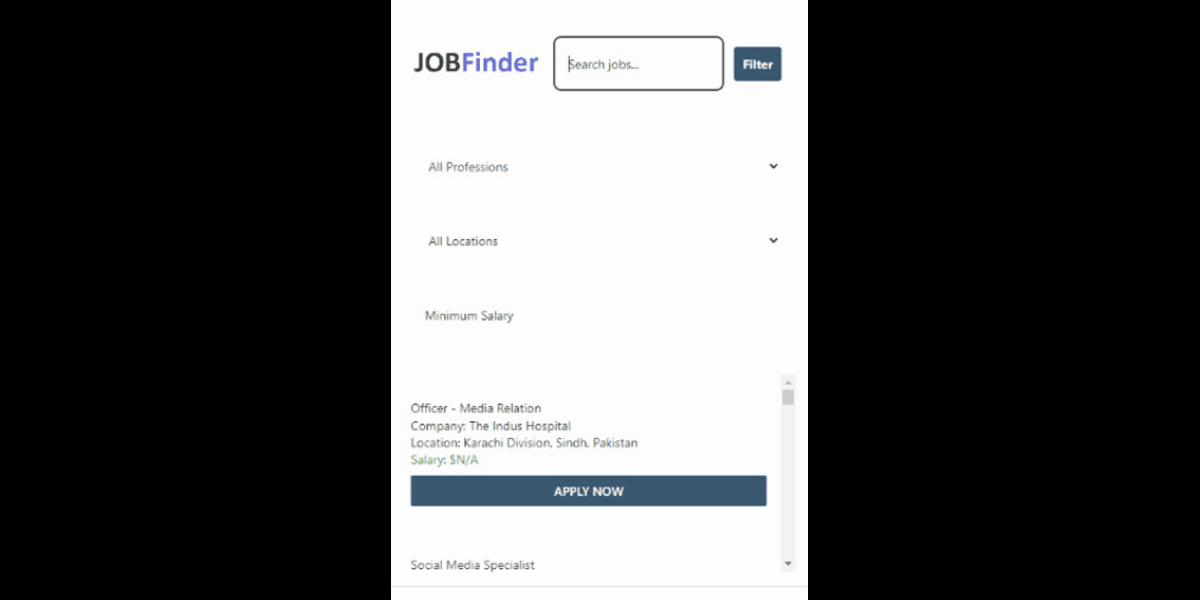
Job Finder
An app that lets users find jobs catered to their interests, qualifications and skills. The User interface, Jo…
Supervisor: Dr. Muhammad Sharif

ESTATE MATE MANAGEMENT SYSTEM
Estate Mate Management System is an application which helps the organization to shift their matters online. B…
Supervisor: Mam Hina Jamil

Himalaya Portal
The system is designed with three main panels:--> Student Panel (Flutter App):Allows students to log in using…
Supervisor: Sir, Waheed

Scalp Inspector Using Machine Learning
Scalp Inspector is a mobile application designed for users to self-diagnose scalp conditions. This innovative…
Supervisor: Dr. Wasif Nisar