Objectives
The primary objective of the discussed project is to create an integrated educational portal system for a university. The project aims to provide a comprehensive solution with distinct panels for students, teachers, and administrators. Here are the key objectives:
Facilitate seamless communication between students, teachers, and administrators within the university.
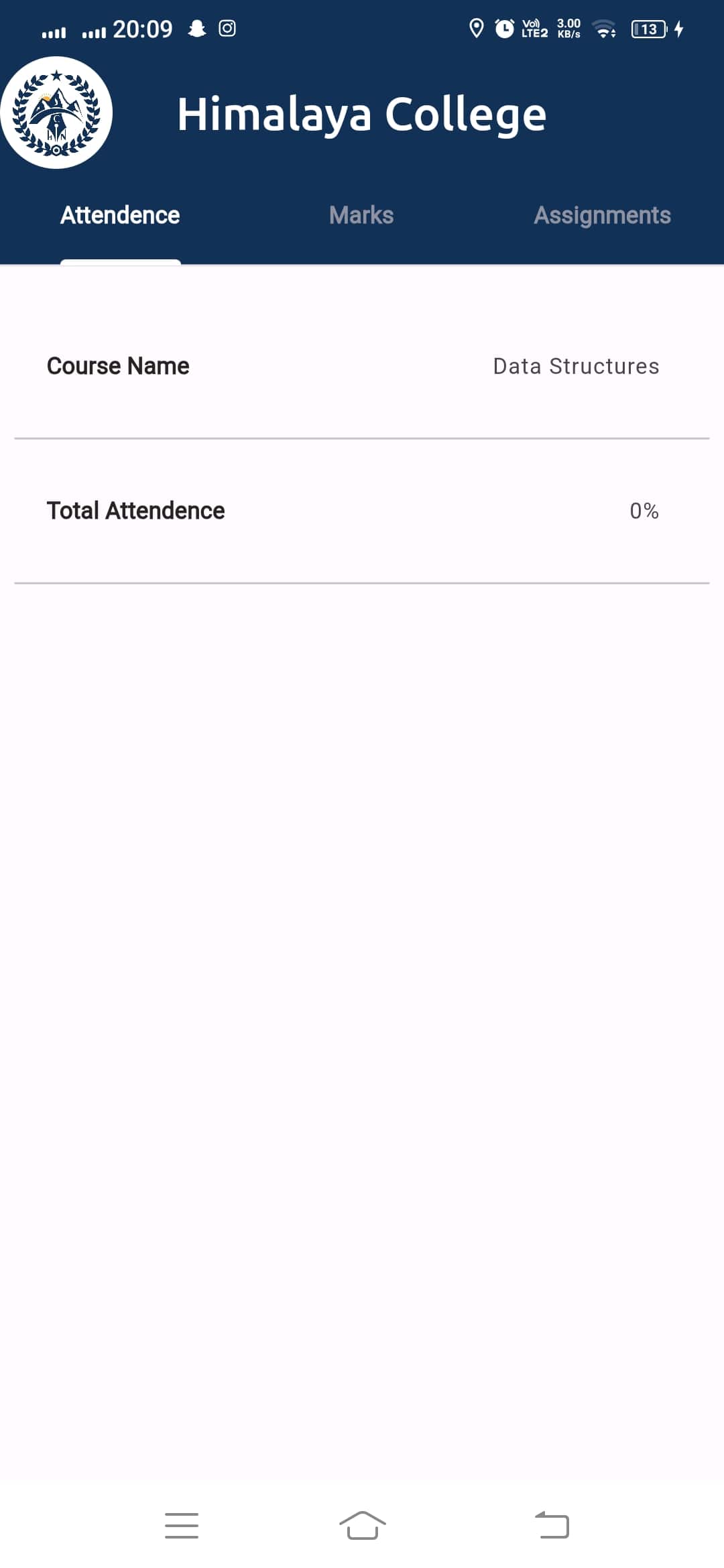
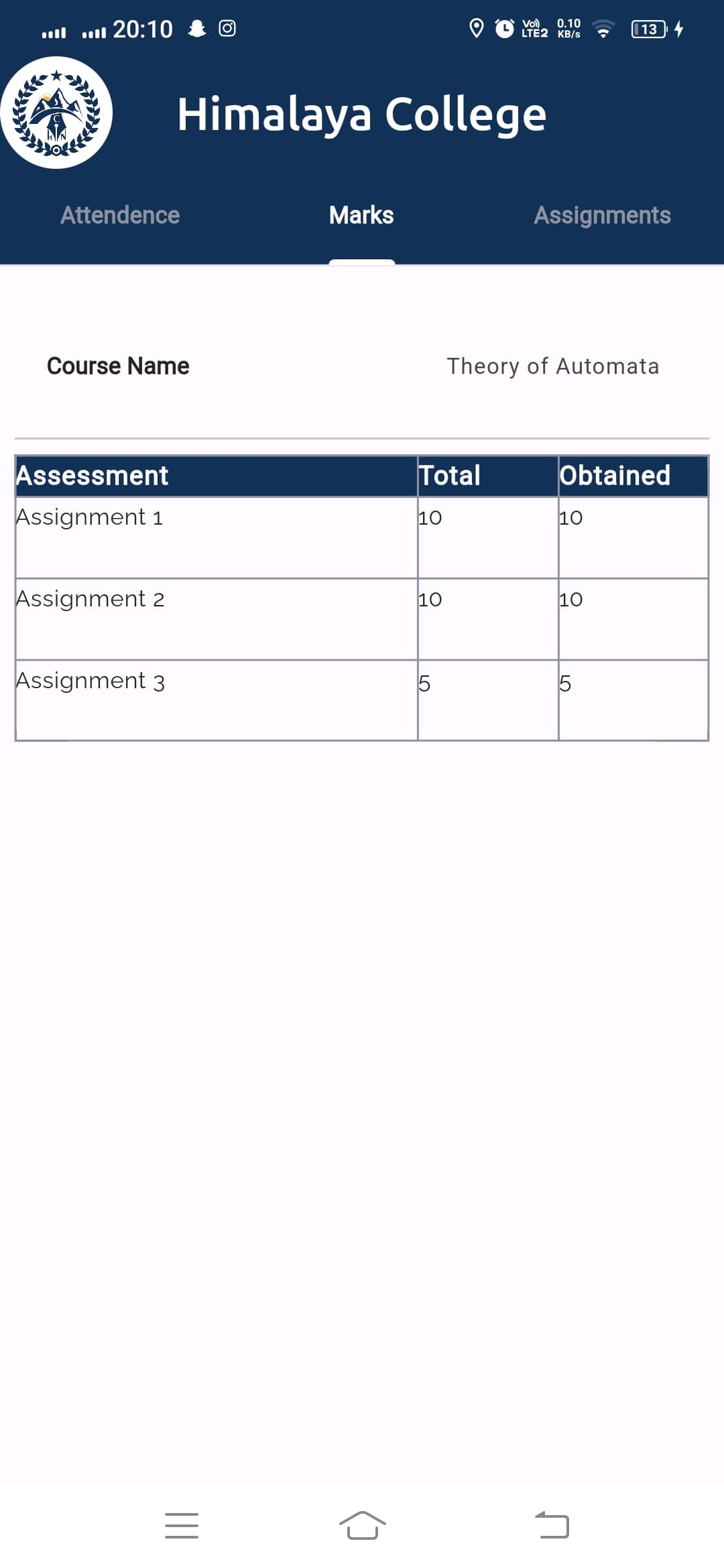
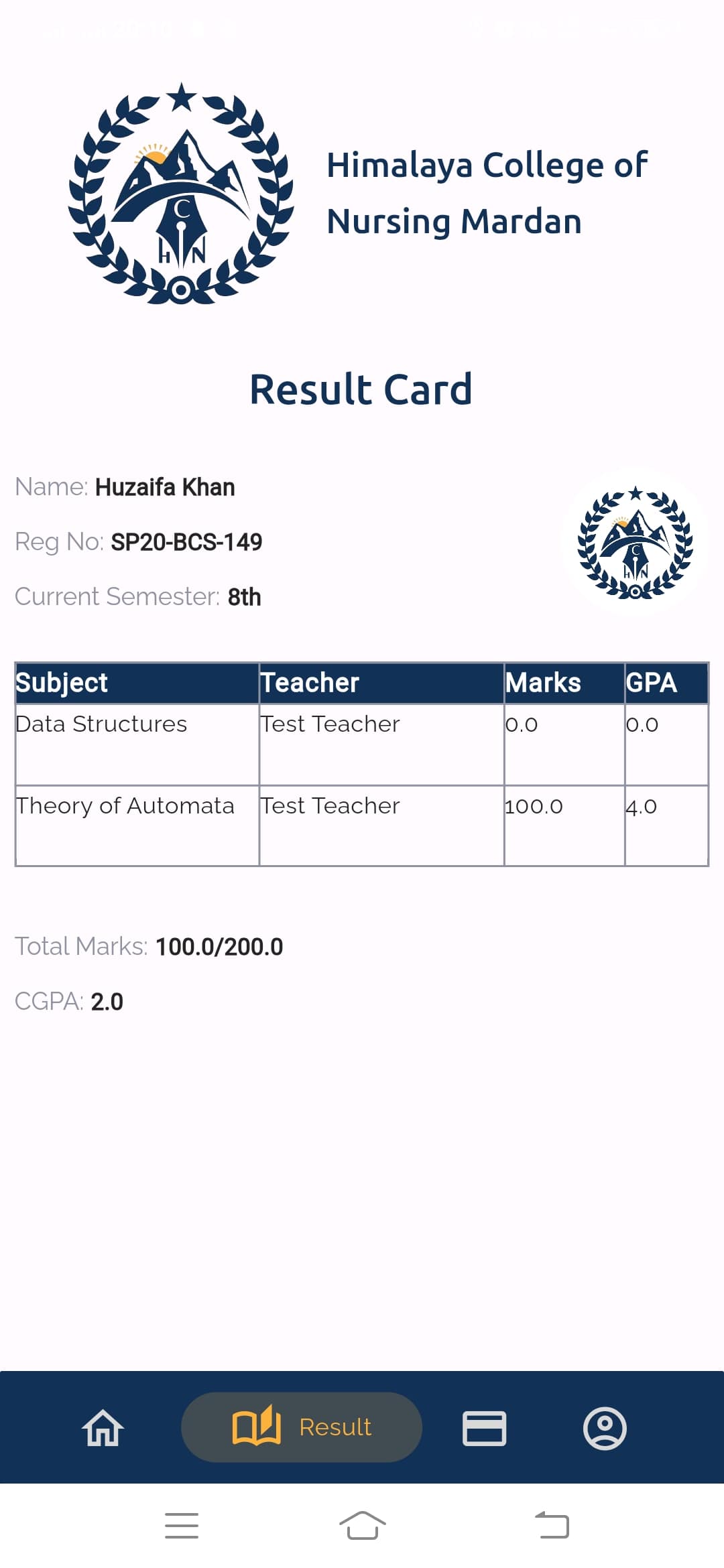
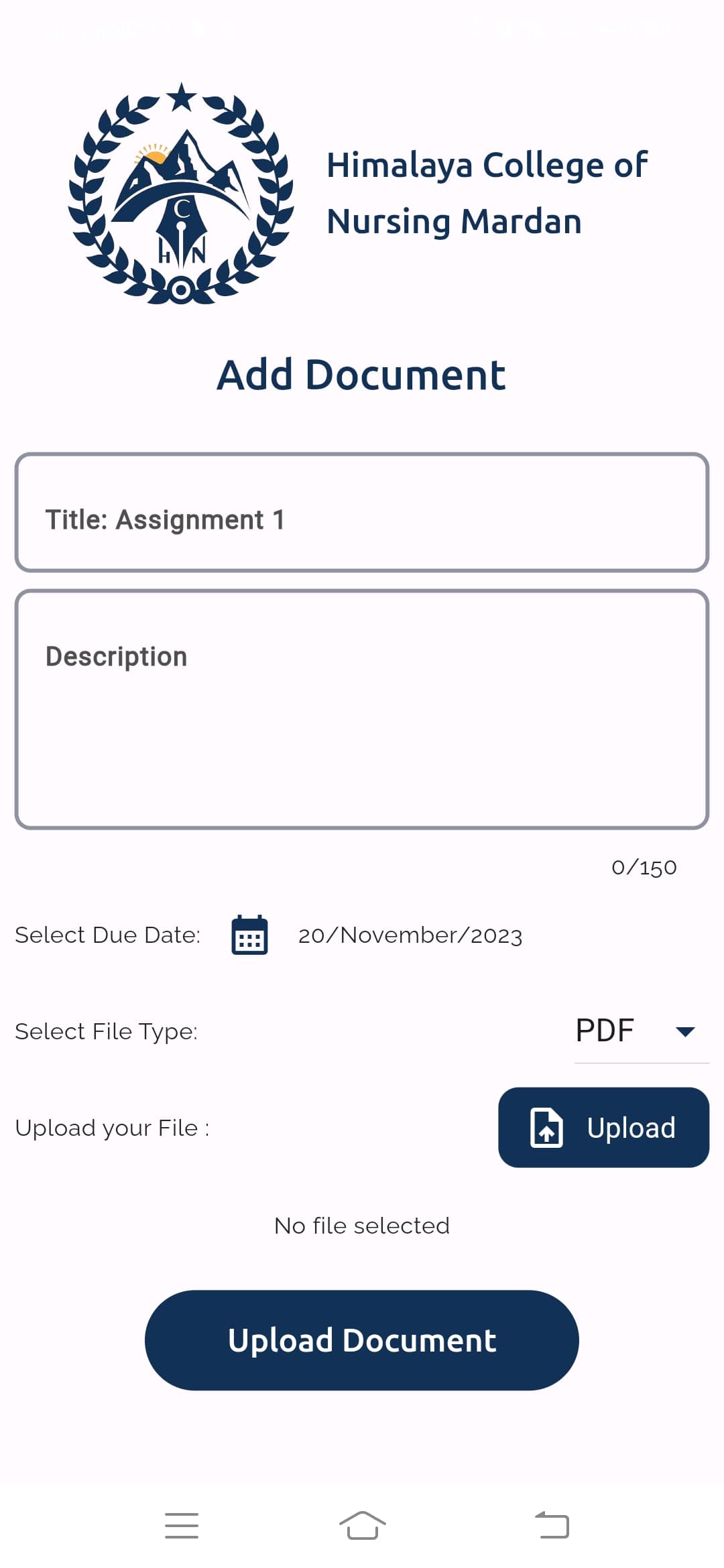
Enable efficient management of academic information, including assignments, quizzes, attendance records, and other relevant data.
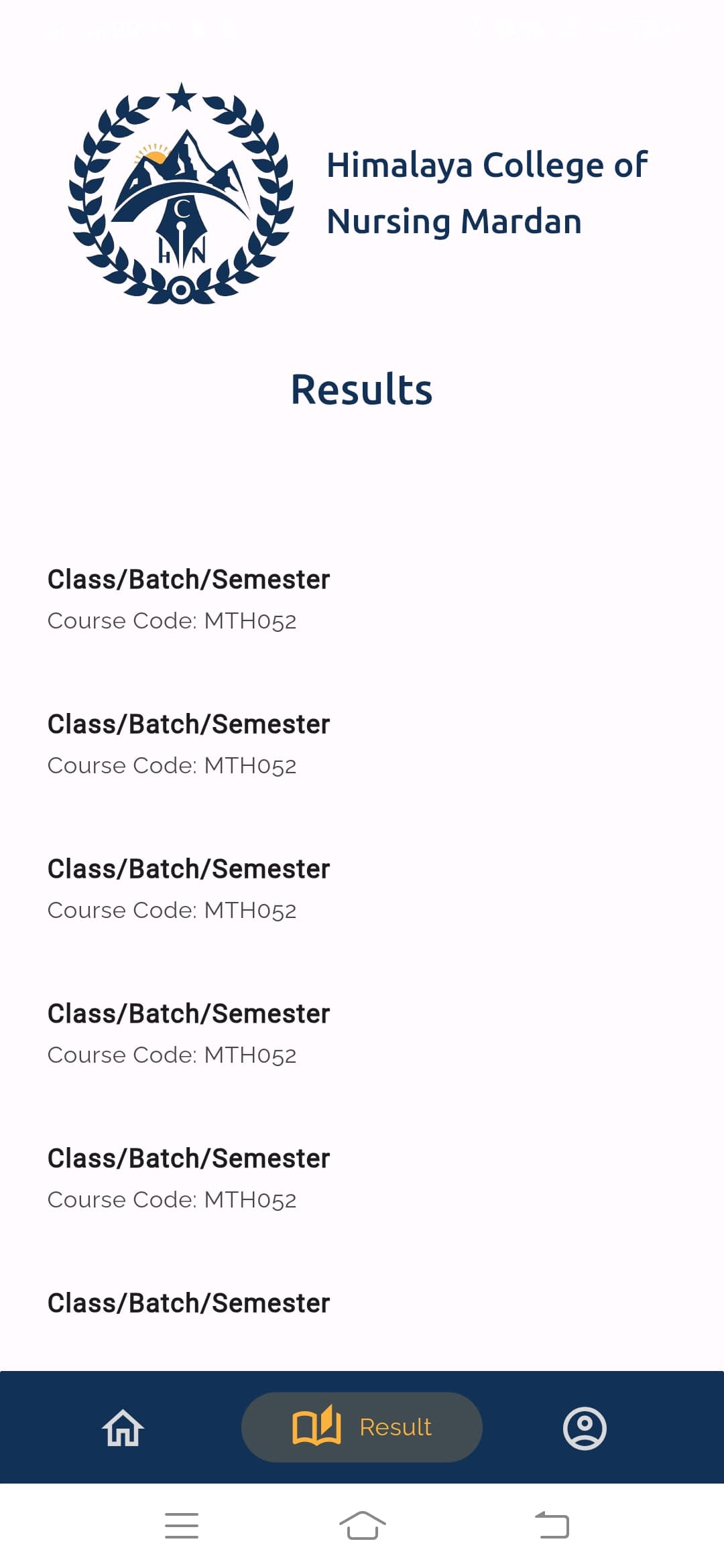
Develop a user-friendly mobile app (Flutter) for students and teachers to access and interact with the portal.
Empower administrators with an admin panel (website) to manage student and teacher accounts, providing login credentials, and overseeing overall system functionality.
Ensure a consistent and responsive user experience across different platforms by using Flutter for mobile app development.
Implement a website (admin panel) using the MERN stack (MongoDB, Express.js, React, Node.js) for administrative tasks.
Design the system to be scalable, allowing for potential future expansions and modifications.
Socio-Economic Benefit
Improved Education Access:
Provides students with easy access to academic resources, assignments, and communication tools, fostering a more inclusive and accessible educational environment.
Enhanced Learning Experience:
Enables students to view assignments, quizzes, and attendance records conveniently, contributing to a more engaging and personalized learning experience.
Time and Resource Efficiency:
Streamlines administrative tasks, reducing the time and resources spent on manual record-keeping and communication processes.
Facilitates Remote Learning:
Supports remote learning initiatives, allowing students to access educational materials and communicate with teachers from anywhere, which is particularly relevant in situations like pandemics.
Efficient Administrative Processes:
Enables administrators to efficiently manage student and teacher data, reducing administrative burdens and improving the overall efficiency of educational institutions.
Data-Driven Decision Making:
Provides access to data analytics and reporting tools, enabling administrators to make informed decisions based on insights derived from student and teacher performance data.
Technological Skill Development:
Promotes the development of technological skills among students and teachers as they interact with a modern, digital platform.
Job Market Readiness:
Equips students with digital literacy skills and experience in using technology platforms, enhancing their readiness for the modern job market.
Increased Parental Engagement:
Allows parents to stay informed about their child's academic progress, fostering increased parental engagement in the education process.
Cost Savings:
Reduces the need for physical paperwork and manual record-keeping, leading to potential cost savings for educational institutions.
Supports Lifelong Learning:
Encourages a culture of continuous learning by providing access to resources and information beyond traditional classroom settings.
Regional Development:
Contributes to regional development by promoting education, which is a key driver of socio-economic progress.
Methodologies
Agile Methodologies
Project Initiation:
Define the project scope, objectives, and vision.
Identify key stakeholders, including students, teachers, and administrators.
Form the Agile development team, including developers, testers, and other necessary roles.
Create a Product Backlog:
Collaborate with stakeholders to create a prioritized product backlog.
The product backlog should include features such as student authentication, teacher functionalities, admin panel features, and other core functionalities.
Sprint Planning:
Select a subset of features from the product backlog for the first sprint.
Collaboratively plan the sprint with the development team.
Break down features into user stories and tasks.
Sprint Execution:
Develop and test the selected features within the fixed time frame of the sprint (e.g., 2-4 weeks).
Conduct daily stand-up meetings to keep the team aligned and address any challenges.
Daily Stand-up Meetings:
Hold daily stand-up meetings to discuss progress, challenges, and plans for the day.
Encourage collaboration and communication among team members.
Sprint Review:
At the end of each sprint, conduct a sprint review meeting.
Demonstrate the completed features to stakeholders and gather feedback.
Discuss any adjustments needed for the next sprint.
Sprint Retrospective:
Hold a sprint retrospective meeting with the team.
Reflect on what went well, what could be improved, and what changes should be implemented in the next sprint.
Repeat Sprints:
Continue the iterative process by selecting new features from the product backlog for each subsequent sprint.
Regularly release increments of the software with added features.
Continuous Feedback:
Gather continuous feedback from users, stakeholders, and team members.
Use feedback to make adjustments to the product backlog and improve the development process.
Prioritize and Adjust:
Continuously prioritize features based on changing requirements and feedback.
Be adaptable and willing to adjust the development plan based on emerging needs.
Release the Minimum Viable Product (MVP):
Aim to release a minimum viable product that includes essential features early in the development process.
Gradually add additional features in subsequent sprints.
Monitor and Maintain:
Monitor the system in production and address any issues that arise.
Continue to release updates and improvements based on user feedback.
Outcome
Educational Portal System:
Successful development and implementation of an integrated educational portal system that serves the needs of students, teachers, and administrators within the university.
Improved Communication:
Enhanced communication channels between students, teachers, and administrators, fostering a more connected educational community.
Efficient Information Management:
Streamlined management of academic information, including assignments, quizzes, attendance records, and other relevant data.
User-Friendly Interfaces:
Creation of user-friendly interfaces for both mobile (Flutter app) and web (admin panel) platforms, ensuring a positive user experience.
Authentication and Authorization:
Implementation of secure authentication and authorization mechanisms, allowing students and teachers to access personalized information while maintaining data security.
Administrative Control:
Empowerment of administrators through the admin panel, enabling efficient management of student and teacher accounts, distribution of login credentials, and oversight of the entire system.
Alternative Backend Exploration:
Consideration and exploration of alternative backend technologies, such as Firebase and Golang with MongoDB, to evaluate and choose the most suitable option for data management.
Cross-Platform Consistency:
Development of a cross-platform solution using Flutter for both the mobile app and the web admin panel, ensuring consistency in user experience across different devices.
Socio-Economic Benefits:
Realization of socio-economic benefits, including improved education access, enhanced learning experiences, time and resource efficiency, and support for remote learning.
Technological Skill Development:
Promotion of technological skill development among students, teachers, and administrators as they interact with a modern, digital educational platform.
Continuous Improvement:
Adoption of Agile methodologies, allowing for continuous improvement, adaptation to changing requirements, and iterative releases of features.
Scalability and Flexibility:
Design and development of the system to be scalable, accommodating potential future expansions and modifications.
Efficient Administrative Processes:
Efficient management of administrative processes, reducing manual efforts and improving overall administrative efficiency.
Cost Savings:
Potential cost savings through the reduction of physical paperwork and manual record-keeping.
Parental Engagement:
Increased parental engagement through access to student progress information, fostering a collaborative relationship between parents and the educational institution.