VisionFlow Plus
Description
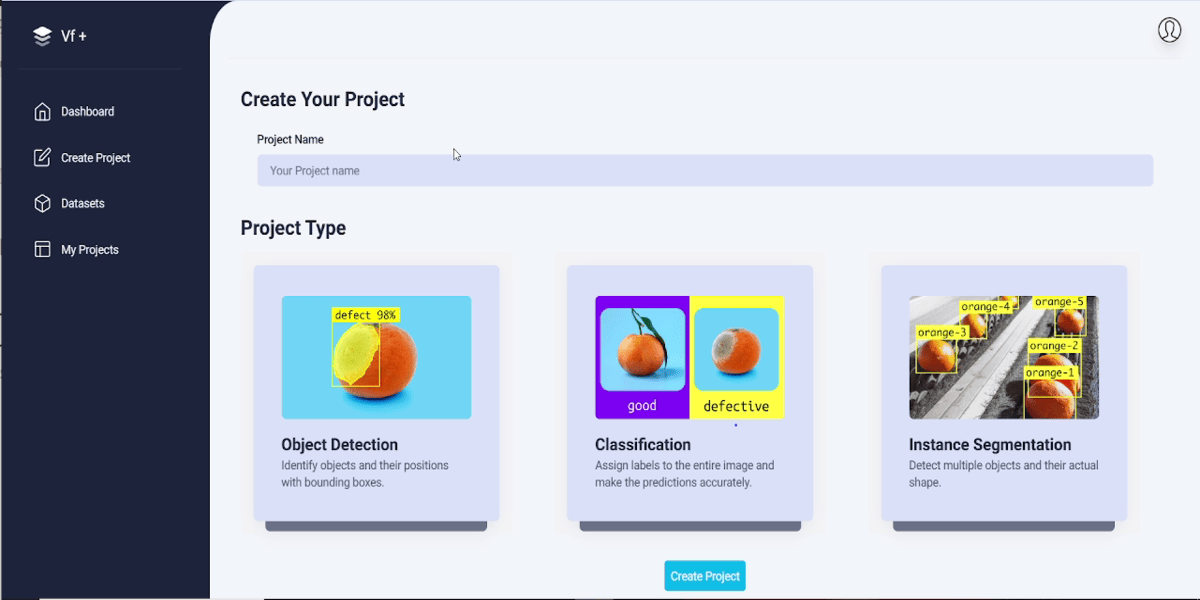
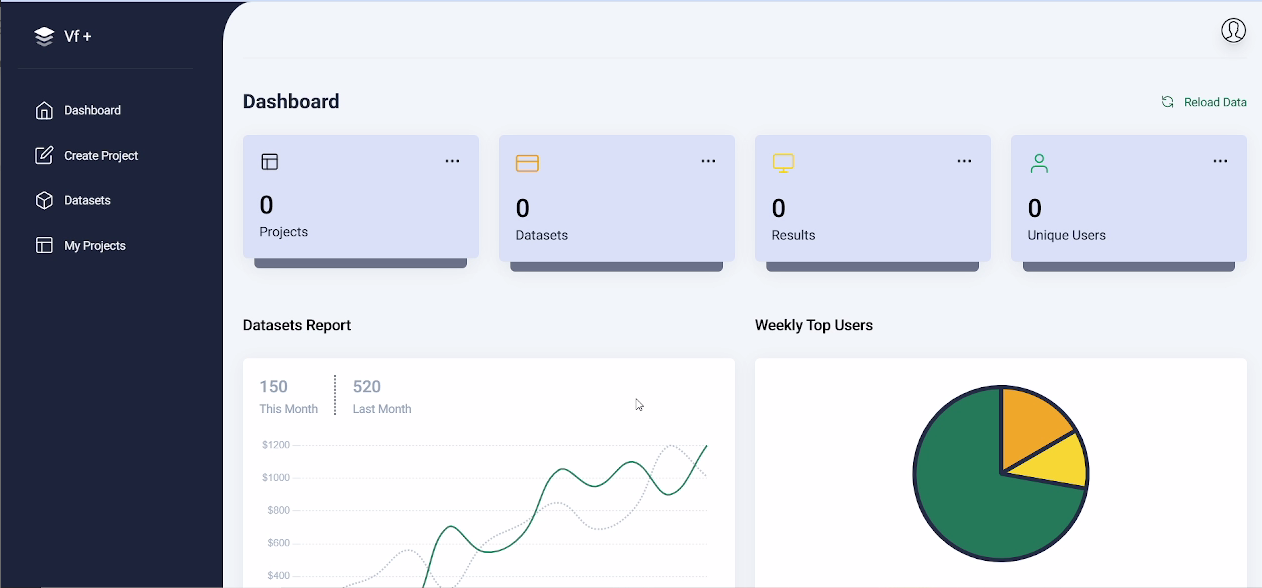
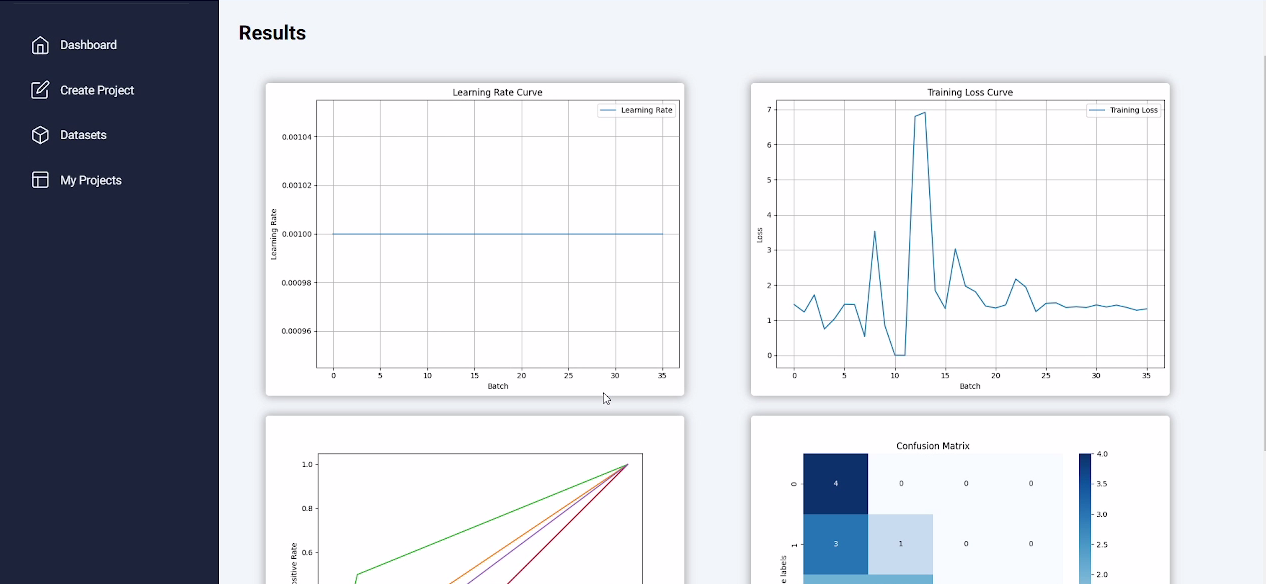
VisionFlow Plus is an advanced online platform tailored for computer vision students and AI engineers to simplify the development and deployment of computer vision models. It offers tools for data acquisition, annotation, training, and optimization, supporting a wide range of applications, including object detection, classification, and segmentation. With features like cloud storage for scalability, model evaluation metrics (e.g., F1 score, confusion matrix), and pre-trained model recommendations, VisionFlow Plus caters to both novice and professional users across various industries, such as healthcare, retail, and industrial automation.
Objectives
VisionFlow Plus aims to provide an online platform for computer vision students and AI engineers to efficiently build, train, and deploy computer vision models. It simplifies the development process by offering tools for data acquisition, annotation, model selection, training, and deployment while ensuring scalability and adaptability to various industries.
Socio-economic benefit
Educational Empowerment: 1. Facilitates learning and research for students and researchers in machine learning and computer vision. 2. Provides access to tools and resources that lower the barrier to entry for novices. Industry Applications: 1. Enhances productivity in industrial automation, healthcare diagnostics, security, and surveillance. 2. Improves retail and e-commerce operations through advanced visual search and inventory management tools. Economic Growth: 1. Reduces costs associated with manual processes through automation. 2. Enables small and medium enterprises (SMEs) to leverage AI for innovation without requiring extensive technical expertise. Social Impact: 1. Strengthens healthcare services by improving diagnostic capabilities. 2. Enhances public safety with better surveillance systems.
Methodologies
Requirement Analysis: 1. Define system boundaries and functional requirements. 2. Identify user needs through interviews and feedback. Design and Development: 1. Use UML diagrams to design the system architecture. 2. Develop the platform using Python (FastAPI framework) for backend, Node.js for APIs, and MongoDB for database management. Data Management and Training: 1. Incorporate data annotation and augmentation functionalities. 2. Enable model training on cloud infrastructure with progress tracking and performance evaluation. Testing and Deployment: 1. Conduct unit and system tests to validate functionality. 2. Deploy the platform with secure authentication and user-friendly interfaces. User Feedback Integration: Gather user input to refine features and ensure system usability.
Outcome
1. Functional Platform: A robust online platform enabling users to annotate datasets, train computer vision models, and deploy them across various industries. 2. Enhanced Accessibility: Simplifies AI model development for both beginners and professionals. 3. Scalability and Adaptability: Supports diverse data formats, cloud integration, and deployment options for edge devices and servers. 4. Industry-ready Applications: Facilitates applications in healthcare, security, manufacturing, and e-commerce with enhanced efficiency and automation.
Gallery



More from Computer Science

Career Bridge: Connect students and alumni for guidance and boosting their careers.
Career Bridge bridges the collaboration gap between university students/freelancers and alumni. Through our pl…
Supervisor: Beenish Noor
CropSage - Smart Wheat Management Mobile App
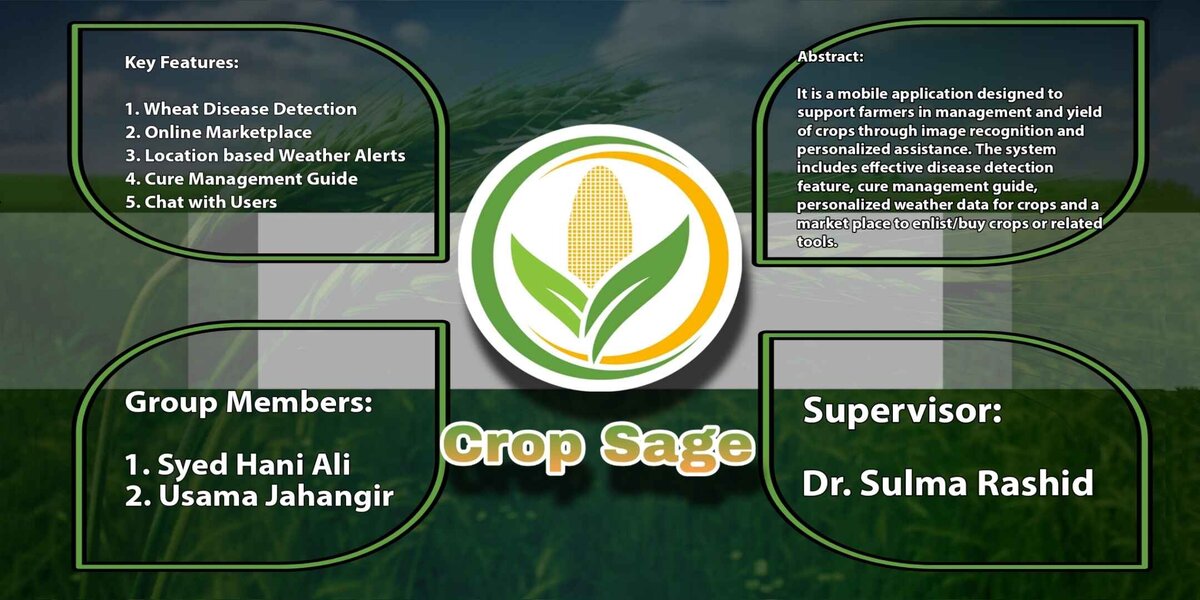
The CropSage System is an innovative mobile application designed to support wheat farmers by offering a compre…
Supervisor: Dr. Sulma Rashid

Zaplead Sales Copilot
Zaplead’s AI-powered assistant revolutionizes the way you approach sales. By streamlining time-consuming proce…
Supervisor: Dr. Faisal Shafique Butt
MediChaos
MediChaos is a modern Hospital Management System built with the MERN stack to streamline healthcare operations…
Supervisor: Dr. Sheraz Anjum