ACELT - IELTS & TOEFL Trainer
Description
ACELT (IELTS & TOEFL Trainer) is a mobile application developed using Flutter and Dart, designed to assist students in preparing for international English proficiency exams like IELTS and TOEFL. The project addresses the need for a structured, accessible, and cost-effective preparation platform by integrating study resources and practice tools into a single digital solution.Key features include:1. Preparation Modules: Comprehensive study materials for Reading, Listening, Writing, and Speaking sections.2. Mock Tests: Full-length and module-wise simulated exams that replicate real test conditions to assess readiness.3. Performance Insights: Detailed evaluation reports with band scores, progress graphs, and test history to track improvement over time.4. Community: An interactive space for peer learning where users can post questions, share strategies, and engage in discussions.Built with Firebase for real-time data management, ACELT offers a personalized and collaborative learning
Objectives
The primary objective of the ACELT Final Year Project was to develop a comprehensive, cross-platform mobile application that serves as an all-in-one preparation tool for students aiming to take the IELTS and TOEFL English proficiency tests. The project aimed to achieve the following specific goals: 1. Consolidate Resources: To integrate the necessary preparation materials for both IELTS and TOEFL into a single, user-friendly mobile application, providing a more convenient and accessible study solution than existing fragmented resources. 2. Provide Structured Preparation: To design and implement a set of organized preparation modules covering all four core skills—Listening, Reading, Writing, and Speaking enabling users to follow a clear and systematic study plan. 3. Offer Realistic Mock Testing: To develop full-length and module-specific mock tests that accurately simulate the actual exam environment and timing, allowing users to assess their readiness under test conditions. 4. Deliver Detailed Performance Analysis: To create an Evaluation & Performance Report Module that provides users with immediate, detailed feedback, including calculated Band scores, graphical representations of progress, identification of improvement areas, and a comprehensive history of attempted tests. 5. Foster a Community Learning Environment: To build an interactive Community Module where users can engage in peer learning, post questions, share practice responses (especially for Writing and Speaking), and receive feedback from fellow aspirants, thereby cultivating a supportive and collaborative atmosphere. 6. Ensure Platform Accessibility: To utilize the Flutter framework to develop a mobile application primarily for the Android platform (as specified in the documentation), making quality test preparation more affordable and accessible to a wider audience. 7. Implement Robust Management Tools: To create an Admin Panel that allows administrators to efficiently manage user accounts, moderate community content, and seamlessly add, update, or remove preparation materials and mock tests. In essence, the project sought to solve the real-world problem of high-cost, poorly-structured, and feedback-limited test preparation by delivering an effective, affordable, and engaging digital training solution.
Socio-economic benefit
The ACELT project yields significant socio-economic benefits, primarily by making high-quality English proficiency test preparation more affordable, accessible, and effective. 1. Enhanced Educational and Career Mobility (Socio-Economic): Breaking Financial Barriers: Traditional IELTS and TOEFL coaching classes, practice materials, and paid online resources are often expensive, creating a barrier for students from low- and middle-income backgrounds. ACELT, by being a mobile application, offers a cost-effective or free alternative. This democratization of access allows a broader demographic of students to prepare adequately. Increased International Opportunities: Achieving a high score on the IELTS or TOEFL is a prerequisite for studying abroad and for many immigration or professional certifications. By providing effective training, ACELT directly increases a user's probability of success. This, in turn, facilitates access to better international educational institutions and employment opportunities, boosting the user's human capital and future earning potential. Addressing Geographic Disparities: Students in remote areas or those without access to specialized coaching centers can utilize the mobile application regardless of their location. This bridges the urban-rural gap in educational access and opportunity. 2. Digital Literacy and Skill Development (Social): Promotion of Self-Paced Learning: The application is designed for self-study, encouraging users to take ownership of their learning process. This promotes crucial skills like self-discipline, time management, and personalized study planning. Fostering Collaborative Learning: The integrated Community Module allows users from diverse backgrounds to interact, share knowledge, and peer-review each other's work (especially Writing and Speaking). This creates a social network for learning, enriching the experience beyond simple content consumption and building communication skills. User-Centric Feedback: The project’s focus on detailed performance reports and progress tracking helps users understand the specific areas they need to improve. This targeted feedback is more efficient than general practice and leads to faster, measurable skill enhancement. 3. Economic Impact and Entrepreneurship (Economic): Potential for Local Job Creation: Should the application scale into a successful startup, it would create employment opportunities for software developers, content creators, administrators, and customer support staff, contributing to the local tech economy. Reduced Brain Drain Cost: By offering high-quality preparation tools domestically, the project reduces the reliance on foreign or expensive international preparation services. This keeps more money within the local economy and aids in efficient human resource development.
Methodologies
The methodology used for the development of ACELT was the Agile Methodology, specifically implied by the focus on iterative development, quick feedback loops, and a modular approach, although a specific formal model (like Scrum or Waterfall) is not explicitly named as the primary choice. Here are the key aspects of the project's methodology: Iterative and Modular Development: 1. The project was divided into distinct, manageable modules, with clear allocation of responsibilities between the team members (e.g., one member handled User Profile & Community; the other handled Preparation & Evaluation). 2. This modular approach facilitated simultaneous development and integration, which is a hallmark of iterative methodologies. Technology Selection: 1. Flutter (Dart): Chosen for its ability to deliver a native, high-performance, and cross-platform mobile application, ensuring efficiency in development time (a key goal in project methodology). 2. Firebase: Selected as the backend service for its fast development capabilities, real-time database (Firestore), user authentication, and cloud storage, allowing the team to quickly develop and test core features without extensive backend infrastructure setup. 3. Requirements and Design Focus: The methodology started with a clear definition of Functional Requirements (Authentication, Preparation, Mock Test, Community, Admin Panel) and Non-Functional Requirements (e.g., user-friendly UI/UX). 4. Tools like Draw.io were used for early-stage design and visualization (UML diagrams, etc.), ensuring a structured approach before coding began. Testing and Evaluation: 1. The project included dedicated modules for Mock Tests and Performance Reports, which serve as built-in evaluation mechanisms to ensure the core functionality of the app (test assessment) is accurate and reliable. 2. The inclusion of a Feedback Module shows an emphasis on gathering user input post-deployment, aligning with methodologies that prioritize continuous improvement.
Outcome
The project, ACELT (IELTS & TOEFL Trainer), concluded with several tangible and comprehensive outcomes, all centered on delivering a full-featured digital preparation platform. Core Product Delivery and Functionality: 1. Deployment of a Functional Mobile Application: The primary outcome is a complete, working mobile application developed using the Flutter framework and Dart language, targeting the Android platform. This ensures a high-performance, accessible product. 2. Comprehensive Test Preparation: The application successfully integrated structured preparation modules for all four core test sections: Listening, Reading, Writing, and Speaking, covering content relevant to both the IELTS and TOEFL exams. 3. Full-Fledged Mock Test Environment: The project delivered a core feature: the ability for users to attempt full-length or module-wise mock tests that accurately simulate the timing and conditions of the official exams. Key Functional Module Achievements 1. Detailed Performance Evaluation: The Evaluation & Performance Report Module was successfully implemented. This critical outcome provides users with immediate, data-driven feedback, including a calculated estimated Band score, a visual progress graph to track improvement over time, and a history log of all attempted tests. 2. Establishment of a Collaborative Community: The project delivered a fully functional Community Module. This feature allows users to create posts, engage in section-specific discussions, and use like/comment functionalities to facilitate peer-to-peer learning and feedback exchange, a vital social outcome. 3. Robust Administrative Control: A complete Admin Panel was developed. This ensures the application's long-term manageability by providing administrators with the tools to manage user accounts, moderate the community environment, and seamlessly update, add, or remove preparation content and mock tests. 4. Integrated Feedback Mechanism: A Feedback Module was implemented, allowing users to submit ratings (1-5 stars) and comments. This outcome provides a continuous channel for user input, enabling data-driven improvements and updates to the application post-deployment. In summary, the project's outcome is a technologically sound, user-centric, and fully realized solution that successfully digitalizes and democratizes access to high-quality IELTS and TOEFL training.
Gallery


More from Computer Science
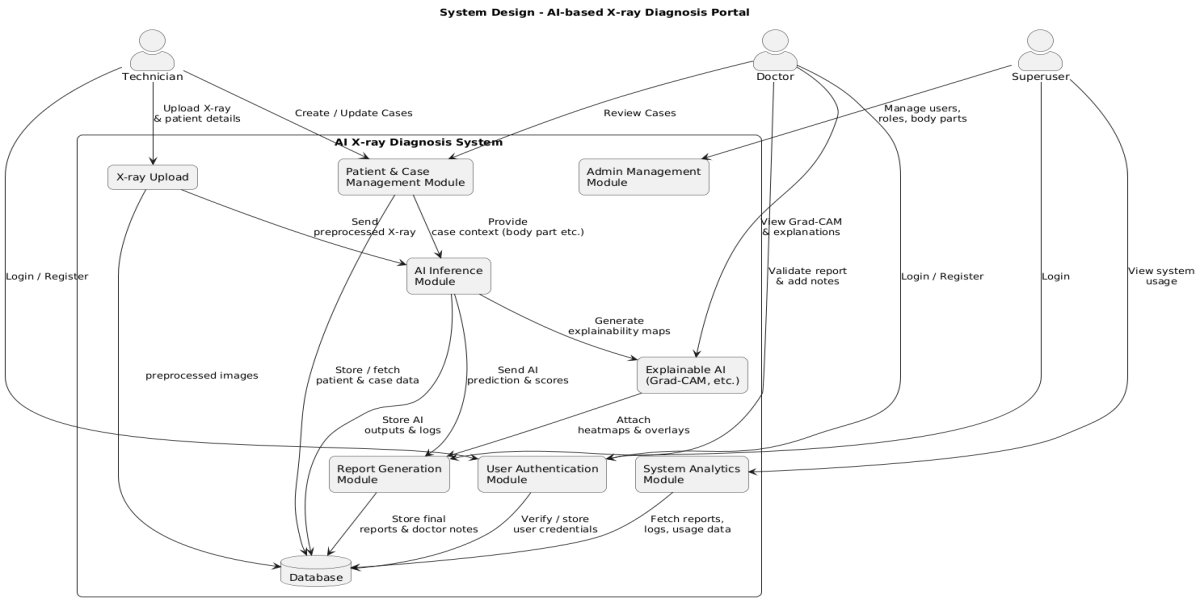
AI-Based Web Platform for Automated Fracture Detection and Medical Record Management
This project is an AI-based web platform developed for automated detection of bone fractures from X-ray images…
Supervisor: Waheed Ahmad Khan
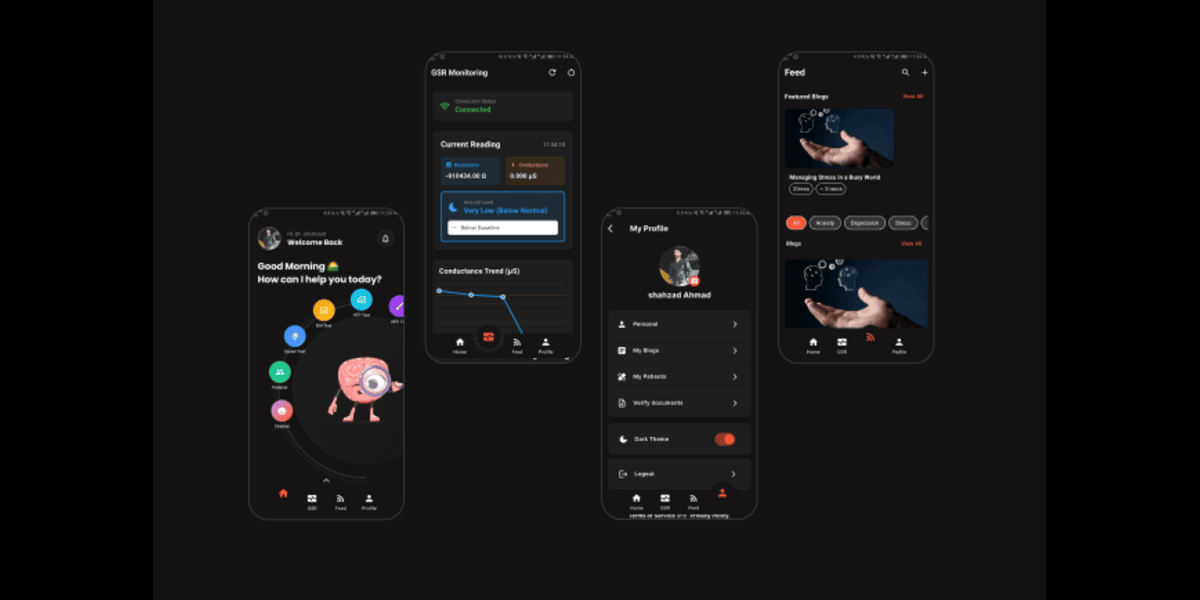
Soul Sketch: Revolutionizing psychological test through ai
Soul Sketch is an intelligent, cross-platform mobile application designed to digitize and streamline psycholog…
Supervisor: Mr. Hassan Sardar
AI POWERED FINANCE MANAGER
Project is Complete financial Advisor that allows adding income,adding expenses,see future predictions using L…
Supervisor: Mam Yusra Banaras
QisFlex: Interactive Quantum Computing Platform
We have developed a complete learning platform for Quantum Computing. It has courses, blogs and a custom Quant…
Supervisor: Dr. Saeed-ur-Rehman