OptiAI
Description
Opti AI is a wearable smart-glasses system that uses an ESP32 camera, AirPods, and a Flutter mobile app to provide real-time assistance. It understands both voice and image-based queries and delivers quick, AI-powered responses without needing to hold a device.
Objectives
The objective of OptiAI is to create a hands-free wearable assistant that combines voice commands with visual input. It aims to make daily tasks faster and more accessible by providing instant AI-powered information without the need to look at a smartphone screen.
Socio-economic benefit
Social Impact Digital Wellbeing: Reduces screen dependency and "smartphone addiction" by allowing users to access information via audio, encouraging meaningful interaction with the real world. Enhanced Safety: Promotes a "heads-up" lifestyle where users can get navigation or notifications without looking down at a phone, reducing accidents while walking or commuting. Inclusive Design: While built for everyone, the hands-free, voice-first interface naturally accommodates elderly users or those with visual impairments, ensuring no one is left behind. Economic Impact Mass Market Affordability: By using cost-effective components (ESP32) instead of expensive proprietary hardware, OptiAI makes smart wearable technology accessible to the average consumer, not just tech enthusiasts. Workplace Productivity: Streamlines daily workflows by allowing professionals (e.g., mechanics, chefs, engineers) to access technical data or send messages without interrupting manual tasks. Time Efficiency: Reduces friction in daily tasks by providing instant answers to queries, saving cumulative time usually spent unlocking phones and typing searches.
Methodologies
The development of OptiAI follows an Agile-IoT Hybrid Methodology. This approach utilizes a structured Waterfall model for the hardware constraints (ensuring precise component selection and circuit design) while adopting an Agile iterative process for software development. This allows for continuous refinement of the AI models and mobile application based on real-time testing and user feedback.
Outcome
The project successfully delivered OptiAI, a functional hands-free wearable assistant. By integrating ESP32 hardware with a Flutter mobile app, the system effectively captures visual data and converts it into audible insights via AirPods. The outcome demonstrates that accessible, high-tech personal assistance can be achieved cost-effectively, providing users with a "heads-up" experience that enhances situational awareness and promotes digital independence for both general and visually impaired users.
Gallery


More from Computer Science
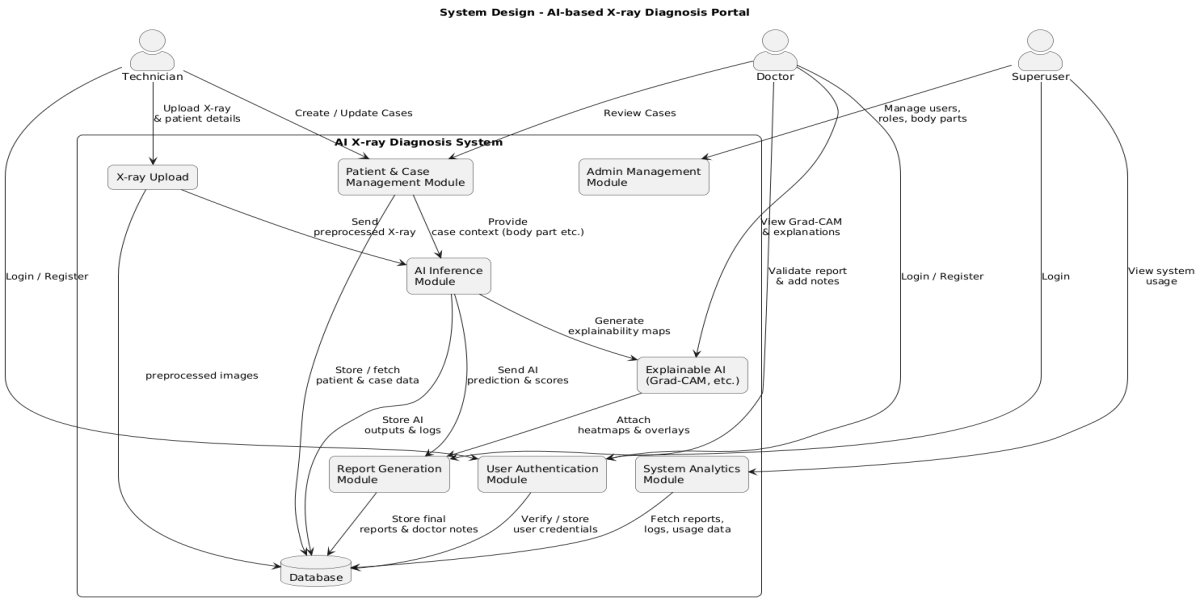
AI-Based Web Platform for Automated Fracture Detection and Medical Record Management
This project is an AI-based web platform developed for automated detection of bone fractures from X-ray images…
Supervisor: Waheed Ahmad Khan
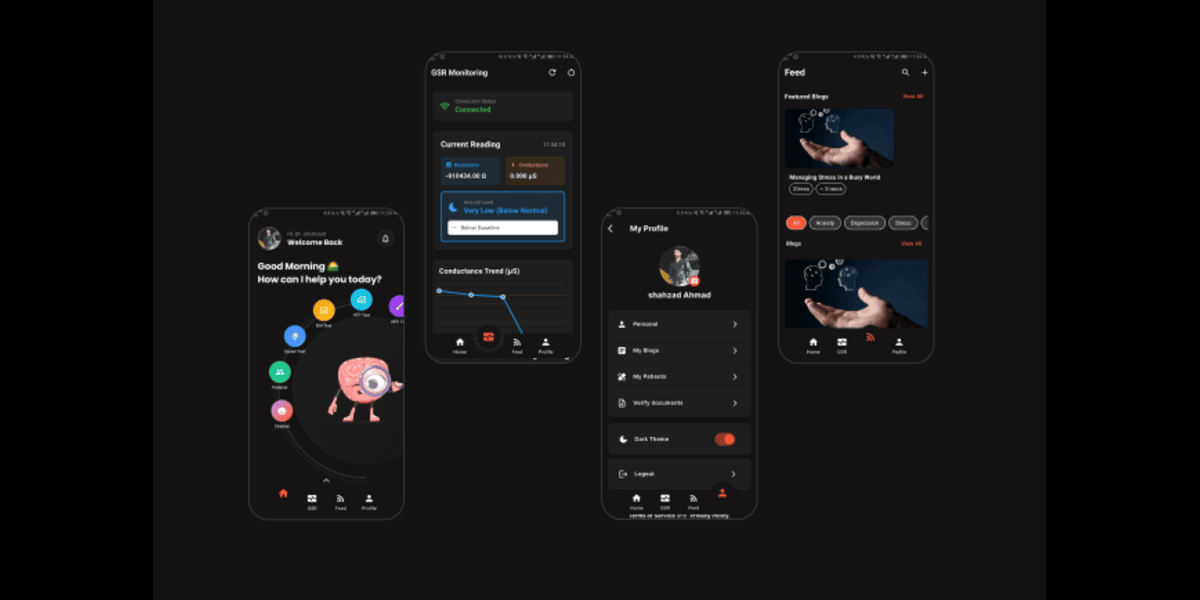
Soul Sketch: Revolutionizing psychological test through ai
Soul Sketch is an intelligent, cross-platform mobile application designed to digitize and streamline psycholog…
Supervisor: Mr. Hassan Sardar
AI POWERED FINANCE MANAGER
Project is Complete financial Advisor that allows adding income,adding expenses,see future predictions using L…
Supervisor: Mam Yusra Banaras
QisFlex: Interactive Quantum Computing Platform
We have developed a complete learning platform for Quantum Computing. It has courses, blogs and a custom Quant…
Supervisor: Dr. Saeed-ur-Rehman