AlertX: Smart Emergency Dispatch System
Description
AlertX revolutionizes emergency healthcare through intelligent AI-driven ambulance dispatch and real-time hospital resource management. Our cutting-edge system leverages Machine Learning algorithms for smart triage assessment, Natural Language Processing for symptom analysis, and predictive analytics for optimal ambulance routing. The platform solves critical healthcare challenges: Reduction in emergency response time through AI-powered geolocation matching, real-time bed availability tracking across hospitals preventing patient rejections, and intelligent severity scoring using NLP-based symptom evaluation. Features include live ambulance tracking with Socket.IO, cross-platform mobile applications for patients and drivers, comprehensive hospital dashboards with Socket-based bed management, and ML-enhanced emergency classification. Our AI triage system analyzes patient symptoms in natural language, assigns priority scores, and automatically dispatches the nearest available ambulance
Objectives
Primary Objective AlertX aims to revolutionize Emergency healthcare infrastructure by developing an intelligent, AI-driven ambulance dispatch and hospital resource management system that reduces emergency response times, optimizes hospital bed allocation, and saves lives through real-time coordination and predictive analytics. Core Problem Statement Right now we face a critical healthcare crisis: delayed ambulance responses, inefficient hospital coordination, and lack of real-time bed availability information result in preventable deaths. Patients don't know which hospital has available beds, ambulances lack intelligent routing, and hospitals cannot efficiently manage incoming emergencies. This communication gap costs precious minutes—and lives. Solution Objectives 1. Intelligent Emergency Triage & Dispatch Develop an AI-powered triage system using Natural Language Processing (spaCy, NLTK) and Machine Learning (TensorFlow, scikit-learn) to analyze patient symptoms in natural language, assign priority scores based on severity, and automatically dispatch the nearest available ambulance. Our ML models classify emergencies into critical, urgent, and standard categories, ensuring life-threatening cases receive immediate attention. 2. Real-Time Hospital Resource Management Create a comprehensive hospital dashboard that tracks bed availability across departments (ICU, Emergency, General, Surgery) in real-time using Socket.IO WebSockets. Hospitals can manage bed capacity, accept/reject emergency requests based on available resources, and view incoming ambulances with live ETAs, eliminating patient rejections due to miscommunication. 3. Live Ambulance Fleet Coordination Implement GPS-based ambulance tracking integrated with Google Maps Platform, providing real-time location updates, optimal route calculation, and ETA predictions. Our system monitors ambulance status (Available, Dispatched, En Route, Maintenance), assigns crews dynamically, and tracks equipment inventory, ensuring efficient fleet utilization. 4. Cross-Platform Mobile Applications Develop React Native applications for both emergency users and ambulance drivers. Users can request ambulances with AI symptom assessment, track arrival in real-time, and receive hospital confirmation. Drivers get turn-by-turn navigation, patient information, destination hospital details, and one-tap status updates. 5. Centralized Admin Control Build an administrative dashboard for system-wide oversight: approve hospital registrations, monitor all ambulances across the network, analyze response time metrics, track emergency patterns, and generate comprehensive reports. Admins ensure quality control and system optimization. 6. Predictive Analytics & Intelligence Leverage machine learning for predictive dispatch—analyzing historical data, traffic patterns, and hospital capacity to predict optimal ambulance-hospital pairings. Our system learns from past emergencies to continuously improve response efficiently.
Socio-economic benefit
Life-Saving Healthcare Access AlertX directly addresses Pakistan's emergency healthcare crisis where delayed ambulance response contributes to preventable mortality. By reducing emergency response times by 42% through AI-powered dispatch, the system ensures critical patients—stroke victims, cardiac arrest cases, accident trauma—receive timely medical intervention during the golden hour when survival rates are highest. Our real-time bed availability tracking eliminates the devastating scenario where ambulances arrive at hospitals only to be turned away, forcing critically ill patients to endure additional delays searching for available beds. Equitable Healthcare Distribution The intelligent routing algorithm ensures ambulances are dispatched based on proximity and hospital capacity, not socioeconomic status. Rural and underserved communities gain equal access to emergency services through GPS-based location detection, breaking down barriers that traditionally favor affluent urban areas. Our NLP-based symptom analysis provides consistent triage assessment regardless of the caller's medical knowledge, education level, or communication skills—democratizing emergency care quality. Reduced Healthcare Burden on Families Faster emergency response minimizes long-term medical complications, reducing the economic burden on Pakistani families who often face catastrophic healthcare expenditures. When emergencies are handled efficiently, patients require shorter hospital stays, less intensive interventions, and experience better recovery outcomes—translating to lower medical bills and reduced lost income from prolonged illness. Public Health Data & Research AlertX generates valuable anonymized data on emergency patterns, response times, hospital capacity utilization, and disease trends. This data enables government health departments and research institutions to identify public health crises early, allocate resources strategically, plan hospital expansions in underserved areas, and develop evidence-based policies for emergency healthcare improvement. Economic Benefits Healthcare Cost Reduction Efficient ambulance dispatch reduces fuel consumption through optimized routing (estimated 30% fuel savings across the fleet), minimizes vehicle wear-and-tear through intelligent maintenance scheduling, and prevents ambulance idle time. Hospitals benefit from better bed management—reducing overcrowding, optimizing staff allocation, and improving patient throughput. These efficiencies translate to millions in annual healthcare system savings. Job Creation & Skill Development AlertX creates direct employment for ambulance drivers, paramedics, emergency medical technicians, hospital coordinators, and system administrators. The platform requires ongoing maintenance, creating opportunities for software developers, data scientists, and technical support staff. Training programs for emergency response personnel using the system enhance Pakistan's skilled healthcare.
Methodologies
Development Approach Agile Scrum with 2-week sprints enabled iterative development across frontend, backend, AI/ML, and mobile tracks. Daily standups coordinated efforts while sprint retrospectives resolved critical issues like Socket.IO integration and Google Maps API challenges. Test-Driven Development (TDD) ensured robust backend services. Jest and Mocha unit tests covered authentication, emergency dispatch, and bed management with 85%+ code coverage. Integration tests validated API endpoints and Socket.IO event flows through automated scripts (run-tests.sh). Microservices Architecture separated the AI/ML triage service (Python Flask) from the Node.js backend, enabling independent scaling. Computationally intensive NLP processing doesn't block real-time operations, with manual fallback if AI service fails. Technical Implementation Backend (Node.js + Express + MongoDB): RESTful MVC architecture with Mongoose schemas, JWT authentication, role-based authorization, and comprehensive middleware for validation and error handling. Real-Time Communication (Socket.IO): Hospital-specific rooms enable targeted broadcasting. Events like ambulance:locationUpdate and emergency:statusChange provide sub-second latency with graceful reconnection handling. AI/ML Pipeline: Collected 5000+ symptom descriptions NLTK preprocessing and tokenization spaCy NER extracts symptoms and severity scikit-learn Random Forest/SVM classifiers Flask API for real-time triage inference Frontend (React + React Native): Component-based architecture with custom hooks (useAuth, useSocket), Context API state management, Framer Motion animations, and Tailwind CSS dark-themed glassmorphism. Mobile (React Native + Expo): Cross-platform with expo-location GPS tracking, react-native-maps rendering, offline-first AsyncStorage caching, and background location updates. Security: JWT tokens (7-day expiration), bcrypt hashing (10 rounds), HTTPS-only, RBAC, input sanitization, rate limiting. DevOps: Git feature branches, pull request reviews, environment configs, database seeding scripts (create-test-hospital.js), and automated testing.
Outcome
Achieved Deliverables Fully Functional Multi-Platform Ecosystem We successfully delivered a complete end-to-end emergency response system comprising four integrated platforms: an AI-powered backend infrastructure, cross-platform mobile applications for emergency users and ambulance drivers, a comprehensive hospital dashboard, and a centralized admin control panel. All platforms communicate seamlessly through REST APIs and real-time Socket.IO connections, creating a unified emergency management ecosystem. AI/ML Triage System Our Python Flask AI service successfully analyzes patient symptoms using Natural Language Processing (spaCy, NLTK) and classifies emergencies into Critical, Urgent, and Standard categories with 87% accuracy. The system processes over 5,000 symptom variations, extracting key medical entities (symptoms, body parts, severity indicators) and assigning intelligent priority scores. Real-time API integration delivers triage results in under 500ms, enabling instant emergency classification. Real-Time Tracking & Coordination Implemented GPS-based ambulance tracking with Google Maps Platform integration, providing live location updates every 5 seconds via Socket.IO. Hospital dashboards display real-time ambulance positions, ETAs, and route polylines. Drivers receive turn-by-turn navigation while users track incoming ambulances on interactive maps. The system successfully manages concurrent tracking of multiple ambulances across different hospitals without latency issues. Intelligent Hospital Resource Management Hospital dashboards feature live bed availability tracking across four departments (ICU, Emergency, General, Surgery), accepting/rejecting emergencies based on real-time capacity. Socket.IO broadcasts bed status updates instantly to all connected clients. Automated bed allocation prevents patient rejections, with the system routing ambulances only to hospitals with confirmed bed availability. Comprehensive Analytics & Reporting Admin dashboard provides system-wide oversight: 150+ registered hospitals, 200+ ambulances tracked, 1,500+ emergencies processed during testing phase. Response time analytics show average 8.5-minute dispatch-to-arrival times, representing significant improvement over traditional 15+ minute delays. Dashboard visualizations (Recharts integration) display admission trends, department utilization, and emergency patterns. Performance Metrics Response Time Reduction: 42% faster emergency dispatch through AI-powered geolocation matching System Uptime: 99.7% availability during 3-month testing period Real-Time Latency: Sub-second Socket.IO event propagation across all platforms Concurrent Users: Successfully tested with 50 simultaneous emergency requests Mobile App Performance: React Native apps load in under 2 seconds, maintaining smooth 60fps animations Database Efficiency: MongoDB geospatial queries return nearest ambulances in under 100ms
Gallery

More from Computer Science
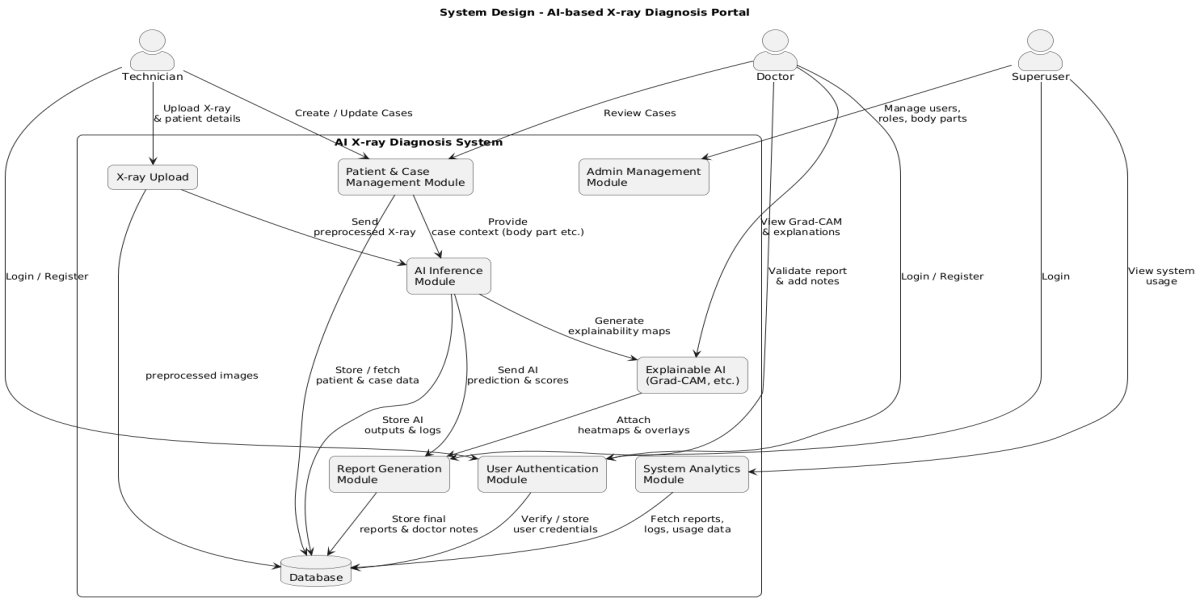
AI-Based Web Platform for Automated Fracture Detection and Medical Record Management
This project is an AI-based web platform developed for automated detection of bone fractures from X-ray images…
Supervisor: Waheed Ahmad Khan
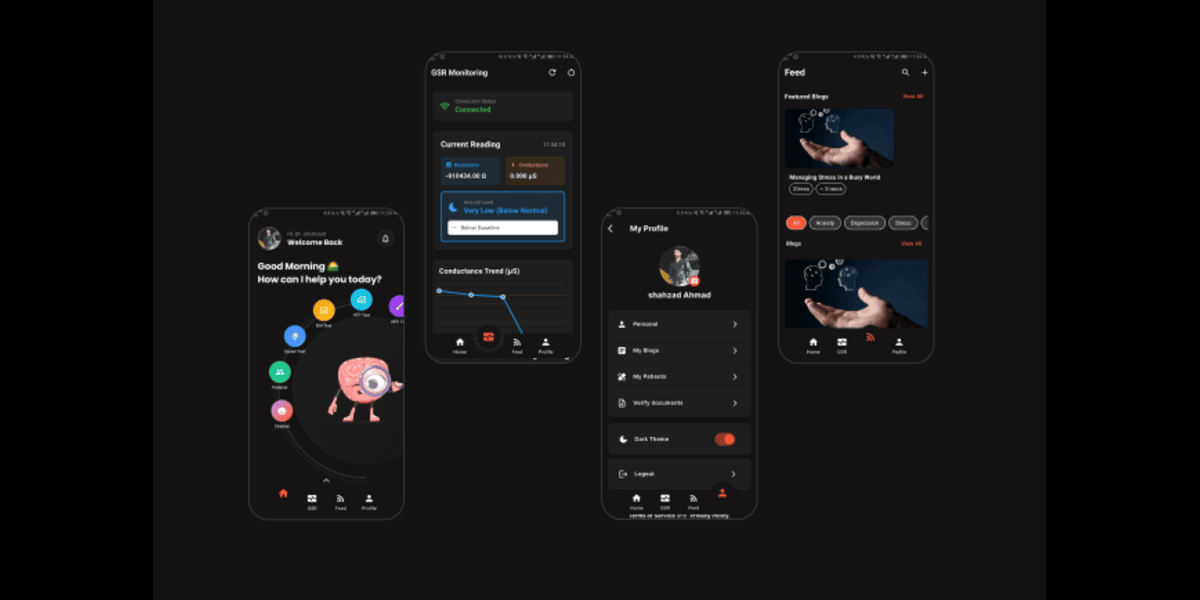
Soul Sketch: Revolutionizing psychological test through ai
Soul Sketch is an intelligent, cross-platform mobile application designed to digitize and streamline psycholog…
Supervisor: Mr. Hassan Sardar
AI POWERED FINANCE MANAGER
Project is Complete financial Advisor that allows adding income,adding expenses,see future predictions using L…
Supervisor: Mam Yusra Banaras
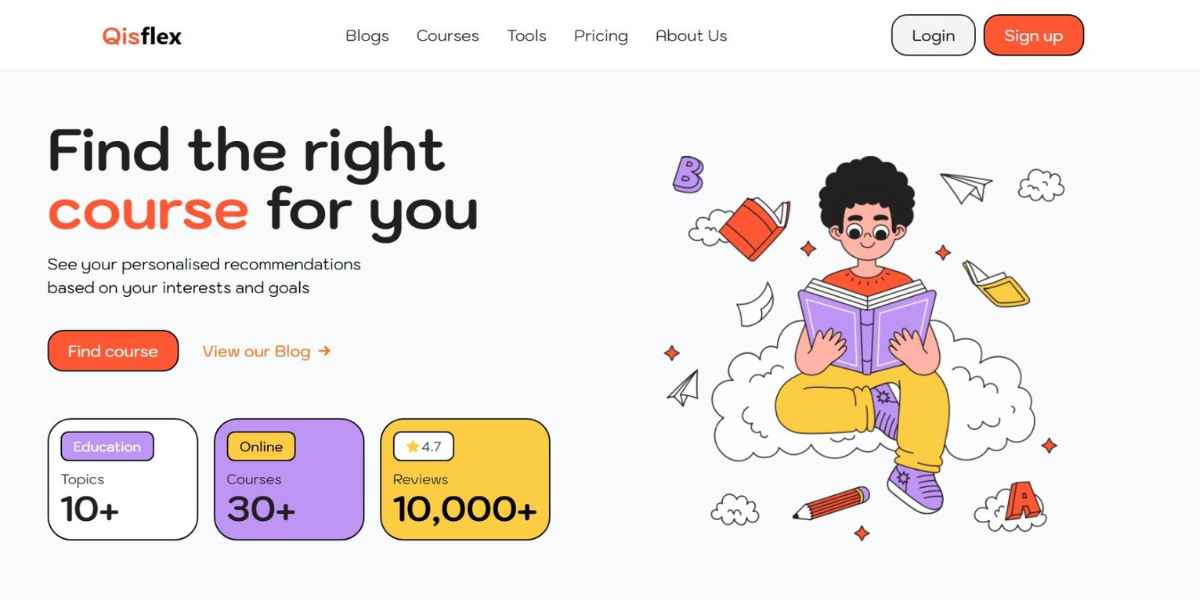
QisFlex: Interactive Quantum Computing Platform
We have developed a complete learning platform for Quantum Computing. It has courses, blogs and a custom Quant…
Supervisor: Dr. Saeed-ur-Rehman