OpportuNest - A nest of opportunities
Description
OpportuNest is a MERN-based internship management system that connects students, companies, supervisors, and administrators through a unified digital platform. Students can create profiles, upload CVs, and apply for internships, while companies post openings, review applications, and evaluate interns. Supervisors monitor progress, approve reports, and handle evaluations, and the admin manages verification, users, and system-wide operations. The system offers real-time job posting, application tracking, role-based dashboards, automated workflows, and secure document handling. By digitizing the entire internship lifecycle, OpportuNest improves transparency, accessibility, and efficiency for academic institutions and organizations.
Objectives
The primary objective of OpportuNest (A Nest of Opportunities) is to digitize and streamline the complete internship lifecycle within academic institutions by providing a unified, structured, and user-friendly platform for students, companies, supervisors, and administrators. The system aims to eliminate manual processes, reduce communication gaps, and ensure transparency and accountability across all stages of the internship process. The system enables students to easily explore internship opportunities, complete their profiles, upload academic documents, apply for relevant positions, and track their application status in real-time. It supports students in building professional portfolios and simplifies the pathway to career development. For companies, OpportuNest provides a dedicated space to post internship opportunities, review student applications, schedule interviews, generate offer letters, and evaluate intern performance. This helps organizations streamline their recruitment workflow and connect with verified, eligible students from the university. The system also empowers academic supervisors by enabling them to monitor student progress, approve applications, review weekly reports, evaluate performance, and ensure academic compliance throughout the internship duration. It strengthens coordination between faculty and industry partners. Administrators have full oversight of the system through tools that allow them to verify company accounts, manage users, oversee platform activity, and maintain system policies. This ensures platform integrity, security, and smooth operations. The major objectives include: • Digitizing the entire internship process from job posting to evaluation. • Providing an easy-to-use interface for students to find and apply for internships. • Enabling companies to manage internship postings, applications, and evaluations efficiently. • Supporting supervisors with tools for academic monitoring and performance assessment. • Facilitating real-time communication among all stakeholders. • Automating document workflows, including weekly reports, offer letters, and certificates. • Ensuring transparency, accountability, and standardized evaluation processes. • Maintaining a secure, scalable, and responsive system accessible across all devices. Through these objectives, OpportuNest aims to modernize the internship ecosystem, enhance student career readiness, reduce administrative workload, and foster stronger collaboration between industry and academia.
Socio-economic benefit
OpportuNest provides significant socio-economic value by creating a digital bridge between academic institutions and the industry. By streamlining the internship process, the system increases access to career opportunities and improves the employability of students, ultimately contributing to a more skilled workforce. This directly benefits society through higher job readiness, reduced unemployment, and better alignment between education and industry needs. For companies, the platform reduces recruitment costs and time by giving them access to pre-verified, qualified candidates. This encourages industry participation in academic training and strengthens the overall talent pipeline in the economy. As organizations find it easier to hire skilled interns, productivity increases and businesses—especially startups and SMEs—benefit from affordable, trained talent. The project also reduces administrative workload for universities, saving time, effort, and resources. Digital automation lowers paperwork, increases transparency, and minimizes human errors, enabling institutions to operate more efficiently. This contributes to overall institutional growth and better governance. In the long term, the system enhances collaboration between academia and industry, creating a more innovative, knowledge-driven society. By ensuring equal access to opportunities and supporting students from diverse backgrounds, OpportuNest promotes inclusivity and social development. Improved career guidance and structured internship tracking help students move toward stable careers, improving their financial stability and contributing positively to national socioeconomic progress.
Methodologies
The development of OpportuNest followed a structured methodology to ensure correctness, efficiency, and successful implementation of the internship management system. The project used a combination of requirement analysis, system design, software engineering principles, and modern web development practices to build a scalable and user-friendly platform. The methodology began with Requirement Analysis, where functional and non-functional requirements were gathered for students, companies, supervisors, and administrators. This ensured clarity on system goals, core features, and user expectations. Next, System Modeling was done using Data Flow Diagrams (DFDs) and process modeling tools. These diagrams helped visualize how data moves between users, processes, and the database, ensuring accuracy before implementation. Models included Level 0, Level 1, and Level 2 DFDs, which provided progressively detailed views of system operations. For the design phase, the project applied Structured Systems Analysis and Design Method (SSADM) and web engineering practices. This included designing the architecture, database schema, and three separate dashboards for Students, Companies, and Admins. The structured approach ensured modularity, maintainability, and clear separation of concerns. The system was developed using the MERN stack (MongoDB, Express.js, React.js, Node.js). This technology choice enabled fast development, reusable components, real-time updates, and strong API-driven communication between frontend and backend. The backend followed REST API principles, and the frontend used component-based design for responsiveness and scalability. Testing and Validation were performed throughout the development process, including unit testing of components, integration testing between APIs and UI, and final user acceptance testing to ensure all modules worked as intended. The methodology emphasized reliability and smooth user experience across all roles. Finally, the system was deployed using cloud-based hosting services, ensuring accessibility and real-world usability. Documentation and evaluation were completed according to institutional FYP standards.
Outcome
the OpportuNest system successfully achieved its goal of creating a digital, centralized, and user-friendly platform for managing the complete internship lifecycle within the university. The project resulted in a fully functional MERN-based web application that provides dedicated dashboards for Students, Companies, Supervisors, and Administrators, ensuring smooth coordination and transparency across all stages of the internship process. The platform enables students to build profiles, upload documents, search opportunities, apply for internships, and track their progress seamlessly. Companies can register, post positions, view applicants, conduct evaluations, and manage internship offers efficiently. Supervisors are able to monitor student activities, approve weekly reports, and submit performance evaluations through a structured workflow. Administrators gained full oversight of the system, including user verification, policy enforcement, application monitoring, and platform management. This centralized control has reduced manual workload and improved operational efficiency for the internship office. The project also delivered a well-structured database schema, clear data flow diagrams (Level 0–2), and modular APIs that ensure scalability and maintainability. The use of React and Tailwind improved UI responsiveness, while Node.js and Express ensured secure and stable backend operations. Overall, the final system enhances industry–academia collaboration, reduces paperwork, minimizes errors, and improves accessibility for all stakeholders. The outcome is a reliable, automated, and future-expandable internship management solution that meets institutional requirements and provides a solid foundation for real-world deployment.
Gallery


More from Computer Science
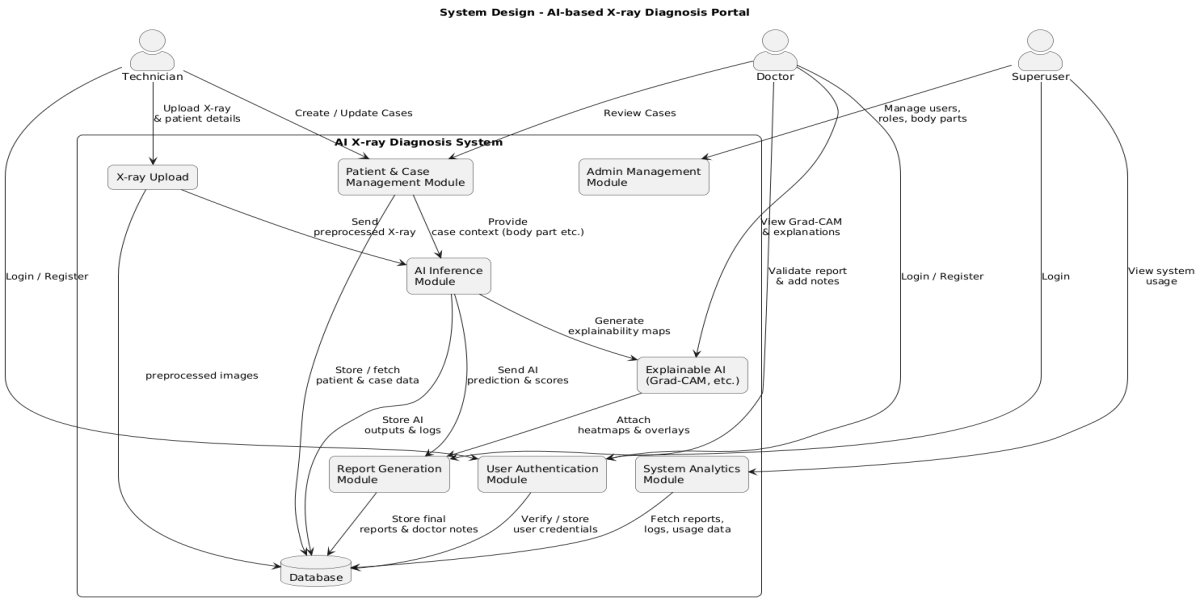
AI-Based Web Platform for Automated Fracture Detection and Medical Record Management
This project is an AI-based web platform developed for automated detection of bone fractures from X-ray images…
Supervisor: Waheed Ahmad Khan
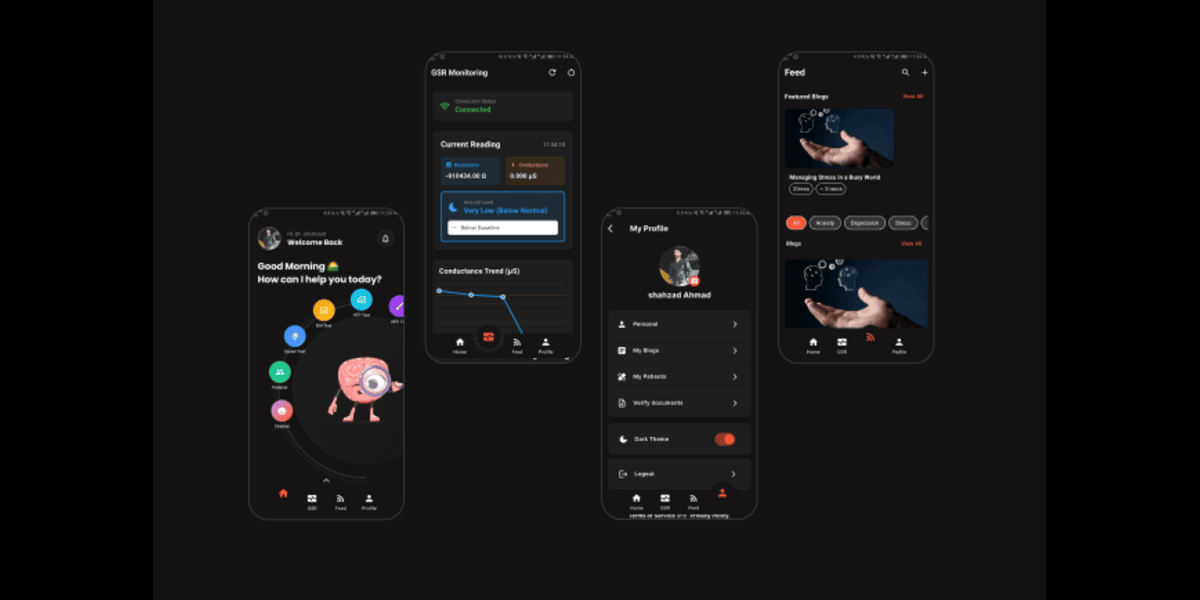
Soul Sketch: Revolutionizing psychological test through ai
Soul Sketch is an intelligent, cross-platform mobile application designed to digitize and streamline psycholog…
Supervisor: Mr. Hassan Sardar
AI POWERED FINANCE MANAGER
Project is Complete financial Advisor that allows adding income,adding expenses,see future predictions using L…
Supervisor: Mam Yusra Banaras
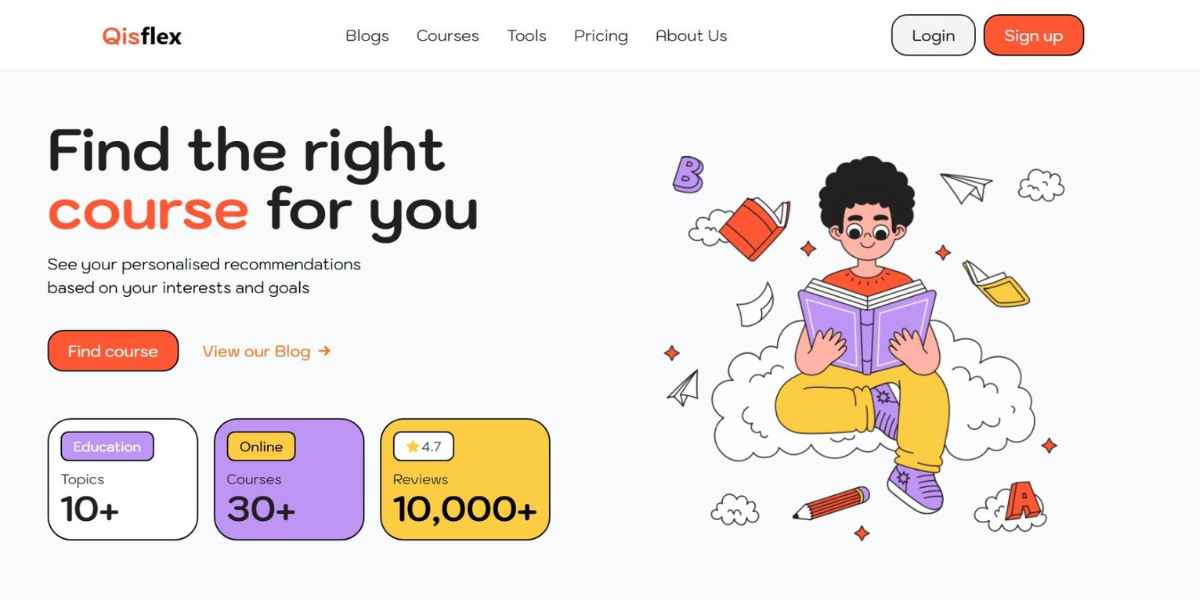
QisFlex: Interactive Quantum Computing Platform
We have developed a complete learning platform for Quantum Computing. It has courses, blogs and a custom Quant…
Supervisor: Dr. Saeed-ur-Rehman