ASSIST Network Windows Service
Description
ASSIST is a decentralized peer-to-peer Windows Service designed for secure, automated network management in offline LAN environments. It enables real-time peer discovery, event-based application synchronization, encrypted node communication, and remote power management including shutdown and Wake-on-LAN. The system runs continuously in the background and provides a GUI through a system-tray TSR application for monitoring and control. It ensures automation, fault tolerance, and reliability across distributed networks without requiring a central server.
Objectives
The objective of the ASSIST system is to develop a decentralized, distributed, and peer-to-peer network management solution for wired LAN environments. The system aims to enable autonomous peer discovery, secure communication, and event-triggered automation without relying on a central controller. It provides synchronized application startup, remote power management capabilities such as shutdown and Wake-on-LAN, and a user-friendly GUI for monitoring nodes. The goal is to offer a reliable, scalable, and automated network management tool that reduces manual workload, enhances operational efficiency, and ensures continuous background execution across all network nodes.
Socio-economic benefit
ASSIST improves operational efficiency in environments where centralized tools are expensive, impractical, or restricted due to security policies. It helps educational labs, secure facilities, and industrial units automate system management and reduce downtime. Remote control features reduce physical effort, save electricity, and enhance coordination. The decentralized architecture avoids costly server hardware and ensures continued functioning even if some nodes fail, making it an economical and resilient solution for local networks.
Methodologies
The system follows a modular, event-driven, peer-to-peer architecture. A Windows Service manages background operations such as peer discovery, event monitoring, and communication. Node interactions use IPC and encrypted message exchange. The TSR GUI interacts with the service to allow user-initiated actions. UML-based design including class diagrams, use-case diagrams, state machines, and sequence diagrams guide implementation. Testing includes functional, behavioral, integration, and peer-response validation. Configuration files (JSON) define triggers and application rules for synchronized automation.
Outcome
ASSIST successfully implements a decentralized autonomous network management system supporting peer discovery, event-triggered responses, secure communication, and remote power management. It provides real-time node monitoring through a TSR interface, executes predefined triggers, handles remote shutdown and Wake-on-LAN commands, and maintains system logs for auditing. The final outcome is a fully functional, scalable, and reliable Windows Service capable of managing distributed LAN environments without internet or central server dependency.
Gallery


More from Computer Science
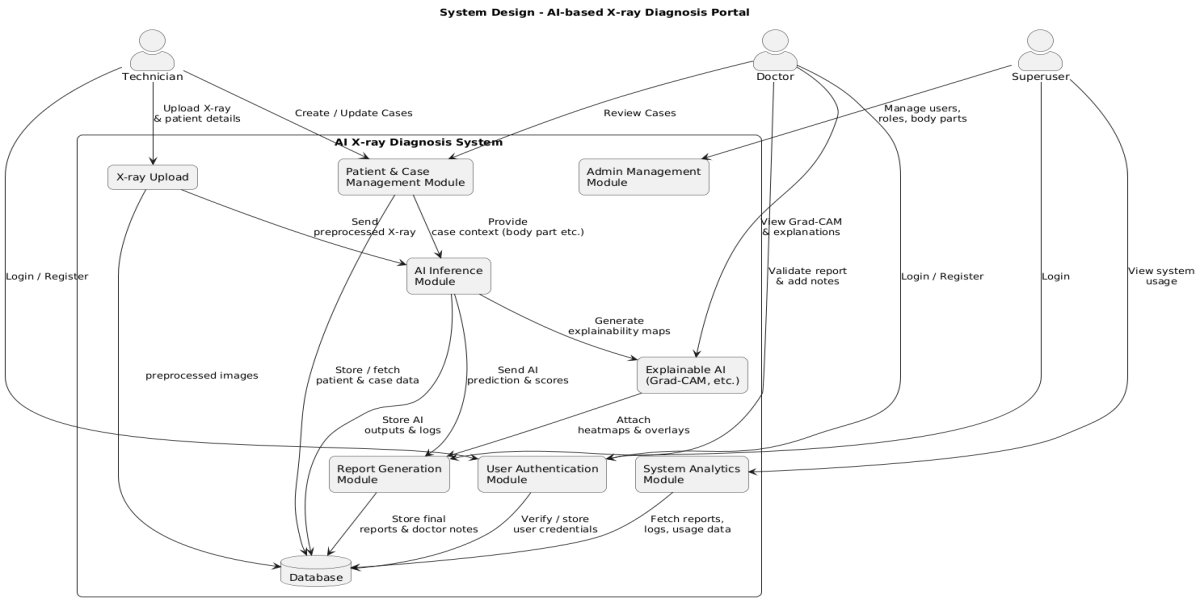
AI-Based Web Platform for Automated Fracture Detection and Medical Record Management
This project is an AI-based web platform developed for automated detection of bone fractures from X-ray images…
Supervisor: Waheed Ahmad Khan
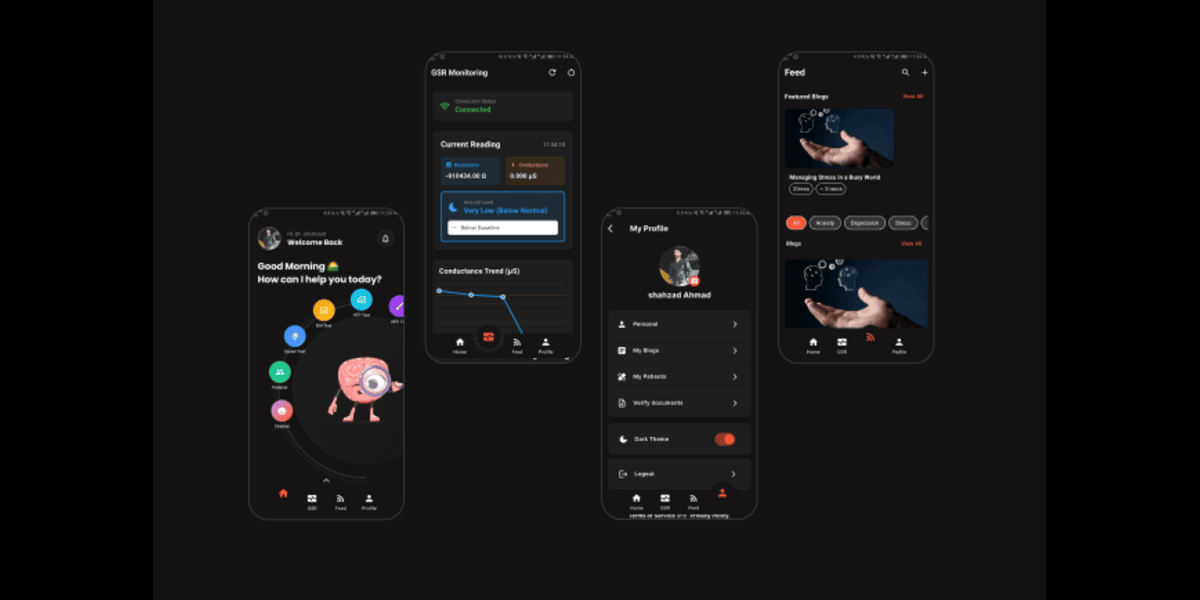
Soul Sketch: Revolutionizing psychological test through ai
Soul Sketch is an intelligent, cross-platform mobile application designed to digitize and streamline psycholog…
Supervisor: Mr. Hassan Sardar
AI POWERED FINANCE MANAGER
Project is Complete financial Advisor that allows adding income,adding expenses,see future predictions using L…
Supervisor: Mam Yusra Banaras

QisFlex: Interactive Quantum Computing Platform
We have developed a complete learning platform for Quantum Computing. It has courses, blogs and a custom Quant…
Supervisor: Dr. Saeed-ur-Rehman