Seeing The Unseen
Description
Seeing the Unseen is an assistive mobile application that empowers visually impaired people to become more independent in perceiving and acting within the real world. The application translates real-world information, using cutting-edge technologies such as object detection, OCR, person identification, currency recognition, task management, and Surrounding Description, and relays this back to the user through audio feedback to make daily tasks easier and more accessible.
Objectives
•To develop a smart and accessible mobile application to improve the daily life of blind and visually impaired individuals. •To help users in home environments through the identification of household items, reading labels, and recognizing currency and familiar people. •To help users outdoors with real-time object detection and reading of public signs or boards to navigate more safely. •It also enhances independence in workplace settings, as users can read printed materials and perform financial transactions with ease. •To assist in educational activities by allowing users to read books, notes, handouts, and other printed or handwritten study materials. •Offering an affordable solution that integrates several assistive features within a single application. •To eliminate the need for numerous different separate tools or expensive smart glasses by offering a more affordable alternative. •To empower the visually impaired to conduct everyday tasks independently through voice-based creation and deletion of tasks. •To provide real-time object questioning and environmental awareness through the Vision module, helping users understand both the object in front of them and the surrounding context for safety.
Socio-economic benefit
•Improves independence of visually impaired individuals, reducing reliance on family members and caregivers. •Enhances access to education by enabling easy reading of books, notes, and learning materials. •Increases employment opportunities by supporting workplace accessibility, task management, and document reading. •Reduces long-term economic burden by minimizing the need for multiple expensive assistive devices. •Promotes social inclusion by enabling active participation in social and public activities. •Improves safety and mobility through real-time environmental awareness and navigation support. •Bridges the digital divide by providing affordable and inclusive AI-based assistive technology. •Contributes to overall economic productivity by empowering persons with disabilities to become self-reliant.
Methodologies
•Adopted a user-centered design approach by focusing on the needs of blind and visually impaired users. •Used Artificial Intelligence and Machine Learning models for object detection, text recognition (OCR), face recognition, and currency identification. •Implemented offline AI processing to ensure core functionalities work without internet connectivity. •Integrated online services for enhanced voice assistance and extended features when connectivity is available. •Followed a modular system architecture, separating detection modules such as object detection, OCR, currency detection, and person identification. •Utilized voice-based interaction to enable hands-free control and feedback. •Employed mobile application development methodologies to ensure performance, accessibility, and usability. •Conducted functional testing and usability testing to validate accuracy, reliability, and user experience. •Ensured security and privacy measures, including secure authentication and controlled data handling. Methodology Alignment Agile Approach: •Iterative development focusing on user feedback at each sprint. •Continuous testing and deployment of modules to ensure usability and reliability. •Modular design supports incremental feature delivery, ideal for visually impaired users' needs.
Outcome
•Developed a smart, accessible mobile application that assists blind and visually impaired users in daily activities. •Enabled independent navigation and interaction through voice-based, hands-free control. •Achieved accurate object detection, OCR, currency identification, and person recognition using AI/ML models. •Ensured offline functionality, allowing core features to work without internet connectivity. •Improved access to education and information by enabling users to read books, notes, and printed text. •Delivered a secure, modular, and user-friendly system with reliable performance and scalability.
Gallery


More from Computer Science
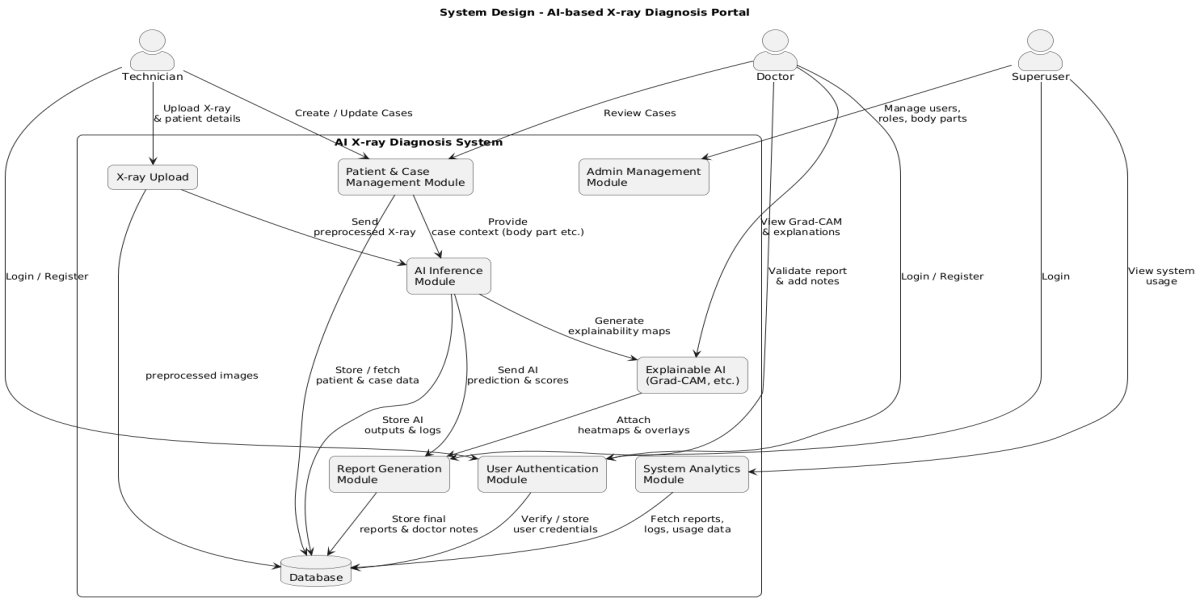
AI-Based Web Platform for Automated Fracture Detection and Medical Record Management
This project is an AI-based web platform developed for automated detection of bone fractures from X-ray images…
Supervisor: Waheed Ahmad Khan
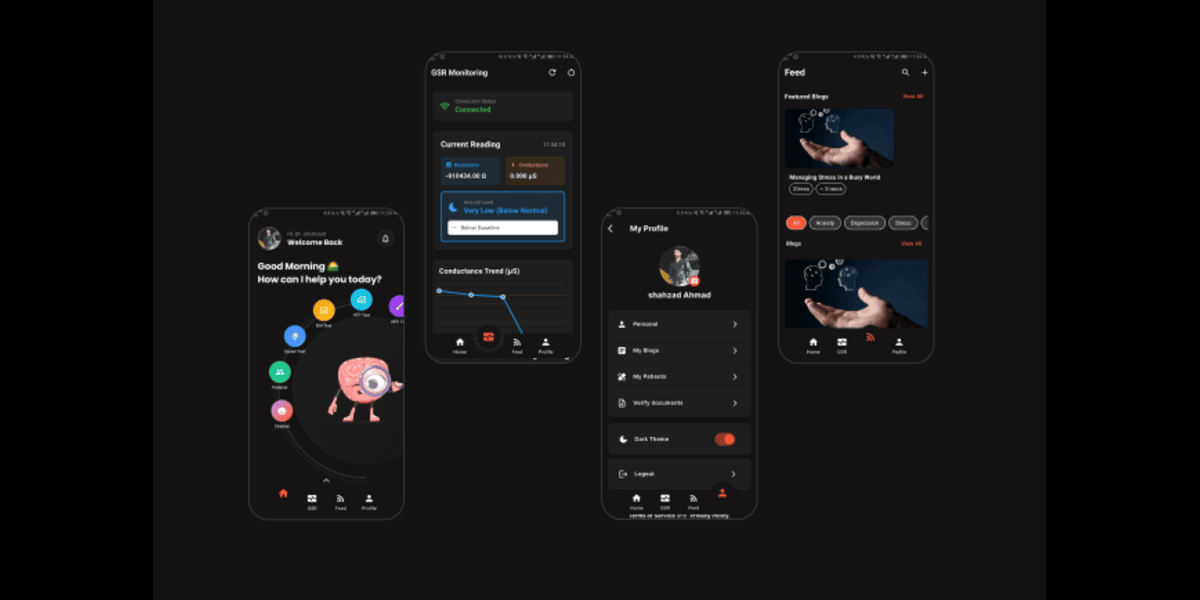
Soul Sketch: Revolutionizing psychological test through ai
Soul Sketch is an intelligent, cross-platform mobile application designed to digitize and streamline psycholog…
Supervisor: Mr. Hassan Sardar
AI POWERED FINANCE MANAGER
Project is Complete financial Advisor that allows adding income,adding expenses,see future predictions using L…
Supervisor: Mam Yusra Banaras
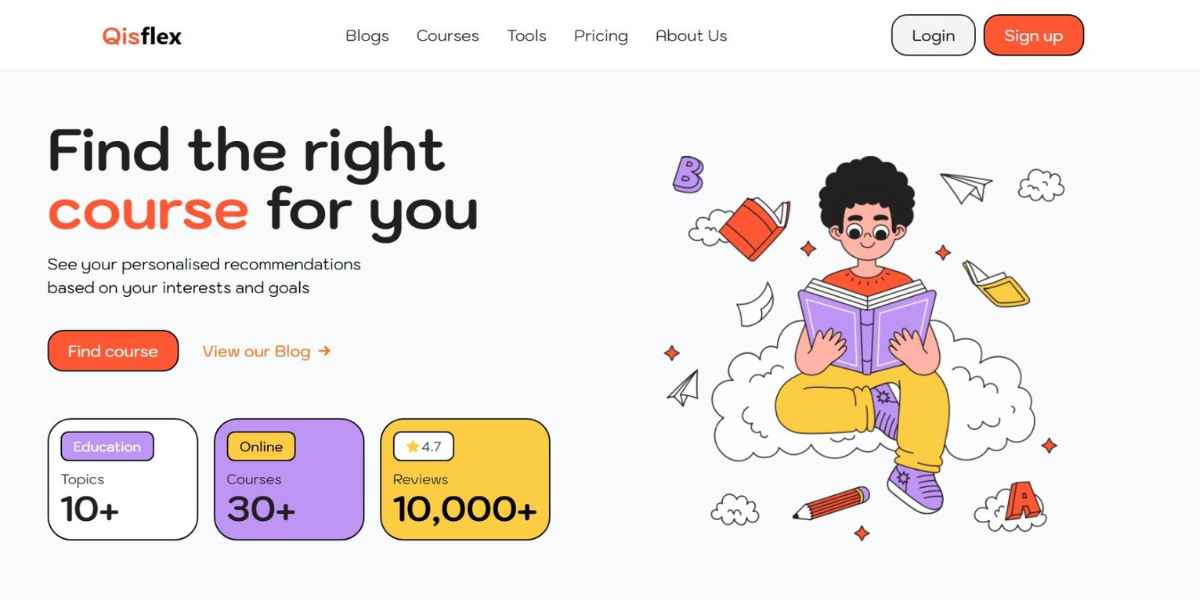
QisFlex: Interactive Quantum Computing Platform
We have developed a complete learning platform for Quantum Computing. It has courses, blogs and a custom Quant…
Supervisor: Dr. Saeed-ur-Rehman