Experimental estimation of drag parameters for different shapes
Description
With the growth of technology and automotive development, drag force have become more challenging. Our Final Year Project aims to experimentally determine the drag parameters of various shapes using a wind tunnel to improve the understanding of aerodynamic behavior and support design optimization across multiple engineering fields. The project will focus on a series of controlled experiments to measure the aerodynamic forces acting on geometrically distinct models under various wind conditions.
Objectives
Project Objective: • Comparison of drag forces for different shapes. • Analyzing experimental data and comparing results with theoretical and simulation results.
Socio-economic benefit
Our FYP contributes to the field of aerodynamics by discovering how different shapes behave under various airflow conditions. This can lead to innovative designs and technologies in various industries. By understanding and minimizing the drag of different shapes, industries can develop more fuel-efficient vehicles and structures. This reduces operational costs and saves resources, leading to economic savings and competitive advantages in the market. Reducing drag relates directly with decreased energy consumption and lower emissions.
Methodologies
To testing physical experiment using wind tunnel. Design and fabricate scale models of several shapes, including updated bodies. Conduct tests in a wind tunnel, adjusting variables such as wind speed and angle of attack to analytically measure the impact on drag. Use sensors and data achievement systems to capture details on airflow velocity, pressure distribution, and force dynamics. Analyze the data using geometric methods. To simulate wind tunnel experiments in ANSYS: Generate 3D CAD models of shapes. Import models into ANSYS Fluent or ANSYS CFD. Specify flow conditions, boundaries, and material properties. Run simulations to forecast drag coefficients and flow behavior. Validate simulated outcomes against experimental data for accuracy. And then compare theoretical and experimental data.
Outcome
Collection of real-world data on drag forces acting on various shapes under different conditions. Comparison and validation (or refutation) of theoretical aerodynamics models with experimental data. Potential development or refinement of computational models for predicting aerodynamic drag. Insights gained may lead to recommendations for optimizing designs in engineering applications. Improvement of technical skills in experimental methods, data analysis, and computational modeling
Gallery

More from Mechanical Engineering
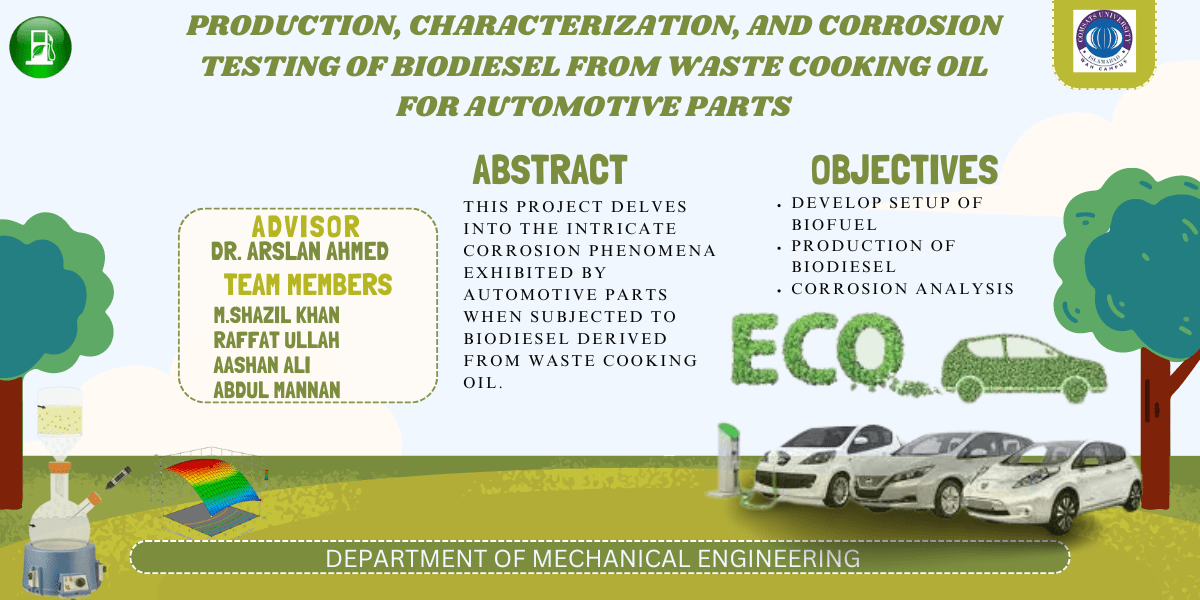
PRODUCTION, CHARACTERIZATION, AND CORROSION TESTING OF BIODIESEL FROM WASTE COOKING OIL FO…
With the growing population and escalating energy demands, the traditional reliance on fossil fuels poses sign…
Supervisor: Dr. Arslan Ahmed
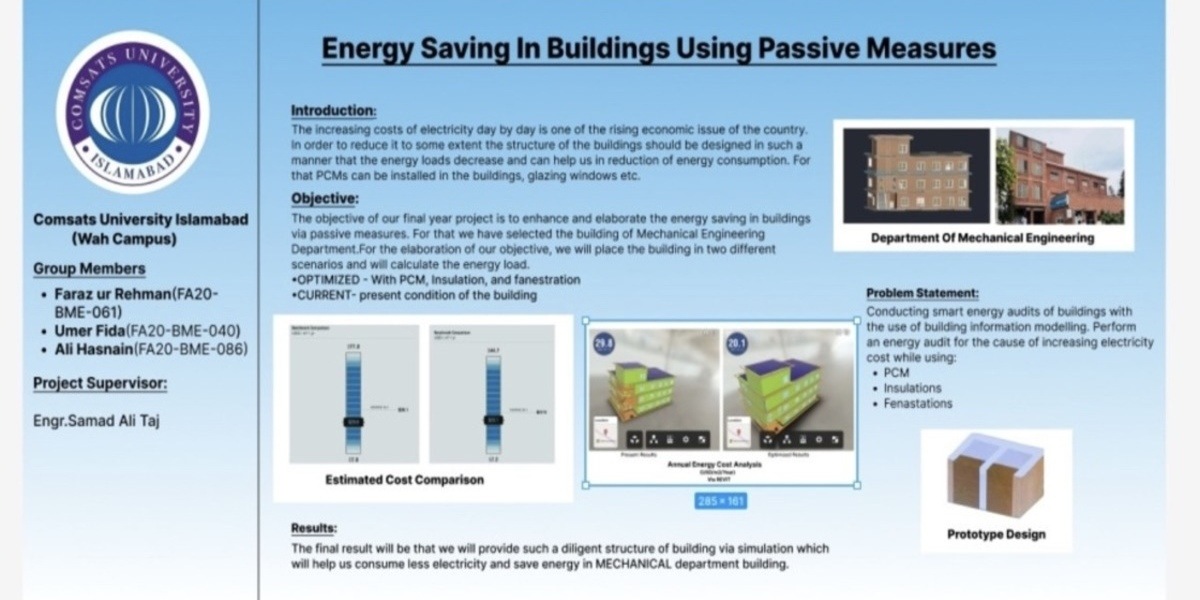
Energy Saving In Building Envelope Using Passive Measures
In this era, the world is heading towards energy saving as it is the need of the hour due to its increasing hi…
Supervisor: Engr. Sir Samad Ali Taj
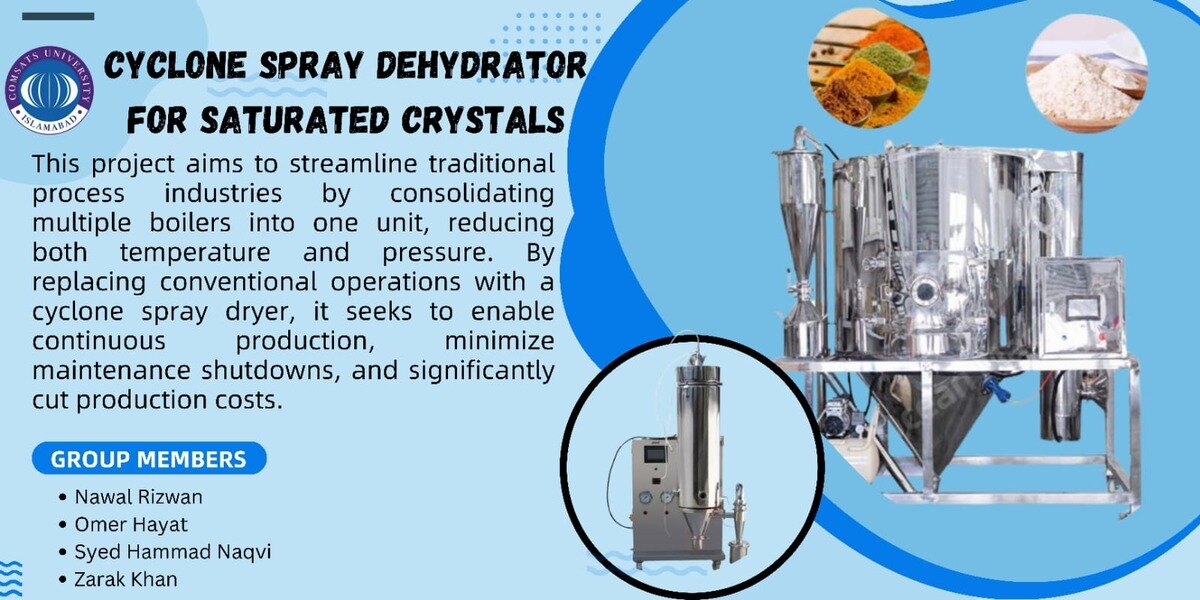
Cyclone Spray Dehydrator for Saturated Crystals
A transformative project for the sugar industry proposes consolidating boilers, reducing temperature and press…
Supervisor: Dr. Shoaib Naseem

Design And Fabrication Of Air Breathing Ionic Thruster
Our mission is to craft an air-breathing ion thruster that outshines traditional wings in power efficiency. We…
Supervisor: Dr. Shoaib Nasseem