Objectives
Objectives of the Suspicious Activity Detection System (SADS):
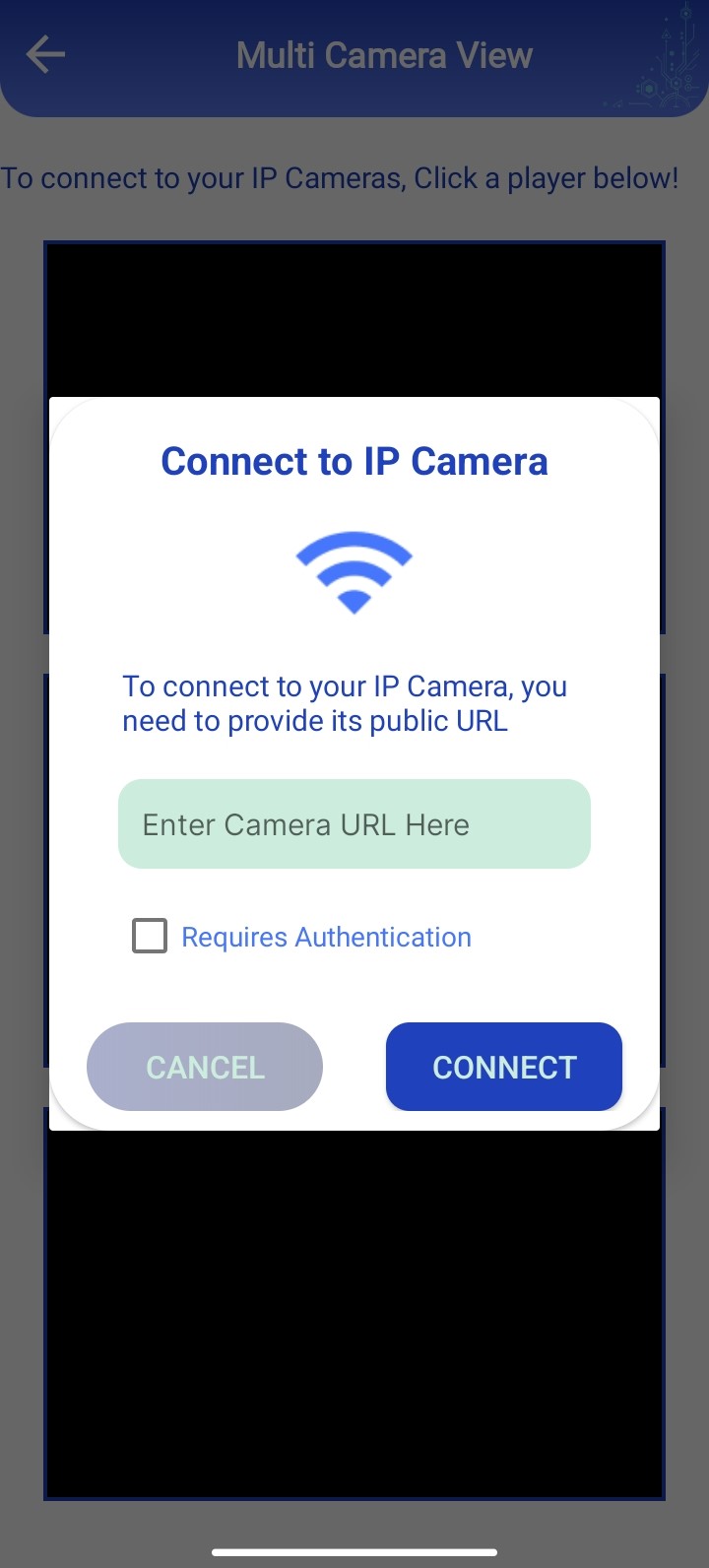
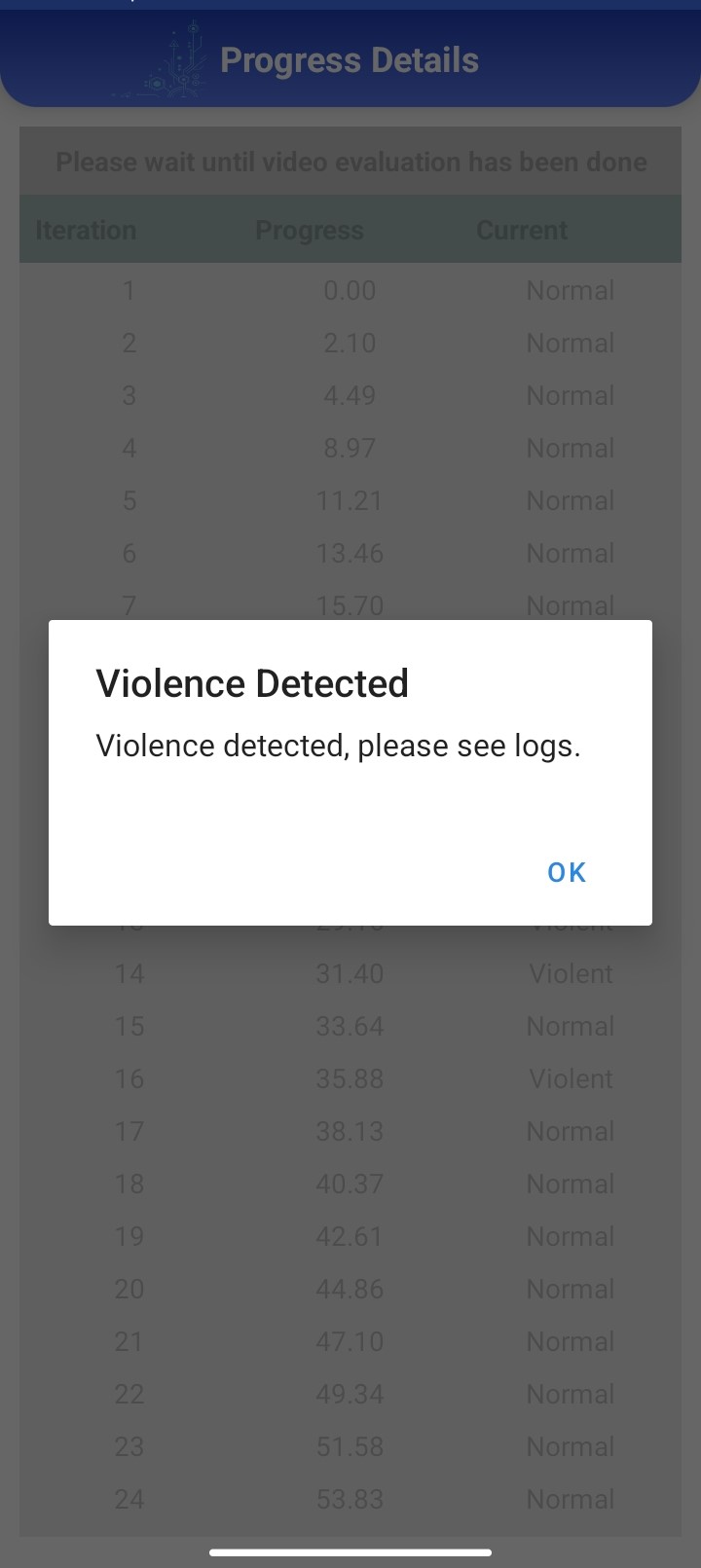
• Implement an Android-based security system leveraging the YOLOv8 object detection model and dense Net model to ensure real-time monitoring of live video feeds.
• Create a User-friendly interface for alert generation, configuration management, and seamless integration capabilities.
• Minimize response times to security incidents, contributing to the prevention of security breaches and enhancing overall safety.
• Empower users with a dedicated mobile application for real-time information, allowing swift and informed actions during security incidents.
• Provide a comprehensive and user-friendly security solution applicable to residential homes, commercial businesses, and public spaces.
Socio-Economic Benefit
The Suspicious Activity Detection System (SADS) holds significant socio-economic benefits, contributing to enhanced security measures and fostering a safer environment for communities and critical infrastructure.
Firstly, by proactively detecting suspicious activities in real-time, SADS enables authorities to respond swiftly, mitigating potential threats and reducing the likelihood of security breaches. This proactive approach can prevent various crimes, including theft, vandalism, and terrorism, thus safeguarding public safety and instilling confidence among residents, visitors, and businesses.
Moreover, the implementation of SADS can lead to a reduction in crime rates and associated costs. By deterring criminal activities through increased surveillance and timely intervention, communities may experience lower instances of property damage, loss of assets, and personal harm. This, in turn, can alleviate the financial burden on law enforcement agencies, insurance providers, and affected individuals, leading to potential cost savings in terms of investigation, recovery, and compensation.
Furthermore, the deployment of SADS can enhance the efficiency of security operations and resource allocation. By automating the detection process and prioritizing alerts based on threat severity, authorities can optimize their response efforts, allocating personnel and resources where they are most needed. This optimized resource allocation can lead to improved utilization of manpower and equipment, reducing operational costs while maximizing the effectiveness of security measures.
Overall, the Suspicious Activity Detection System offers a multifaceted solution to security challenges, providing tangible socio-economic benefits through enhanced safety, reduced crime rates, optimized resource allocation, and improved resilience of critical infrastructure. By leveraging advanced technology and proactive measures, SADS contributes to the creation of resilient, prosperous, and secure communities in the digital age.
Methodologies
Here are some methodologies used in Suspicious Activity Detection System (SADS):
1-Machine Learning: SADS would leverage machine learning algorithms for anomaly detection. Supervised learning algorithms could be used for training the system on labelled datasets of normal and suspicious activities, while unsupervised learning methods like clustering or outlier detection could help identify anomalies in real-time data.
2-Computer Vision: Utilizing computer vision techniques, SADS would analyze video feeds to detect suspicious behaviors or objects. This may involve object detection, tracking, and behavior recognition algorithms to identify abnormal activities.
3-Real-time Processing: SADS would need to process data streams in real-time to enable timely detection and response. Real-time processing methodologies such as stream processing or complex event processing (CEP) would be used to analyze data as it arrives and generate alerts promptly.
4-Continuous Improvement: Continuous improvement methodologies like agile development or iterative model development would be employed to refine and enhance the system over time. This may involve collecting feedback from users, monitoring system performance, and iteratively updating algorithms or features to improve detection accuracy and efficiency.
5-Iterative Development: The development of SADS would proceed iteratively, with each iteration focusing on delivering a working increment of the system's functionality. This iterative approach allows for continuous feedback from stakeholders, enabling adjustments and refinements to be made throughout the development process based on user input and changing requirements.
Outcome
The outcomes of the Suspicious Activity Detection System (SADS) include:
1-Enhanced Security: SADS improves security by proactively detecting and mitigating suspicious activities, reducing the risk of security breaches, theft, vandalism, and terrorism.
2-Reduced Crime Rates: By deterring criminal activities through increased surveillance and timely intervention, SADS contributes to lower instances of property damage, loss of assets, and personal harm, leading to reduced crime rates.
3-Cost Savings: SADS helps alleviate the financial burden on law enforcement agencies, insurance providers, and affected individuals by minimizing the costs associated with investigation, recovery, and compensation for security incidents.
4-Optimized Resource Allocation: The system optimizes resource allocation by automating the detection process and prioritizing alerts based on threat severity, leading to improved utilization of manpower and equipment and reducing operational costs.
5-Resilience of Critical Infrastructure: SADS enhances the resilience of critical infrastructure and key facilities by continuously monitoring sensitive areas and detecting potential security breaches that may pose risks to public safety and national security.
6-Socio-economic Benefits: The project contributes to socio-economic development by fostering a safer environment, attracting investment, stimulating economic growth, and enhancing the overall quality of life for residents and visitors.
Overall, the outcomes of the SADS project include improved security, reduced crime rates, cost savings, optimized resource allocation, enhanced resilience of critical infrastructure, and socio-economic benefits for communities.