Channel Routing With The Implementation of AI
Description
This project explores the integration of artificial intelligence into river channel routing to enhance water resource management. By analyzing environmental data such as discharge, temperature, and precipitation, the AI model improves forecasting accuracy, reduces human intervention, and supports sustainable planning for flood control, irrigation, and ecosystem preservation.
Objectives
The primary objective of this project is to enhance the management of river systems through the integration of artificial intelligence. It aims to improve flood control, irrigation scheduling, and hydropower planning by creating a predictive model based on environmental data such as precipitation, temperature, and river discharge. Additionally, the project seeks to support aquatic ecosystem health, improve water quality monitoring, and enable efficient water rerouting for both conservation and agricultural needs. By automating data analysis and decision-making processes, the project also aims to reduce human dependency and increase the efficiency and responsiveness of water resource management systems.
Socio-economic benefit
This project offers significant socio-economic advantages by reducing the risks and damages associated with floods, which disproportionately affect vulnerable communities. By improving the accuracy and timeliness of flood prediction, it supports safer urban planning and disaster preparedness. Enhanced irrigation management can lead to more stable agricultural output, benefiting rural economies and food security. The adoption of AI also introduces smart infrastructure practices, promoting employment in tech-integrated water management sectors. Overall, the project contributes to climate adaptation and resilience while advancing equitable access to clean and sustainable water resources.
Methodologies
The project begins with the collection of environmental data including discharge, temperature, and precipitation values from reliable sources. This data is cleaned, analyzed, and structured using Excel. QGIS is used to visualize spatial data and map hydrological features, while Python is employed to develop and train the AI model using machine learning algorithms. The model's predictions are then validated against historical records to assess accuracy. Comparative analyses are conducted between the AI model outputs and traditional hydrologic methods to evaluate performance improvements. Finally, the results are documented and prepared for dissemination to relevant stakeholders or development authorities for potential implementation.
Outcome
The expected outcome of the project is a reliable, AI-powered channel routing system that can process real-time and historical environmental data to forecast river behaviors with high accuracy. The system will serve as a decision-support tool for water management authorities, helping them plan for floods, allocate irrigation water efficiently, and maintain ecological balance. It will also result in a reduced reliance on manual data handling and outdated modeling techniques. The outcome includes a working prototype built with QGIS for spatial analysis, Excel for data structuring, and Python for AI modeling—demonstrating a scalable and adaptive solution for water infrastructure management.
Gallery

More from Civil Engineering
Influence of Crumb Rubber as a Partial Replacement of Sand on the Mechanical Properties of…
This project investigates the use of crumb rubber, derived from recycled waste tires, as a partial replacement…
Supervisor: Raja Tasaddiq
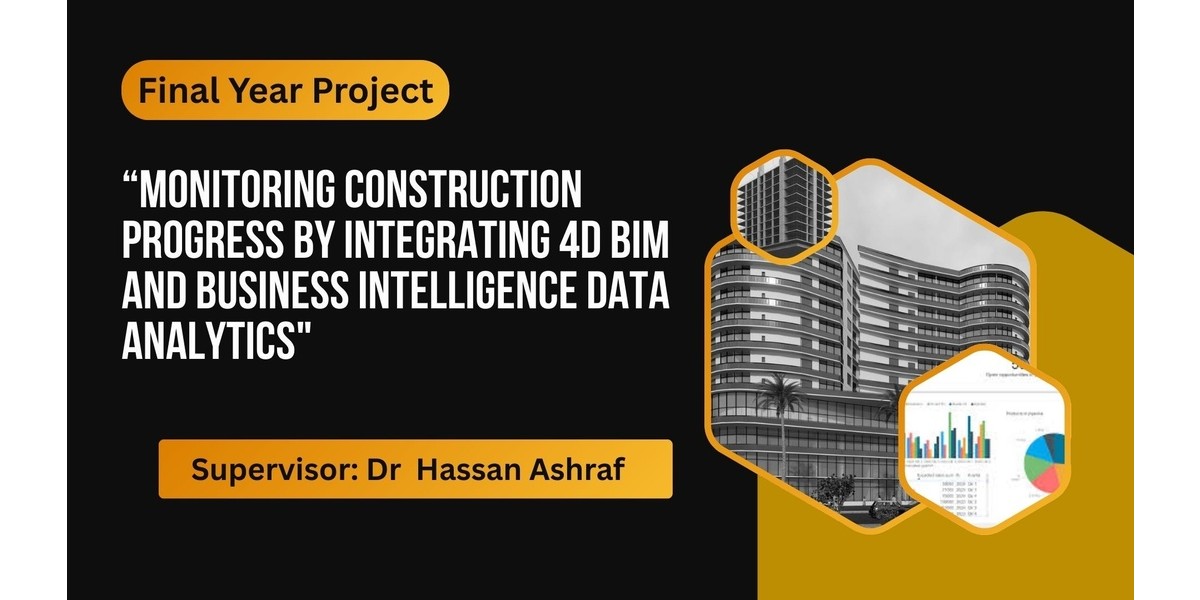
Monitoring Construction Progress by Integrating 4D BIM and Business Intelligence Data Anal…
Modern construction projects face increasing complexity due to growing client demands, stakeholder expectation…
Supervisor: Dr. Hassan Ashraf

DURABILITY ASSESSMENT OF CONCRETE INCORPORATING RECYCLED E-PLASTICS & GNMPs
Our project titled "Durability Assessment of Concrete Incorporating Recycled E-plastics & GNMPs (Graphite Nano…
Supervisor: Dr. Rana Faisal Tufail
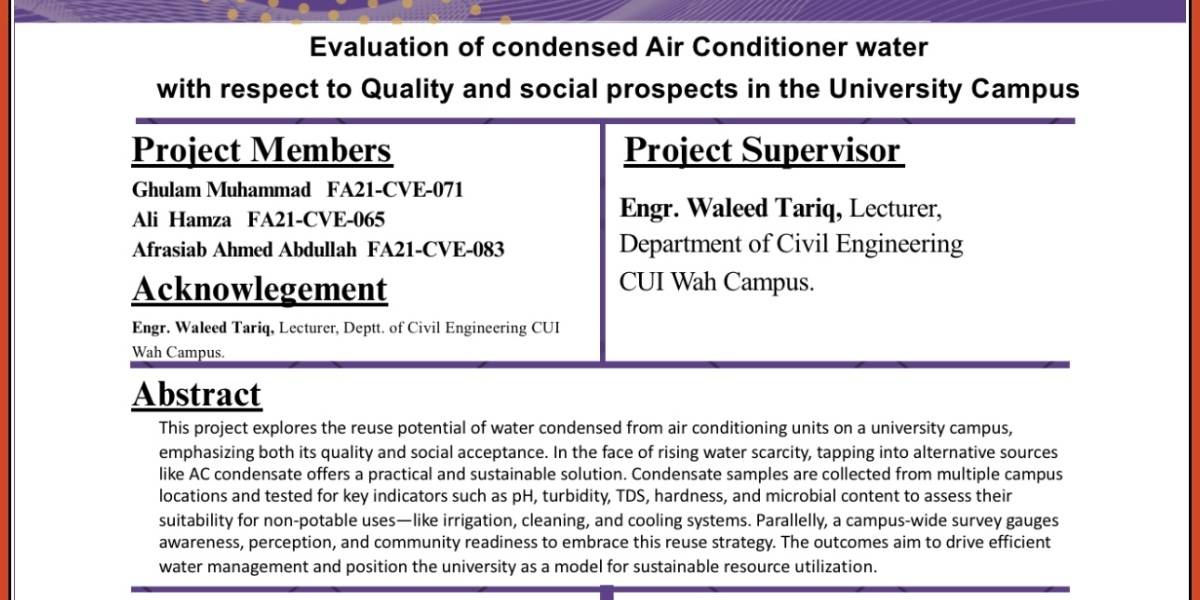
Evaluation of Air Conditioner condensed water with respect to Quality and social prospects…
1) Atmospheric Water Harvesting (AWH):2) Defined as the process of collecting water from air moisture.3) A sus…
Supervisor: Engineer Waleed Tariq