Strength Prediction and Experimental Validation of Sustainable Geopolymer Recycled Aggregate Concrete Using Response Surface Methodology
Description
This project focuses on the development and optimization of sustainable geopolymer concrete by incorporating recycled coarse and fine aggregates. The binder system comprises industrial by-products (fly ash and GGBFS), activated with an alkaline solution. The goal is to reduce environmental impact by replacing conventional cement with geopolymer materials, enhancing strength, workability, and durability. The mix design was optimized using Response Surface Methodology (RSM), and experimental validation was performed to support sustainable construction and circular economy goals.
Objectives
1. To develop statistical prediction models for compressive and tensile strength using Response Surface Methodology (RSM), enabling efficient optimization of mix parameters. 2. To experimentally validate the predicted strength values through laboratory testing, ensuring accuracy and reliability of the RSM-based models.
Socio-economic benefit
The research on Strength Prediction and Experimental Validation of Sustainable Geopolymer Recycled Aggregate Concrete (GRAC) Using Response Surface Methodology provides significant socio-economic and environmental advantages by advancing sustainable construction practices: Promotes Sustainable Infrastructure (SDG 9: Industry, Innovation, and Infrastructure): This project fosters innovation by developing and optimizing sustainable geopolymer concrete mixes incorporating recycled aggregates and alkaline solution. It supports the creation of durable, eco-friendly infrastructure that drives progress in the construction industry. Supports Sustainable Cities and Communities (SDG 11): Utilizing recycled recycled aggregates in GRAC reduces construction and demolition waste, thereby lessening landfill use and improving urban environmental quality. This enhances the sustainability of communities by promoting circular economy principles in construction. Combats Climate Change (SDG 13: Climate Action): By replacing traditional Portland cement with geopolymer binders(Fly Ash and GGBFS), this research significantly reduces carbon emissions associated with concrete production. The experimental validation ensures that sustainable alternatives meet performance standards while contributing to global efforts against climate change.
Methodologies
Step 1: Selection of Materials Used recycled fine and coarse aggregates from construction waste. Used fly ash and Ground Granulated Blast Furnace Slag (GGBFS) as binders. Prepared alkaline activators by mixing sodium hydroxide (NaOH) solution with sodium silicate (Na2SiO3) solution. Step 2: Preparation of Alkaline Solution Prepared NaOH solution of required molarity and let it rest for 24 hours. Mixed NaOH solution with sodium silicate solution at a ratio of 2.5 (SiO2/Na2O). Step 3: Mix Design Maintained a constant binder-to-aggregate ratio of 0.6. Prepared mixes with different proportions of recycled aggregate (RA) and natural aggregate (NA): Mix 1: 25% RA + 75% NA Mix 2: 30% RA + 70% NA Mix 3: 50% RA + 50% NA Keep fly ash to GGBFS ratio at 70:30 and alkaline solution fixed. Step 4: Mixing and Casting Mixed binders, aggregates, and alkaline solution thoroughly. Casted concrete into molds for each mix variant. Step 5: Curing Divided molds into two groups for curing: Ambient curing (room temperature). Oven curing at elevated temperature of 100°C for 24 hours. Step 6: Testing and Evaluation Performed tests on cured samples including: Slump test (workability). Compressive strength test. Splitting tensile strength test. Step 7: Statistical Analysis Used Response Surface Methodology (RSM) with Central Composite Design (CCD) to optimize mix proportions. Analyzed data using ANOVA to develop prediction models for strength and workability. Validated models with experimental results.
Outcome
1. Improved Mechanical Performance: Validation of enhanced compressive and tensile strength properties of sustainable geopolymer concrete using recycled aggregates, demonstrating its potential to meet or exceed conventional concrete standards. 2. Effective Use of Recycled Aggregates: Successful integration of recycled coarse and fine aggregates in geopolymer concrete mixes, promoting sustainable construction by reducing reliance on natural aggregates. 3. Optimized Mix Proportions: Identification of optimal ratios of alkali activators and aggregate content that maximize strength and workability, contributing to efficient and cost-effective mix designs. 4. Sustainability Advancement: Reduction in environmental impact through decreased use of cement and natural resources, highlighting the ecological benefits of geopolymer concrete in lowering carbon emissions. 5. Practical Applicability: Demonstration of the feasibility of sustainable GRAC for real-world structural applications through experimental validation and strength prediction models.
Gallery


More from Civil Engineering
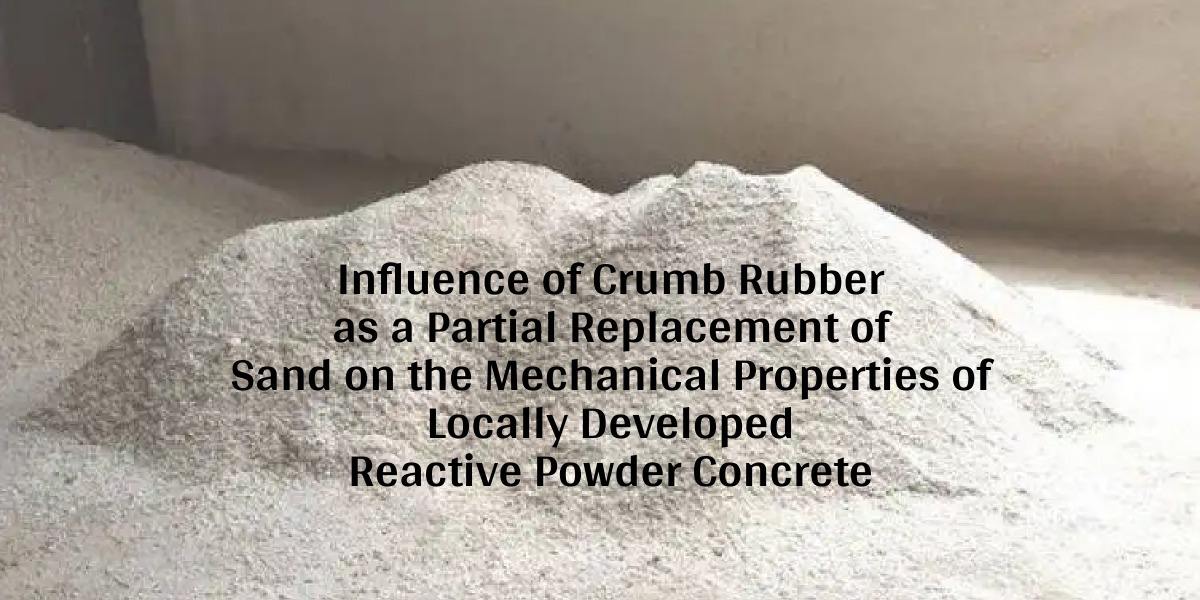
Influence of Crumb Rubber as a Partial Replacement of Sand on the Mechanical Properties of…
This project investigates the use of crumb rubber, derived from recycled waste tires, as a partial replacement…
Supervisor: Raja Tasaddiq
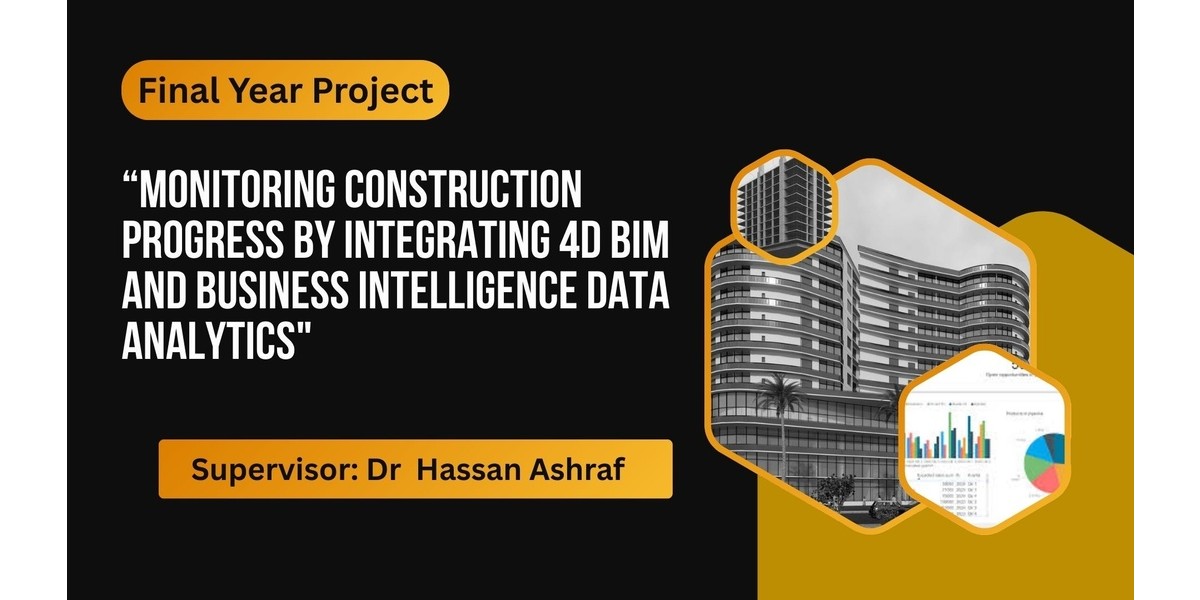
Monitoring Construction Progress by Integrating 4D BIM and Business Intelligence Data Anal…
Modern construction projects face increasing complexity due to growing client demands, stakeholder expectation…
Supervisor: Dr. Hassan Ashraf
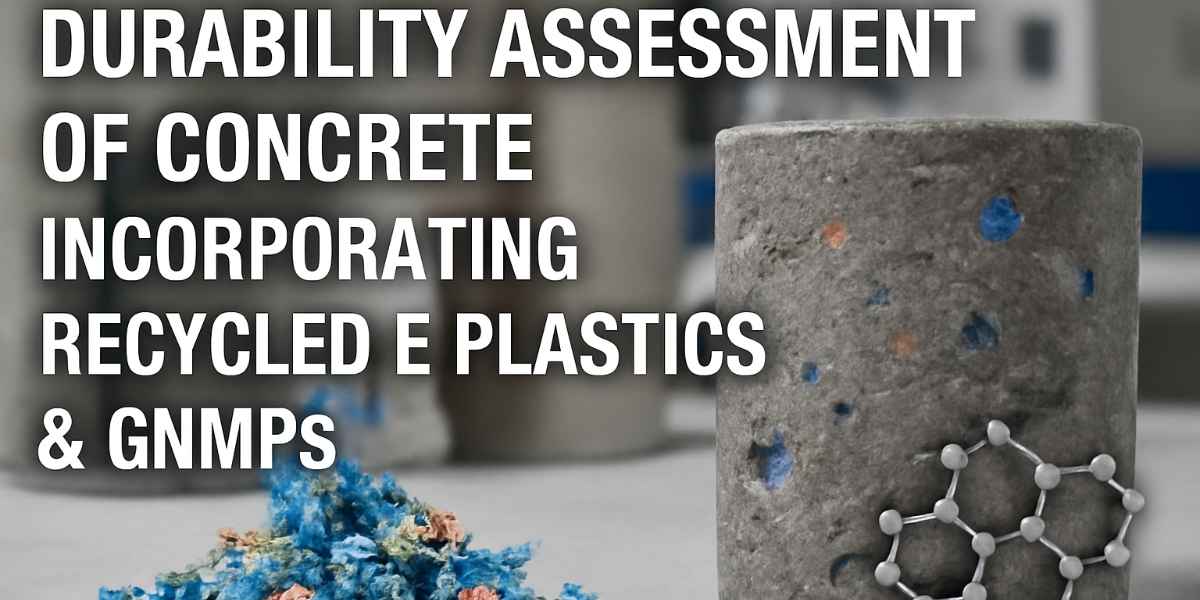
DURABILITY ASSESSMENT OF CONCRETE INCORPORATING RECYCLED E-PLASTICS & GNMPs
Our project titled "Durability Assessment of Concrete Incorporating Recycled E-plastics & GNMPs (Graphite Nano…
Supervisor: Dr. Rana Faisal Tufail
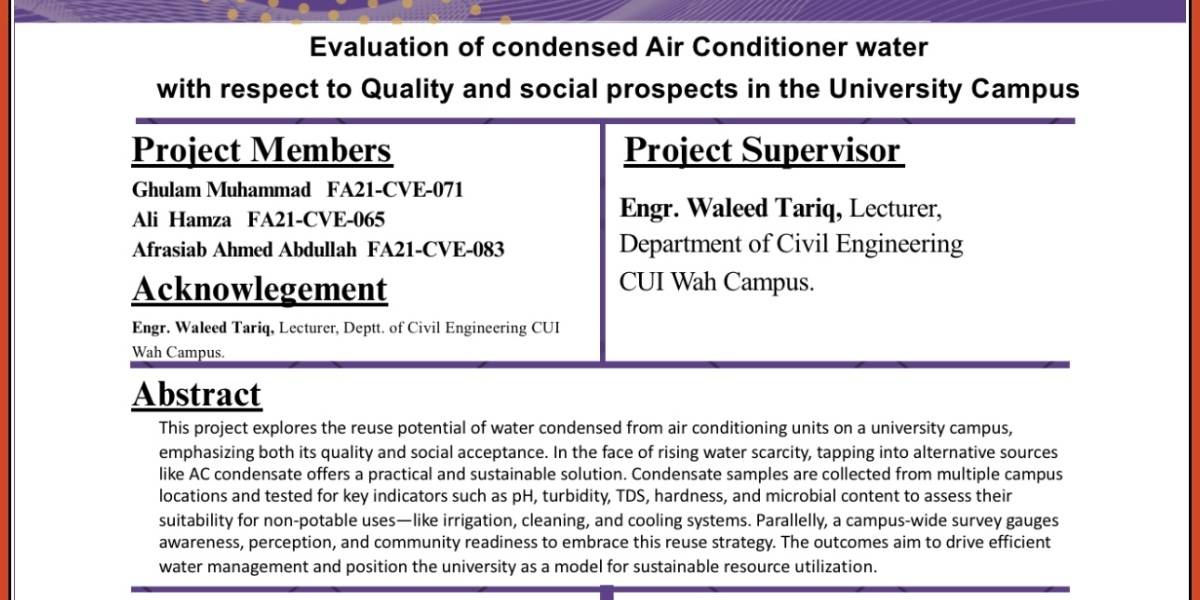
Evaluation of Air Conditioner condensed water with respect to Quality and social prospects…
1) Atmospheric Water Harvesting (AWH):2) Defined as the process of collecting water from air moisture.3) A sus…
Supervisor: Engineer Waleed Tariq