Enhancing Sustainability: Prediction of Durability of Recycled Concrete Aggregate using Machine Learning
Description
As the global construction industry continues to evolve, there is a growing emphasis on sustainable practices and the reduction of environmental impact. One of the emerging strategies to achieve this goal is the use of recycled concrete aggregate (RCA) as a substitute for natural aggregates in concrete production. RCA is derived from the processing of demolished concrete structures, and its reuse reduces the demand for virgin aggregates, helps in minimizing construction waste, and conserves natural resources.However, despite these advantages, one of the key challenges associated with RCA is its variable and often unpredictable durability when used in new concrete mixes. Durability is a critical parameter that directly impacts the longevity and structural integrity of concrete constructions. Factors such as residual cement paste, porosity, and the presence of impurities in RCA can significantly influence its performance over time. Thus, it becomes essential to develop reliable methods
Objectives
The primary objective of this project is to leverage machine learning techniques to accurately predict the durability of concrete prepared using recycled concrete aggregate (RCA). Given the increasing demand for sustainable construction materials, RCA presents a viable alternative to traditional natural aggregates. However, due to its inherent variability in composition and properties, accurately estimating the long-term durability of RCA-based concrete remains a significant challenge. To address this, the project is structured around the following specific goals: Data Collection and Preprocessing: Compile a comprehensive dataset containing critical physical and chemical properties influencing concrete durability, such as water content, cement ratio, CO2 concentration, temperature, humidity, effective thickness, water absorption, resistance, compressive area, maximum flexural strength, and maximum compressive strength. Apply preprocessing techniques like Z-Score normalization and Interquartile Range (IQR) methods to clean the data, remove outliers, and standardize the feature values. Model Selection and Evaluation: Train and evaluate multiple machine learning models including Linear Regression, Random Forest, Support Vector Machines (SVM), XGBoost, Gradient Boosting, and NGBoost. Compare these models using performance metrics such as Root Mean Square Error (RMSE) and R-squared (R²) to determine which algorithm provides the most accurate and reliable predictions. Implementation of NGBoost: Identify Natural Gradient Boosting (NGBoost) as the best-performing model and implement it to produce not only accurate point predictions but also probabilistic estimates of concrete durability, thereby incorporating predictive uncertainty — a critical factor in real-world engineering applications. Model Deployment and Interface Development: Deploy the trained NGBoost model using PyCharm for backend development, and design a responsive Streamlit web application that allows users to input concrete mix parameters and receive real-time durability predictions. Ensure the interface is intuitive, informative, and suitable for engineers, researchers, and decision-makers in the construction industry. Sustainability and Real-world Impact: Demonstrate how machine learning can enhance decision-making in construction by enabling the use of recycled materials without compromising structural performance. The ultimate goal is to contribute to the adoption of eco-friendly and data-driven practices in civil engineering by providing a reliable tool for assessing RCA-based concrete.
Socio-economic benefit
1. Promotion of Sustainable Construction Practices By enabling the reliable use of RCA in concrete, this project directly supports environmentally sustainable construction. The reuse of construction and demolition waste reduces the demand for natural aggregates, which are typically obtained through environmentally disruptive mining activities. Promoting RCA use helps conserve natural resources, lowers greenhouse gas emissions, and aligns with global sustainability goals such as the United Nations Sustainable Development Goals (SDGs). 2. Reduction of Construction Waste Construction and demolition activities produce a massive amount of waste, which often ends up in landfills. By creating a system that accurately evaluates and promotes the use of RCA, this project encourages waste minimization. This contributes to better urban waste management and helps reduce the burden on public landfill sites, offering long-term environmental and economic relief. 3. Lower Material Costs for Infrastructure Projects Using recycled materials such as RCA significantly reduces raw material costs. The machine learning-based prediction model enables stakeholders to assess the suitability of recycled concrete in advance, minimizing trial-and-error and unnecessary spending. This cost-efficiency is especially valuable for developing countries where budget constraints often limit infrastructure development. 4. Support for Circular Economy Models This project facilitates a circular economy within the construction sector by promoting the reuse and recycling of concrete materials. Instead of following a linear take–make–dispose model, the use of RCA extends the life cycle of construction materials and creates new economic value from what would otherwise be waste. 5. Job Creation and Technological Skill Development The development, deployment, and adoption of smart tools like the RCA durability prediction app contribute to job creation in fields such as data science, civil engineering, software development, and environmental management. Additionally, integrating technology in traditional construction workflows upskills the workforce, making them more competitive in a rapidly digitalizing industry. 6. Improved Decision-Making and Risk Management By providing probabilistic predictions and confidence intervals, the machine learning model allows engineers and decision-makers to understand the risk levels associated with using RCA in a given mix. This leads to safer, more informed design decisions, reducing the chances of premature structural failures and the associated economic losses. 7. Enhanced Quality Assurance in Construction The tool developed in this project acts as a digital quality control system for recycled concrete, giving builders real-time feedback on material performance. This helps ensure that low-quality or underperforming materials are identified early, preventing their use in critical structural applications and thus enhancing public safety.
Methodologies
1. Problem Definition The challenge lies in accurately estimating the durability of RCA-based concrete due to its variable composition. The objective was to develop a predictive model that ensures material performance and supports sustainable construction. 2. Data Collection The dataset includes critical features such as water content, cement ratio, CO2 percentage, temperature, humidity, effective thickness, water absorption, resistance, maximum fine aggregate size, and maximum course aggregate size. Durability serves as the target variable. 3. Data Preprocessing Data cleaning was done using Z-Score and IQR methods to detect and remove outliers. Missing values were handled, and features were normalized to improve model performance. Feature selection helped eliminate redundancy and improve accuracy. 4. Model Selection Several models were trained and evaluated, including: Linear Regression Support Vector Regression Random Forest Gradient Boosting XGBoost NGBoost Training was conducted using a standard train-test split with cross-validation. 5. Model Evaluation Models were assessed using Root Mean Square Error (RMSE), R-squared (R²), and Mean Absolute Error (MAE). NGBoost delivered the most accurate and robust predictions, offering both point estimates and uncertainty intervals. 6. Model Deployment The final NGBoost model was serialized and integrated using PyCharm. Backend logic was developed to handle input processing and model inference. 7. Streamlit Web App A user-friendly Streamlit app was developed where users can input material parameters and receive real-time durability predictions. The interface supports practical use by researchers and engineers. 8. Testing and Validation Multiple input scenarios were tested to ensure the app’s stability, accuracy, and responsiveness.
Outcome
Cleaned and Refined Dataset: Through the use of Z-Score and Interquartile Range (IQR) methods, the dataset was effectively preprocessed to remove outliers and normalize values, ensuring the accuracy and reliability of the machine learning models. Model Development and Comparison: Multiple algorithms—including Linear Regression, Support Vector Regression, Random Forest, Gradient Boosting, and XGBoost—were trained and evaluated. Among these, Natural Gradient Boosting (NGBoost) emerged as the most accurate and reliable model, delivering both point estimates and predictive uncertainty through probabilistic forecasting. High Prediction Accuracy: NGBoost outperformed other models in terms of RMSE and R² values, demonstrating its capability to effectively predict concrete durability based on physical and chemical input parameters. Streamlit Web Application: The final model was deployed using PyCharm and integrated into a responsive Streamlit web application. The app allows users to input mix properties and instantly receive durability predictions, making it a practical tool for engineers, researchers, and decision-makers. Support for Sustainable Construction: The project promotes eco-friendly building practices by enabling the reliable use of RCA, thereby reducing the demand for natural aggregates and minimizing construction waste. Scalability and Real-World Impact: The methodology and application are scalable and adaptable to different datasets and regions. This makes the solution valuable for wide implementation in both academic research and construction industry practices.
Gallery


More from Civil Engineering
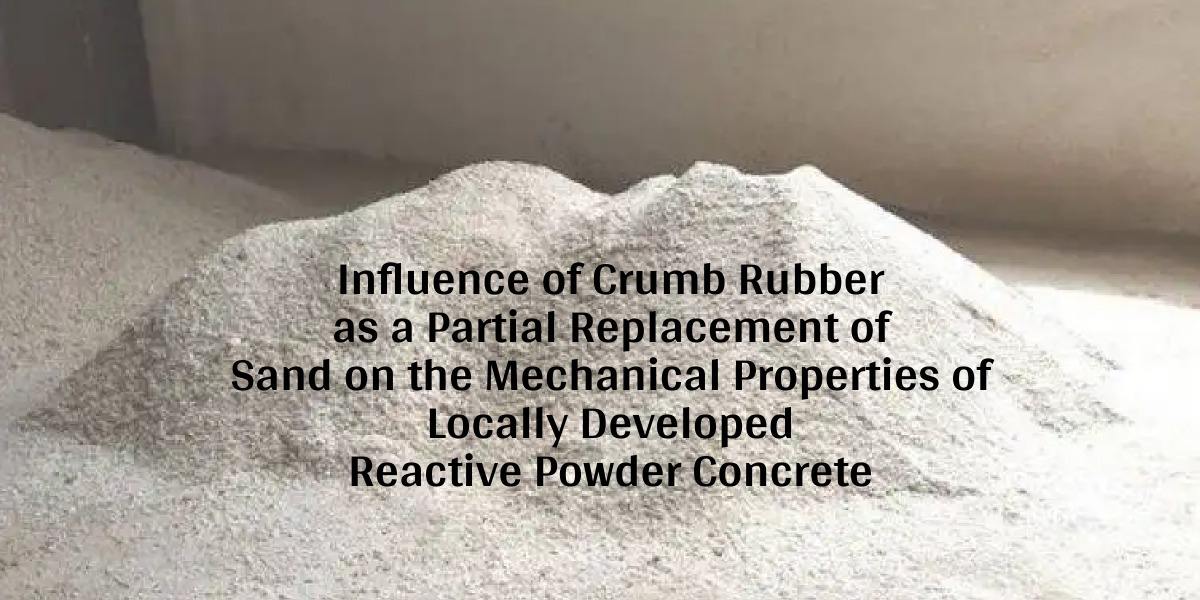
Influence of Crumb Rubber as a Partial Replacement of Sand on the Mechanical Properties of…
This project investigates the use of crumb rubber, derived from recycled waste tires, as a partial replacement…
Supervisor: Raja Tasaddiq
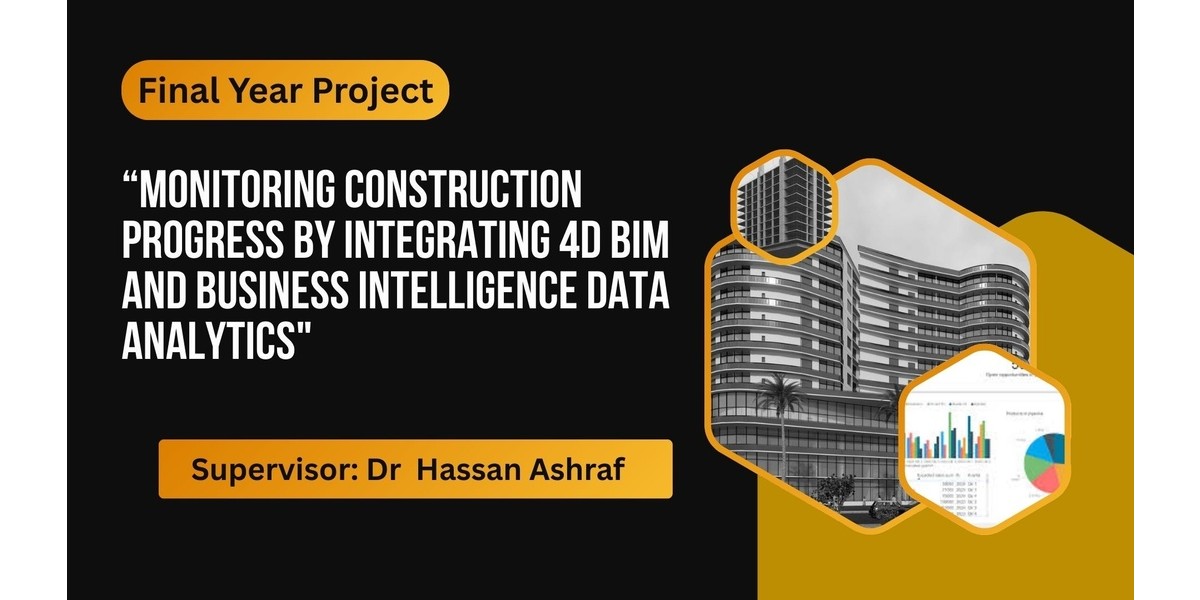
Monitoring Construction Progress by Integrating 4D BIM and Business Intelligence Data Anal…
Modern construction projects face increasing complexity due to growing client demands, stakeholder expectation…
Supervisor: Dr. Hassan Ashraf
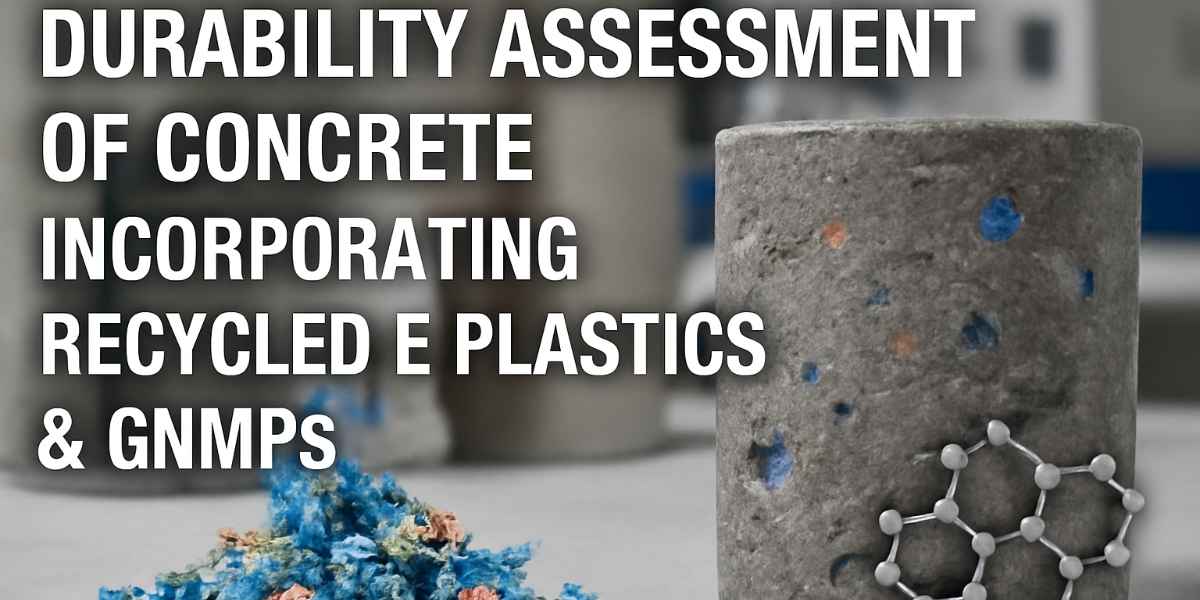
DURABILITY ASSESSMENT OF CONCRETE INCORPORATING RECYCLED E-PLASTICS & GNMPs
Our project titled "Durability Assessment of Concrete Incorporating Recycled E-plastics & GNMPs (Graphite Nano…
Supervisor: Dr. Rana Faisal Tufail
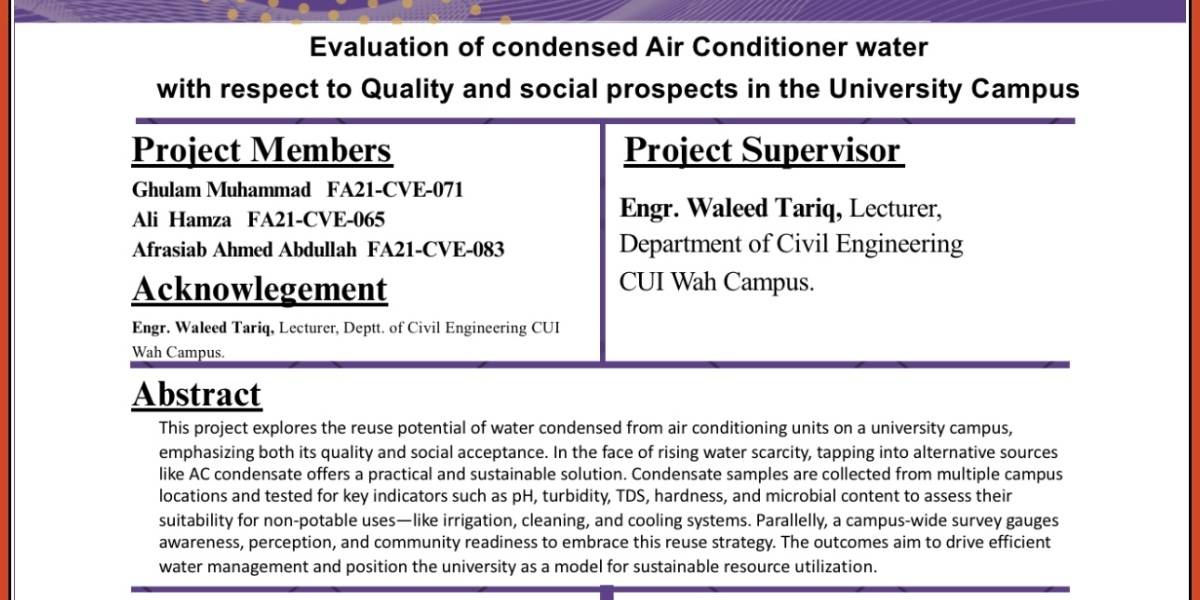
Evaluation of Air Conditioner condensed water with respect to Quality and social prospects…
1) Atmospheric Water Harvesting (AWH):2) Defined as the process of collecting water from air moisture.3) A sus…
Supervisor: Engineer Waleed Tariq