Brain-Computer Interface for Paralyzed Patients: Real-Time Affective States Monitoring using NeuroSky
Description
This project presents a real-time Brain Computer Interface (BCI) system designed for paralyzed and non-verbal patients. The system uses a NeuroSky EEG headset to collect brain signals and processes them on Raspberry Pi using machine learning models to classify mental states such as Relaxed, Focused, and Stressed. The system applies a confidence threshold of 60%; if prediction confidence falls below this threshold, rule-based fallback logic using Attention and Meditation values is activated to improve reliability. The classified results are synchronized with Firebase and displayed through a caregiver mobile application and admin dashboard for real-time monitoring, alerts, and historical analysis. The system aims to improve patient-caregiver communication and provide affordable assistive monitoring using low-cost EEG technology.
Objectives
The primary objective of this project is to develop an intelligent Brain Computer Interface (BCI) system that analyzes EEG signals from paralyzed and non-verbal patients to identify mental states and provide real-time monitoring support for caregivers. The system acquires real-time EEG signals from the NeuroSky headset through Bluetooth communication and processes these signals on Raspberry Pi for preprocessing, feature extraction, and analysis. Machine learning techniques are applied to classify mental states such as Relaxed, Focused, and Stressed. The processed data is securely synchronized with cloud services to enable real-time monitoring and storage. Additionally, the project includes the development of a caregiver mobile application for patient monitoring, alerts, and historical analysis, along with an administrative dashboard for user management, system monitoring, and model deployment. Overall, the system aims to enhance communication and improve the quality of care for patients with limited verbal interaction capabilities.
Socio-economic benefit
This project provides social and economic benefits by improving communication and monitoring for paralyzed and non-verbal patients through affordable Brain Computer Interface technology. The system reduces caregiver workload by providing automated real-time monitoring and alert generation, enabling faster response during stressful conditions. Using low-cost hardware such as NeuroSky and Raspberry Pi makes the solution more accessible compared to expensive clinical systems. The project also supports healthcare digitization by enabling remote monitoring and cloud-based data access. Furthermore, it creates opportunities for future research and innovation in assistive healthcare technologies while improving the quality of life for patients and caregivers.
Methodologies
The project follows a systematic methodology consisting of data acquisition, preprocessing, machine learning, cloud integration, and real-time monitoring. EEG signals are collected using the NeuroSky headset and transmitted to Raspberry Pi through Bluetooth communication. The collected signals undergo preprocessing and feature extraction before being passed to a machine learning model for mental-state classification. A confidence threshold mechanism is applied to improve prediction reliability, where fallback logic is activated when confidence scores fall below 60%. Classified results are synchronized with Firebase cloud services and displayed through a caregiver mobile application and administrative dashboard for monitoring, alerts, and data management. The system was developed using iterative testing and validation to ensure reliability and performance.
Outcome
The project successfully developed a real-time Brain Computer Interface system capable of detecting mental states from EEG signals and providing monitoring support for caregivers. The system achieved integration between NeuroSky headset, Raspberry Pi processing, machine learning inference, Firebase cloud synchronization, caregiver mobile application, and admin dashboard. Real-time monitoring, alert generation, historical analysis, and secure access management were successfully implemented. The final outcome demonstrates a cost-effective assistive healthcare solution that improves communication capabilities and monitoring support for paralyzed and non-verbal patients.
Gallery


More from Computer Science
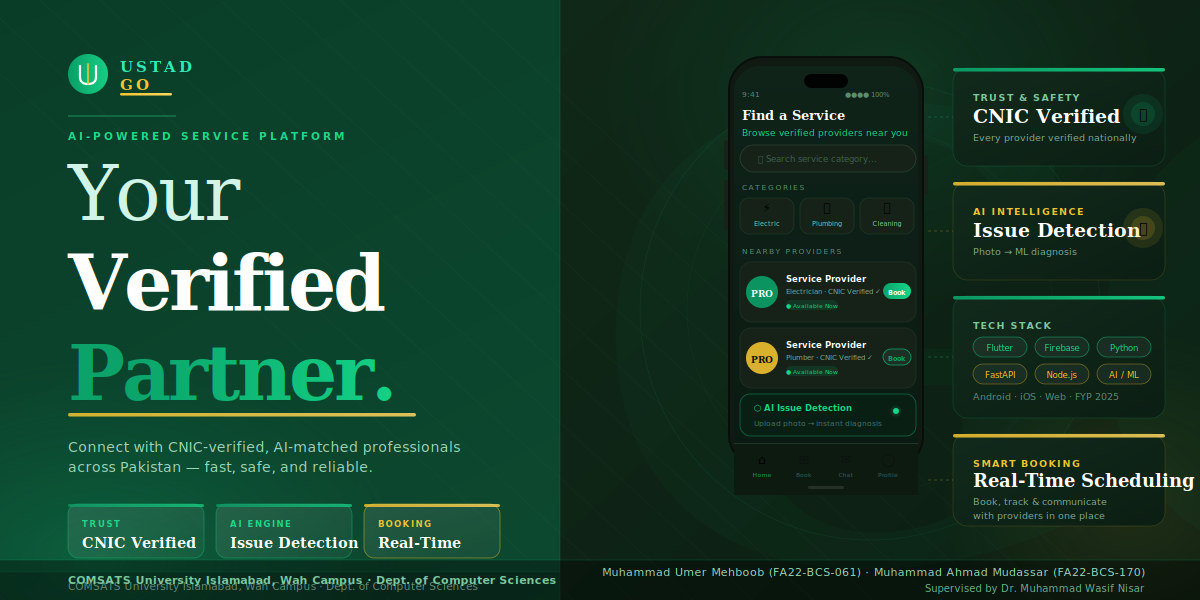
Ustad Go: An AI-Powered Mobile and Web Ecosystem for Verified Local Service Provision in P…
Ustad Go is a dual-platform solution bridging the gap between skilled local service providers and households.…
Supervisor: Dr. Wasif Nisar

Sales Distribution Hub
The Sales Distribution Hub is a web-based management system designed for Masood & Company to automate and stre…
Supervisor: Dr. Wasif Nisar.
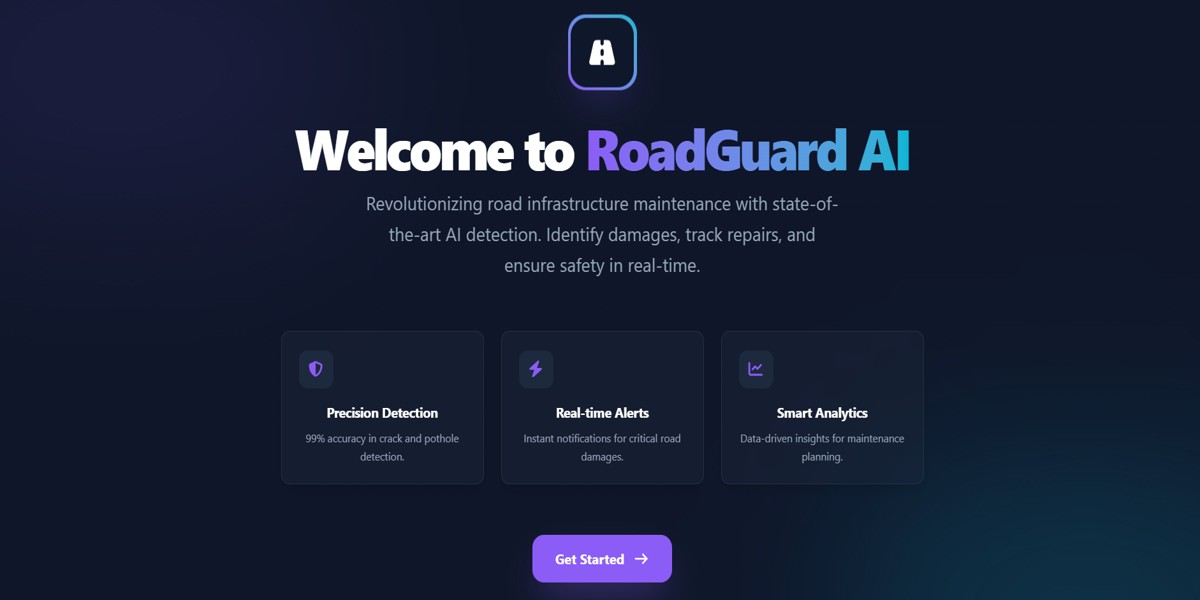
AI Based Road Damage Detection System
AI Based Road Damage Detection System is a smart application that uses YOLOv8 and computer vision techniques t…
Supervisor: Mehwish Mukhtar
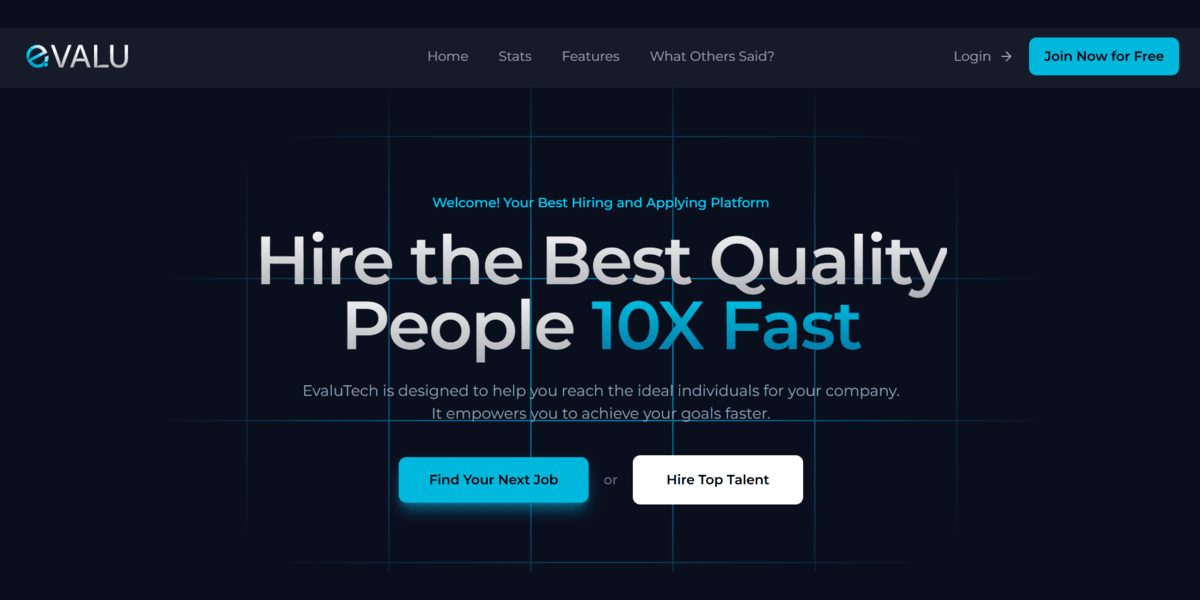
EvaluTech: AI-Powered Hiring & Job Platform for Employers and Applicants
EvaluTech is an intelligent recruitment management platform that streamlines the complete hiring lifecycle fro…
Supervisor: Dr. Wasif Nisar