Energy Efficiency Analysis of Residential Buildings in Pakistan
Description
The project focuses on addressing the high energy consumption in residential buildings in Pakistan, which results in increased costs and negative environmental impact. By utilising Building Information Modeling (BIM) technology, this project aims to provide a comprehensive analysis of energy efficiency in residential buildings across seven climatic regions in Pakistan.
Objectives
Cost Savings through Energy Efficiency: Exploring Energy-Saving Techniques in Residential Buildings to reduce Operational Cost and Forecasting Financial Returns on Investment Sustainability: We aim to promote sustainability by reducing energy consumption, greenhouse gas emissions, and dependence on non-renewable energy sources in residential buildings. Enhanced Comfort and Well-being: Improve occupant comfort and well-being by enhancing indoor air quality, thermal comfort, and overall building performance.
Socio-economic benefit
Socio-Economic Benefit: • Cost Savings: The project identifies cost-effective energy efficiency measures, resulting in significant savings for residential building owners and occupants. Lower energy consumption leads to reduced utility bills, easing financial burdens and increasing disposable income. • Sustainability: By promoting energy efficiency and renewable energy systems, the project contributes to a more sustainable built environment. It reduces greenhouse gas emissions, dependence on non-renewable energy sources, and environmental degradation, fostering a greener and resilient future. • Reduced Maintenance Cost: Implementing energy efficiency measures decreases maintenance expenses by improving the performance and efficiency of building systems. Reduced repairs and replacements increase the lifespan of components, minimizing long-term maintenance costs. • Long-Term Liability Reduction: The project's energy analysis and management plan mitigate long-term liabilities associated with inefficient residential buildings. By addressing energy inefficiencies and implementing appropriate measures, risks such as higher operating costs, occupant discomfort, and equipment failures are minimized. • Enhanced Property Value: Energy-efficient residential buildings command higher property values in the real estate market. By incorporating energy efficiency measures and renewable energy systems, the project enhances marketability, increasing property values and potential returns on investment for building owners.
Methodologies
Methodology for our project is divided into three phases: Phase 1: In the first phase, 3D model of a residential building was designed in Autodesk Revit. Additionally, specific locations were set in buildings for 7 different climatic regions of Pakistan. This ensured accurate representation and simulation of the buildings in their respective environments. Phase 2: In the second phase, energy analysis was conducted using the Insight 360 software. The 3D models of the buildings, along with their assigned climatic region locations, were imported into Insight 360 for energy simulations. The software facilitated the analysis of energy consumption and performance of the buildings under varying climatic conditions. The goal was to optimize energy consumption costs and Energy Use Intensity (EUI) values by identifying areas for improvement and implementing energy efficiency measures specific to each climatic region. Phase 3: The third phase involved an economic analysis of the energy efficiency measures. After obtaining the energy analysis results from Insight 360, the data was exported and analyzed in Excel. Various materials and components used in the buildings were assessed in terms of their impact on energy consumption costs. The analysis aimed to identify materials that were not only beneficial in terms of energy savings but also economically advantageous. This helped in determining cost-effective measures for improving energy efficiency and optimizing the financial return on investment for implementing these measures.
Outcome
• In our energy efficiency analysis, we compared two insulation materials: Polystyrene sheet and PU foam at various thicknesses. • After successful Cost - Benefit & Break Even Analysis, We found that use of 1" polystyrene sheet is the ideal choice. • We've installed double-glazed (Low-E) windows, a PV system, and HVAC system to create a greener building, reducing energy consumption, costs, and promoting sustainability.
Gallery

More from Civil Engineering
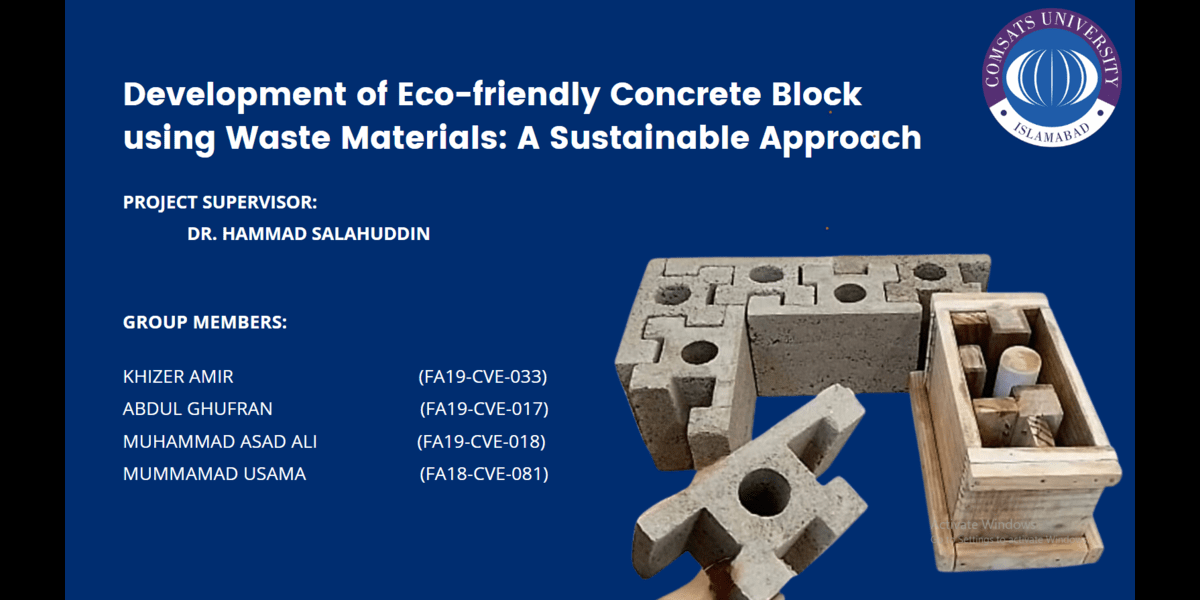
Development of Eco-friendly Concrete Block using Waste Materials: A Sustainable Approach
It was a materials-oriented project that investigated the effects of using Fly Ash, Granite Powder, and Recycl…
Supervisor: Dr. Hammad Salahudin
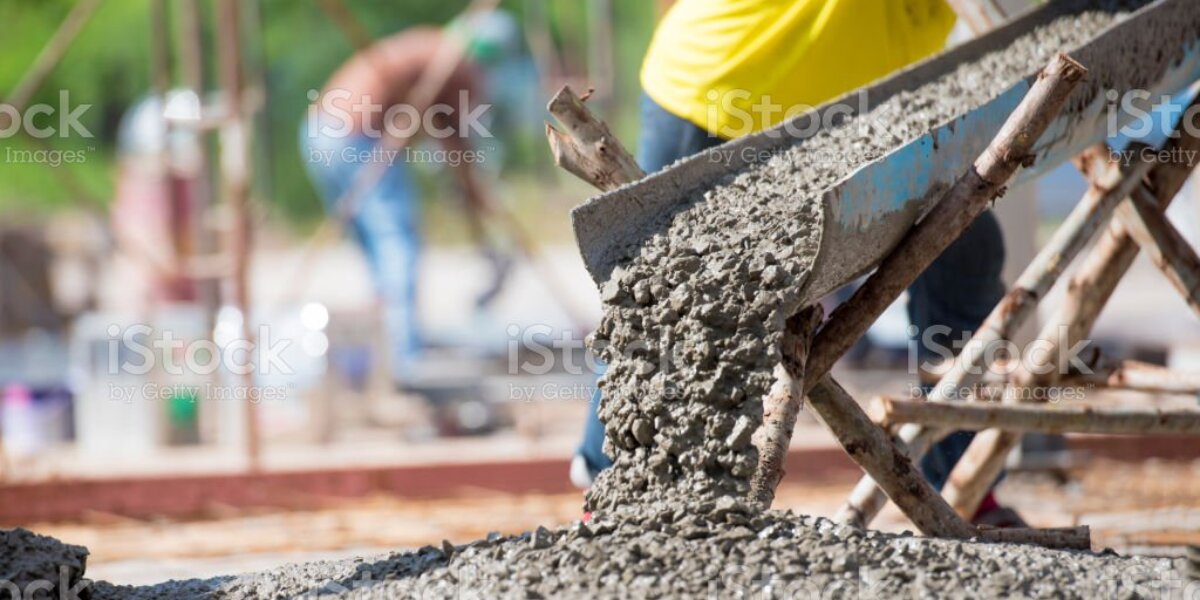
Influence of Nano-silica on the properties of recycled aggregate concrete.
This project investigated the effects of Nano-Silica (NS) on concrete containing recycled concrete aggregate…
Supervisor: Dr. Rana Faisal
CAPITALIZING ON BIM TO ENHANCE CONSTRUCTION SAFETY AND OPTIMAL PROJECT SCHEDULING OF MULTI…
An insight to case study of Twin Towers for advance construction management methods
Supervisor: DR AHSEN MAQSOOM

Quantification of the Environmental Impacts of Karakoram Highway Construction in the North…
The Karakoram Highway is a pathway of CPEC that provides important economic and social services to human commu…
Supervisor: Dr. Ahsen Maqsoom