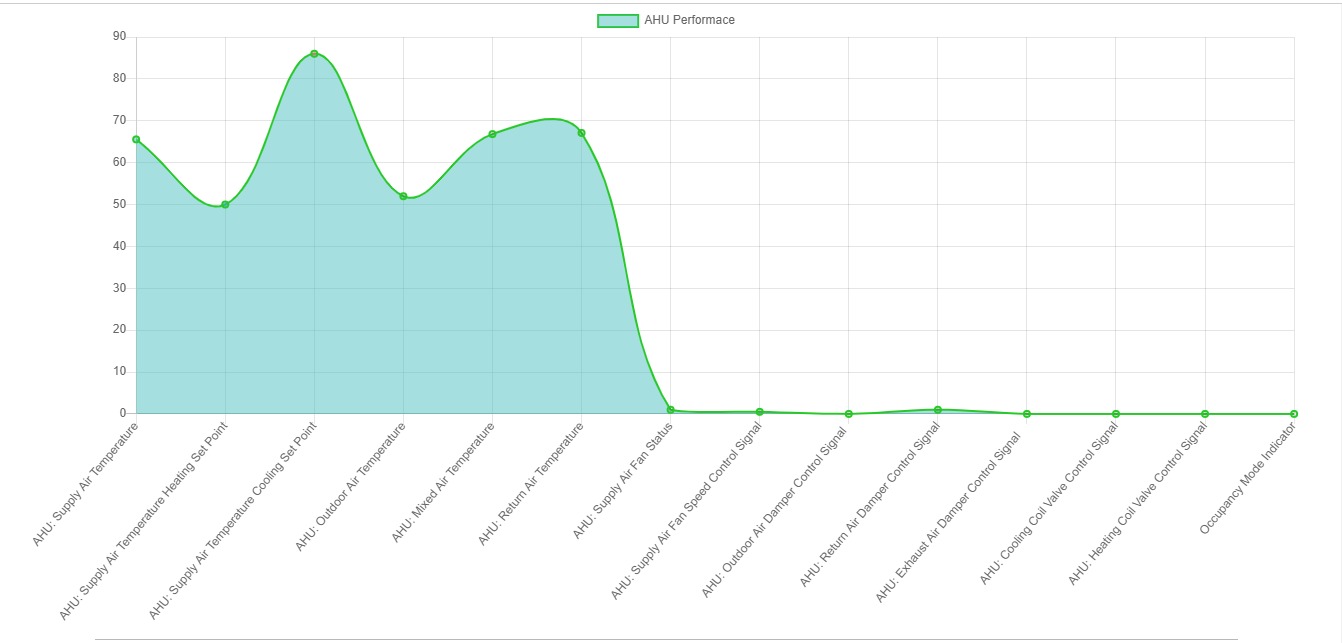
Our project on data-driven fault detection in air handling units (AHUs) represents a groundbreaking approach to HVAC system maintenance. Leveraging advanced data analytics and machine learning, our system aims to proactively identify and diagnose faults within AHUs by analyzing operational data in real-time. The web-based platform serves as a central hub for visualizing and interpreting the results of fault detection algorithms. The user-friendly interface provides stakeholders with a comprehensive view of the AHU performance, highlighting potential issues and offering actionable insights for preventive maintenance.
Objectives
• Real-time Fault Detection
• Machine Learning Integration
• Web-Based Visualization
• Enhanced AHU Reliability
• Multi-Model Fusion
• Adaptive Learning System
• Dynamic Fault Monitoring
• User-Friendly Interface
• Performance Evaluation
• Predictive Maintenance
Socio-Economic Benefit
Energy Efficiency and Cost Savings:
By detecting faults in AHUs in real-time, the system can optimize energy usage and improve overall efficiency. This leads to cost savings for businesses and organizations, contributing to economic sustainability.
Reduced Downtime and Maintenance Costs:
Early detection of faults allows for proactive maintenance, reducing downtime and minimizing the costs associated with unexpected system failures. This can be particularly beneficial in critical environments such as hospitals, data centers, or industrial facilities.
Improved Air Quality and Health:
Maintaining optimal AHU performance ensures the delivery of clean and properly conditioned air. This positively impacts indoor air quality, which has implications for the health and well-being of occupants. Healthy indoor environments can contribute to increased productivity and reduced absenteeism.
Environmental Impact:
Energy-efficient HVAC systems contribute to a reduction in greenhouse gas emissions. By optimizing the operation of AHUs, your project indirectly supports environmental sustainability, aligning with global efforts to address climate change.
Technology Advancement and Innovation:
This project showcases the application of advanced technologies such as DNN, SVM, and KNN in fault detection. This contributes to technological innovation and the development of expertise in the field of data-driven solutions for HVAC systems.
Methodologies
Literature Review:
Conduct a literature review on fault detection in HVAC systems.
Understand existing methodologies and techniques.
Dataset Acquisition and Exploration:
Acquire the SZCAV dataset for Air Handling Units.
Explore and understand the dataset's structure and features.
Data Preprocessing:
Clean the dataset by handling missing values, outliers, and inconsistencies.
Normalize or scale the data as needed.
Feature Selection:
Identify relevant features for fault detection.
Utilize domain knowledge and statistical methods for feature selection.
Model Selection:
Choose appropriate models for fault detection (DNN, SVM, KNN).
Consider the strengths and weaknesses of each model.
Training Models:
Train each model using historical data from the dataset.
Optimize model parameters for better performance.
Real-time Data Integration:
Develop mechanisms to integrate real-time data from the SZCAV dataset into the models.
Ensure that the fault detection system updates as new data arrives.
Web Server Integration:
Develop a web server to host the models.
Integrate the trained DNN, SVM, and KNN models into the web server.
Outcome
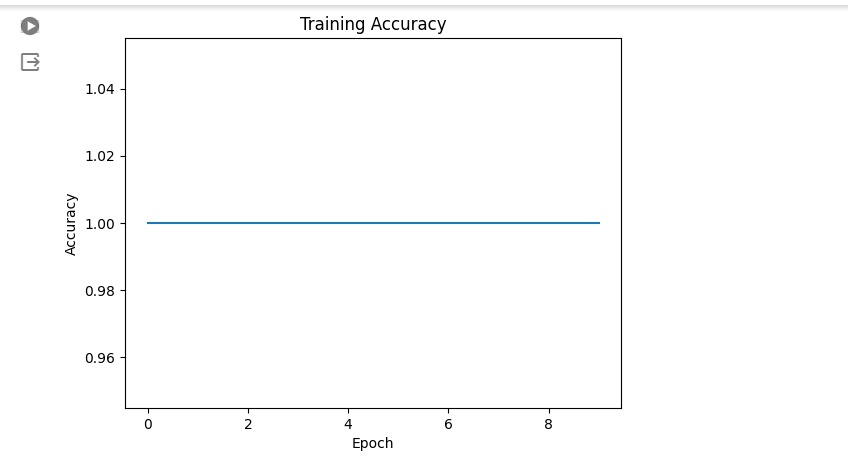
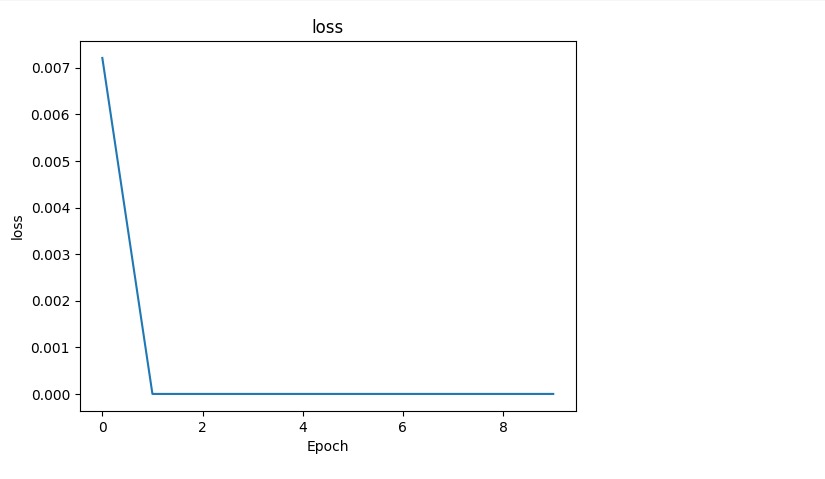
In our Final Year Project "Data-Driven Fault Detection in Air Handling Unit," we employed state-of-the-art techniques, including Deep Neural Network, Support Vector Machine, and K Nearest Neighbors, to detect faults in Air Handling Units (AHUs). Leveraging the open-source SZCAV dataset, our system ensures real-time data flow from the dataset to the models, allowing for dynamic updates and continuous fault detection refinement. The integrated models are hosted on a web server, presenting the fault detection outcomes through visually informative graphs and charts. This comprehensive approach not only provides an efficient means of detecting faults in AHUs but also offers a user-friendly interface for monitoring and interpreting the real-time status of the system.