RENEWABLE ENERGY BASED WATER PURIFICATION SYSTEM
Description
The integration of an ultrasonic sensor into reverse osmosis (RO) systems marks a significant advancement in water purification technology. This innovation enables automated control and efficient operation by detecting water levels in the input reservoir, prompting the system to activate only when there's demand for purified water, thus enhancing energy efficiency. Furthermore, coupling this with sensor integration for comprehensive monitoring of water quality parameters like TDS, pressure, flow, and pH, along with the utilization of pressure sensors for optimization, ensures consistent water quality output and efficient system performance. Integrating solar power further enhances sustainability by reducing reliance on grid electricity. Together, these advancements promote environmental friendliness, user convenience, and efficiency in water purification processes, making RO systems integral to global efforts towards water security and environmental preservation.
Objectives
• Water Purification: The primary objective would be to develop a reliable and efficient water purification system using RO technology. This system should effectively remove contaminants, impurities, and pathogens from water, ensuring safe drinking water. • Solar Power Integration: The integration of solar power aims to make the system more sustainable and environmentally friendly by utilizing renewable energy sources. This involves designing and optimizing the solar power system to meet the energy requirements of the RO purifier efficiently. • Automatic Feedback Mechanism: Implementing an automatic feedback mechanism using ultrasonic sensors allows the system to monitor water levels, detect leaks, and provide real-time feedback on system performance. This helps in maintaining optimal operation and preventing potential issues or failures. • Sensor Integration: Integrating TDS, pressure, flow, and pH sensors enhances the functionality of the system by providing detailed insights into water quality and system parameters. These sensors enable continuous monitoring and adjustment of purification processes to ensure consistent water quality output. • Efficiency and Performance Optimization: The project aims to optimize the efficiency and performance of the RO purifier by analyzing sensor data, adjusting purification parameters, and implementing control algorithms. This includes maximizing water production, minimizing energy consumption, and maintaining water quality standards. • Reliability and Durability: Ensuring the reliability and durability of the system is crucial for long-term operation, especially in remote or off-grid locations where maintenance may be challenging. The project should focus on designing robust components, implementing preventive maintenance measures, and testing the system under various operating conditions. • Cost-effectiveness: Developing a cost-effective solution is essential for widespread adoption and deployment, particularly in regions with limited access to clean water. The project should consider factors such as initial investment, operational costs, and lifecycle expenses to ensure affordability without compromising quality or performance. • User-Friendly Design: Designing the system with a user-friendly interface and intuitive controls simplifies operation and maintenance for end-users. This includes features such as display panels, alarms, and remote monitoring capabilities to facilitate easy management and troubleshooting.
Socio-economic benefit
1. Access to Clean Water: The project aims to provide communities with access to clean and safe drinking water by developing a reliable water purification system using RO technology. This addresses a fundamental need and helps combat waterborne diseases. 2. Environmental Sustainability: Integration of solar power makes the system more environmentally friendly by reducing reliance on non-renewable energy sources and minimizing carbon emissions. Solar energy is abundant, renewable, and clean, contributing to environmental conservation. 3. Energy Efficiency: The system's automatic feedback mechanism, coupled with solar power integration, ensures energy efficiency by activating the purification system only when water is detected in the input reservoir. This reduces energy consumption and operational costs. 4. Cost-effectiveness: By utilizing solar power and optimizing component selection, the project aims to develop a cost-effective solution. This makes it accessible to communities with limited financial resources and promotes widespread adoption. 5. Improved Health: Access to clean water improves public health by reducing the risk of waterborne diseases such as cholera, typhoid, and diarrhea. This leads to improved health outcomes and enhanced well-being, particularly for vulnerable populations. 6. Reliability and Durability: The developed water purification system is designed to be robust and durable, capable of operating reliably under various environmental conditions. Rigorous testing ensures system resilience and longevity, minimizing maintenance requirements. 7. User Convenience: Features such as an automatic feedback mechanism and user-friendly interface enhance system operation and maintenance for end-users. This improves user convenience and ensures ease of use. 8. Technology Transfer: Through knowledge sharing and dissemination activities, the project facilitates technology transfer and capacity building. Communities can replicate and adapt the developed solution to address water challenges in their regions, fostering local ownership and sustainability.
Methodologies
1. Initial State: The RO system remains in standby mode, awaiting water input, while the ultrasonic sensor is positioned to detect the water level in the input reservoir or tank. 2. Water Supply Detected: Upon detecting water in the input reservoir, the ultrasonic sensor registers the water level and sends a signal to the control system of the RO system, prompting it to activate. 3. RO System Activation: Upon receiving the signal from the ultrasonic sensor, the control system initiates the purification process. This ensures that the system only operates when there is a demand for purified water, enhancing energy efficiency. 4. Water Purification: The RO system continues its operation until either the water input is depleted, or a predetermined level of purified water is reached. This ensures consistent water quality output and prevents unnecessary operation. 5. System Shutdown: Once the desired amount of purified water has been produced or if the input water supply is depleted, the control system shuts down the RO system. This proactive approach to system management prevents wastage of energy and resources. 6. Integration with Solar Power: Integrating the automatic feedback mechanism with solar power further enhances the sustainability and efficiency of the system. Solar energy can power both the RO system and the ultrasonic sensor, reducing dependence on grid electricity and minimizing environmental impact. 7. Sensor Integration for Comprehensive Monitoring: In addition to the ultrasonic sensor, integrating TDS, pressure, flow, and pH sensors provides comprehensive insights into water quality and system parameters. Continuous monitoring and adjustment of purification processes ensure consistent water quality output and system performance optimization. 8. Pressure Sensors for Optimization: Utilizing pressure sensors allows for the monitoring of inlet, operating, and outlet pressures within the RO system. This data can be used to optimize system performance, regulate pressure levels, and ensure efficient operation. Conclusion: Integrating an ultrasonic sensor into the feedback loop of an RO system enables automated control, efficient operation, and proactive monitoring of water levels. Coupled with sensor integration and solar power, this approach enhances both performance and user convenience while promoting sustainability and environmental friendliness in water purification processes.
Outcome
The outcome of the provided process is a highly efficient, automated, and sustainable water purification system. By integrating an ultrasonic sensor into the feedback loop, the system can operate in a proactive manner, activating only when water is detected in the input reservoir. This not only conserves energy but also ensures that the system operates only when there is a demand for purified water, thus minimizing unnecessary usage and resource wastage. Furthermore, the integration with solar power enhances sustainability by reducing dependence on grid electricity, making the system more environmentally friendly. Solar energy powers both the RO system and the ultrasonic sensor, contributing to a reduction in carbon footprint and promoting renewable energy usage. The comprehensive sensor integration, including TDS, pressure, flow, and pH sensors, allows for continuous monitoring of water quality and system parameters. This ensures that the purified water meets desired standards consistently, while also optimizing system performance and efficiency. Moreover, the inclusion of pressure sensors enables precise monitoring and regulation of pressure levels within the RO system, further enhancing efficiency and ensuring optimal operation. In conclusion, the outcome of this integration is a water purification system that not only delivers high-quality purified water but also operates efficiently, minimizes energy consumption, and promotes sustainability and environmental friendliness.
Gallery


More from Electrical & Computer Engineering
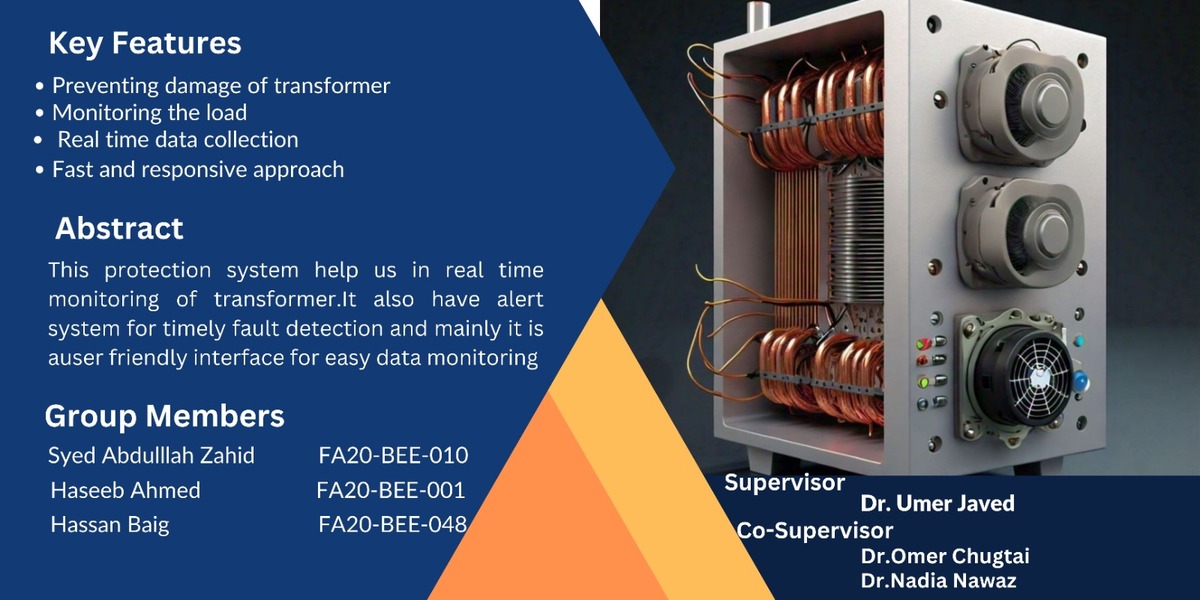
Transformer Protection And Control System
The main purpose of this project is the protection of transformer, and to improve the working of transformer.…
Supervisor: Dr. Umer Javed , Dr. Nadia Nawaz ,Dr. Omer Chugtai
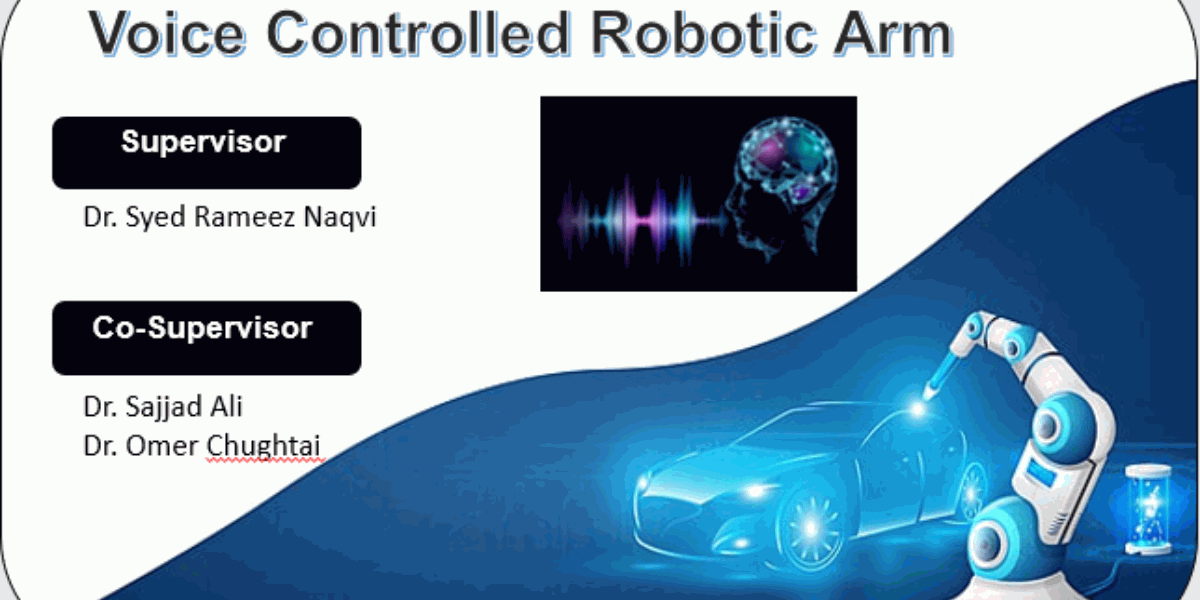
Voice Controlled Robotic Arm
1. A robotic arm is an electrical and mechanical machine that is used to perform tasks that require extreme pr…
Supervisor: Dr. Syed Rameez Naqvi

Automatic Indoor Farming Module
Introducing our Automatic Indoor Farming Module! Powered by an ESP32 microcontroller, it's a smart solution fo…
Supervisor: Engr. Riaz Hussain Junejo

Design and Development of an Automated Vehicle Entrance Registration System
The Automated Vehicle Entrance Registration System is an Efficient digital system for vehicle entry management…
Supervisor: Dr.Farooq Alam