Automatic Indoor Farming Module
Description
Introducing our Automatic Indoor Farming Module! Powered by an ESP32 microcontroller, it's a smart solution for growing plants indoors. Equipped with sensors for light, temperature, humidity, and soil moisture, it ensures optimal growing conditions. The module controls devices like UV lights, water pumps, and fans for automated irrigation and climate regulation. With a mobile app connected to Firebase, monitor real-time data from anywhere. Ideal for cultivating a variety of plants with ease and efficiency.
Objectives
Our project aims to revolutionize indoor farming by implementing automatic techniques controlled by an ESP32 microcontroller. The primary goal is to create an environment conducive to the growth of various plants, vegetables, and fruits within indoor spaces. By utilizing a range of sensors and devices, including light, temperature, humidity, soil moisture, and fire sensors, coupled with an array of actuators such as an exhaust fan, UV light, and water pump, we strive to create an autonomous system capable of maintaining optimal growth conditions for plants. Key Features: Environmental Monitoring: Real-time monitoring of crucial environmental parameters such as temperature, humidity, light intensity, and soil moisture levels to ensure ideal growth conditions for plants. Automated Control: Implementing automated control mechanisms to adjust environmental parameters based on sensor readings. This includes regulating the operation of devices like the water pump for irrigation, UV light for plant growth, and exhaust fan for temperature control. Remote Monitoring and Control: Developing a mobile application using MIT App Inventor and integrating it with Firebase for remote monitoring of environmental conditions. Users can access live sensor data, receive alerts for abnormal conditions such as fire detection, and remotely control devices. Cost-Effective Solution: While prioritizing functionality, we have omitted certain features such as auto-nutrient management, plant health monitoring, and advanced surveillance systems to ensure affordability and accessibility of the module. Initial Testing with Mint Plant: As a proof of concept, our initial testing will focus on growing mint plants to assess the effectiveness of our module in creating favorable growth conditions. This will involve monitoring the growth parameters and making adjustments as necessary to optimize plant health and yield.
Socio-economic benefit
The Automatic Indoor Farming Module showcases the power of technology and modernization in revolutionizing food production. This ESP32 microcontroller-controlled system, monitored by a user-friendly mobile app, empowers anyone to cultivate a variety of plants indoors year-round, unshackled by the limitations of weather. Floods, heavy rains, or storms become irrelevant, ensuring consistent yields and promoting local food security. But the benefits extend far beyond mere production. Precise control over growing conditions through real-time monitoring allows for optimized plant health, potentially leading to superior quality and more nutritious produce. Furthermore, the system employs water-saving irrigation techniques and offers opportunities for future integration of rainwater harvesting and solar power, creating a more sustainable solution. The social impact is undeniable, fostering new job opportunities in urban farming and technology sectors. Perhaps most importantly, this project serves as a springboard for education. Students can delve into the fascinating world of plant science, technology, and sustainable agriculture through the real-time data analysis features of the mobile app. This hands-on approach cultivates a deeper understanding of the intricacies of food production and empowers individuals to participate in a more responsible and efficient way to grow our food, independent of the whims of Mother Nature. This module is a testament to how technology and innovation can reshape agriculture, ensuring a more secure, sustainable, and knowledge-based future for our food systems.
Methodologies
The "Automatic Indoor Farming Module" project encompasses several key methodologies to ensure its successful implementation. Initially, thorough planning and requirements gathering are conducted to delineate project goals and identify necessary components. Hardware selection involves choosing the ESP32 microcontroller for its versatility and integrating sensors like light, temperature, humidity, soil moisture, and fire sensors, alongside control devices such as water pumps and UV lights. The software development phase focuses on firmware development using Arduino IDE, incorporating sensor interfacing, control logic, and Firebase integration for remote monitoring via a mobile application developed using MIT App Inventor. Rigorous testing and validation ensure system reliability and responsiveness across varied environmental conditions before deployment and integration into the indoor farming environment. Continuous monitoring and optimization post-deployment facilitate data-driven decision-making, leading to improved efficiency and plant health. Documentation and support efforts encompass comprehensive system documentation, user manuals, and ongoing assistance, ensuring users are equipped to operate and maintain the system effectively. Through these methodologies, the project aims to revolutionize indoor farming practices by providing an automated and sustainable cultivation solution.
Outcome
The "Automatic Indoor Farming Module" is a smart solution designed to cultivate various plants, vegetables, and fruits in indoor environments with minimal human intervention. Using an ESP32 microcontroller as the brain, the system incorporates a range of sensors and devices for automation and monitoring. Key components include light, temperature, humidity, and soil moisture sensors, along with a fire sensor for safety. These sensors gather real-time data on environmental conditions crucial for plant growth. The system adjusts parameters like irrigation, UV light exposure, and ventilation based on these readings. A mobile application connected to Firebase allows users to remotely monitor temperature, humidity, soil moisture, and receive fire alarms. The project's primary focus is on ensuring optimal conditions for plant growth while minimizing manual effort. Though some advanced features like automatic nutrient management, plant health monitoring, and solar power integration are omitted due to cost constraints, the system provides a solid foundation for indoor farming experiments. For initial testing, mint plants are chosen to gauge the system's effectiveness in creating favorable growing conditions. In essence, the "Automatic Indoor Farming Module" represents a step towards sustainable, technology-driven agriculture, enabling individuals to grow fresh produce efficiently within indoor spaces. With further enhancements and integration of cost-effective solutions, it has the potential to revolutionize urban farming and contribute to food security.
Gallery


More from Electrical & Computer Engineering
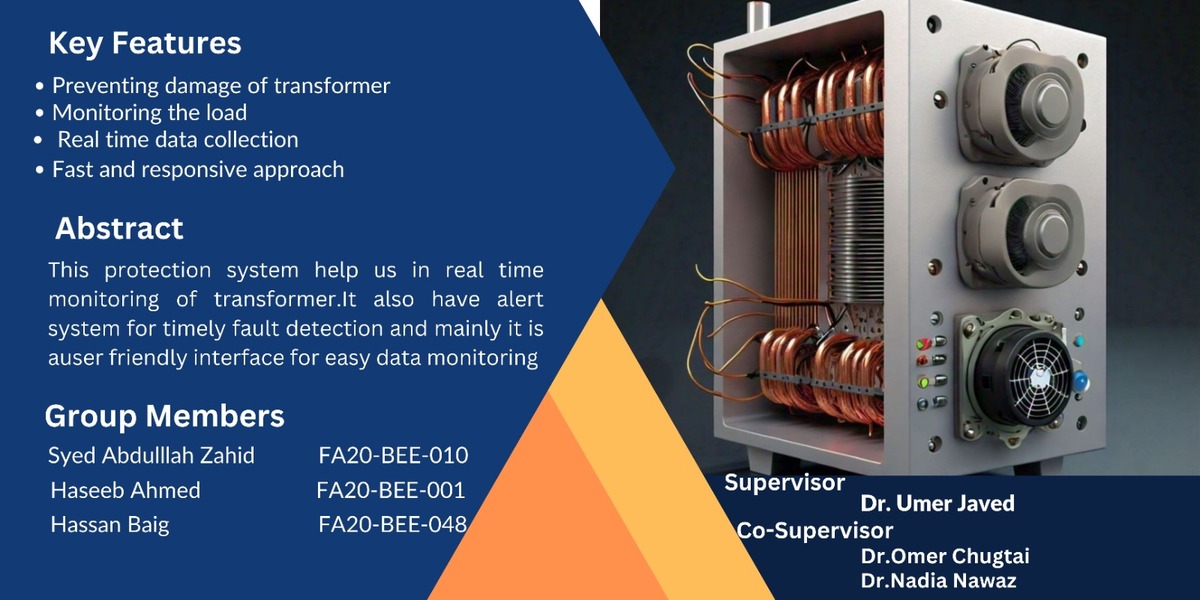
Transformer Protection And Control System
The main purpose of this project is the protection of transformer, and to improve the working of transformer.…
Supervisor: Dr. Umer Javed , Dr. Nadia Nawaz ,Dr. Omer Chugtai
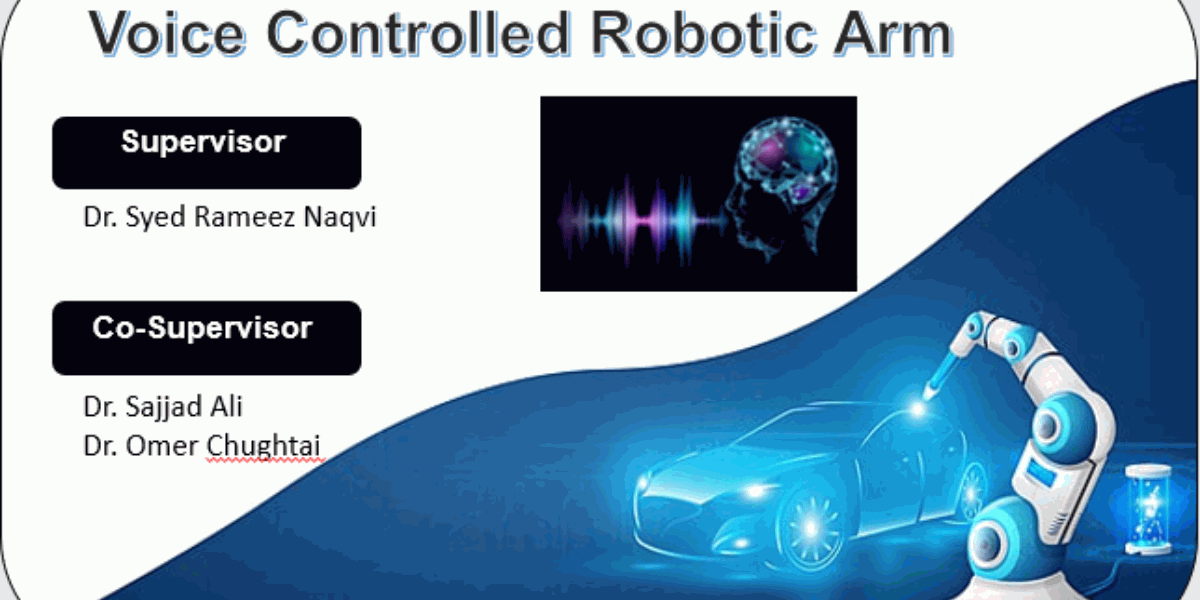
Voice Controlled Robotic Arm
1. A robotic arm is an electrical and mechanical machine that is used to perform tasks that require extreme pr…
Supervisor: Dr. Syed Rameez Naqvi

RENEWABLE ENERGY BASED WATER PURIFICATION SYSTEM
The integration of an ultrasonic sensor into reverse osmosis (RO) systems marks a significant advancement in w…
Supervisor: Bilawal Behram

Design and Development of an Automated Vehicle Entrance Registration System
The Automated Vehicle Entrance Registration System is an Efficient digital system for vehicle entry management…
Supervisor: Dr.Farooq Alam