Objectives
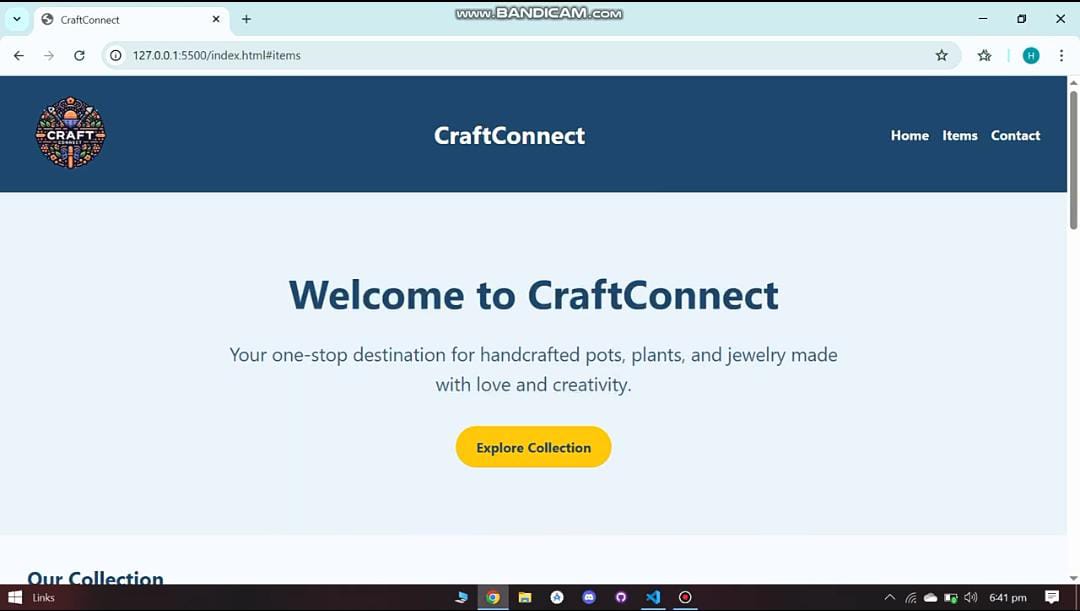
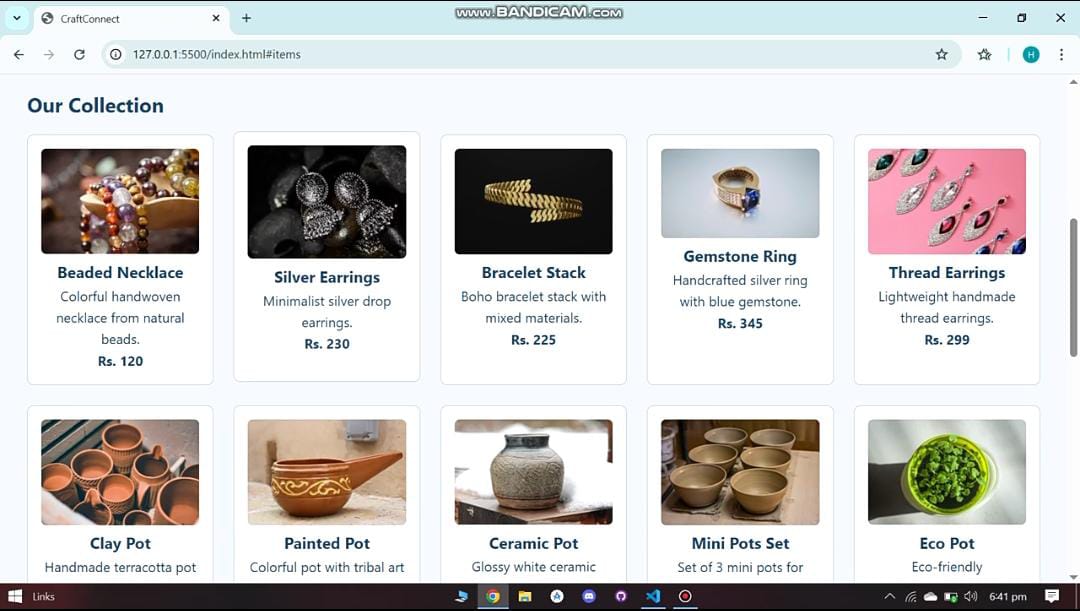
To build an inclusive, sustainable, and accessible virtual marketplace that empowers local artisans by providing them with a digital platform to market and sell their handmade products, thus bridging the gap between traditional craftsmanship and modern consumer demand.
This objective is not just about digitization; it embodies empowerment, equity, and cultural preservation. The idea is to take centuries-old traditional crafts and elevate them through modern technological tools, making them available to the world while securing the livelihoods of the artisans.
Socio-Economic Benefit
CRAFTCONNECT is designed to bring transformative socio-economic change by empowering local artisans, particularly in rural Pakistan. The platform directly connects artisans to buyers, eliminating middlemen and enabling fairer income distribution. This model not only increases artisans’ earnings but also expands their reach from local markets to national and global customers.
One of the most profound impacts of CRAFTCONNECT is economic empowerment. Artisans gain higher profit margins, consistent income, and increased demand for their products, which in turn promotes job creation within their communities. By scaling production, artisans can hire others, reducing rural unemployment and fostering local skill development.
The project strongly supports women empowerment by offering home-based income opportunities. Women who face mobility or cultural barriers can now participate in the digital economy, gaining financial independence. With access to mobile banking and digital payments, the platform promotes financial inclusion, raising women's confidence and social status.
CRAFTCONNECT also plays a vital role in cultural preservation. Many traditional crafts are endangered due to declining demand. By showcasing these crafts online, the platform revives interest and appreciation for Pakistan’s rich heritage, such as Sindhi embroidery and Multani pottery. It also shares artisans’ stories and craft-making processes to educate consumers and promote cultural pride.
Through its focus on rural development, the project helps decentralize economic growth. It reduces migration to cities by creating sustainable income sources in villages. Over time, it stimulates infrastructure improvements such as better internet, packaging services, and logistics support in rural areas.
From an environmental perspective, the platform promotes sustainable production by supporting handmade, eco-friendly, and locally sourced products. This helps counter fast fashion and promotes responsible consumer behavior.
CRAFTCONNECT also contributes to digital inclusion. Training artisans in smartphone use, online selling, and customer communication boosts their digital literacy and integrates them into the formal economy. Over time, this encourages the formalization of small enterprises, enhances business practices, and improves access to finance and government support.
Furthermore, the platform attracts youth by making traditional crafts appealing through innovation, fusion designs, and online visibility. This ensures skill preservation across generations.
On a national level, the project contributes to e-commerce growth, export potential, and tax revenue, while aligning with key government initiatives like Vision 2025 and the UN Sustainable Development Goals. It is a scalable model for inclusive economic growth and social transformation.
Methodologies
The successful execution of CRAFTCONNECT depends on a multi-phase, inclusive, and user-centered project methodology. Our approach blends community engagement, agile development, capacity building, and strategic partnerships to ensure the platform is not only technologically sound but also socially impactful and sustainable.
1. Needs Assessment and Community Engagement: The first step involves conducting detailed surveys, interviews, and field visits in artisan communities to understand their specific needs, challenges, and expectations. This grassroots-level data collection ensures that the platform is designed with empathy and relevance. Stakeholders—especially women and marginalized artisans—are included in early planning to build trust and ensure inclusivity.
2. Human-Centered Platform Design: Using a human-centered design approach, we develop a user interface that is simple, intuitive, and accessible, even for low-literacy users. Language options (including Urdu and regional languages), voice prompts, and image-based navigation are incorporated. Feedback from artisans is continuously used to refine the design.
3. Agile Development Process: CRAFTCONNECT is built using agile methodology, allowing iterative development and flexibility. Each development sprint results in functional components—such as product listing, secure payments, customer chat, and order tracking. Regular testing with real users ensures usability and early problem detection.
4. Digital Skills Training: Parallel to development, local training sessions and workshops are organized to teach artisans how to use smartphones, register on the platform, upload products, manage orders, and handle customer queries. Digital literacy is a cornerstone of the project, ensuring sustainable use and adoption.
5. Content Development and Storytelling: A dedicated team collects artisan profiles, craft histories, and production processes to build engaging content for the platform. This includes photos, videos, and blog articles that not only enhance product appeal but also educate consumers about cultural heritage.
6. Logistics and Payment Integration: We partner with logistics companies and mobile wallet services (e.g., JazzCash, EasyPaisa) to enable doorstep delivery and secure payments. Artisans can receive payments directly into their accounts, promoting financial inclusion.
7. Monitoring and Evaluation: A robust M\&E framework tracks key performance indicators such as number of registered artisans, sales volume, income changes, gender participation, and customer satisfaction. Regular reports and feedback loops inform continuous improvement.
8. Collaboration and Partnerships: Partnerships are established with NGOs, women cooperatives, craft councils, universities, and government bodies. These collaborations help expand outreach, validate training modules, and promote policy alignment.
9. Marketing and Outreach Strategy: A targeted marketing campaign uses social media, influencers, exhibition.
Outcome
The implementation of CRAFTCONNECT is expected to produce a wide range of tangible and intangible outcomes that collectively support inclusive economic growth, social empowerment, cultural preservation, and digital advancement in Pakistan.
1. Increased Artisan Incomes: One of the most significant outcomes is the measurable increase in income for participating artisans. By removing intermediaries and giving artisans direct access to national and international buyers, they will be able to earn fair prices for their products, stabilize their earnings, and improve their financial wellbeing.
2. Employment Generation in Rural Areas: As demand grows, artisans are likely to scale production and employ others in their communities. This will create new jobs, especially for women and youth, and reduce rural unemployment. It will also promote skill transfer within families and communities.
3. Empowered Women Entrepreneurs: CRAFTCONNECT will help hundreds of women artisans gain access to a formal market while working from home. They will benefit from income generation, increased self-confidence, and greater participation in household and community decision-making processes.
4. Digital and Financial Inclusion: Many rural artisans currently lack digital and financial tools. Through training and support, these artisans will become familiar with smartphones, mobile banking, digital communication, and online selling. This inclusion lays the foundation for long-term economic resilience.
5. Revival and Recognition of Traditional Crafts: By showcasing Pakistan’s diverse crafts to local and global audiences, the platform will revive endangered artisan skills and promote national heritage. Unique crafts from regions like Sindh, Balochistan, Gilgit-Baltistan, and Punjab will gain recognition and market demand.
6. Formation of a Sustainable Artisan Ecosystem: CRAFTCONNECT will create a network of artisans, trainers, buyers, logistics providers, and support organizations. This ecosystem will support continuous learning, collaboration, innovation, and long-term growth in the artisan sector.
7. Contribution to National Economy and Exports:As the platform scales, artisan exports will rise, contributing to Pakistan’s foreign exchange reserves. The onboarding of artisans into the formal economy will increase e-commerce activity, tax revenue, and SME visibility.
8. Mindset Shift in Consumer Behavior: The platform will raise consumer awareness about ethical buying and the value of handmade products. This will lead to more responsible consumption and support for sustainable, local economies.
9. Reduced Urban Migration: With viable earning opportunities available in rural areas, there will be less pressure on urban centers due to migration. This will support more balanced regional development and reduce strain on city infrastructure.
10. Scalable and Replicable Model: CRAFTCONNECT’s structure and success will serve as a model for similar initiatives in other sectors or regions.