
Real-Time Fuel Theft Monitoring System Using PLC and SCADA
Description
The “Real-Time Fuel Theft Monitoring System” is an intelligent industrial monitoring solution designed to measure and monitor fuel levels in storage tanks continuously and accurately. The system uses non-contact ultrasonic/radar sensors integrated with a PLC (Programmable Logic Controller) and SCADA (Supervisory Control and Data Acquisition) system for real-time visualization, monitoring, and theft detection.This project aims to overcome common issues faced in petrol pumps and industrial fuel storage facilities such as fuel theft, leakage, inaccurate manual measurements, and delayed monitoring. Traditional dip-stick methods are unsafe, time-consuming, and prone to human error. Therefore, this project introduces an automated monitoring approach that enhances operational safety, reliability, and efficiency.The sensor measures the fuel level without direct contact with the liquid and sends analog signals (4–20mA or 0–10V) to the PLC. The PLC processes the received data, calculates the f
Objectives
The primary objective of this project is to develop a smart and automated fuel monitoring system capable of measuring fuel levels accurately and detecting theft or leakage in real time. The system focuses on replacing traditional manual fuel measurement techniques with a modern PLC and SCADA-based automation solution. Another major objective is to ensure safety while monitoring flammable liquids. Conventional methods require direct interaction with fuel tanks, which may lead to accidents and inaccurate readings. Therefore, non-contact ultrasonic/radar sensing technology is used to eliminate physical contact and improve measurement reliability. The project also aims to provide continuous monitoring through a SCADA interface where operators can visualize tank levels, volume percentages, and alarm conditions instantly. Historical data logging allows industries to maintain records for auditing and analysis purposes. Additionally, the project supports remote monitoring using mobile devices through SIMATIC WinCC SmartClient, enabling operators to supervise fuel levels and alarms from any location. This improves response time and operational flexibility in industries and petrol stations. The final objective is to minimize fuel losses, improve inventory management, and enhance industrial safety standards through an automated, efficient, and intelligent monitoring solution.
Socio-economic benefit
The Real-Time Fuel Theft Monitoring System provides significant socio-economic benefits to industries, fuel stations, and organizations handling petroleum products. One of the major advantages is the reduction of fuel theft and leakage losses. Fuel theft is a serious issue that causes financial damage to businesses, and this system helps minimize such losses through continuous monitoring and alarm generation. The automation of fuel measurement also reduces dependency on manual labor and eliminates human errors. Traditional dip-stick methods are not only inaccurate but also dangerous due to direct exposure to flammable liquids. By using non-contact sensors, the project improves worker safety and reduces operational risks. The system also contributes to efficient inventory management by providing accurate real-time fuel data. Industries can maintain proper fuel records, optimize fuel consumption, and make better operational decisions. Historical logging and reporting features further support auditing and management processes. Another socio-economic benefit is the reduction in maintenance and operational costs. Early detection of leakage or abnormal fuel reduction helps prevent major losses and environmental hazards. Remote monitoring through mobile applications also reduces the need for continuous on-site supervision, saving both time and resources. Overall, the project promotes industrial automation, improves safety standards, increases operational transparency, and contributes to economic efficiency in fuel management systems.
Methodologies
The project follows a systematic methodology for monitoring fuel levels and detecting theft in real time. The first step involves sensing the fuel level using a non-contact ultrasonic or radar sensor. These sensors measure the distance between the sensor and the liquid surface without direct contact, making the system safe for flammable liquids. The sensor generates analog output signals in the form of 4–20mA or 0–10V, which are transmitted to the PLC. The PLC acts as the main controller of the system and processes the received analog signals using programmed logic. Mathematical formulas are implemented inside the PLC to convert sensor readings into actual fuel volume values. After processing, the PLC sends the calculated data to the SCADA system. SCADA provides a graphical user interface where operators can visualize fuel levels, tank filling percentages, digital volume readings, and alarm statuses in real time. The interface also stores historical data logs for future analysis and auditing. The system continuously compares fuel levels to identify sudden abnormal drops that may indicate theft or leakage. Whenever suspicious activity is detected, alarms are activated automatically to alert the operator. For remote accessibility, the project integrates SIMATIC WinCC SmartClient, enabling mobile monitoring and control. Operators can check system status, view alarms, and monitor tank conditions remotely through smartphones or tablets. The complete methodology ensures accurate monitoring, automation, safety, and operational efficiency in fuel storage management systems.
Outcome
The successful implementation of the Real-Time Fuel Theft Monitoring System demonstrates the effectiveness of automation in industrial fuel management. The system achieved accurate and continuous fuel level monitoring using ultrasonic/radar sensing integrated with PLC and SCADA technologies. One of the key outcomes of the project is the ability to detect fuel theft and leakage in real time. The system generates alarms immediately when abnormal fuel level changes occur, helping operators respond quickly and prevent major financial losses. The SCADA interface provided a user-friendly graphical environment for monitoring fuel tanks. Features such as digital volume display, graphical tank representation, alarm indicators, and historical data logging improved operational visibility and system management. Another important outcome was the enhancement of industrial safety. Since the system uses non-contact sensing techniques, the risk associated with manual fuel measurement methods was significantly reduced. The automated approach also improved accuracy and minimized human errors. The integration of mobile monitoring through SIMATIC WinCC SmartClient further increased system flexibility by allowing remote supervision and control. Operators could access live fuel data and alarm notifications from mobile devices anytime and anywhere. Overall, the project successfully delivered a reliable, safe, and cost-effective solution for real-time fuel monitoring and theft detection, making it highly beneficial for petrol stations, fuel depots, and industrial storage facilities.
Gallery

More from Electrical Engineering
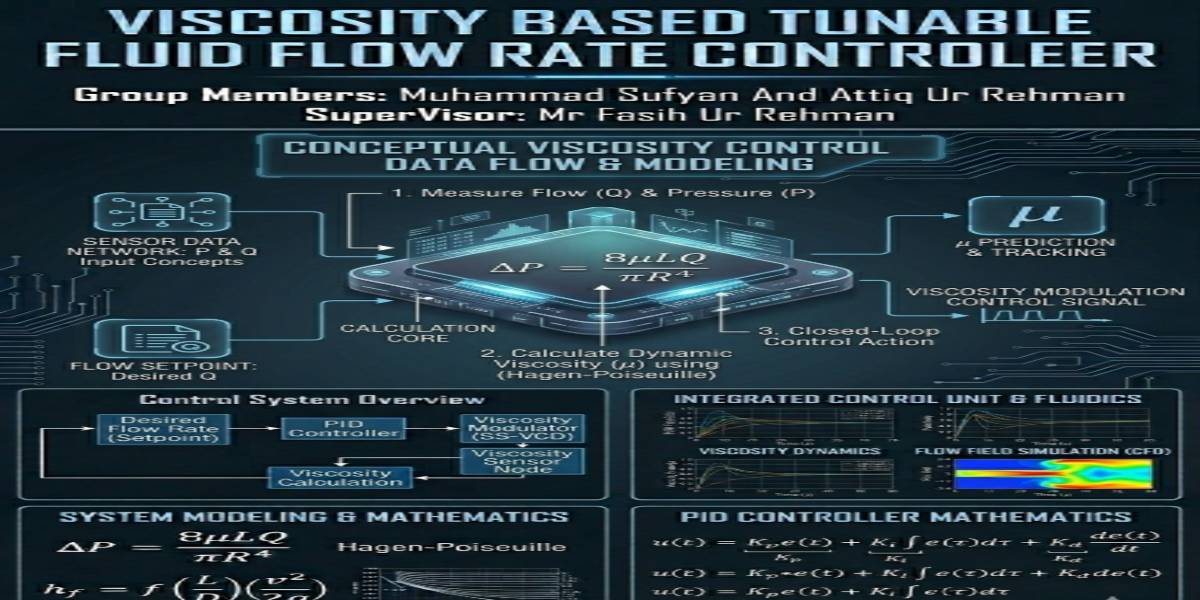
Viscosity Based Tunable Fluid Flow Rate Controller using PID
The “Viscosity Based Tunable Fluid Flow Rate Controller using PID” is an intelligent fluid control system desi…
Supervisor: Dr. Fasih Ur Rehman
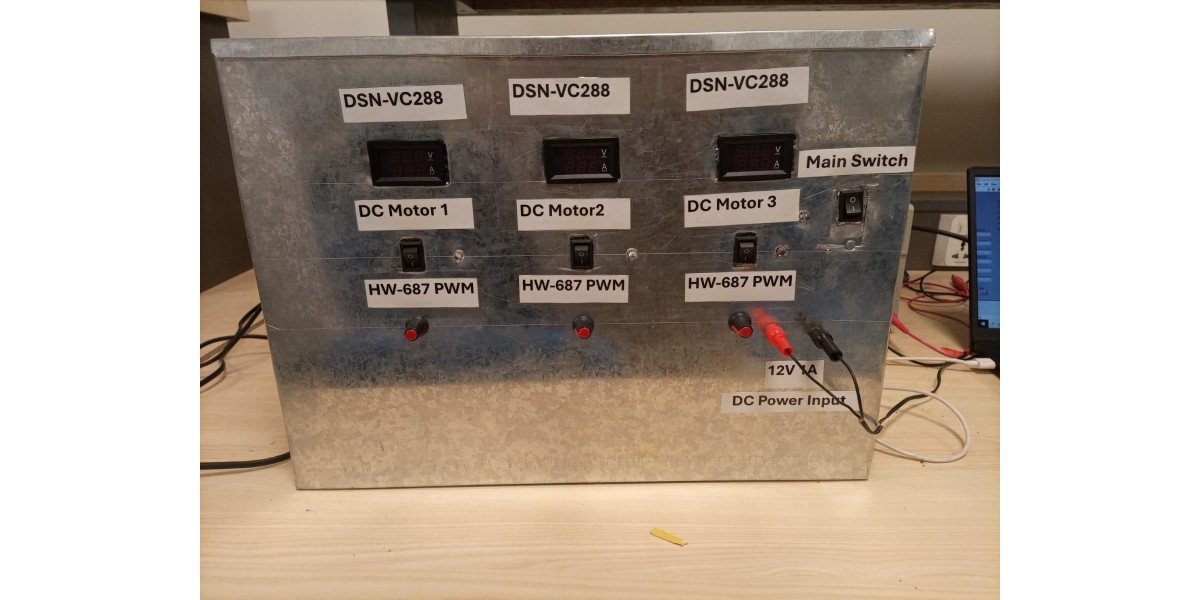
Real-Time Industrial Machinery Vibration Monitoring Using Labview
Real-Time Industrial Machinery Vibration Monitoring Using LabVIEW is a condition monitoring system designed to…
Supervisor: Dr. Zahoor Uddin
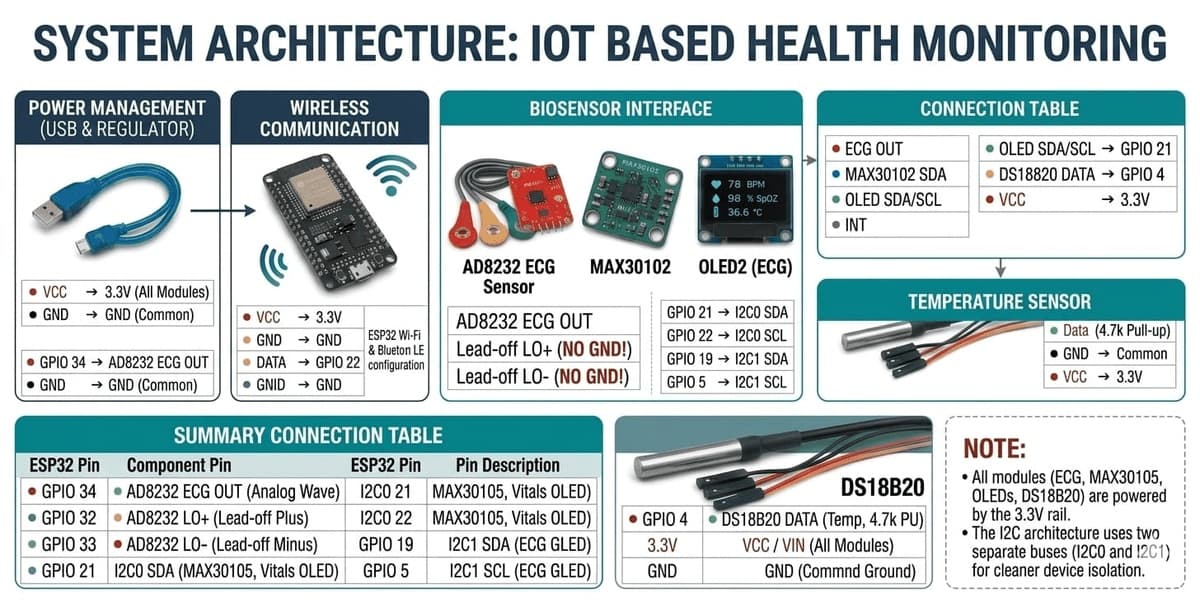
IoT Based Connected Care Health Monitoring System
Real-time IoT health monitoring system for monitoring patient vitals remotely using ESP32 sensors and MQTT clo…
Supervisor: Dr. Sadiq Ahmad
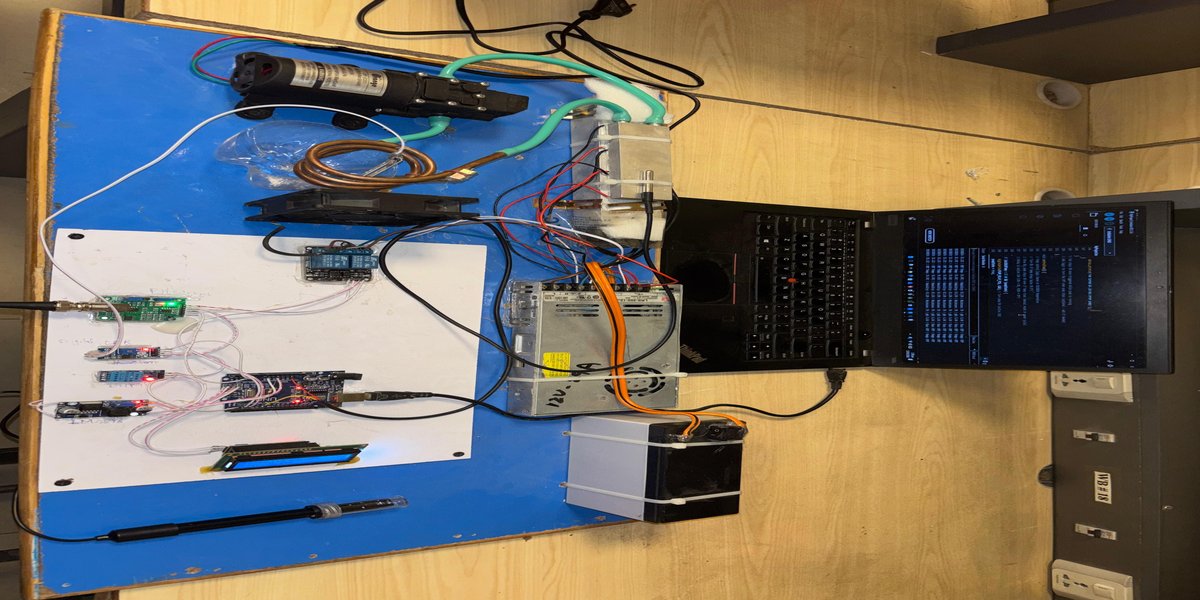
Atmospheric Water Generator
This project presents a low-cost Atmospheric Water Generator that extracts potable water directly from humid a…
Supervisor: Riaz Hussain Junejo