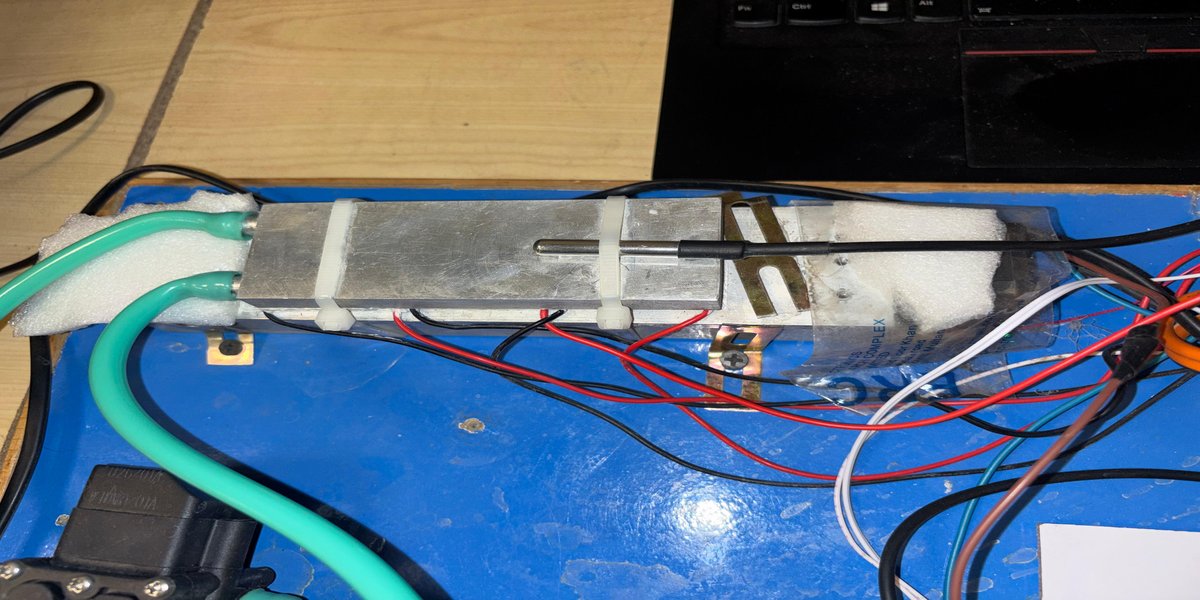
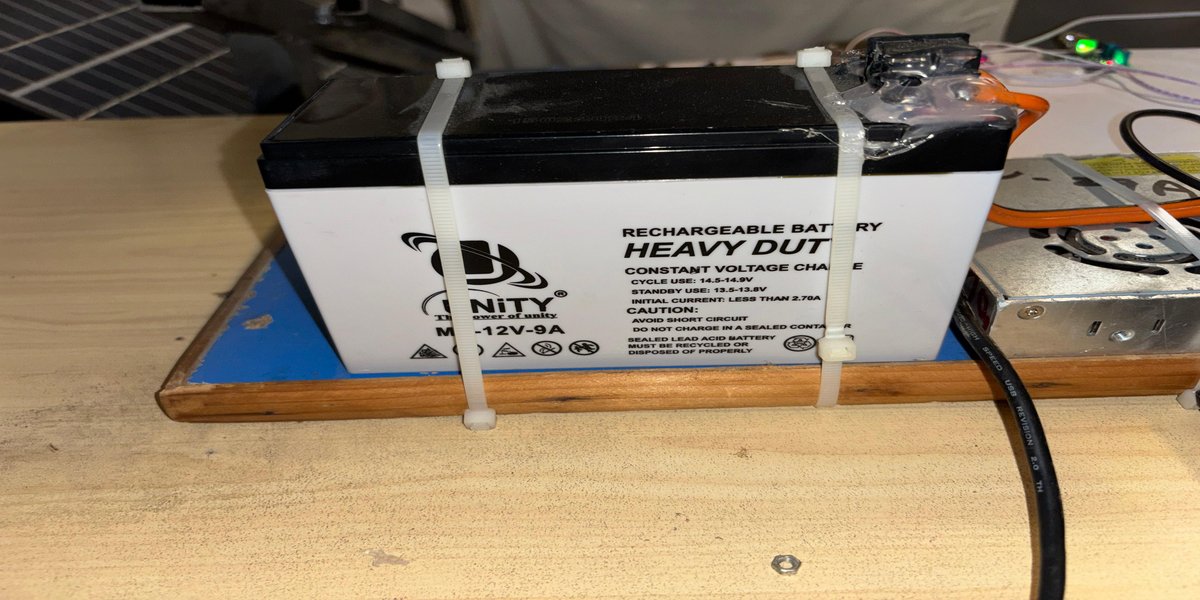
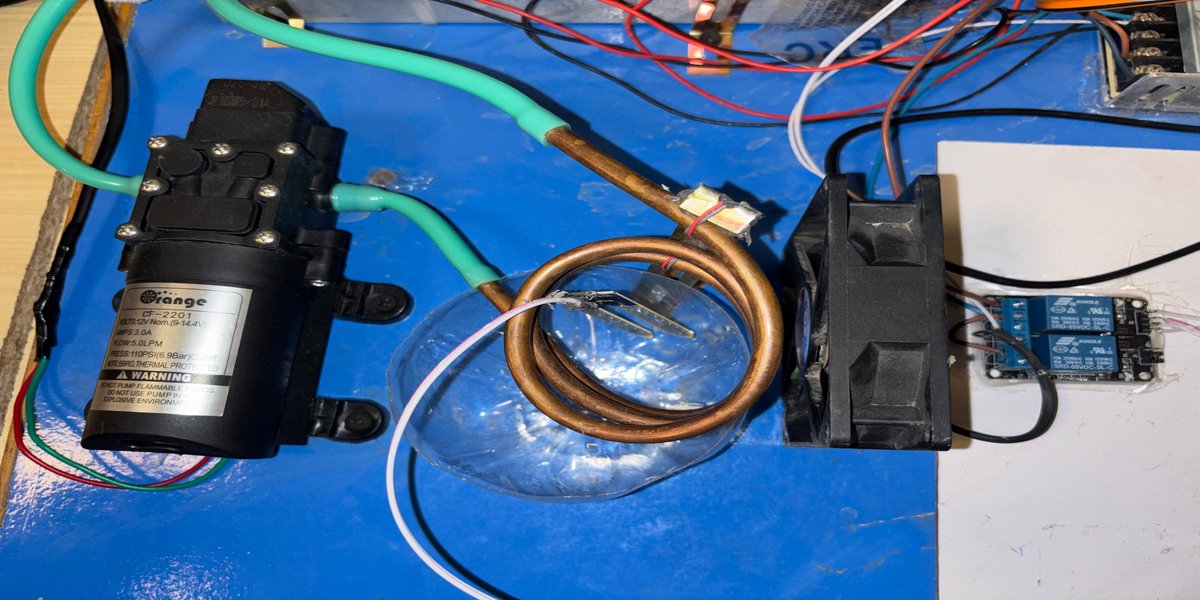
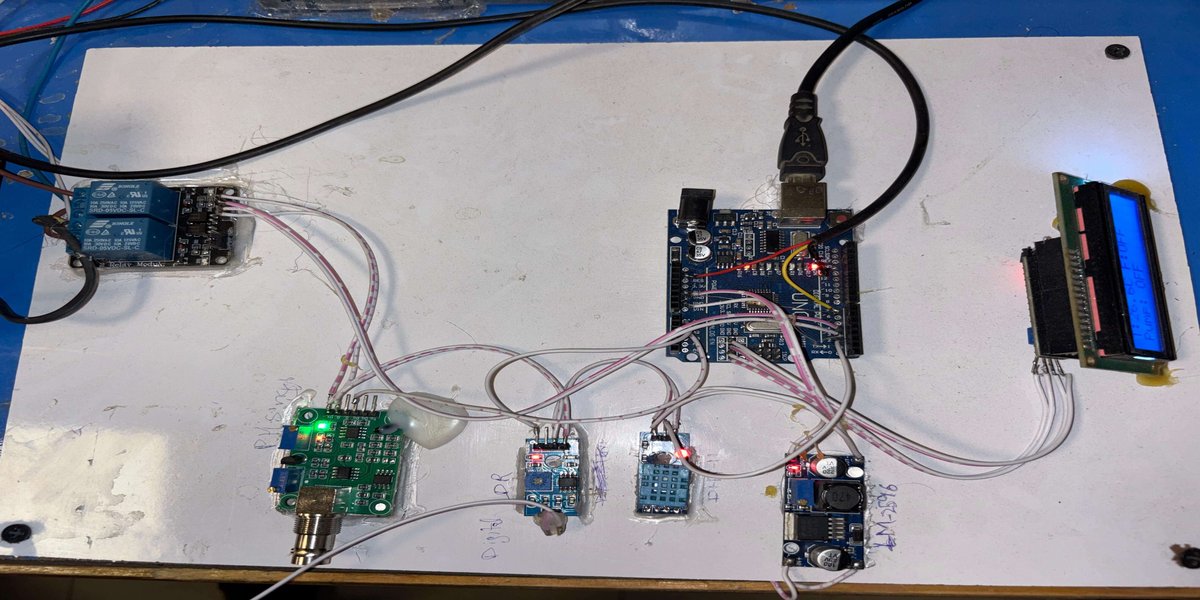
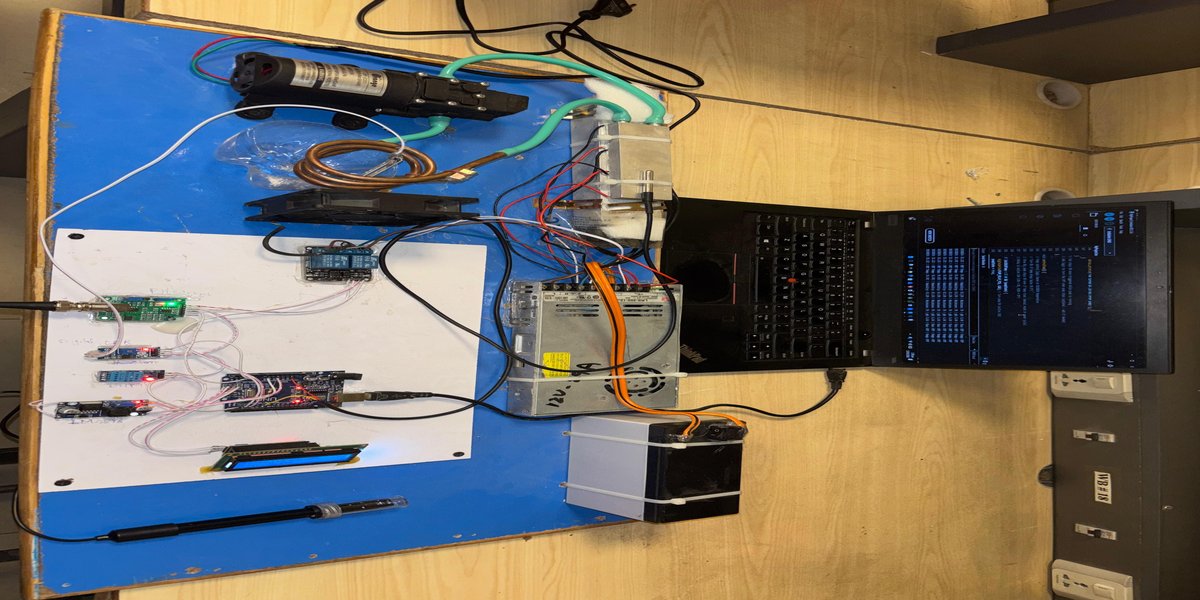
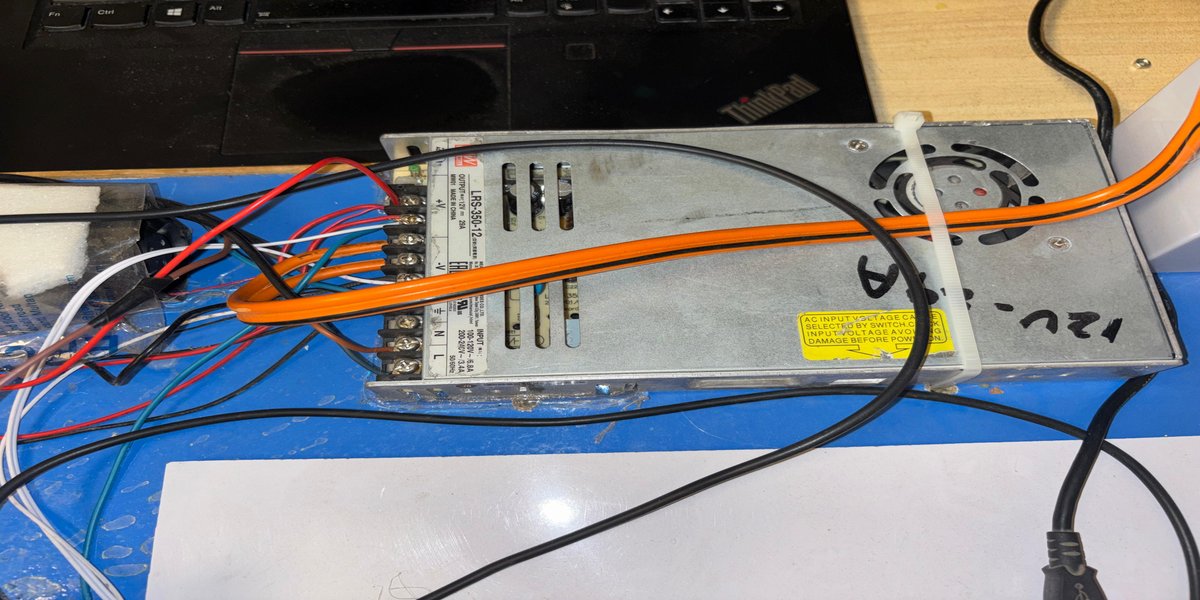
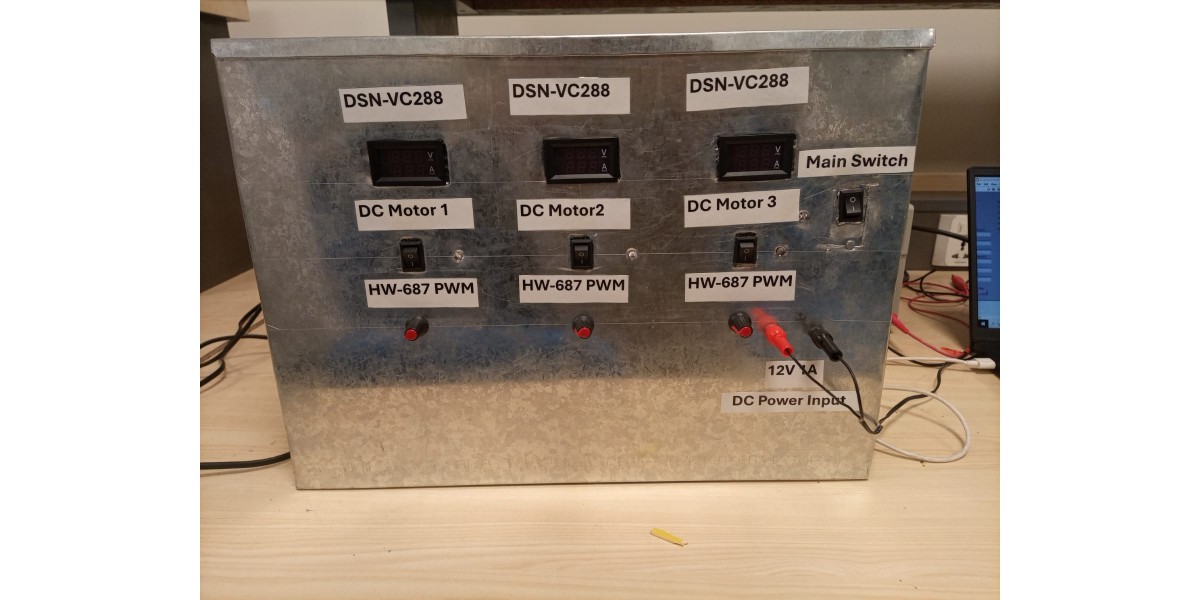
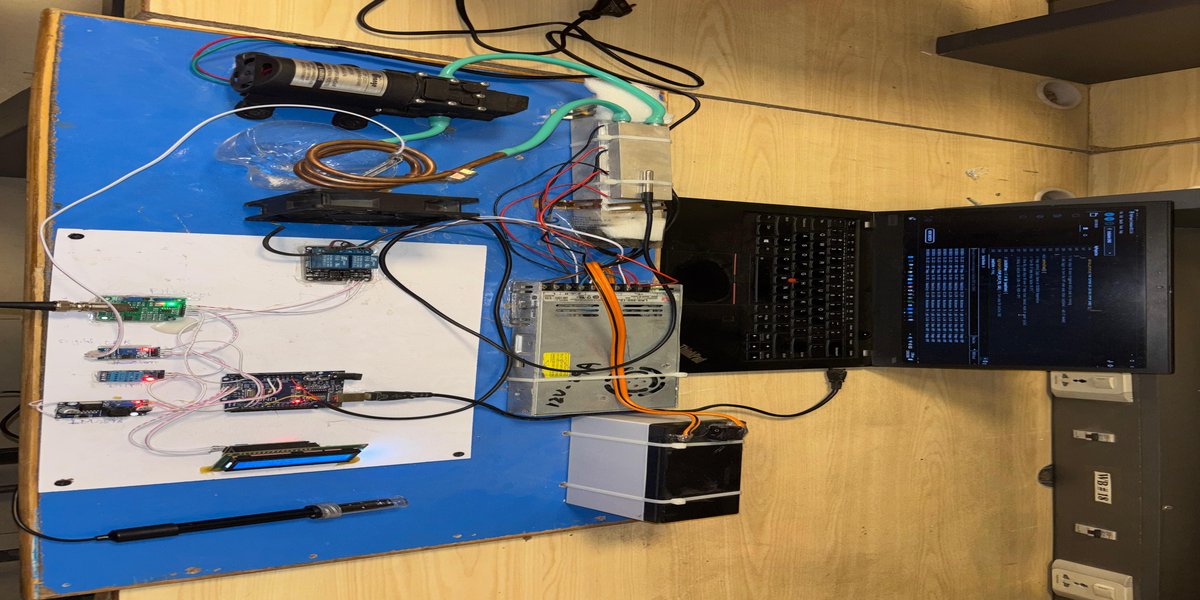
This project presents a low-cost Atmospheric Water Generator that extracts potable water directly from humid air using a Peltier (TEC) module. Moist air is drawn over a cold surface cooled below the dew point via the Peltier effect, causing condensation. The collected water is monitored by a TDS sensor to measure its quality and purity. An Arduino UNO serves as the central controller, reading temperature and humidity via DHT11 and DS18B20 sensors, and automatically managing the cooling module, DC fans, and water pump through a relay module. An LCD displays real-time system parameters including water quality readings. The system operates autonomously with threshold-based control logic, making it suitable for areas with limited freshwater access. It offers an energy-efficient, scalable solution for water scarcity challenges.
Objectives
The main goal of this project is to build a machine that collects water from the air using a Peltier (TEC) module. Since clean water is becoming harder to find in many areas, this system offers a simple and low-cost way to generate water directly from atmospheric humidity.
The specific objectives are:
1. Collect Water from Air
Use the Peltier module to cool a surface so that moisture in the air condenses into water that can be collected and used.
2. Automatic Operation
Use Arduino UNO to automatically control all parts of the system — fans, Peltier module, and water pump — without any manual effort.
3. Monitor Temperature and Humidity
Use DHT11 and DS18B20 sensors to continuously check the surrounding temperature and humidity so the system works efficiently.
4. Check Water Quality
Use a TDS sensor to measure how pure the collected water is and display it to the user.
5. Easy to Read Display
Show all sensor readings on an LCD screen so the user can easily monitor the system at any time.
6. Help with Water Shortage
Provide a working prototype that can be used as an alternative water source in areas where clean water is not easily available.
7. Test the Prototype
Build and test the complete system to make sure all components work together properly in real conditions.
Socio-Economic Benefit
1. Clean Water Access for Poor Communities
Many low-income areas lack access to clean drinking water. This system can provide a low-cost alternative water source without relying on pipelines or expensive infrastructure.
2. Reduces Water Buying Cost
Families who buy bottled or filtered water daily can save money by using this system to generate water at home at a much lower cost.
3. Useful in Water-Scarce Regions
Areas facing drought or groundwater depletion can benefit from this technology since it only requires humid air to produce water.
4. Low Maintenance Cost
The system has no filters to replace regularly and uses simple, affordable components, making it easy and cheap to maintain.
5. Supports Rural Development
In remote villages where water supply is unreliable, this system can work independently using a solar panel, reducing dependence on government water supply.
6. Job Creation
Local manufacturing, assembly, and maintenance of such systems can create small-scale employment opportunities in communities.
7. Reduces Waterborne Diseases
By providing a source of cleaner water, the system can help reduce diseases caused by contaminated water, lowering healthcare costs for families.
8. Environmental Benefit
Reduces the need for plastic bottled water, helping decrease plastic waste and its environmental impact.
Methodologies
1. Problem Identification
The project began by identifying the growing issue of freshwater scarcity in many regions. Research was conducted to understand how atmospheric water generation works and how a Peltier-based system could provide a practical and low-cost solution.
2. System Design
A complete system architecture was designed before hardware assembly. This included selecting appropriate components based on availability, cost, and compatibility with Arduino UNO. The design covered the cooling mechanism, sensor integration, relay-based switching, and water collection setup.
3. Component Selection
Each component was carefully chosen based on project requirements:
Peltier Module (TEC) for thermoelectric cooling
DHT11 & DS18B20 for temperature and humidity sensing
TDS Sensor for water quality measurement
Relay Module for controlling high-power components
DC Fans & Water Pump for airflow and water transfer
Arduino UNO as the main controller
LCD Display for real-time monitoring
4. Hardware Assembly
All components were mounted on a base board and connected according to the circuit design. The Peltier module was placed with a heatsink and fans to manage heat dissipation. The water pump and tubing were set up to transfer collected water to the container.
5. Software Development
The control code was written in Arduino IDE. The program continuously reads sensor data and applies threshold-based logic to automatically turn the Peltier module, fans, and pump on or off. The LCD is updated in real time to display current readings.
6. Testing and Debugging
After assembly, the system was tested under real environmental conditions. Issues like sensor misreadings, relay chattering, and pump control were identified and fixed through code adjustments and hardware corrections.
7. Performance Evaluation
The system was evaluated based on:
Amount of water collected over time
Accuracy of sensor readings
Stability of automatic control
TDS readings of collected water
8. Result Analysis
Collected data was analyzed to assess system performance and identify areas for improvement. Results confirmed that the system successfully condenses and collects water from atmospheric humidity.
Outcome
1. Working Prototype Successfully Built
A fully functional Peltier-based Atmospheric Water Generator was designed, assembled, and tested. All components including the Arduino UNO, Peltier module, sensors, relay module, fans, and water pump were successfully integrated into a single working system.
2. Water Successfully Collected from Air
The system was able to condense moisture from atmospheric humidity and collect it as liquid water. The Peltier module effectively cooled the surface below the dew point, confirming the core working principle of the project.
3. Automated Control Achieved
The Arduino-based control system successfully automated the operation of all components. The fans, Peltier module, and water pump were controlled automatically based on real-time sensor readings without any manual input.
4. Real-Time Monitoring Functional
Temperature and humidity readings from DHT11 and DS18B20 sensors were accurately displayed on the LCD in real time. The system responded correctly to changes in environmental conditions.
5. Water Quality Measured
The TDS sensor successfully monitored the quality of the collected water and displayed the readings on the LCD, giving the user a clear indication of water purity.
6. Threshold-Based Logic Verified
The programmed control logic worked as expected. The system turned components on and off based on defined thresholds, ensuring stable and efficient operation without unnecessary power consumption.
7. Practical Feasibility Demonstrated
The project proved that it is practically possible to build a low-cost atmospheric water generator using simple and affordable components. The prototype serves as a proof of concept for larger-scale implementation.
8. Identified Areas for Future Improvement
Through testing, areas for further development were identified, such as increasing water output by using a more powerful Peltier module, adding a proper filtration stage, or integrating solar power for off-grid use.