AI-Powered Mannequin-Based Medical Training System (AIMMS)
Description
AI-Powered Mannequin-Based Medical Training System (AIMMS) is developed to improve practical medical training by integrating artificial intelligence, sensor based monitoring, and real time feedback mechanisms into a single platform. The system is specifically designed for medical students and instructors to support hands on learning in a controlled and interactive environment.The project combines two major functionalities, CPR performance monitoring and AI-based throat anatomy detection. For CPR training, sensors are integrated inside a mannequin to measure compression force and depth during practice sessions. For throat examination training, an HD endoscopic camera captures real time images which are processed using an AI model for anatomy detection.The system also provides session management, performance logs, report generation, and role based access for trainees and instructors.
Objectives
The main objective of this project is to develop an intelligent and interactive medical training system that improves practical learning experiences for medical students through artificial intelligence and real time monitoring technologies. Traditional medical mannequins often provide limited feedback during practice sessions, making it difficult for students to evaluate their performance accurately. Moreover, advanced imported simulators are usually expensive and may not be easily accessible for all institutions. This project addresses these limitations by creating a cost effective solution that combines hardware sensors, AI-based analysis, and digital performance tracking. The objectives of the system include: • To provide real time CPR monitoring using sensor-based measurements. • To assist students in understanding throat anatomy through AI-powered live detection. • To maintain training records and performance history digitally. • To provide instructors with monitoring and evaluation tools. • To generate reports that help students track improvement over time. • To create an affordable and scalable medical training solution.
Socio-economic benefit
This project provides educational, technical, and socio economic benefits by introducing an affordable training platform that can improve healthcare education quality. One of the major advantages of AIMMS is cost effectiveness. Many advanced medical simulators are expensive and difficult for institutions with limited budgets to acquire. This project offers a locally developed alternative that provides intelligent feedback at a lower cost. The project also contributes to improved learning outcomes by enabling students to practice repeatedly while receiving immediate feedback. Students can identify mistakes, analyze previous performance logs, and improve practical skills through continuous training. For instructors, the system simplifies trainee evaluation through digital monitoring and automated record keeping. This reduces dependency on manual assessment methods and improves training management efficiency. The project also promotes interdisciplinary collaboration between computer science and healthcare fields by demonstrating the practical use of artificial intelligence in medical education. In the long term, better training environments can contribute toward producing more skilled healthcare professionals, which may indirectly improve healthcare quality and patient safety.
Methodologies
The development methodology of AIMMS follows a modular and integrated approach consisting of hardware development, dataset preparation, AI model training, software development, and database integration. Hardware Development: The hardware module consists of a medical mannequin integrated with a load-cell sensor for CPR monitoring. The load-cell sensor measures force applied during compressions and sends analog signals to the HX711 amplifier module. The amplified data is processed through Arduino Uno and transmitted to the software application through serial communication. For anatomy detection, an HD endoscopic camera is attached to capture live throat images from the mannequin during training sessions. Dataset Preparation and AI Training: A dataset consisting of 1491 throat images was collected and prepared for training purposes. Images were manually annotated and organized into six classes: • Uvula • Tongue • Tonsils • Hard Palate • Soft Palate • Posterior Wall Data augmentation techniques were applied to improve dataset diversity and enhance model performance. Roboflow was used for annotation, preprocessing, and dataset management. The AI model was trained using YOLOv8 for 50 epochs to perform real-time object detection on throat anatomy images. Software Development: The desktop application was developed using Python and PyQt5 to provide an interactive graphical interface. The software includes: • User authentication system • Trainee dashboard • Instructor dashboard • Training launchpad • Performance logs • Report generation module OpenCV was used for video capture and image processing, while SQLite was used for database management. Database and Reporting: SQLite database integration enables storage of user information, CPR logs, detection history, and session records. The reporting module allows both trainees and instructors to generate downloadable PDF reports for performance evaluation and progress tracking.
Outcome
The project successfully developed an integrated medical training platform capable of performing real-time CPR monitoring and AI-based throat anatomy detection. The CPR module provides immediate feedback regarding compression performance, while the anatomy detection module identifies throat structures in live video streams. Performance logs allow students to monitor progress over time, while instructors can evaluate training sessions more efficiently. The system successfully stores session information, maintains training history, and generates PDF reports for future analysis. Overall, AIMMS demonstrates how artificial intelligence, embedded systems, and software development can be combined to create an intelligent and affordable medical training solution that supports both trainees and instructors.
Gallery


More from Computer Science
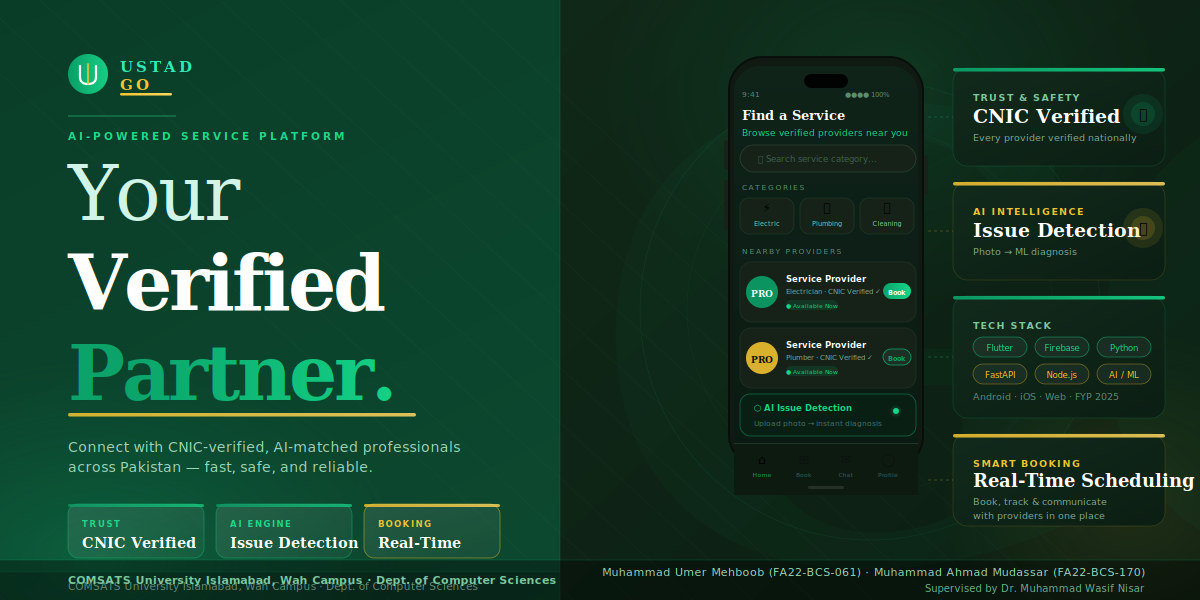
Ustad Go: An AI-Powered Mobile and Web Ecosystem for Verified Local Service Provision in P…
Ustad Go is a dual-platform solution bridging the gap between skilled local service providers and households.…
Supervisor: Dr. Wasif Nisar
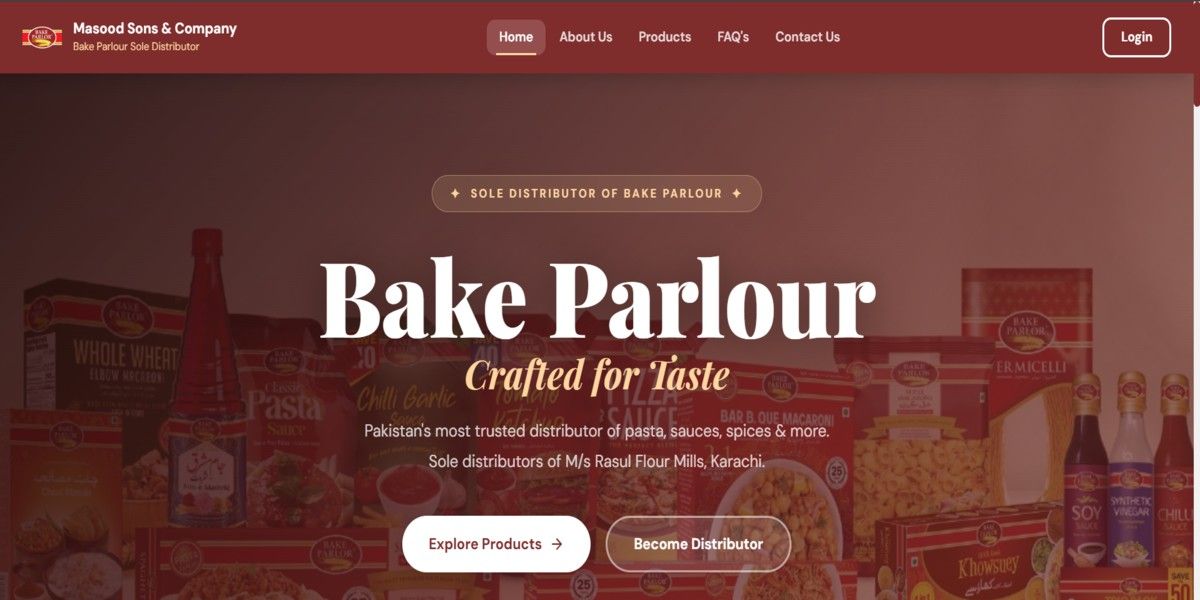
Sales Distribution Hub
The Sales Distribution Hub is a web-based management system designed for Masood & Company to automate and stre…
Supervisor: Dr. Wasif Nisar.
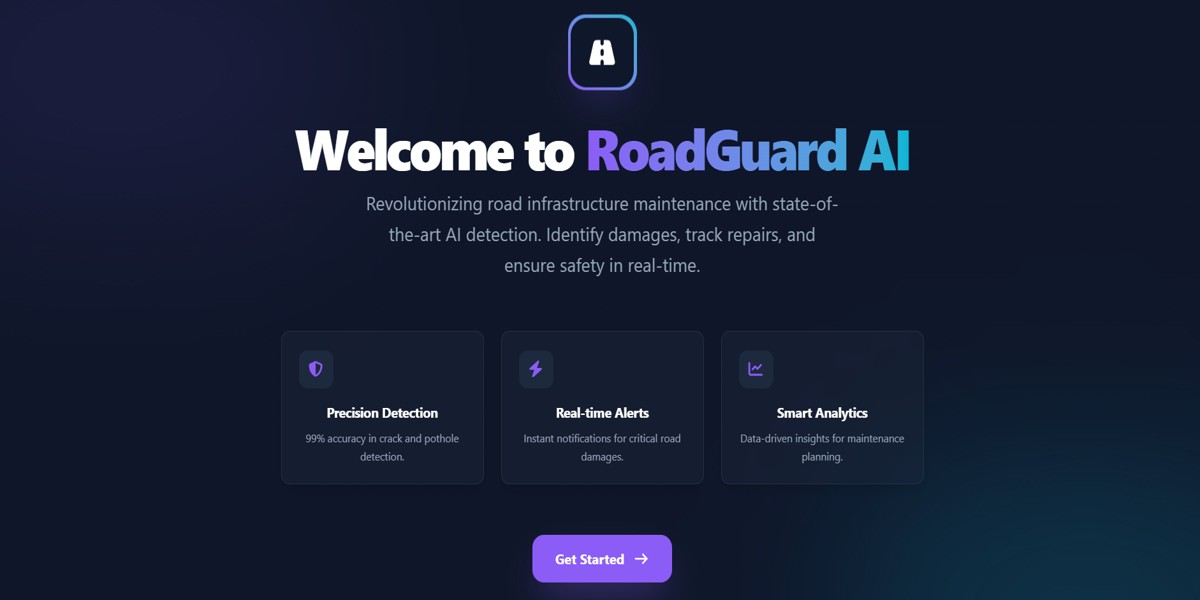
AI Based Road Damage Detection System
AI Based Road Damage Detection System is a smart application that uses YOLOv8 and computer vision techniques t…
Supervisor: Mehwish Mukhtar
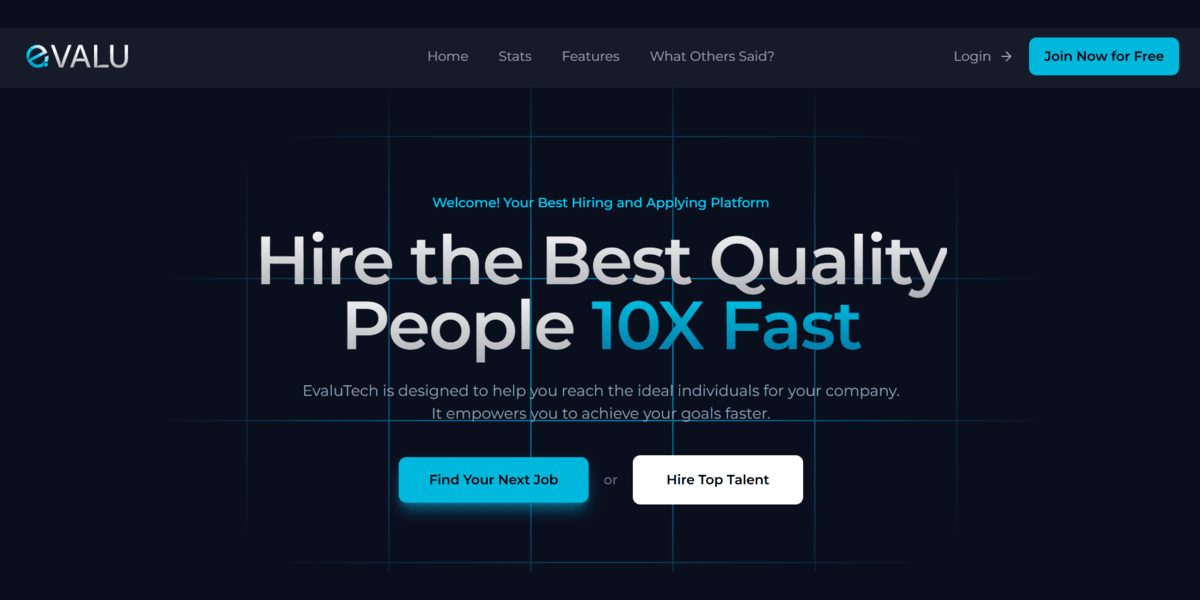
EvaluTech: AI-Powered Hiring & Job Platform for Employers and Applicants
EvaluTech is an intelligent recruitment management platform that streamlines the complete hiring lifecycle fro…
Supervisor: Dr. Wasif Nisar