AutoFix — Intelligent Multi-Branch Vehicle Service Hub
Description
AutoFix is a full-stack web application designed to streamline vehicle service management across multiple branches. It enables customers to book vehicle services online, track real-time service status, and manage their profiles. The system provides role-based dashboards for Admins, Branch Managers, and Customers. An AI-powered recommendation module built with FastAPI suggests relevant services based on vehicle history. The platform ensures efficient service center operations with inventory management, staff management, booking tracking, and detailed reporting — all in one centralized system.
Objectives
The primary objective of AutoFix is to digitize and automate the traditional vehicle service management process by providing an intelligent, multi-branch web-based platform. Key objectives include: 1. To provide customers with a seamless online platform to book vehicle services without physically visiting a service center. 2. To enable real-time tracking of vehicle service status so customers are always informed about their vehicle's progress. 3. To implement a role-based access system that provides customized dashboards for Admins, Branch Managers, and Customers — ensuring each user sees only relevant information. 4. To integrate an AI-powered recommendation engine using FastAPI that analyzes vehicle history and suggests the most suitable services for each customer. 5. To centralize multi-branch operations so that administrators can manage all branches, staff, inventory, and bookings from a single unified dashboard. 6. To reduce manual errors and paperwork in service center management through automated workflows and digital record-keeping. 7. To improve customer satisfaction by offering transparent pricing, service details, and real-time communication through the platform. 8. To provide comprehensive reporting and analytics tools for branch managers to monitor performance, revenue, and staff productivity.
Socio-economic benefit
AutoFix delivers significant socio-economic benefits at both individual and organizational levels: ECONOMIC BENEFITS: 1. Cost Reduction for Businesses: Service centers save operational costs by reducing manual work, paperwork, and administrative overhead through digital automation. 2. Increased Revenue: Online booking availability 24/7 allows service centers to capture more customers compared to traditional walk-in only models. 3. Job Creation: The platform enables service centers to scale their operations efficiently, creating demand for skilled technicians and support staff. 4. Small Business Empowerment: Small and medium-sized vehicle service centers can compete with larger chains by adopting the same digital tools previously available only to large enterprises. SOCIAL BENEFITS: 1. Customer Convenience: Customers can book services, track progress, and pay online from anywhere — saving time and reducing unnecessary travel. 2. Transparency and Trust: Real-time status updates and clear pricing build trust between service centers and customers, reducing disputes. 3. Digital Literacy: By encouraging businesses to adopt digital platforms, AutoFix contributes to the broader digitization of the local economy. 4. Time Saving: Customers no longer need to wait in queues or make multiple calls to check their vehicle status. 5. Environmental Impact: Reduced unnecessary travel to check vehicle status contributes to lower carbon emissions in urban areas.
Methodologies
AutoFix was developed using modern software engineering methodologies and industry best practices: 1. AGILE DEVELOPMENT METHODOLOGY: The project followed an Agile approach with iterative development sprints. Each sprint focused on delivering specific features — starting from core authentication, then booking system, then dashboards, and finally AI integration. 2. COMPONENT-BASED ARCHITECTURE: The frontend was built using React.js with a modular, component-based architecture. Reusable components were developed for common UI elements like navigation, forms, cards, and dashboards to ensure consistency and maintainability. 3. REST API DESIGN: The backend uses Django REST Framework following RESTful API principles. All communication between frontend and backend occurs through well-defined API endpoints with proper HTTP methods (GET, POST, PUT, DELETE). 4. ROLE-BASED ACCESS CONTROL (RBAC): JWT-based authentication was implemented with three distinct user roles — Customer, Branch Manager, and Admin — each with specific permissions and access levels. 5. MICROSERVICES FOR AI MODULE: The AI recommendation engine was built as a separate FastAPI microservice, allowing independent scaling and deployment without affecting the main Django backend. 6. DATABASE DESIGN: PostgreSQL was used as the primary relational database. Entity-relationship modeling was used to design normalized database schemas for Users, Bookings, Services, Branches, Inventory, and Staff. 7. CONTAINERIZATION: Docker and Docker Compose were used to containerize all services (frontend, backend, AI module, database) ensuring consistent environments across development and production. 8. VERSION CONTROL: GitHub was used for source code management with feature-branch workflow — each team member worked on separate branches merged via pull requests.
Outcome
AutoFix successfully achieved all its planned objectives and delivered the following outcomes: 1. FULLY FUNCTIONAL MULTI-BRANCH PLATFORM: A complete web application was developed supporting multiple service center branches under one unified system, each with independent management capabilities. 2. THREE-TIER ROLE-BASED DASHBOARD SYSTEM: - Admin Dashboard: Complete control over all branches, users, services, and system-wide analytics. - Branch Manager Dashboard: Branch-specific bookings, staff management, inventory tracking, and performance reports. - Customer Dashboard: Personal booking history, real-time service tracking, and profile management. 3. ONLINE BOOKING SYSTEM: Customers can browse available services, select a branch, choose a time slot, and confirm bookings entirely online — reducing walk-in dependency by a significant margin. 4. AI-POWERED RECOMMENDATION ENGINE: The FastAPI-based AI module analyzes customer vehicle history and service patterns to recommend relevant services, improving upselling opportunities for service centers. 5. REAL-TIME SERVICE TRACKING: Customers receive live updates on their vehicle's service status through the platform, improving transparency and satisfaction. 6. INVENTORY AND STAFF MANAGEMENT: Branch managers can track spare parts inventory levels and manage staff assignments directly through the dashboard. 7. REPORTING AND ANALYTICS: Automated reports on revenue, bookings, and service performance are available to branch managers and admins, enabling data-driven decision making. 8. SECURE AUTHENTICATION: JWT-based secure login system with role-based access ensures data privacy and prevents unauthorized access. 9. DEPLOYMENT READY: The application was successfully containerized using Docker and configured for cloud deployment using Render.
Gallery


More from Computer Science
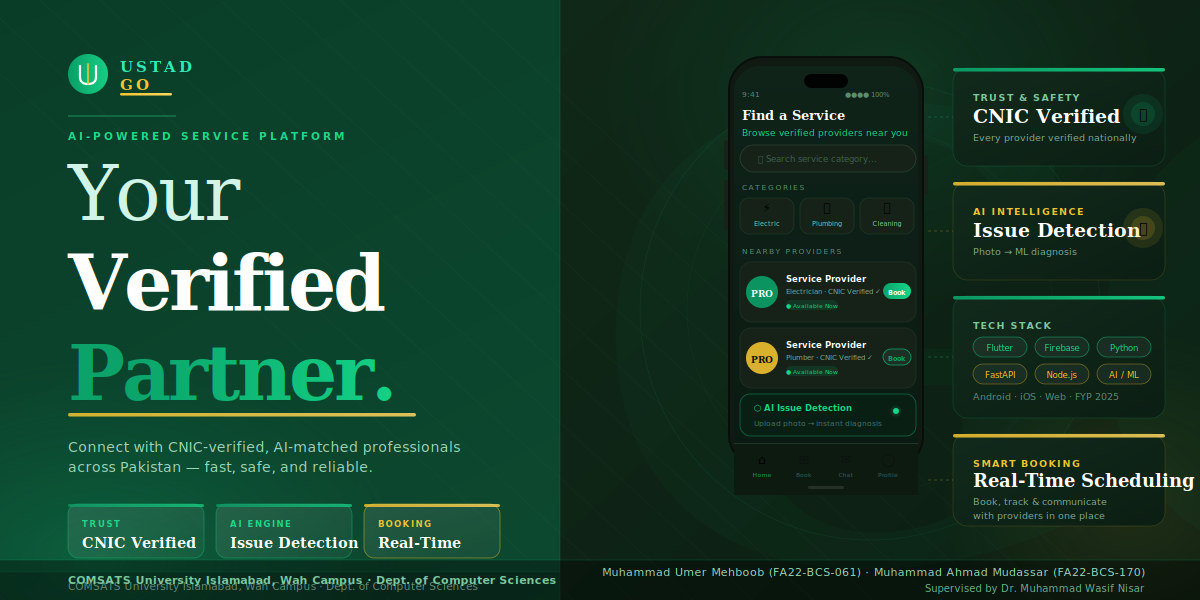
Ustad Go: An AI-Powered Mobile and Web Ecosystem for Verified Local Service Provision in P…
Ustad Go is a dual-platform solution bridging the gap between skilled local service providers and households.…
Supervisor: Dr. Wasif Nisar
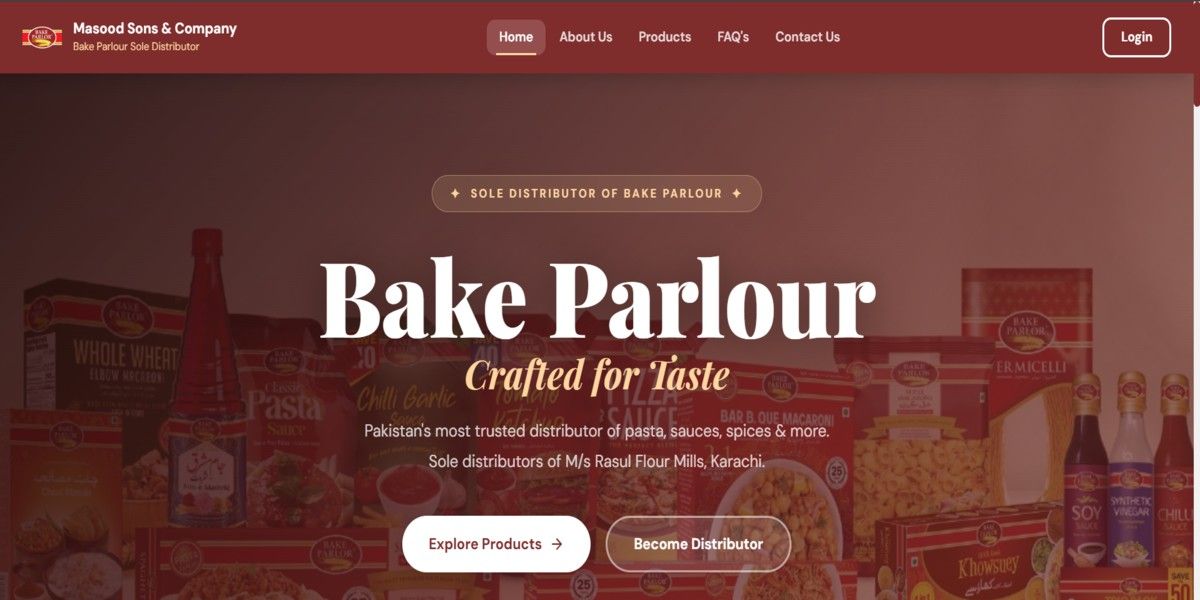
Sales Distribution Hub
The Sales Distribution Hub is a web-based management system designed for Masood & Company to automate and stre…
Supervisor: Dr. Wasif Nisar.
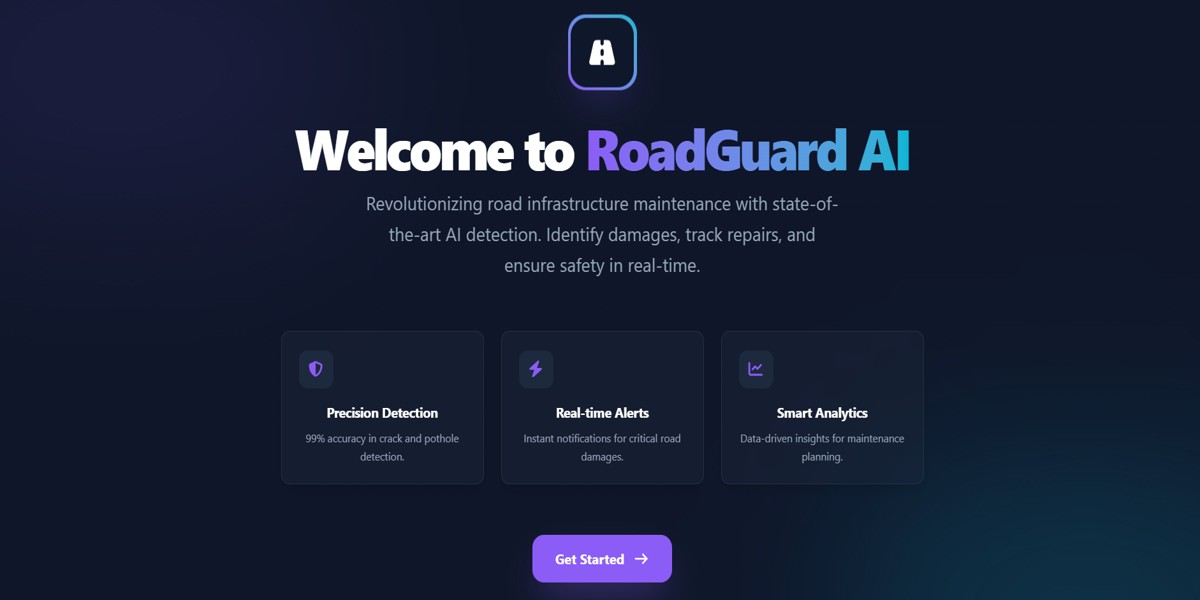
AI Based Road Damage Detection System
AI Based Road Damage Detection System is a smart application that uses YOLOv8 and computer vision techniques t…
Supervisor: Mehwish Mukhtar
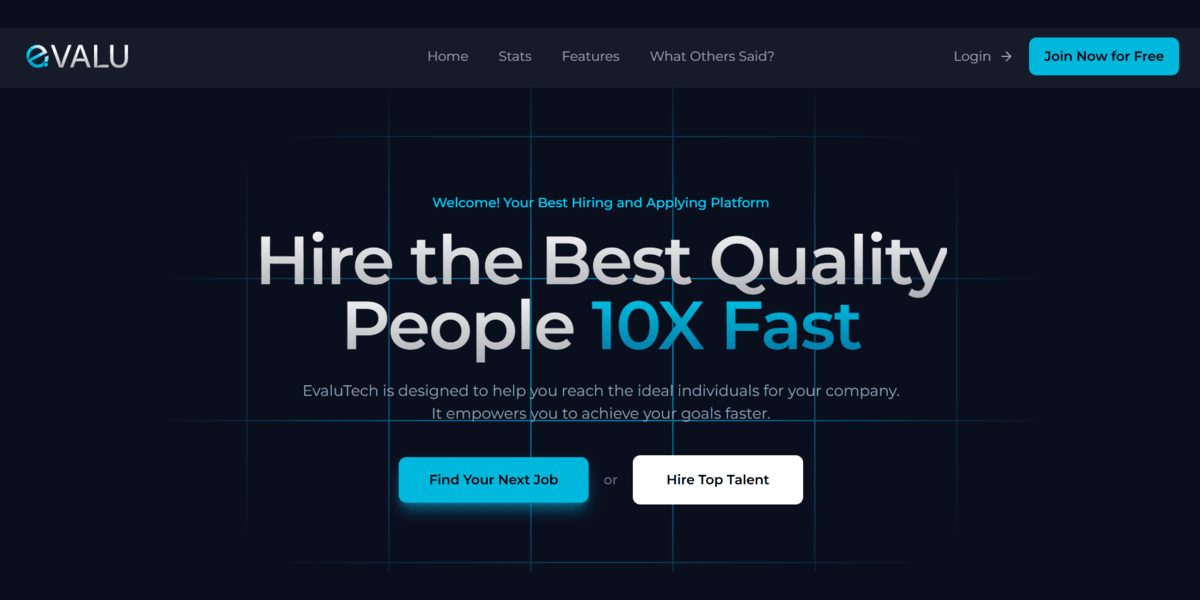
EvaluTech: AI-Powered Hiring & Job Platform for Employers and Applicants
EvaluTech is an intelligent recruitment management platform that streamlines the complete hiring lifecycle fro…
Supervisor: Dr. Wasif Nisar