CUI Wah Job Fair Student Portal
Description
The CUI Wah Job Fair Portal is a full-stack digital platform designed to manage university job fair and open house activities in one place. It provides separate role-based portals for students, companies, and administrators, allowing each user group to perform its tasks efficiently. Students can create profiles and explore opportunities, companies can register and interact with candidates, and admins can oversee event operations, user management, and communication. The system uses a centralized ASP.NET Core backend with real-time updates, secure authentication, file uploads, and support for web and mobile
Objectives
The objective of the CUI Wah Job Fair Portal is to design and develop a centralized digital platform that streamlines the management of open house and job fair activities for students, companies, and administrators. The system aims to replace manual and fragmented processes with an integrated, secure, and user-friendly solution that supports registration, authentication, profile management, job and company browsing, recruiter-student interaction, attendance handling, and real-time notifications. This project specifically seeks to improve the efficiency, transparency, and accessibility of job fair operations by providing separate role-based portals for each user group. Students can create and manage their profiles, explore opportunities, and engage with event workflows. Companies can register for participation, review student information, and manage recruitment-related activities. Administrators can oversee the entire event, manage users and company records, monitor attendance, and control communication across the platform. In addition, the project aims to enhance communication and responsiveness through real-time updates, secure API-based services, and notification support. By combining a web backend with dedicated frontends for different user roles, the portal provides a scalable and organized approach to event management that improves the overall experience for all participants and supports the digital transformation of university career and recruitment processes.
Socio-economic benefit
The CUI Wah Job Fair Student Portal offers several socio-economic benefits by digitizing and improving the management of university job fairs and recruitment activities. It reduces the time, effort, and cost involved in organizing events by replacing manual coordination, paper-based processes, and scattered communication with a centralized online platform. This improves operational efficiency for the university and allows staff to manage large-scale events more effectively. For students, the platform increases access to employment opportunities, improves visibility of their profiles, and makes it easier to connect with companies participating in the job fair. This can lead to better internships, placements, and career development opportunities, especially for students who might otherwise struggle to reach employers directly. By simplifying access to information and recruitment workflows, the portal helps students save time and focus more on skill development and job readiness. For companies, the system provides a structured way to engage with potential candidates, review student information, and participate in recruitment activities without unnecessary administrative burden. This creates a more efficient hiring process and helps employers connect with a wider pool of qualified candidates from the university. At a broader level, the project contributes to local economic development by improving the link between education and employment. A smoother job matching process can support workforce development, reduce friction in campus recruitment, and encourage stronger collaboration between academia and industry. In the long term, such digital platforms can help improve graduate employability, strengthen institutional reputation, and support a more connected and productive talent ecosystem.
Methodologies
This project was developed using an iterative and modular software development methodology, combining planning, analysis, design, implementation, and testing in small development cycles. The approach allowed the system to be built gradually while refining requirements for the student, company, admin, and backend components as the project progressed. The overall development followed a client-server architecture. The backend was designed as a centralized ASP.NET Core Web API responsible for authentication, role-based authorization, business logic, database access, file handling, and real-time communication. Separate front-end applications were developed for different user roles, which improved maintainability and made each interface more focused on its target users. This separation also supported cleaner integration and easier scaling in the future. For implementation, the project used a modular development methodology. Features such as registration, login, profile management, job browsing, company interaction, attendance handling, and notifications were developed as independent modules and then integrated into the full platform. This made it easier to test individual components and reduce dependency issues during development. The project also followed a structured database-driven methodology. Core entities such as users, companies, jobs, events and requests were modeled first, and the application logic was built around those entities. This helped ensure data consistency and supported secure, role-based access to information. Testing was carried out incrementally during development to verify that each module worked correctly before integration. Functional testing, interface testing, and API testing were used to confirm that the portals communicated properly with the backend and that user actions produced the expected results.
Outcome
The outcome of this project is a functional, integrated digital platform for managing COMSATS Open House and Job Fair activities in a more efficient and organized way. It delivers separate portals for students, companies, and administrators, all connected to a central backend for authentication, data management, file uploads, and real-time communication. As a result, students can easily create profiles, explore opportunities, and interact with job fair workflows; companies can participate in the event, access relevant student information, and manage recruitment-related activities; and administrators can oversee the entire process from a single system. This reduces manual work, improves coordination, and makes the overall job fair process faster, more transparent, and easier to manage. The project also demonstrates the practical use of a modern full-stack architecture with role-based access, real-time updates, and cross-platform client applications. In academic and operational terms, it provides a scalable foundation that can support future enhancements such as analytics, advanced notification features, and broader event management capabilities.
Gallery


More from Computer Science
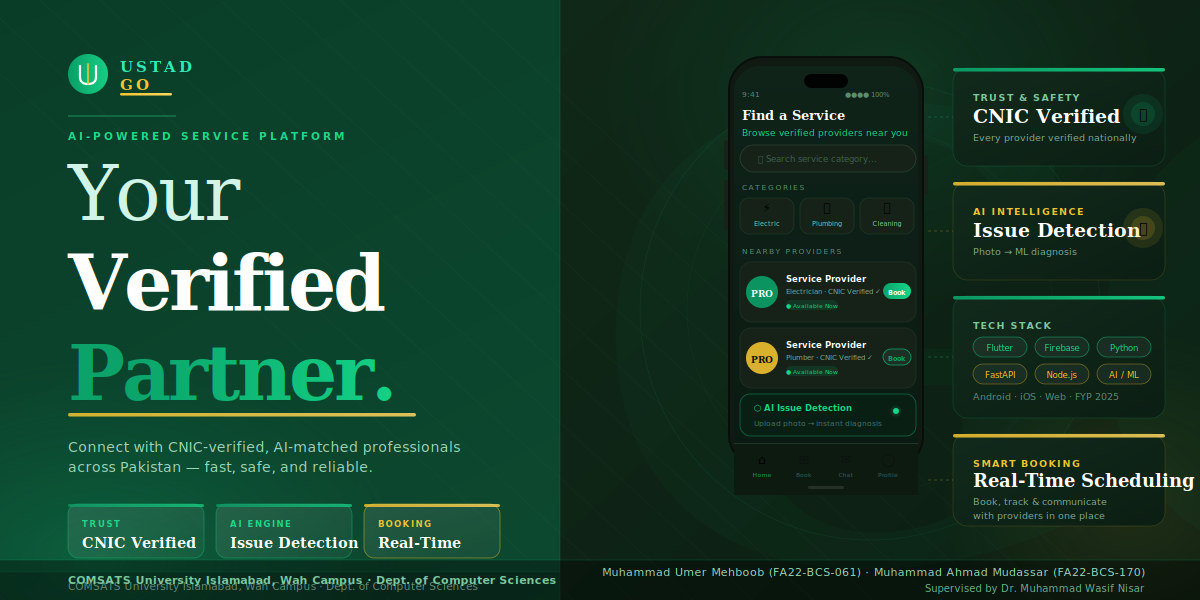
Ustad Go: An AI-Powered Mobile and Web Ecosystem for Verified Local Service Provision in P…
Ustad Go is a dual-platform solution bridging the gap between skilled local service providers and households.…
Supervisor: Dr. Wasif Nisar
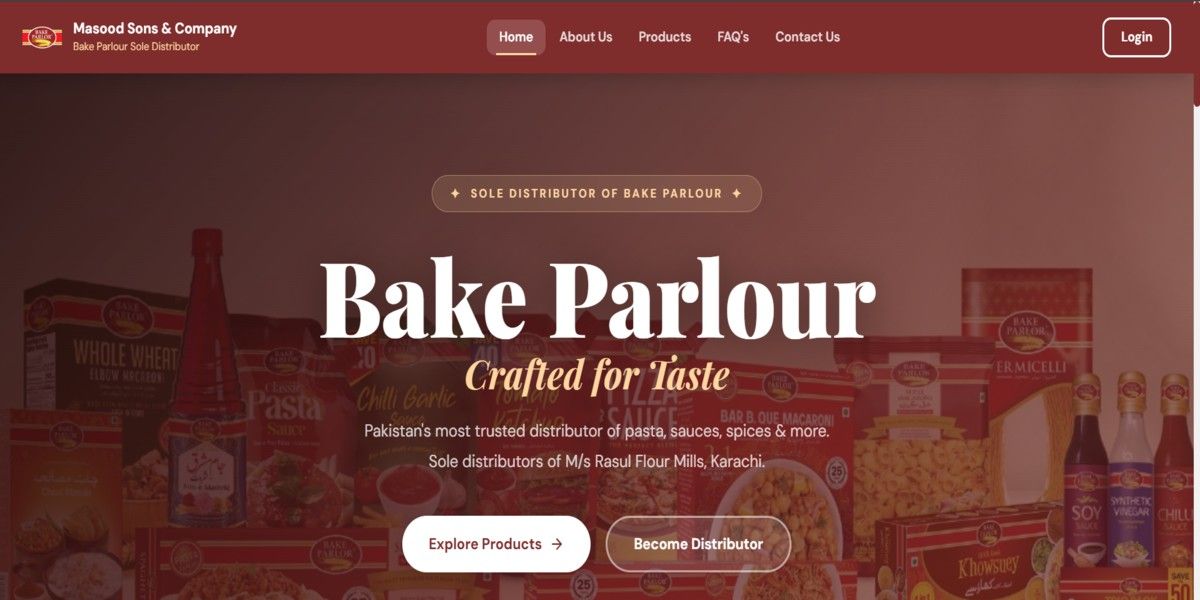
Sales Distribution Hub
The Sales Distribution Hub is a web-based management system designed for Masood & Company to automate and stre…
Supervisor: Dr. Wasif Nisar.
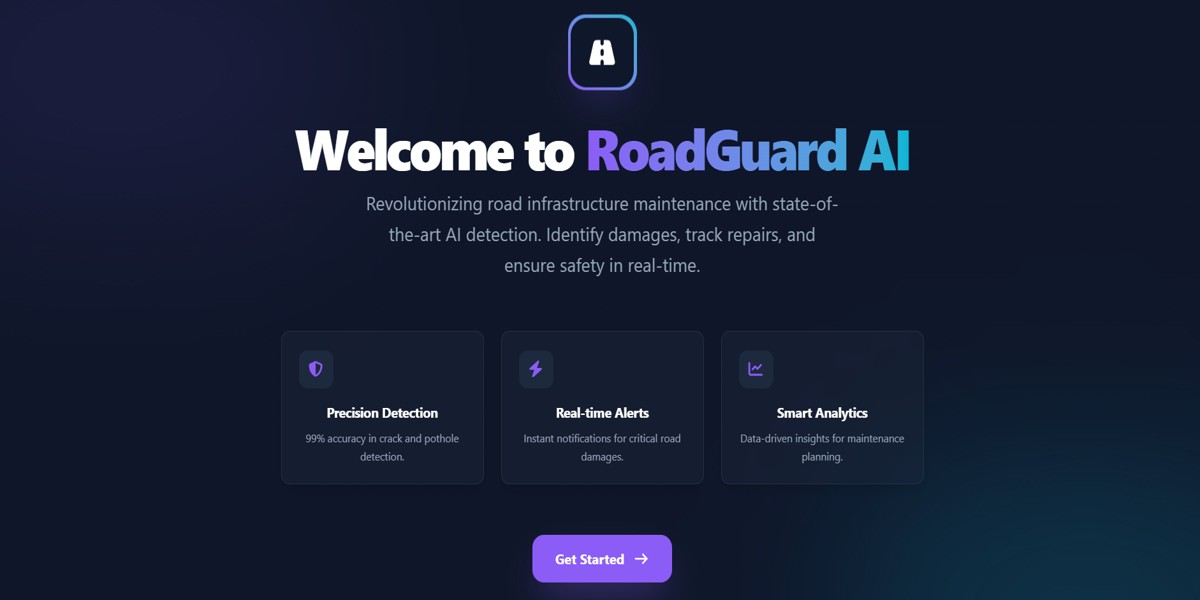
AI Based Road Damage Detection System
AI Based Road Damage Detection System is a smart application that uses YOLOv8 and computer vision techniques t…
Supervisor: Mehwish Mukhtar
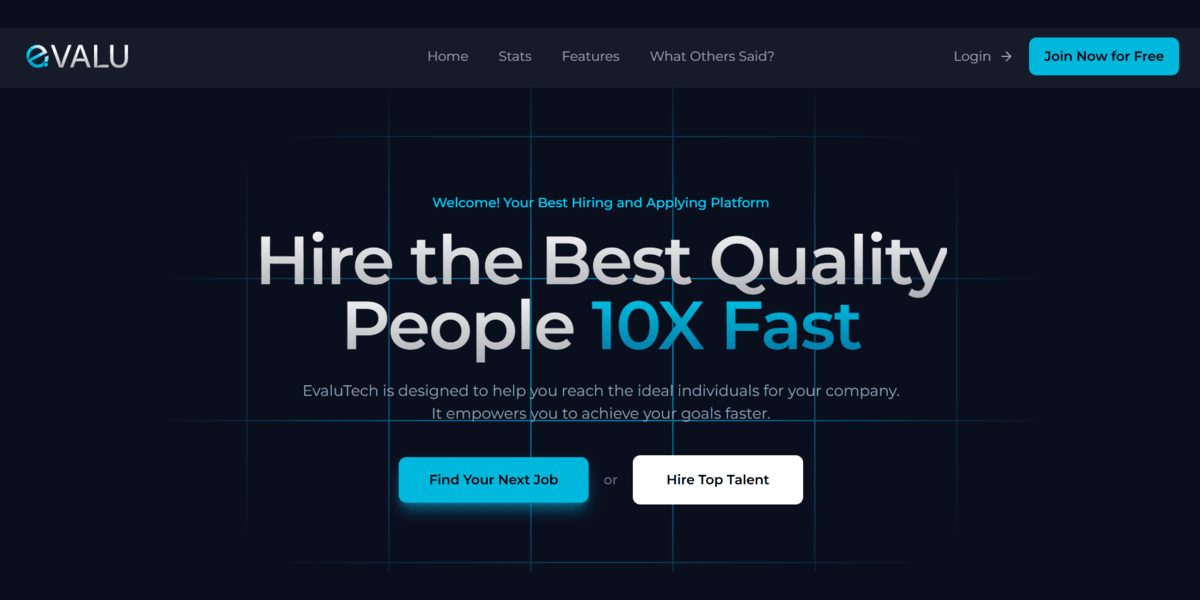
EvaluTech: AI-Powered Hiring & Job Platform for Employers and Applicants
EvaluTech is an intelligent recruitment management platform that streamlines the complete hiring lifecycle fro…
Supervisor: Dr. Wasif Nisar