Web Application Security Scanner
Description
A Web Application Security Scanner is an automated tool designed to analyze web applications for common security vulnerabilities. It performs both passive and active security testing to detect issues such as SQL Injection, Cross-Site Scripting (XSS), insecure HTTP headers, exposed sensitive files, and misconfigured CORS policies. The system helps developers and security analysts identify weaknesses in web applications before attackers can exploit them. It improves overall application security by generating detailed vulnerability reports with severity levels and recommended fixes.
Objectives
The main objective of this project is to design and develop an automated web application security scanner that can detect common vulnerabilities in websites and web applications. With the increasing number of cyberattacks, it has become essential to ensure that web systems are secure before deployment. This project aims to: Automate security testing of web applications Identify vulnerabilities such as SQL Injection, XSS, CSRF, insecure headers, and sensitive data exposure Provide both passive and active scanning modes for comprehensive analysis Help developers improve application security during development lifecycle Generate structured and easy-to-understand security reports Reduce manual effort in penetration testing The system is designed to support students, developers, and cybersecurity professionals in improving secure coding practices and strengthening web application security.
Socio-economic benefit
This project contributes significantly to both social and economic aspects of cybersecurity awareness and protection. Social Benefits: Improves awareness about web application security risks Helps organizations protect user data from cyberattacks Reduces chances of data breaches and identity theft Encourages secure coding practices among developers Economic Benefits: Saves cost of hiring manual penetration testers for initial scans Reduces financial losses caused by security breaches Helps businesses avoid downtime due to cyber incidents Supports startups and SMEs in securing their web platforms at low cost Overall, the project strengthens digital trust and promotes safer online environments.
Methodologies
The system follows a hybrid security testing methodology combining passive and active scanning techniques. Passive Scanning: Analysis of HTTP headers (HSTS, CSP, X-Frame-Options, etc.) Detection of information leakage in server responses Cookie security analysis (HttpOnly, Secure, SameSite flags) CORS misconfiguration checks HTTPS validation and SSL checks Active Scanning: SQL Injection testing using payload-based and time-based methods Cross-Site Scripting (XSS) detection through input reflection analysis Local File Inclusion (LFI) and directory traversal testing Command injection detection Open redirect vulnerabilities Sensitive file discovery (.env, .git, config files) Reporting: Results are categorized by severity (High, Medium, Low) Detailed explanation of vulnerabilities Suggested mitigation strategies The system is built using modular architecture to allow easy expansion of new vulnerability checks.
Outcome
The project successfully delivers an automated web application security scanner capable of identifying critical vulnerabilities in web systems. It provides a structured security assessment report that helps developers quickly understand and fix security issues. Key outcomes include: Functional scanning tool with passive and active modules Detection of multiple real-world vulnerabilities Automated report generation with severity classification Improved understanding of web security concepts Reduced manual effort in vulnerability testing The final system demonstrates practical implementation of cybersecurity principles and supports secure software development practices.
Gallery


More from Computer Science
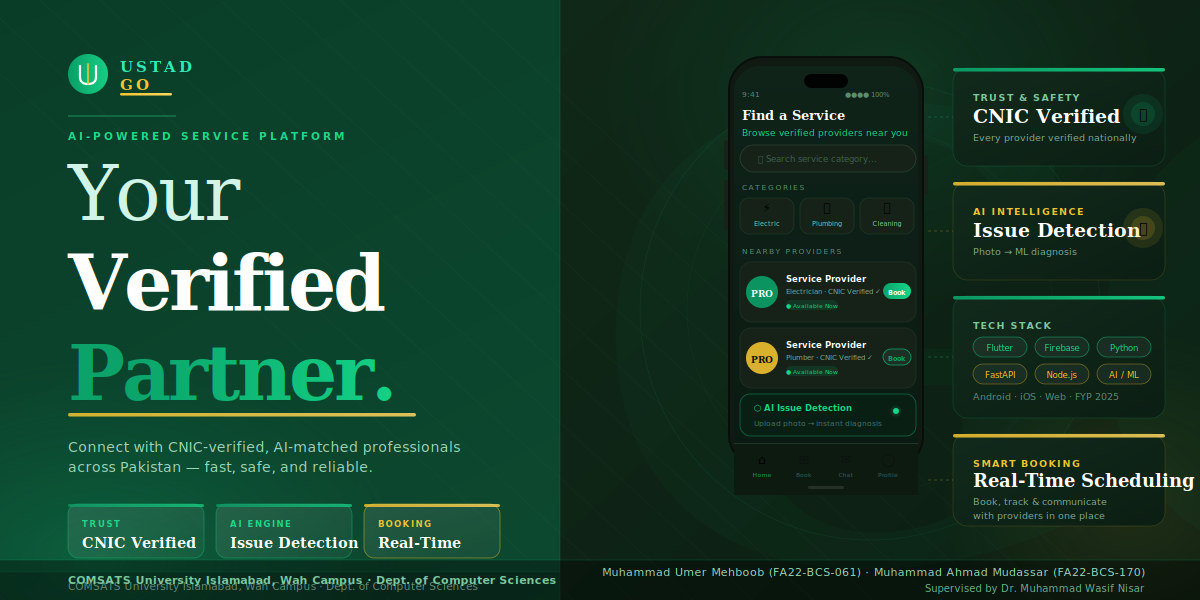
Ustad Go: An AI-Powered Mobile and Web Ecosystem for Verified Local Service Provision in P…
Ustad Go is a dual-platform solution bridging the gap between skilled local service providers and households.…
Supervisor: Dr. Wasif Nisar

Sales Distribution Hub
The Sales Distribution Hub is a web-based management system designed for Masood & Company to automate and stre…
Supervisor: Dr. Wasif Nisar.
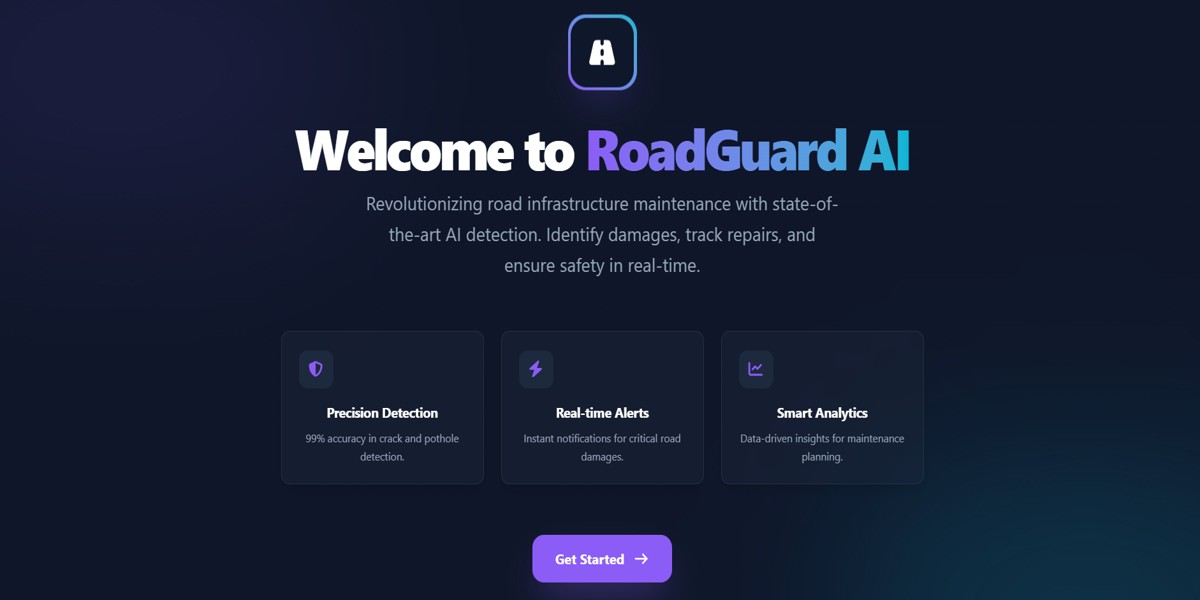
AI Based Road Damage Detection System
AI Based Road Damage Detection System is a smart application that uses YOLOv8 and computer vision techniques t…
Supervisor: Mehwish Mukhtar

EvaluTech: AI-Powered Hiring & Job Platform for Employers and Applicants
EvaluTech is an intelligent recruitment management platform that streamlines the complete hiring lifecycle fro…
Supervisor: Dr. Wasif Nisar