LAWGORITHM: AN AI-POWERED CASE–LAWYER MATCHING PLATFORM
Description
Lawgorithm is an AI-powered legal platform designed to intelligently connect clients with the most suitable lawyers using semantic similarity, vector search, and hybrid ranking techniques. The system analyzes the meaning of client case descriptions using Sentence Transformer embeddings and retrieves the best lawyer matches through pgvector-based semantic search. It also uses Google Gemini AI to generate explainable recommendations for transparency and trust. The platform provides complete case management features including real-time messaging, document sharing, appointment scheduling, lawyer verification, notifications, and secure collaboration. Lawgorithm aims to modernize legal service accessibility in Pakistan through intelligent automation, AI-driven recommendations, and scalable web technologies.
Objectives
The main objective of Lawgorithm is to develop an intelligent AI-powered lawyer recommendation and legal case management platform that improves the process of connecting clients with suitable lawyers. Traditional legal service platforms mainly rely on manual searching and keyword-based filtering, which often results in inaccurate recommendations and inefficient lawyer selection. Lawgorithm addresses this problem by introducing semantic AI matching and hybrid ranking techniques. The primary objective of the project is to implement semantic similarity-based lawyer recommendations using Natural Language Processing and vector embeddings. The system understands the meaning of legal case descriptions instead of relying only on exact keyword matching. This allows clients to receive more accurate and relevant lawyer recommendations according to their legal needs. Another objective is to integrate pgvector with PostgreSQL to enable efficient vector storage and similarity search for semantic retrieval. The project also aims to provide explainable AI recommendations using Google Gemini AI, allowing users to understand why specific lawyers were recommended. The platform further aims to create a secure and complete legal case management environment by implementing real-time messaging, document sharing, appointment scheduling, notification systems, and lawyer verification workflows. The system also focuses on transparency, scalability, usability, and performance optimization using modern web technologies and containerized deployment through Docker. Overall, the objective of Lawgorithm is to modernize legal service accessibility through Artificial Intelligence, improve recommendation accuracy, enhance user trust, and provide an efficient digital legal ecosystem for both clients and lawyers.
Socio-economic benefit
Lawgorithm provides significant socio-economic benefits by improving accessibility, transparency, and efficiency in the legal services sector through Artificial Intelligence and modern web technologies. One of the major benefits of the system is that it helps clients quickly find the most suitable lawyers based on their legal issues. Traditional lawyer searching methods are often time-consuming and dependent on personal references or manual searching. Lawgorithm reduces this difficulty by providing intelligent AI-based lawyer recommendations, saving users time, effort, and financial resources. The platform also improves access to legal assistance for people from different social and economic backgrounds. By providing an online digital legal platform, users can connect with verified lawyers remotely without visiting multiple offices physically. This is especially beneficial for people living in smaller cities or areas with limited legal resources. Lawgorithm promotes transparency and trust in the legal ecosystem through explainable AI recommendations and lawyer verification systems. Clients receive clear explanations regarding why lawyers are recommended, helping them make informed decisions. Verified lawyer profiles also improve authenticity and reduce the chances of fraud or misleading information. The project contributes to the digital transformation of the legal industry in Pakistan by introducing advanced technologies such as semantic AI matching, vector databases, and real-time collaboration systems. It encourages modernization within legal services and demonstrates the practical use of Artificial Intelligence in solving real-world problems. The system also benefits lawyers by helping them receive more relevant client cases according to their expertise and experience. This improves professional opportunities and reduces dependency on traditional marketing methods. Additionally, the platform supports secure communication, document sharing, appointment scheduling, and case management, making legal processes more organized and efficient. Overall, Lawgorithm improves user experience, enhances accessibility to justice, and contributes positively to the technological advancement of the legal sector.
Methodologies
The development of Lawgorithm followed a structured and AI-driven methodology consisting of requirement analysis, system design, semantic AI implementation, backend development, and real-time communication integration. Initially, requirements were gathered by studying existing legal service platforms and identifying their limitations, particularly the lack of intelligent lawyer recommendation systems. Based on these requirements, the system architecture and relational database design were developed using Django and PostgreSQL. For semantic lawyer matching, the project uses Sentence Transformers with the all-MiniLM-L6-v2 model to generate embedding vectors from lawyer profiles and client case descriptions. These embeddings represent the semantic meaning of textual information in numerical form. PostgreSQL integrated with the pgvector extension is used to store and retrieve vector embeddings efficiently. When a client submits a legal case, the case description is converted into a vector embedding. The system then performs semantic similarity search using cosine similarity to retrieve the most relevant lawyer profiles. After retrieving candidate lawyers, a hybrid ranking algorithm calculates recommendation scores using multiple weighted factors such as semantic similarity, practice area match, court match, city match, experience, success rate, review quality, and review confidence. To improve transparency and explainability, Google Gemini AI is integrated to generate human-readable explanations describing why a lawyer is suitable for a specific case. This creates an Explainable AI layer within the recommendation system. The backend of the project was developed using Django, while Django Channels and WebSockets were used to implement real-time communication features including messaging, notifications, and live updates. Docker and Docker Compose were used for containerization and deployment management to ensure scalability and consistency across environments. The overall methodology combines Artificial Intelligence, Natural Language Processing, vector databases, hybrid ranking algorithms, and real-time web technologies to create a scalable and intelligent legal recommendation platform.
Outcome
The final outcome of Lawgorithm is a fully functional AI-powered lawyer recommendation and legal case management platform capable of intelligently connecting clients with relevant lawyers based on semantic understanding and hybrid ranking techniques. The system successfully implements semantic similarity using Sentence Transformer embeddings and pgvector-based vector search, enabling accurate lawyer recommendations even when users describe legal issues in different wording styles. This significantly improves recommendation quality compared to traditional keyword-based systems. The project also successfully integrates explainable AI using Google Gemini AI, allowing users to receive human-readable explanations for lawyer recommendations. This increases transparency, trust, and user confidence in the recommendation process. Lawgorithm provides a complete digital legal ecosystem including lawyer verification, case posting, secure document sharing, real-time messaging, appointment scheduling, notifications, interaction management, and case lifecycle tracking. Real-time collaboration features improve communication efficiency between clients and lawyers. The system demonstrates scalability, modular architecture, and modern deployment practices using Docker, PostgreSQL, WebSockets, and AI-based semantic technologies. The project highlights the practical application of Artificial Intelligence, Natural Language Processing, vector databases, and explainable AI in the legal technology domain. Overall, the outcome of the project is an intelligent, scalable, secure, and user-friendly legal platform that modernizes lawyer recommendation systems and improves accessibility to legal services through AI-driven automation and semantic understanding.
Gallery


More from Computer Science
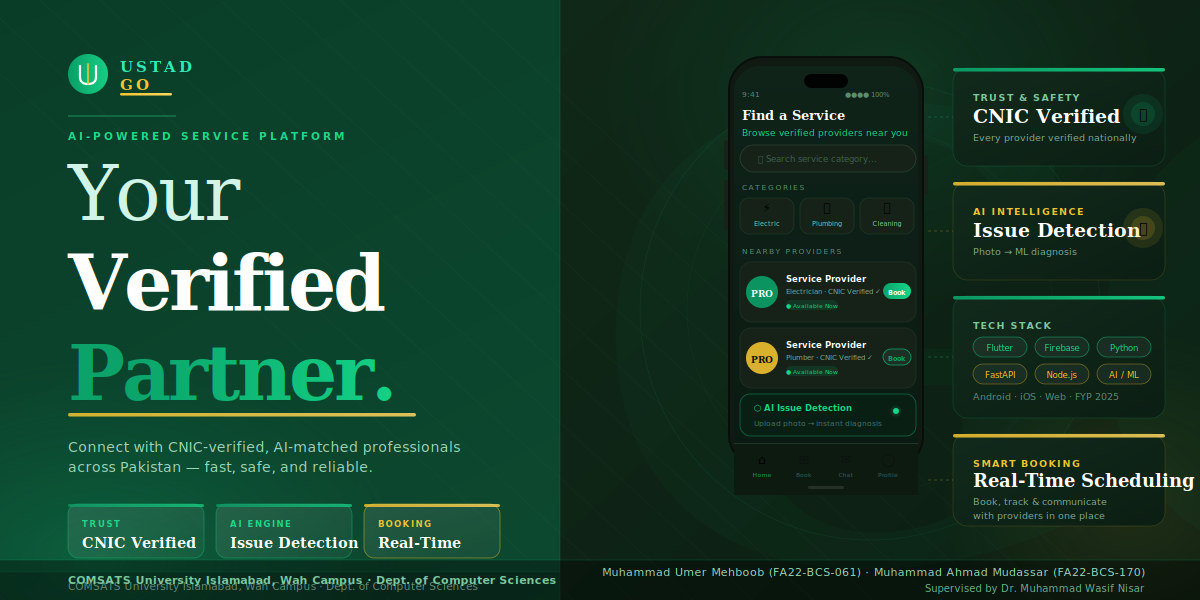
Ustad Go: An AI-Powered Mobile and Web Ecosystem for Verified Local Service Provision in P…
Ustad Go is a dual-platform solution bridging the gap between skilled local service providers and households.…
Supervisor: Dr. Wasif Nisar

Sales Distribution Hub
The Sales Distribution Hub is a web-based management system designed for Masood & Company to automate and stre…
Supervisor: Dr. Wasif Nisar.
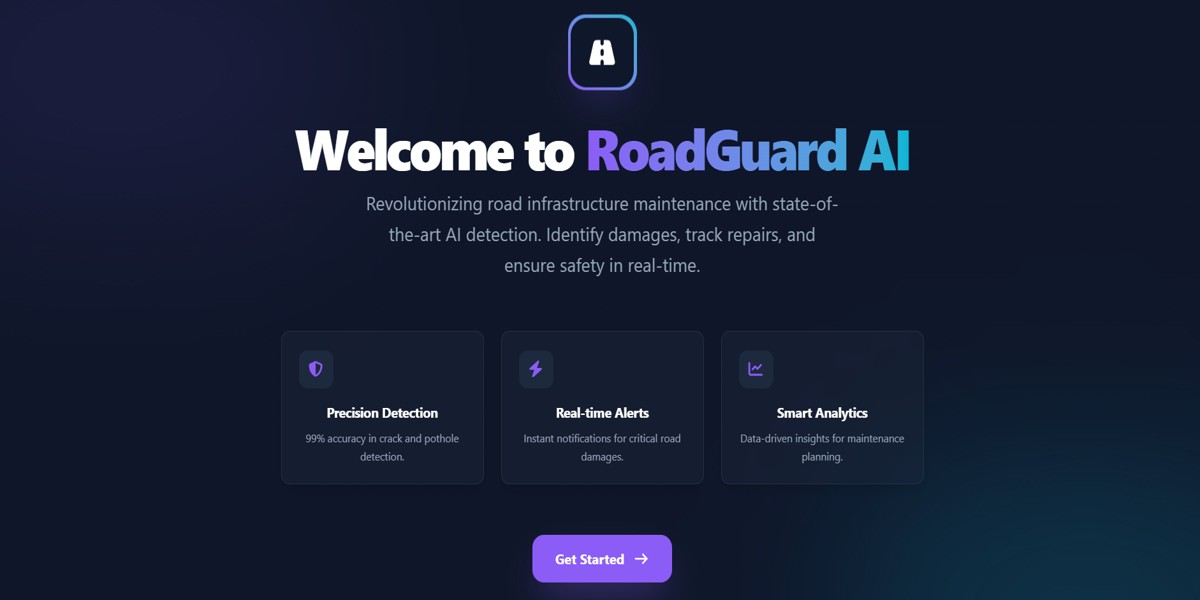
AI Based Road Damage Detection System
AI Based Road Damage Detection System is a smart application that uses YOLOv8 and computer vision techniques t…
Supervisor: Mehwish Mukhtar
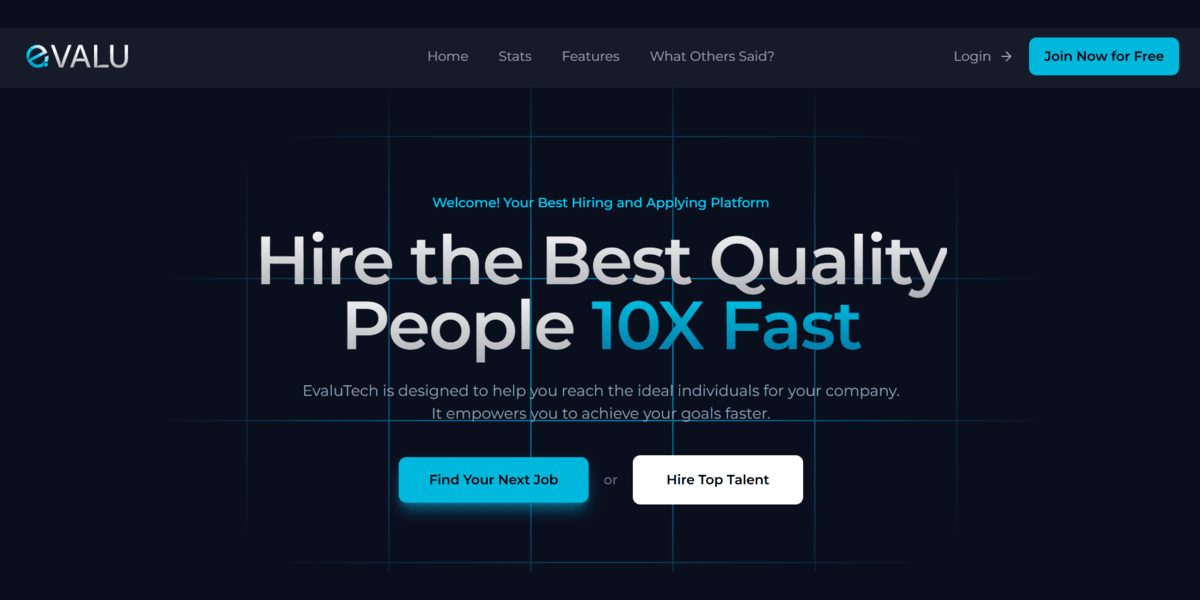
EvaluTech: AI-Powered Hiring & Job Platform for Employers and Applicants
EvaluTech is an intelligent recruitment management platform that streamlines the complete hiring lifecycle fro…
Supervisor: Dr. Wasif Nisar