Disrupitive Duck Ai
Description
TO PROVIDE A CONVERSATIONAL PRODUCTIVITY PLATFORM WHERE USERS MANAGE PROJECTS, TASKS, AND WORKFLOWS THROUGH AI POWERED CAST MEMBERS WITH PERSISTENT MEMORY, PROTOCOL AUTOMATION, AND DUCK-BASED TOKEN TRACKING
Objectives
Disruptive Duck AI is an innovative web-based productivity and conversational automation platform designed to transform how neurodiverse individuals and teams manage projects, tasks, and knowledge. Built with ADHD and Autism in mind, the platform replaces overwhelming dashboards and repetitive manual work with a simple, predictable, chat-driven workspace that reduces cognitive load and context switching. The system introduces Cast Members AI-powered virtual teammates that recall context, store memory, automate workflows, and execute user-defined protocols. Users interact with Cast Members through a familiar conversational interface that handles project assistance, task execution, and information retrieval removing the need to navigate complex tools or re-explain context repeatedly. With structured protocols, persistent memory, and guided interactions, the platform supports focus, reduces friction, and creates a more accessible way to work. With integrated token (Duck) consumption tracking, subscription management, and multi-LLM support, Disruptive Duck AI empowers neurodiverse individuals to work smarter, stay organized, and move through their tasks with greater clarity, confidence, and control.
Socio-economic benefit
1. Improved Productivity for Neurodivergent Individuals The platform provides a distraction-free and AI-assisted workspace specifically designed for neurodivergent users, helping them improve focus, organization, and task management. This enables users to work more efficiently and independently. 2. Increased Accessibility in Digital Workspaces By offering customizable Cast Members, simplified interfaces, memory assistance, and workflow automation, the project promotes inclusive technology and makes professional digital tools more accessible to people with cognitive and attention-related challenges. 3. Reduction in Manual Workload The Protocol system automates repetitive prompts, workflows, and task execution, reducing the need for repetitive manual input. This saves time and improves operational efficiency for individuals and teams. 4. Support for Freelancers, Students, and Entrepreneurs The system can assist developers, designers, marketers, students, and entrepreneurs by providing AI-powered workflow support, enabling them to manage projects, tasks, and communication more effectively. 5. Encouragement of AI Adoption in Pakistan The project contributes toward the growth of AI-based solutions in Pakistan by demonstrating practical applications of Large Language Models (LLMs), workflow automation, and intelligent memory systems in real-world productivity environments. 6. Economic Opportunities Through SaaS Model The subscription-based model creates opportunities for sustainable revenue generation and future scalability as a Software-as-a-Service (SaaS) platform. It also opens potential opportunities for startups, employment, and AI service expansion. 7. Efficient Resource Utilization The token and wallet-based consumption system (“Ducks”) encourages optimized usage of AI resources, helping users monitor and manage their AI consumption effectively. 8. Enhancement of Human-AI Collaboration The project promotes productive collaboration between humans and AI agents through Cast Members, intelligent memory handling, and automated protocols, enabling users to complete tasks faster and with better organization. 9. Scalable Cloud-Based Infrastructure By utilizing AWS, Docker, PostgreSQL, and scalable backend services, the platform supports reliable and scalable deployment, making it suitable for future expansion across educational, professional, and enterprise sectors.
Methodologies
1. Agile Development Methodology The project follows an Agile-based development approach, allowing iterative planning, continuous improvement, and flexibility in implementing features. Development tasks are divided into modules such as authentication, Cast Member management, protocols, wallet system, and AI integration, enabling gradual enhancement and testing. 2. Modular System Design A modular architecture is used to separate the platform into independent components such as: Authentication Module Project Management Module Cast Member Module Protocol Engine Wallet & Subscription Module AI Interaction Module Memory Management Module This approach improves scalability, maintainability, and future expansion. 3. Client-Server Architecture The system follows a client-server architecture: Frontend handles user interaction and interface rendering. Backend manages business logic, API communication, AI processing, and database operations. AI services process prompts and generate intelligent responses. This separation improves performance, security, and maintainability. 4. RESTful API Communication REST APIs are used for communication between the frontend, backend, AI services, and external services such as Stripe. APIs handle: User authentication Project management Chat interactions Protocol execution Token calculations Subscription handling 5. AI-Driven Workflow Methodology The project uses an AI-first workflow methodology where Cast Members (AI agents) assist users through: Prompt engineering Context-aware responses Workflow automation Memory retention Task assistance Protocols act as reusable workflow templates for automating repetitive tasks. 6. Database-Centered Data Management PostgreSQL is used for structured data management. The database stores: User information Projects Cast Members Chat history AI usage Wallet information Subscription data Relationships between entities are managed using relational database principles. 7. Memory Management Methodology The platform uses a memory-based interaction methodology through Agno and AI memory handling: User conversations are classified into memory or history. Long-term memory is stored for contextual continuity. Shared memory improves personalized AI interactions. 8. Token Consumption & Resource Tracking A token-based resource tracking methodology is implemented: AI input/output tokens are calculated after every interaction. Tokens are converted into platform credits (“Ducks”). Wallet usage and quotas are updated dynamically. This ensures optimized AI resource management. 9. Cloud Deployment Methodology The platform uses cloud-based deployment and containerization: AWS for hosting and infrastructure management Docker for containerized deployment Scalable backend services for handling AI workflows and APIs This improves scalability, availability, and deployment consistency. 10. User-Centered Design Methodology The platform follows a user-centered design approach focused on
Outcome
Project Outcome 1. AI-Powered Cognitive Workspace The project successfully proposes an AI-first cognitive workspace designed to assist neurodivergent users through intelligent automation, personalized AI agents (Cast Members), and streamlined workflows. 2. Centralized Project and Task Management The platform provides users with a centralized dashboard where they can: Create and manage projects Interact with AI-powered Cast Members Organize tasks and workflows Track AI usage and subscriptions This improves productivity and reduces workflow fragmentation. 3. Intelligent Cast Member System A customizable Cast Member system is introduced where users can: Create custom AI agents Define personalities, tones, and roles Select preferred AI models Use pre-built templates This enables personalized AI interaction tailored to different user needs and professions. 4. Automated Workflow Execution Through Protocols The project introduces a Protocol system capable of automating repetitive workflows through reusable prompts and variable-driven execution. Three protocol levels provide: Static workflow automation Variable-based dynamic prompts Iterative multi-version execution This reduces repetitive manual effort and improves efficiency. 5. Memory-Based AI Interaction The integration of memory and history classification through AI services enables: Context-aware conversations Long-term memory retention Improved continuity in user interactions Personalized AI assistance This enhances the intelligence and adaptability of the platform. 6. Efficient Resource & Token Management The Wallet and Ducks system provides: AI token tracking Usage monitoring Monthly quotas Consumption analytics This creates controlled and optimized AI resource utilization for users. 7. Secure Authentication & Subscription Management The platform includes: User authentication and email verification Free trial system Premium subscription handling Secure payment integration through Stripe This supports secure access control and scalable SaaS-based monetization. 8. Scalable Cloud-Based Architecture The backend architecture utilizes: Node.js (TypeScript) Django AI services PostgreSQL AWS infrastructure Docker containerization This ensures scalability, maintainability, and efficient deployment. 9. Enhanced User Experience for Neurodivergent Audiences The platform focuses on: Minimal and distraction-free UI Simplified workflows Personalized AI guidance Reduced cognitive overload This creates a more accessible and supportive digital workspace environment. 10. Foundation for Future AI Research & Expansion The project establishes a strong foundation for future development in: AI-assisted productivity systems Neurodivergent accessibility solutions Intelligent workflow automation Memory-driven AI interactions Multi-agent collaboration systems
Gallery


More from Computer Science
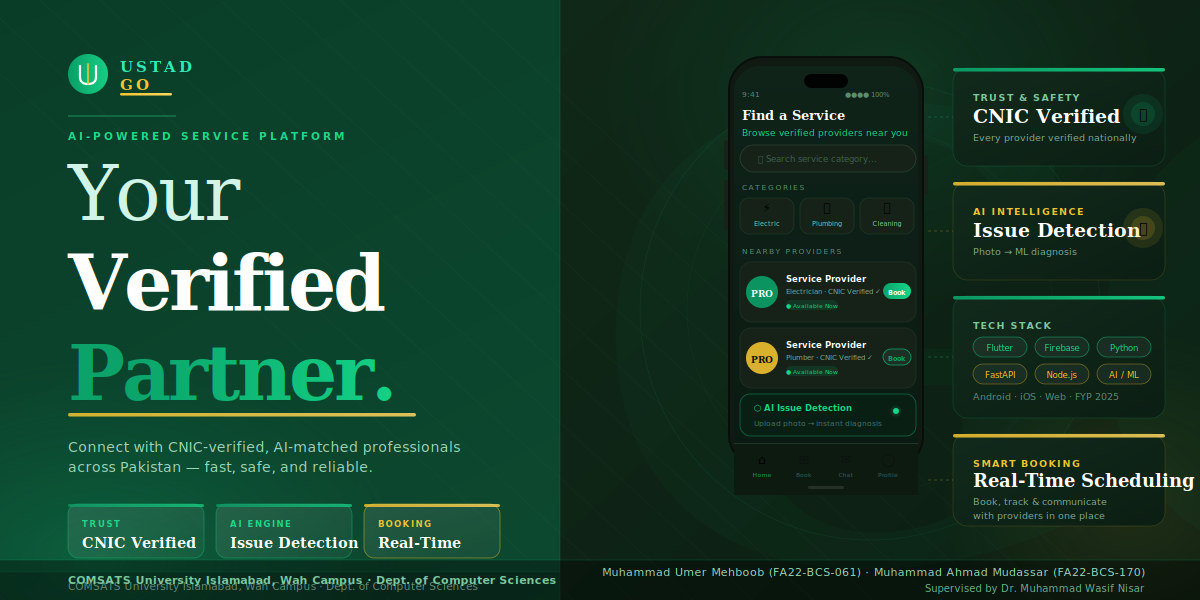
Ustad Go: An AI-Powered Mobile and Web Ecosystem for Verified Local Service Provision in P…
Ustad Go is a dual-platform solution bridging the gap between skilled local service providers and households.…
Supervisor: Dr. Wasif Nisar
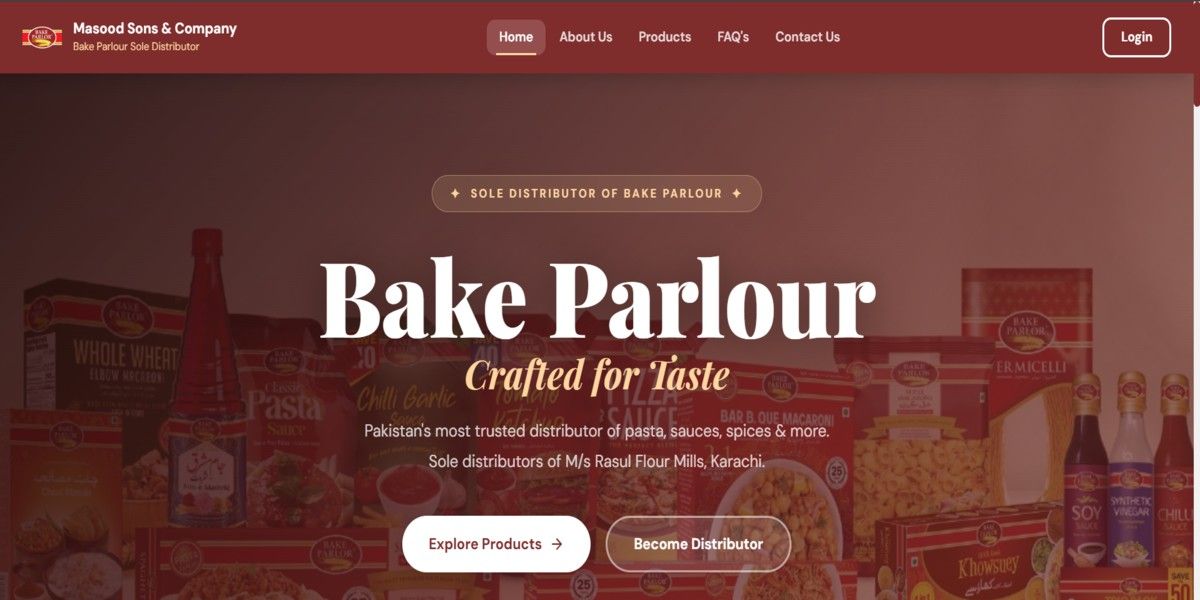
Sales Distribution Hub
The Sales Distribution Hub is a web-based management system designed for Masood & Company to automate and stre…
Supervisor: Dr. Wasif Nisar.
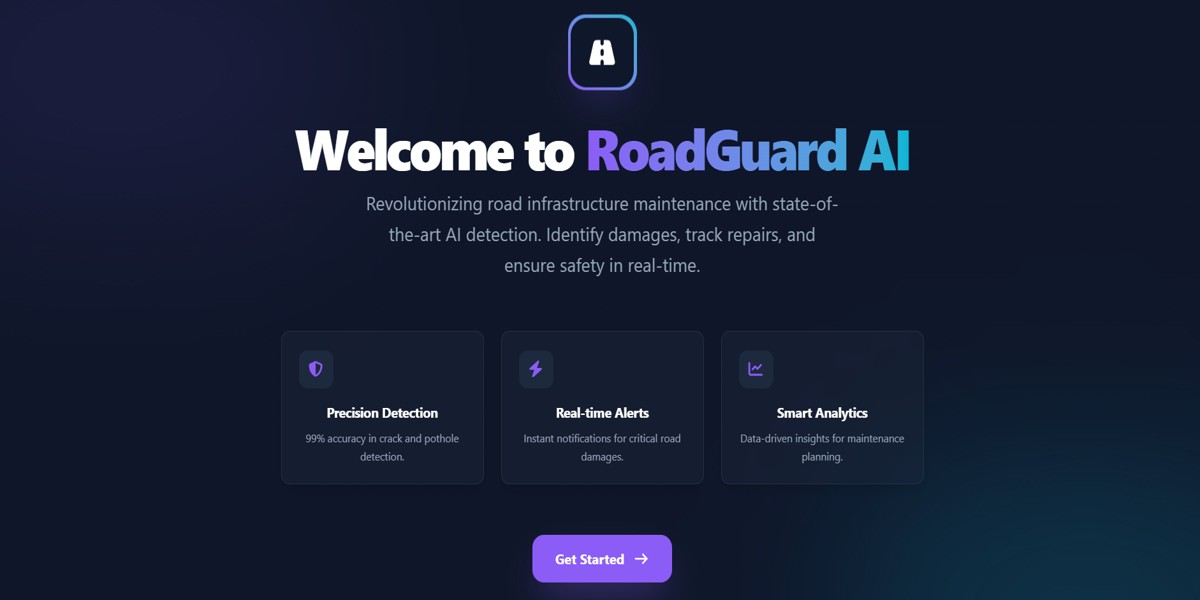
AI Based Road Damage Detection System
AI Based Road Damage Detection System is a smart application that uses YOLOv8 and computer vision techniques t…
Supervisor: Mehwish Mukhtar
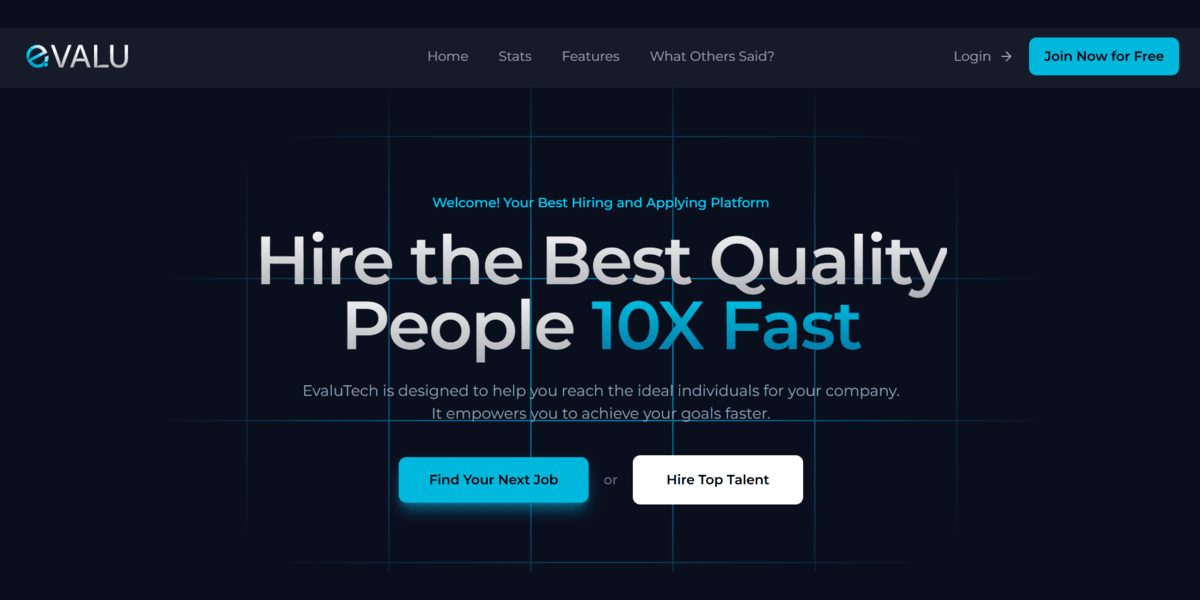
EvaluTech: AI-Powered Hiring & Job Platform for Employers and Applicants
EvaluTech is an intelligent recruitment management platform that streamlines the complete hiring lifecycle fro…
Supervisor: Dr. Wasif Nisar