SafeSocial
Description
SafeSocial (Social Platform Exposure Tracker) is a full-stack web privacy tool for Reddit, Facebook, and YouTube. Users connect accounts via OAuth 2.0 (no passwords) and the system scans posts, comments, and video-related text from live APIs or optional imports (Facebook Download Your Information, Google Takeout). Detection uses regex plus spaCy NLP to find emails, phone numbers, address hints, and locations, including obfuscated formats. A risk-scored dashboard prioritizes issues; the exposures view links each finding to its source with resolve tracking. Cross-platform analysis flags repeated leaks; step-by-step recommendations guide fixes. The Privacy Assistant answers privacy questions via intent matching with optional Gemini/OpenAI (template fallback). Facebook Ad Insights show advertisers, interest categories, and ad preferences. Built with React, Django REST Framework, and MongoDB.
Objectives
The primary objective of SafeSocial (Social Platform Exposure Tracker) is to design and develop a web-based system that automatically discovers unintentional leakage of personally identifiable information (PII) across major social platforms (Reddit, Facebook, and YouTube) and empowers users to reduce their digital privacy risk. Specific objectives include: To identify the privacy problem faced by social media users who unknowingly share emails, phone numbers, address hints, and location-related data in posts, comments, and video descriptions, which can lead to spam, phishing, identity theft, and targeted advertising abuse. To implement secure multi-platform authentication using OAuth 2.0 so users can connect accounts without sharing passwords, with session-based access control and CSRF protection. To fetch and normalize user-generated content through official platform APIs (Reddit API/PRAW, Facebook Graph API, YouTube Data API) and optional data exports (Facebook Download Your Information, Google Takeout ZIP). To build an intelligent detection engine combining regular expressions, keyword rules, and spaCy NLP (en_core_web_sm) to detect standard and obfuscated PII formats with confidence scoring and deduplication. To calculate a quantitative privacy risk score (0–100) and classify exposures by severity so users can prioritize remediation. To provide cross-platform analysis that highlights repeated exposures across accounts, linked source URLs, resolve tracking, and step-by-step security recommendations. To integrate a Privacy Assistant chatbot using intent detection with optional Google Gemini or OpenAI support and template-based fallbacks for common privacy questions. To deliver Facebook Ad Insights (advertisers, interest categories, ad preferences) so users understand how their data may be used for advertising. To develop a responsive React.js frontend with dashboard, exposures, recommendations, and assistant modules backed by a Django REST API and MongoDB Atlas storage. To deploy and validate the system as a working prototype suitable for real-world privacy awareness and academic evaluation.
Socio-economic benefit
SafeSocial offers measurable socio-economic benefits by improving digital literacy, reducing harm from data misuse, and lowering the social cost of online privacy failures. Social benefits: Raises public awareness that casual posts and comments can expose sensitive data, helping students, professionals, and families adopt safer sharing habits. Reduces vulnerability to cybercrime (phishing, scam calls, harassment, impersonation) by surfacing hidden PII before attackers or data brokers exploit it. Supports informed consent: users see what they have shared and can delete or edit content at the source platform. Promotes digital citizenship and privacy education aligned with national cybersecurity awareness goals. Assists vulnerable groups (young users, job seekers, small businesses) who may not have technical skills to audit their own social history manually. Facebook Ad Insights increase transparency about advertisers and targeting, helping users understand surveillance-based advertising. Economic benefits: Saves time and cost compared to manual review of years of posts across multiple platforms from one dashboard. Can reduce financial losses from fraud and identity theft by enabling early remediation of high-risk exposures. Benefits organizations and freelancers who rely on personal branding but must protect contact details and location data. Encourages demand for privacy-enhancing tools and local software development skills (web APIs, NLP, cloud deployment). Uses scalable cloud components (MongoDB Atlas, Railway, Vercel), demonstrating affordable architecture for startups and academic projects. Contributes to the growing privacy-tech sector and ethical use of AI assistants for consumer protection rather than data harvesting. Broader impact: Addresses a gap where platform-native privacy settings do not scan historical content for leaked PII. Encourages platform-agnostic hygiene: one tool, multiple networks, consistent recommendations. Provides a foundation for future extensions (more platforms, automated redaction suggestions, policy compliance reporting).
Methodologies
The SafeSocial project follows a structured software engineering methodology combining requirements analysis, iterative development, and evidence-based testing. Requirements gathering and analysis Problem definition from real-world scenarios (unintentional PII in social content). Functional requirements: OAuth login, multi-platform scan, PII detection, risk scoring, exposures UI, recommendations, chatbot, ad insights. Non-functional requirements: security (OAuth, CSRF, HttpOnly sessions), performance, usability, and cloud deployability. Documented in System Requirements and Design Specification (SRDS) and technical reports. System design methodology Client–server architecture with RESTful APIs. Modular Django apps: authentication, data_fetch, privacy_analysis, chatbot, recommendations. React single-page application with protected routes and service-layer API calls (Axios, credentials, CSRF). MongoDB document model for users, tokens, posts, comments, privacy_findings, and ad data. UML-style component separation: fetch ? analyze ? store ? present. Development approach Incremental / agile-style phases: core Reddit OAuth and scan first, then enhanced detection (Phase 2), Facebook/YouTube and Takeout/DYI imports, Ad Insights, and Privacy Assistant. Version control with Git; environment-based configuration (.env) for API keys. Backend: Python 3.11, Django 5, Django REST Framework, PyMongo, PRAW, requests, spaCy. Frontend: React 18, Material-UI, React Router, Recharts. Detection methodology: hybrid pipeline—regex patterns for emails/phones (including obfuscation), keyword rules for address hints, spaCy named-entity recognition (GPE, LOC, FAC) for locations, normalization and stable exposure IDs, RiskCalculator for weighted scoring. Data collection methodology Live API fetch after OAuth token exchange. Alternative offline ingestion: Facebook DYI ZIP parser, YouTube Google Takeout parser. Re-analysis from MongoDB without re-fetch (from_db_only) for faster iteration. Security methodology OAuth 2.0 authorization code flow with state parameter. Token storage in MongoDB with expiry handling. Django session cookies; CORS and CSRF middleware for SPA safety. AI / chatbot methodology Rule-based intent classification for predictable queries. Optional LLM providers (Gemini, OpenAI) with template fallback when API keys are absent. Context-aware replies using stored findings and platform state. Testing and validation Unit/integration tests on detection (email, phone, address). End-to-end testing: login, scan, dashboard, exposures, resolve, recommendations, assistant. Deployment testing on Railway, Vercel, and MongoDB Atlas. Evaluation Verify objectives: detection accuracy, risk score, UI workflows, scan latency, and viva demo scenarios.
Outcome
The SafeSocial project has been successfully implemented as a working full-stack web application that meets its defined objectives. The main outcomes are: Delivered software product A deployed-ready SafeSocial web application with React frontend and Django REST backend connected to MongoDB Atlas. Public landing page, OAuth-based login for Reddit, Facebook, and YouTube, and authenticated dashboard workflow. Multi-platform privacy scanning Automated fetching and analysis of user posts and comments (and YouTube-related content) from connected accounts. Support for Facebook Download Your Information and Google Takeout ZIP uploads when API access is limited. Unified exposure list with platform labels, risk levels, confidence scores, and links to original content. Intelligent PII detection engine Operational detection of emails (including obfuscated forms), phone numbers (multiple formats), address keywords, and location entities via spaCy NLP. Exposure deduplication and normalization for consistent reporting. Documented test results showing high detection accuracy on sample datasets. Risk assessment and prioritization Privacy risk score (0–100) with Low / Medium / High classification. Dashboard statistics: exposures by type, resolved vs unresolved counts, and scan status per platform. Cross-platform repeat-exposure identification. User remediation tools Exposures page with resolve tracking. Recommendations module providing actionable, step-by-step privacy improvement guidance. Privacy Assistant chatbot with intent-based answers and optional Gemini/OpenAI integration. Advertising transparency (Facebook) Ad Insights module presenting advertisers, categories, and ad preferences derived from user data exports/APIs. Security and compliance outcomes Passwordless OAuth authentication, secure token handling, session management, and CSRF-protected API communication. No storage of user platform passwords; least-privilege API scopes. Documentation and knowledge outcomes Technical documentation (SRDS, API guides, MongoDB setup, OAuth architecture, viva preparation materials). Reusable codebase demonstrating integration of REST APIs, NLP, and optional LLM services in a privacy domain. Academic and practical value A Final Year Project prototype demonstrating applied software engineering, data security awareness, and AI-assisted user support. A foundation for future work: additional platforms, automated content redaction, mobile app, and institutional privacy audits.
Gallery

More from Computer Science
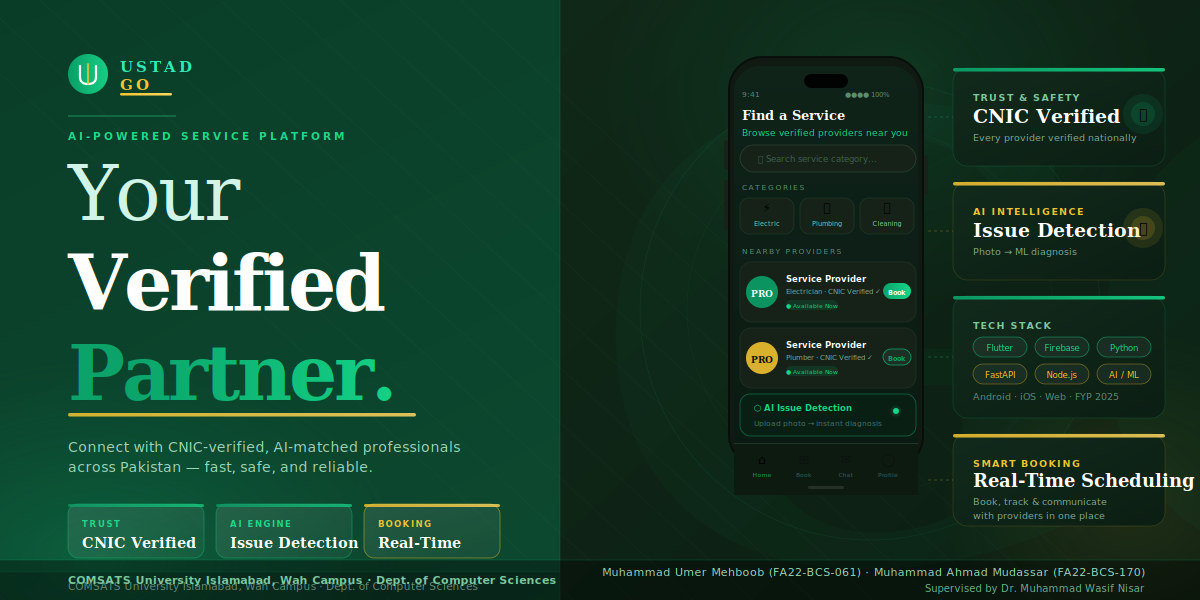
Ustad Go: An AI-Powered Mobile and Web Ecosystem for Verified Local Service Provision in P…
Ustad Go is a dual-platform solution bridging the gap between skilled local service providers and households.…
Supervisor: Dr. Wasif Nisar
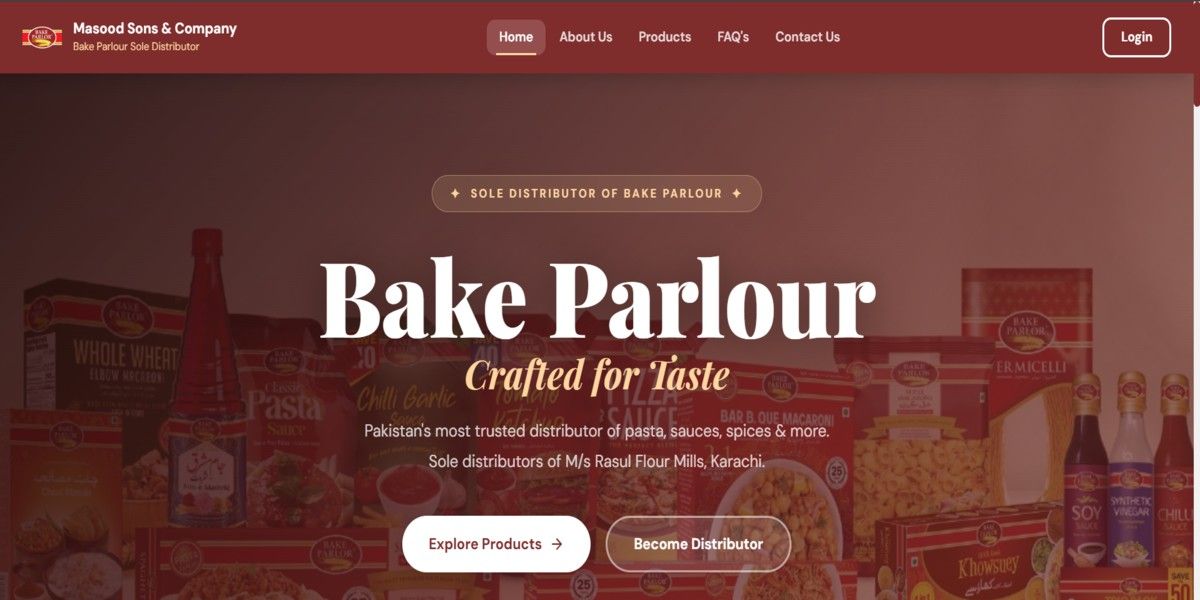
Sales Distribution Hub
The Sales Distribution Hub is a web-based management system designed for Masood & Company to automate and stre…
Supervisor: Dr. Wasif Nisar.
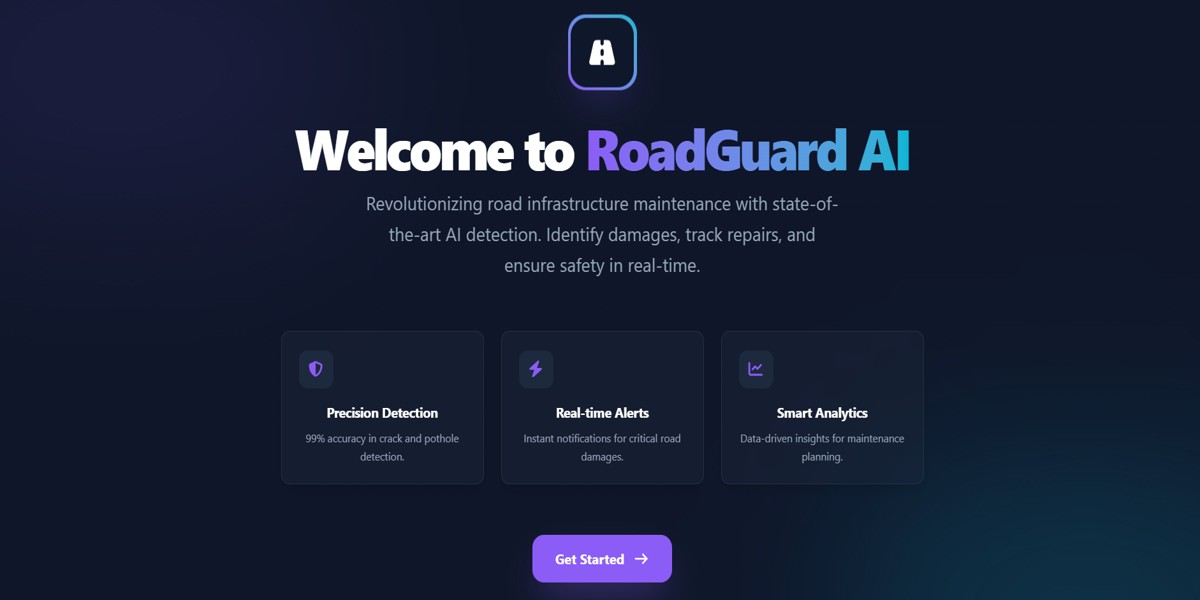
AI Based Road Damage Detection System
AI Based Road Damage Detection System is a smart application that uses YOLOv8 and computer vision techniques t…
Supervisor: Mehwish Mukhtar
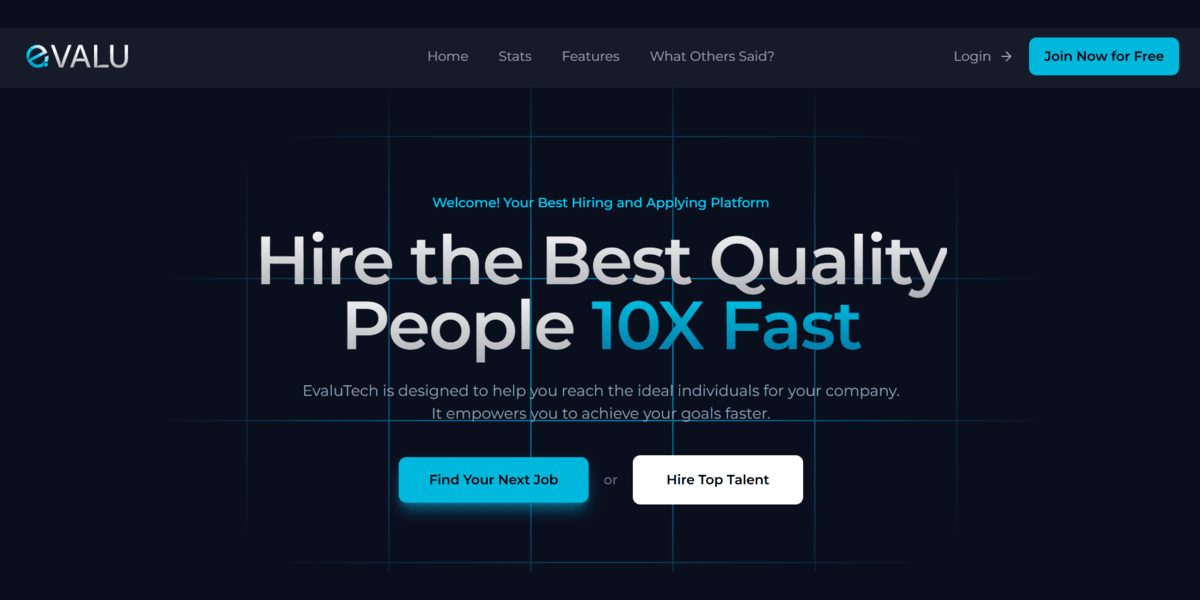
EvaluTech: AI-Powered Hiring & Job Platform for Employers and Applicants
EvaluTech is an intelligent recruitment management platform that streamlines the complete hiring lifecycle fro…
Supervisor: Dr. Wasif Nisar