Arthive
Description
ArtHive is a web-based multi-user art gallery platform developed to simplify the process of buying and selling artwork online. The system helps artists who lack technical or web development skills by providing a centralized platform where they can create accounts, upload artworks, and showcase their talent. The platform supports three users: Admin, Artist, and Buyer. Artists can manage artworks with details such as title, category, medium, dimensions, and price, while buyers can browse, filter, favorite, and purchase artworks securely. Admin manages artists, artworks, and disputes. ArtHive also integrates AI features, including a CNN-based model for price recommendation system that suggests suitable artwork prices. The system is built using React.js, Node.js, REST APIs, PostgreSQL, and Python-based AI models.
Objectives
ArtHive is a web-based multi-user art gallery platform developed to provide a centralized, secure, and user-friendly environment for artists, buyers, and administrators. The project mainly focuses on helping small-scale and independent artists who lack the technical knowledge or financial resources required to create and manage personal websites for selling artwork online. By offering an all-in-one digital marketplace, ArtHive simplifies the traditional process of art promotion and selling through modern technology. One of the core objectives of the project is to enable artists to easily create accounts, upload artworks, manage portfolios, and present their creativity to a wider audience without requiring web development skills. The system allows artists to maintain their profiles, organize artwork collections, update information, and interact with potential buyers efficiently. This objective aims to reduce technical barriers and create equal opportunities for emerging artists in the digital marketplace. Another important objective is to provide buyers with a smooth and interactive experience while exploring and purchasing artwork online. Buyers can browse artworks from different categories such as abstract paintings, landscapes, sculptures, digital art, and calligraphy. The platform also includes filtering and search features that help users quickly find artworks based on categories and preferences. Buyers can save favorite items, add products to carts, and securely place orders through the platform, creating a convenient and accessible environment for art lovers. ArtHive also aims to maintain platform quality and reliability through a dedicated administrative module. The admin manages artist approvals, artwork moderation, user activities, and dispute handling to ensure that the platform remains safe, authentic, and professional for all users. These management features help maintain trust between buyers and artists. A major objective of the project is the integration of Artificial Intelligence to support artists in decision-making. The system includes a CNN-based artwork price prediction feature that suggests suitable price ranges by analyzing artwork characteristics such as size, style, medium, and condition. This intelligent feature is especially beneficial for new artists who may not have enough market knowledge or pricing experience. From a technical perspective, the project aims to build a modern, scalable, and efficient application using React for frontend development, Node.js for backend services, PostgreSQL for secure database management, and REST APIs for communication between modules. Overall, ArtHive modernizes the art-selling process and creates better opportunities for artists and buyers through technology. The platform also encourages digital community growth by connecting artists with wider audience, improving artwork visibility, supporting secure transactions, and promoting creativity through accessible online marketplaces.
Socio-economic benefit
ArtHive provides important socio-economic benefits by creating a digital platform that supports artists, buyers, and the online art community. The project mainly focuses on helping small-scale and emerging artists who face difficulties in promoting and selling artwork due to limited financial resources, lack of technical knowledge, and restricted access to physical galleries or exhibitions. One of the major benefits of ArtHive is the empowerment of independent artists. Traditionally, artists require expensive personal websites, gallery memberships, or physical exhibitions to display and sell their work. ArtHive reduces these barriers by providing a centralized online platform where artists can easily create accounts, upload artwork, manage portfolios, and showcase creativity without advanced technical skills. This creates better opportunities for talented individuals to enter the digital art market and generate income from their work. The platform also contributes to economic growth by creating a wider and more accessible online marketplace for buying and selling artwork. Buyers from different locations can explore artworks from multiple artists in one place, increasing sales opportunities and helping artists reach larger audiences. This digital accessibility encourages online entrepreneurship and supports the growth of the creative industry. Another significant benefit is cost reduction. Artists do not need to spend large amounts of money on separate websites, physical galleries, or marketing systems. ArtHive combines major features such as artwork showcasing, searching, purchasing, portfolio management, and communication within a single platform, making online art selling more affordable and efficient. ArtHive also promotes digital transformation in the art industry through Artificial Intelligence integration. The system includes a CNN-based artwork price prediction feature that helps artists estimate suitable prices for artwork based on size, style, medium, and condition. This feature is especially useful for beginner artists who may not have enough market experience to price their work accurately. Better pricing decisions improve sales opportunities and reduce uncertainty in the marketplace. From a social perspective, the platform encourages cultural promotion and artistic exposure. Artists from different backgrounds can share paintings, calligraphy, abstract art, sculptures, and other creative work with wider audiences. Interactive features such as favorites, reviews, and artist profile exploration strengthen connections between artists and buyers while promoting appreciation for creativity. Overall, ArtHive contributes to society and the economy by supporting digital business opportunities, reducing technical and financial barriers for artists, improving accessibility to art, encouraging creativity, and modernizing the traditional art-selling process through technology.
Methodologies
The development methodology of ArtHive followed a structured and modular approach to ensure the successful design and implementation of an online art gallery platform. The project integrated frontend development, backend services, database management, REST API communication, and AI-based price prediction into a single system. The first phase involved requirement gathering and system analysis. During this stage, problems faced by artists in traditional art-selling systems were identified. Many artists lacked technical knowledge and could not afford personal websites or online galleries. Based on these observations, the objectives and functionalities of ArtHive were defined, including artwork uploading, online purchasing, portfolio management, user handling, and AI-based price recommendation. After requirement analysis, the system design phase was performed. The architecture was planned using a client-server model. The frontend was developed using React.js to create a responsive and interactive interface for artists, buyers, and administrators. The backend was developed using Node.js, while PostgreSQL was used for database management because of its reliability and scalability. REST APIs were implemented to manage communication between the frontend and backend. These APIs handled operations such as authentication, artwork uploading, order processing, artist approvals, and data retrieval. The project followed a modular development approach where each functionality was implemented separately. Authentication modules handled registration and login, artist modules managed portfolios and uploads, buyer modules focused on browsing and purchasing, and the admin module handled user and artwork management. An AI-based price prediction module was also integrated into the platform. A CNN-based machine learning model was trained using art market datasets collected from Kaggle. The dataset included artwork features such as style, medium, size, condition, and historical prices. The model analyzed these features to provide estimated price recommendations for newly uploaded artworks. After implementation, testing and validation were performed. Functional testing and interface testing ensured that all modules worked correctly. Features such as artwork uploads, searching, cart operations, and order workflows were tested to improve reliability and usability. Finally, the system was deployed and documented properly. Technical reports and diagrams were prepared to explain the architecture and functionality of the platform. The final ArtHive system provides a centralized and secure digital marketplace where artists can showcase and sell artwork while buyers can explore and purchase artwork efficiently.
Outcome
The final outcome of ArtHive is a fully functional web-based online art gallery platform that provides a centralized, secure, and user-friendly environment for artists, buyers, and administrators. The system successfully solves many problems faced by independent and small-scale artists who often lack technical knowledge or financial resources to create personal websites for selling artwork online. By combining artwork management, online purchasing, administrative controls, and AI-powered features into a single platform, ArtHive modernizes the traditional process of art selling through digital technology. One major outcome of the project is the successful development of a platform where artists can create accounts, upload artworks, manage portfolios, organize collections, and monitor sales activities through a dedicated dashboard. Artists can showcase paintings, sculptures, digital art, calligraphy, and other creative work to a wider audience without requiring web development skills. This improves accessibility and creates better opportunities for exposure and income generation. Another important outcome is the creation of a smooth and interactive experience for buyers. Users can browse artwork categories, search and apply filters, explore artist profiles, add artworks to favorites or carts, and place orders online securely. Buyers can access artworks from multiple artists in one place, making online art exploration and purchasing easier and more organized. The administrative module is also an important outcome of the project. Administrators can manage users, approve artist accounts, monitor uploaded artworks, and supervise platform activities efficiently. These features improve platform reliability, transparency, security, and content quality. A significant achievement of ArtHive is the integration of an AI-based artwork price prediction system. The CNN-based machine learning model analyzes artwork features such as size, medium, style, condition, and historical market data to recommend suitable price ranges. This feature helps artists, especially beginners, make better pricing decisions and reduces uncertainty in the online art market. The project also demonstrates the successful implementation of modern technologies. React.js was used for frontend development, Node.js handled backend operations, PostgreSQL managed relational data, and REST APIs enabled communication between system modules. These technologies ensured scalability, efficiency, and smooth system performance. Overall, ArtHive provides a modern digital marketplace that improves accessibility for artists, increases opportunities for online art selling, simplifies artwork management, supports secure purchasing, and enhances the experience of both artists and buyers through technology.
Gallery


More from Computer Science

Ustad Go: An AI-Powered Mobile and Web Ecosystem for Verified Local Service Provision in P…
Ustad Go is a dual-platform solution bridging the gap between skilled local service providers and households.…
Supervisor: Dr. Wasif Nisar

Sales Distribution Hub
The Sales Distribution Hub is a web-based management system designed for Masood & Company to automate and stre…
Supervisor: Dr. Wasif Nisar.

AI Based Road Damage Detection System
AI Based Road Damage Detection System is a smart application that uses YOLOv8 and computer vision techniques t…
Supervisor: Mehwish Mukhtar
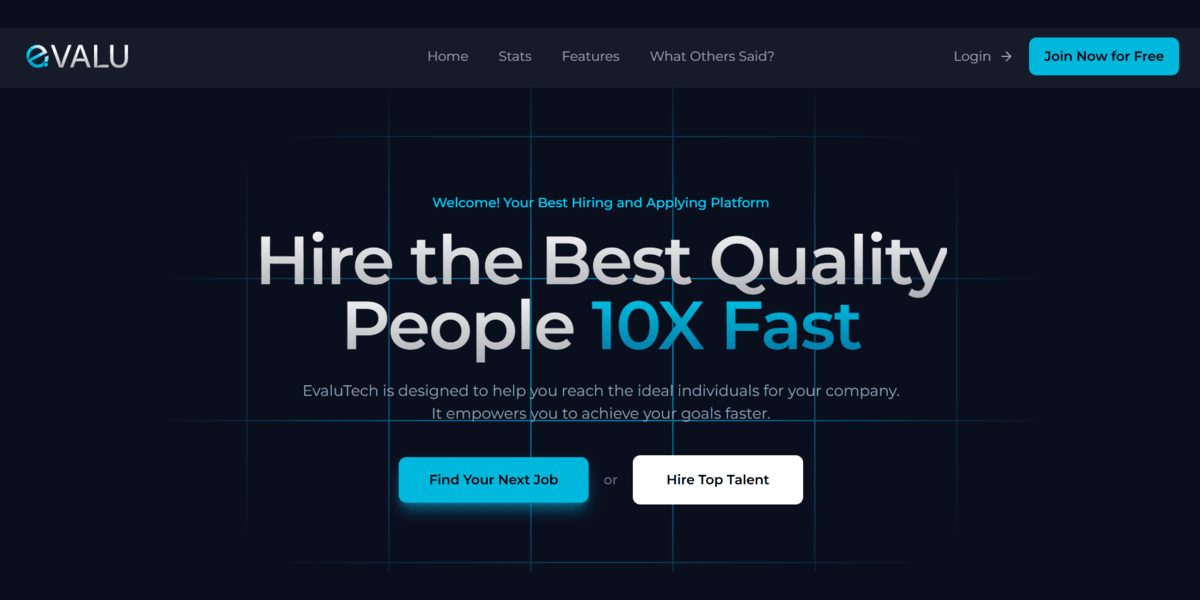
EvaluTech: AI-Powered Hiring & Job Platform for Employers and Applicants
EvaluTech is an intelligent recruitment management platform that streamlines the complete hiring lifecycle fro…
Supervisor: Dr. Wasif Nisar