
CityFlow360
Description
CityFlow360 is a smart community management system designed to improve communication and service delivery within residential and urban communities. The platform connects residents, service providers, vendors, and administrators through a centralized web and mobile application. It enables users to request and manage services, share announcements, handle complaints, and track daily community activities in an efficient way. Administrators can monitor operations, manage users, and ensure smooth workflow across the system. The project focuses on improving transparency, reducing manual processes, and enhancing coordination within communities. It is built using modern web and mobile development technologies to provide a user-friendly, scalable, and efficient digital solution for smart city and community management needs.
Objectives
The main objectives of CityFlow360 are: • To provide a centralized platform for residents, vendors, service providers, and admin • To enable efficient complaint management for civic and harassment issues • To facilitate quick access to emergency services such as ambulance and rescue • To allow verified vendors and service providers to offer services within the community • To provide real-time notifications and updates to users • To support rental and property advertisement management • To improve communication between users and the administration • To ensure data security and user privacy, especially in sensitive complaints • To provide analytics and insights for system monitoring and improvement
Socio-economic benefit
CityFlow360 provides significant socio-economic benefits by improving the way communities manage daily services, communication, and resource sharing. It creates a more connected and efficient environment where residents, service providers, vendors, and administrators can interact easily through a single platform. On the social side, the system enhances communication within communities by providing a centralized channel for announcements, complaints, and service requests. Residents can quickly report issues and receive timely responses, which improves trust and cooperation between community members and management. It also promotes transparency, as all activities and updates are recorded and accessible, reducing misunderstandings and delays. By digitizing traditional manual processes, it helps reduce dependency on paperwork and face-to-face interactions, making community management more modern and accessible. CityFlow360 also supports better community engagement, allowing residents to actively participate in local services and decisions. This improves overall satisfaction and strengthens the sense of belonging within the community. It is especially beneficial in large housing societies and urban areas where coordination is often difficult. On the economic side, the platform helps reduce operational costs by automating service management and communication processes. Administrators can manage tasks more efficiently, reducing the need for manual staff and paperwork. Service providers and vendors benefit by gaining direct access to customers within the community, increasing their business opportunities and income potential. Additionally, the system saves time and resources by streamlining service requests, reducing delays, and improving workflow efficiency. This leads to better resource utilization and lower maintenance costs for community management. Overall, CityFlow360 contributes to a smarter, more efficient, and economically sustainable community system by integrating technology into everyday social and administrative processes.
Methodologies
The development of CityFlow360 follows a structured and iterative software development methodology to ensure proper planning, design, implementation, and testing of the system. An Agile-inspired approach was used, where the project was divided into small modules and developed step by step to improve flexibility, collaboration, and continuous improvement. In the requirement gathering phase, we identified the needs of the system by analyzing the problems in traditional community management. Requirements were collected for different user roles including residents, vendors, service providers, and administrators. Functional requirements such as service requests, complaints management, announcements, and user management were defined, along with non-functional requirements like usability, performance, and security. In the system design phase, the overall architecture of CityFlow360 was planned. UI/UX designs were created using Figma, focusing on a user-friendly and responsive interface. The database structure and relationships were designed in Supabase, ensuring efficient data storage and retrieval. The system architecture was divided into frontend and backend components for better scalability and maintenance. During the development phase, the application was implemented using Flutter for both web and mobile platforms, ensuring a consistent user experience across devices. Backend services and authentication were integrated using Supabase, which also handled real-time data synchronization and database operations. Each module was developed incrementally, allowing continuous testing and improvements. In the testing phase, different types of testing were performed including functional testing, usability testing, and system testing. Each feature such as login, service requests, and complaint handling was tested to ensure it works correctly and efficiently. Bugs and errors were identified and resolved during development to improve system reliability. Finally, in the deployment and evaluation phase, the system was prepared for final presentation and demonstration. Feedback from users and supervisors was considered to further improve the application. The project was evaluated based on usability, functionality, and overall performance. Overall, this methodology ensured systematic development, better collaboration among team members, and a high-quality final product that meets user requirements effectively.
Outcome
The final outcome of the CityFlow360 project is a fully functional smart community management system that successfully integrates residents, vendors, service providers, and administrators into a single digital platform. The system delivers an efficient solution for handling community-related activities such as service requests, complaints, announcements, and user management in a structured and organized way. One of the key outcomes of this project is the development of a user-friendly web and mobile application using Flutter, ensuring accessibility across multiple devices. The interface is simple, responsive, and easy to use, which improves the overall user experience for all types of users, including non-technical individuals. The project also successfully implements a real-time backend using Supabase, which enables smooth data storage, retrieval, and synchronization. This ensures that all updates such as complaints, service requests, and notifications are instantly reflected across the system, improving communication speed and reliability. Another important outcome is the improvement in community coordination and communication. Residents can easily submit requests and complaints, while administrators can manage and respond efficiently. Vendors and service providers are able to connect directly with users, which improves service delivery and business opportunities within the community. From a technical perspective, the project demonstrates practical implementation of modern software development tools and frameworks, including Flutter, Supabase, and Figma. It also shows the ability to design, develop, and integrate a complete full-stack system with proper architecture and workflow. Additionally, the project enhances problem-solving and teamwork skills by simulating real-world community management challenges and providing a digital solution. It also highlights the importance of automation in reducing manual workload, saving time, and improving accuracy in administrative tasks. Overall, CityFlow360 achieves its objective of creating a smart, scalable, and efficient community management system. It provides a strong foundation for future enhancements such as AI-based recommendations, advanced analytics, and expanded service modules, making it a valuable contribution toward smart city solutions.
Gallery

More from Computer Science
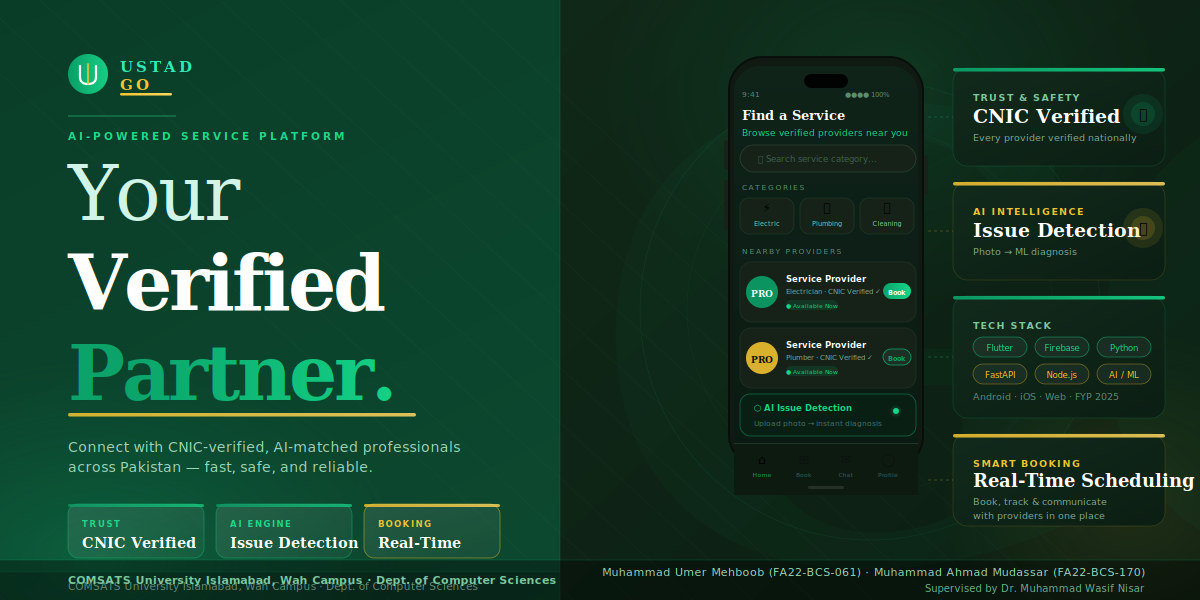
Ustad Go: An AI-Powered Mobile and Web Ecosystem for Verified Local Service Provision in P…
Ustad Go is a dual-platform solution bridging the gap between skilled local service providers and households.…
Supervisor: Dr. Wasif Nisar
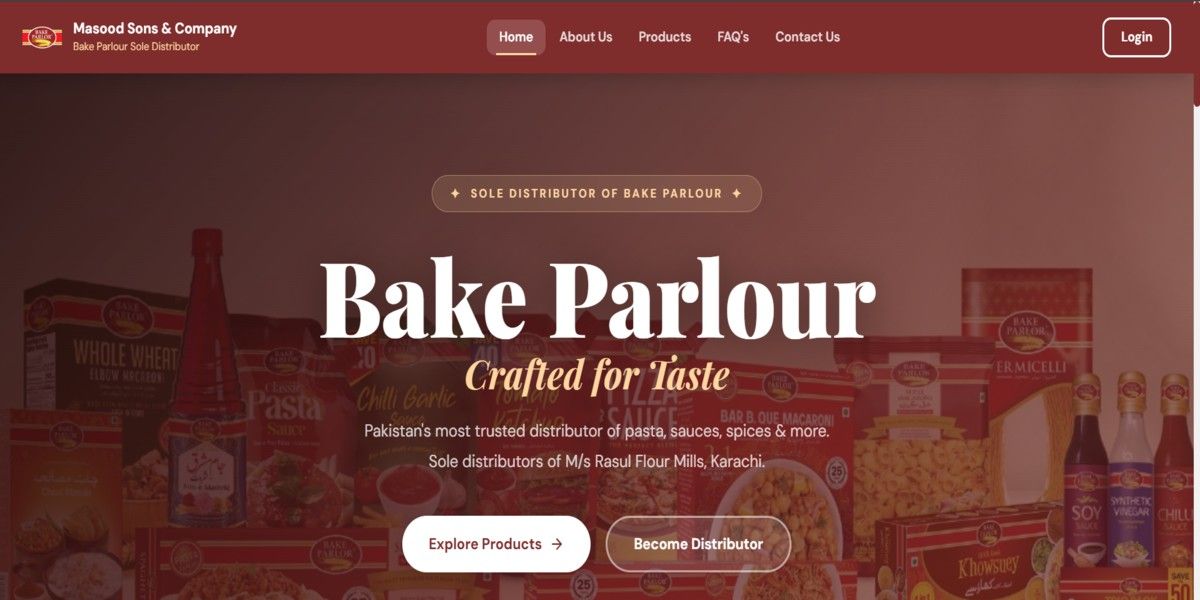
Sales Distribution Hub
The Sales Distribution Hub is a web-based management system designed for Masood & Company to automate and stre…
Supervisor: Dr. Wasif Nisar.
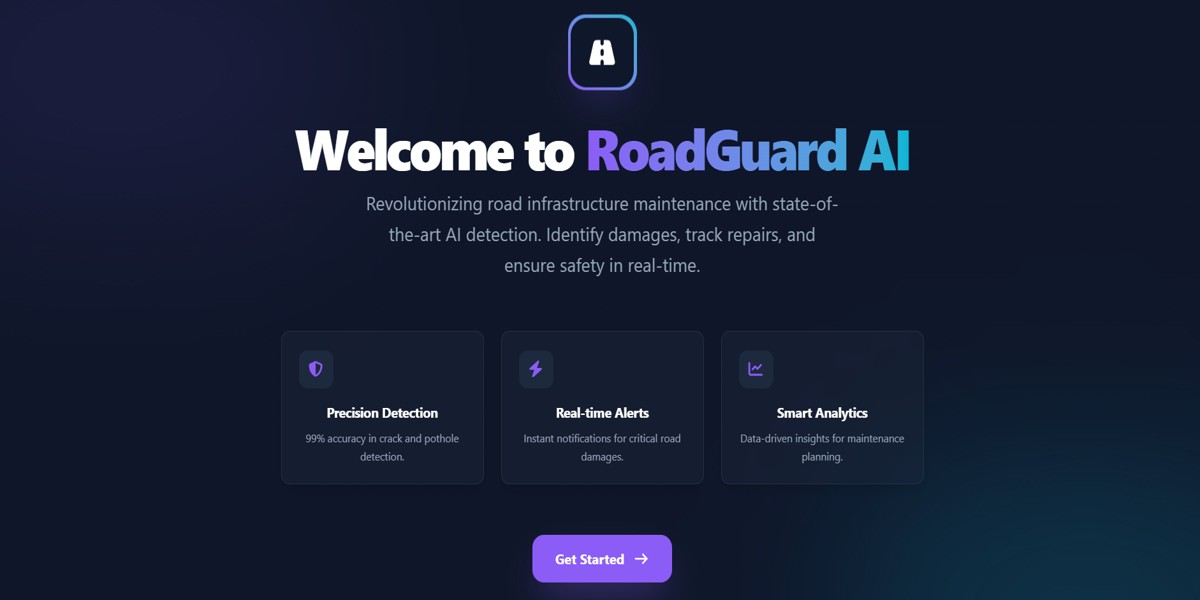
AI Based Road Damage Detection System
AI Based Road Damage Detection System is a smart application that uses YOLOv8 and computer vision techniques t…
Supervisor: Mehwish Mukhtar
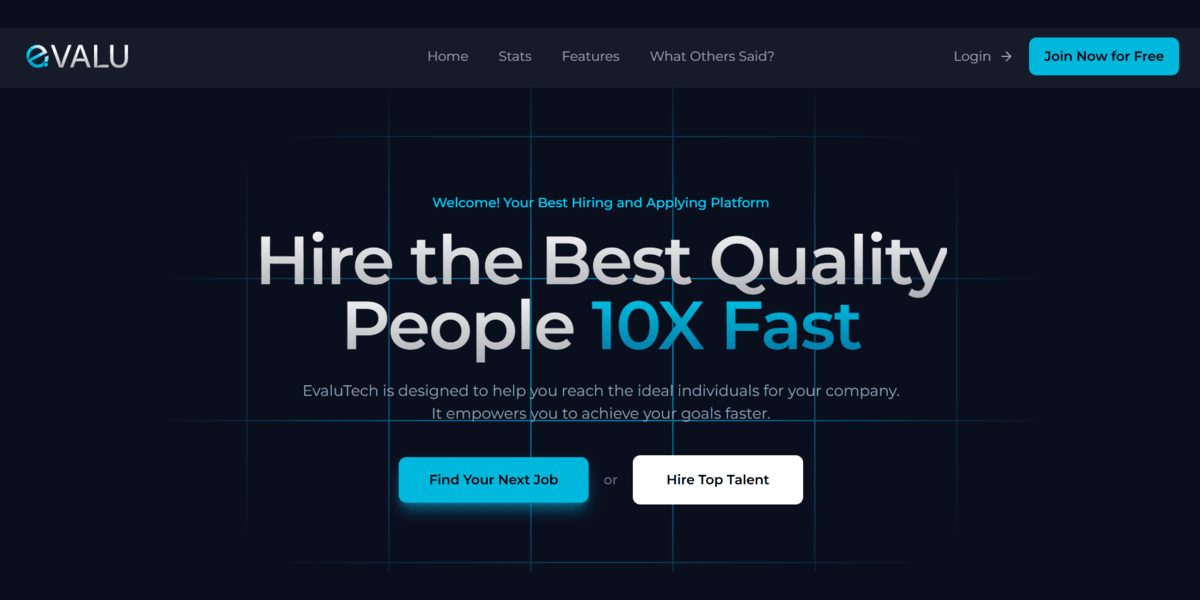
EvaluTech: AI-Powered Hiring & Job Platform for Employers and Applicants
EvaluTech is an intelligent recruitment management platform that streamlines the complete hiring lifecycle fro…
Supervisor: Dr. Wasif Nisar