
Electronic Device Registration and Monitoring Portal
Description
The Electronic Device Registration and Monitoring Portal (eDRMP) is a dedicated mobile application designed to automate and streamline the lifecycle management of electronic assets within an organization. Developed using the Flutter framework for a responsive user interface and integrated with Supabase for secure cloud database hosting, the application replaces manual, paper-based tracking systems. It allows administrators and users to effortlessly register hardware specifications, monitor real-time device status, and log maintenance activities. By ensuring data integrity through strict role-based access control (RBAC), eDRMP minimizes administrative overhead, prevents device loss, and provides real-time visibility into the organization’s hardware ecosystem directly from mobile devices.
Objectives
• To provide a secure and efficient platform for mobile device registration using CNIC and IMEI. • To enable users to submit FIRs digitally along with supporting documents. • To facilitate police authorities in verifying FIRs through a dedicated administrative panel. • To allow PTA administrators to process device blocking and unblocking requests after verification. • To provide users with real-time updates regarding registration FIR and blocking status. • To deliver push notifications and important system alerts to users. • To identify high-risk theft areas using FIR location data and notify users through theft-alert warnings. • To reduce fraudulent device-blocking attempts and unauthorized device usage. • To improve collaboration and communication between user’s police authorities and PTA.
Socio-economic benefit
The implementation of the eDRMP mobile application offers substantial socio-economic benefits to institutions and organizations: Financial Efficiency & Asset Protection: By offering precise mobile tracking and maintenance logging, the app prevents premature hardware failure and significantly reduces financial losses caused by device misplacement or theft. Administrative Productivity: Eliminating manual ledger entries or fragmented spreadsheets dramatically reduces administrative workload, allowing technical staff to manage and audit assets instantly. Enhanced Accountability: Digital ownership logging builds transparency and instills a sense of responsibility among individuals handling valuable organizational hardware. E-Waste Reduction: Monitoring device lifecycles closely and maintaining equipment on time extends the operational lifespan of hardware, contributing to environmental sustainability by minimizing electronic waste.
Methodologies
The eDRMP project follows a rigorous software engineering lifecycle tailored for modern mobile application development: Agile Scrum Framework: The project is managed iteratively using bi-weekly sprints, ensuring continuous integration, regular feature updates, and efficient progress tracking. System Modeling & Architecture: Detailed software requirements were mapped using Unified Modeling Language (UML) diagrams—including Use Case, Sequence, and Entity-Relationship Diagrams (ERD)—to ensure a solid structural baseline. Database & Cloud Integration: A relational database structure is designed using PostgreSQL on Supabase (Mobile-Backend-as-a-Service), implementing secure data rows and optimized query responses for real-time mobile syncing. Mobile Front-End Development: The app is built using the Flutter SDK and Dart programming language, incorporating Riverpod for robust state management to ensure a clean, maintainable MVVM architecture. Quality Assurance & Verification: The system undergoes strict software testing, including UI verification, and functional testing to guarantee a stable, bug-free user experience across various mobile devices.
Outcome
The core tangible outcomes achieved include: A Ready-to-Deploy Mobile Client: A high-performance mobile application developed using Flutter and Dart, featuring an intuitive, modern user interface that adapts seamlessly to various smartphone screen sizes. Centralized Cloud Backend Infrastructure: Implementation of a secure cloud-hosted database using Supabase (PostgreSQL). The backend successfully enforces Row-Level Security (RLS) policies, guaranteeing that data can only be modified by authenticated and authorized personnel. Robust Role-Based Control Flow: Integration of secure login and that accurately distinguish between system administrators and standard users, dynamically adjusting application views and access privileges accordingly. Operational Efficiency and Automation: The app successfully automates the lifecycle workflows of device registration, dynamic status monitoring. It completely replaces slow, error-prone manual spreadsheets and paper records. Data Integrity and Accuracy: Testing and validation confirmed that the system eliminates data redundancy, prevents data loss during synchronization, and reduces the overall administrative time required to audit hardware assets by providing instantaneous cloud updates.
Gallery


More from Computer Science
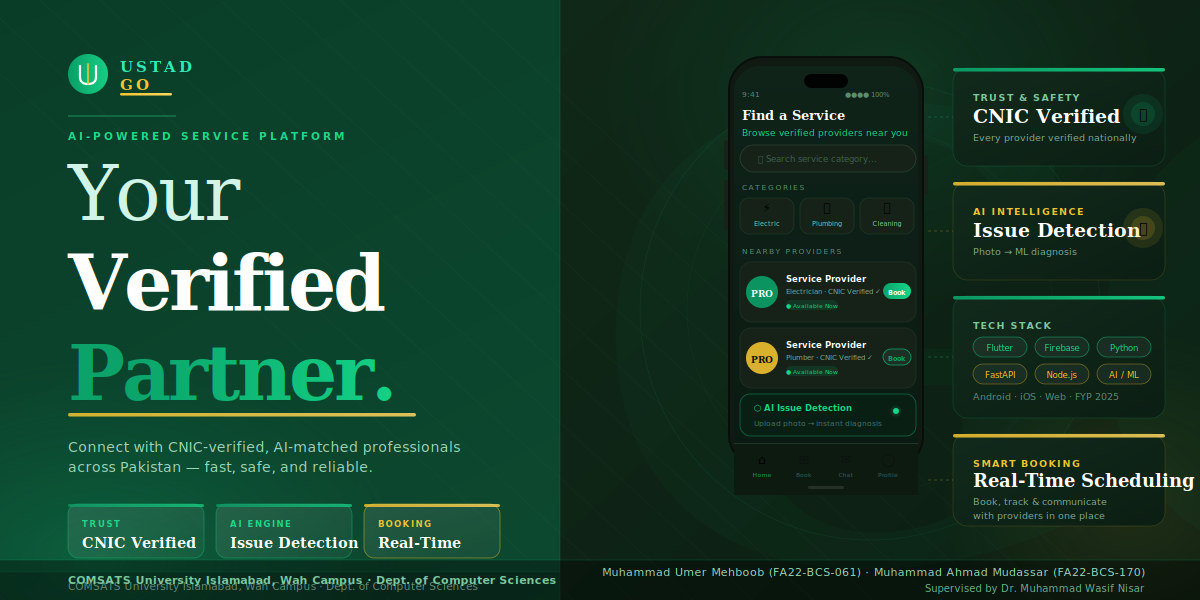
Ustad Go: An AI-Powered Mobile and Web Ecosystem for Verified Local Service Provision in P…
Ustad Go is a dual-platform solution bridging the gap between skilled local service providers and households.…
Supervisor: Dr. Wasif Nisar
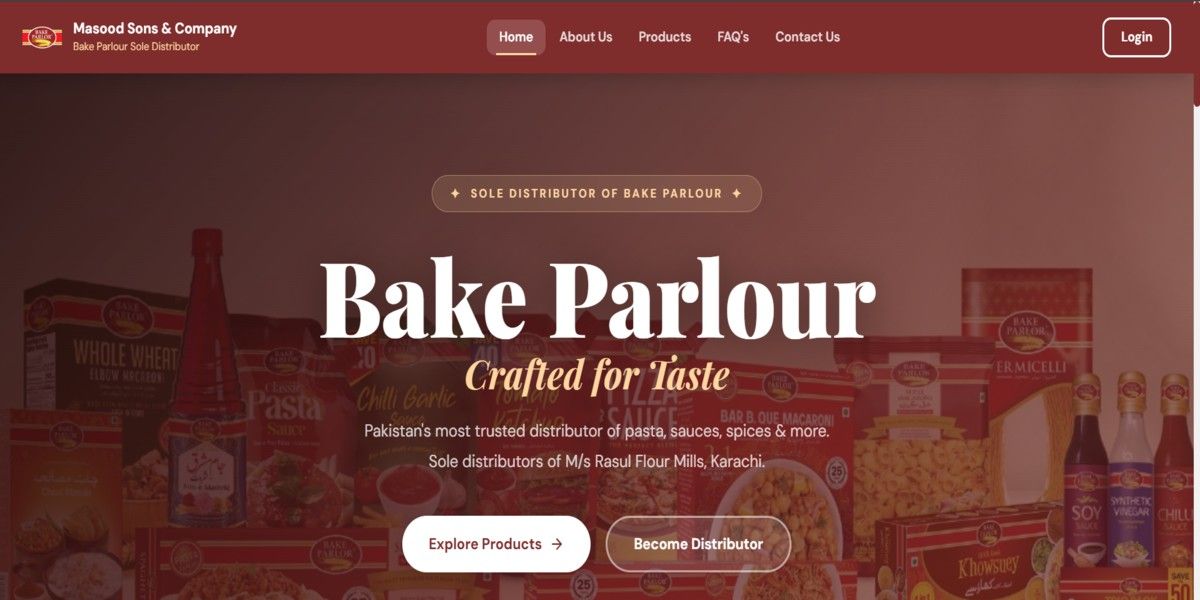
Sales Distribution Hub
The Sales Distribution Hub is a web-based management system designed for Masood & Company to automate and stre…
Supervisor: Dr. Wasif Nisar.
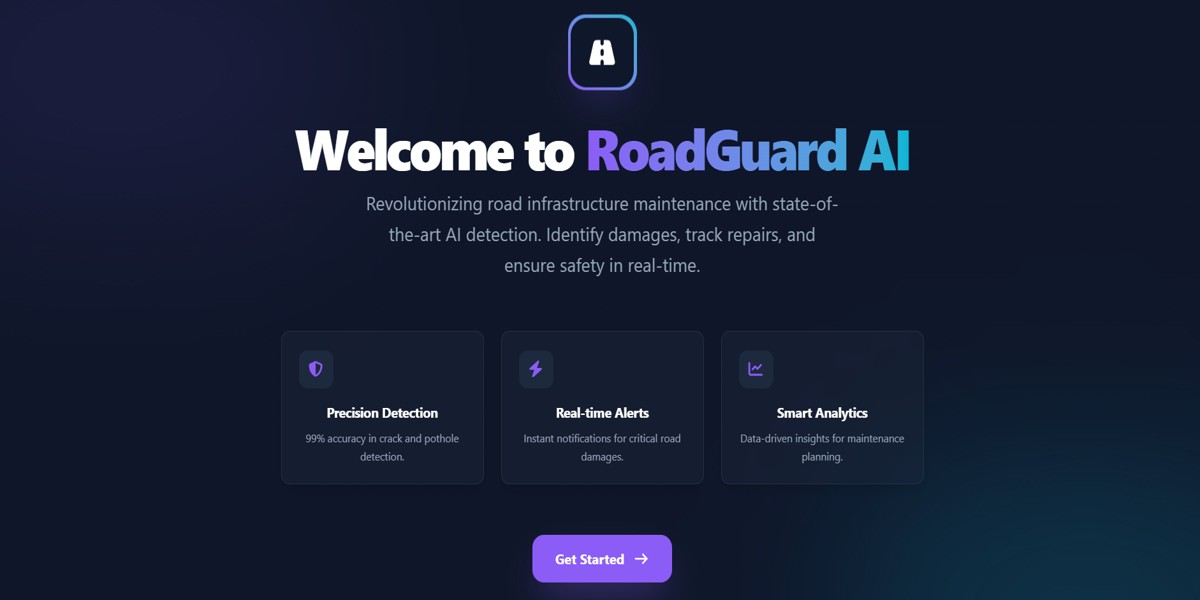
AI Based Road Damage Detection System
AI Based Road Damage Detection System is a smart application that uses YOLOv8 and computer vision techniques t…
Supervisor: Mehwish Mukhtar
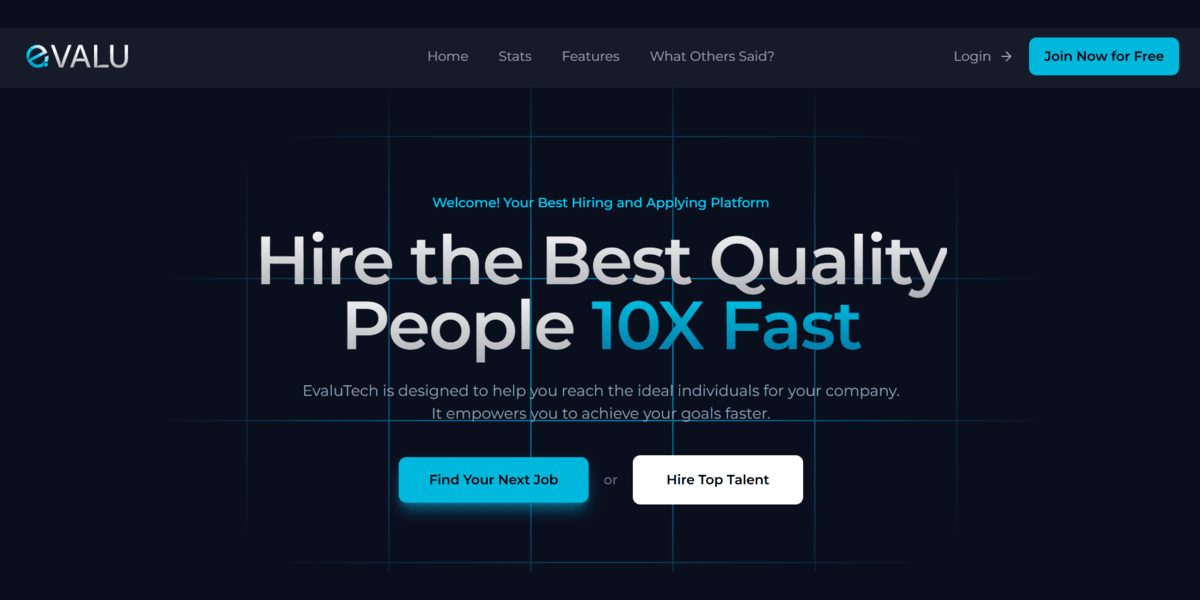
EvaluTech: AI-Powered Hiring & Job Platform for Employers and Applicants
EvaluTech is an intelligent recruitment management platform that streamlines the complete hiring lifecycle fro…
Supervisor: Dr. Wasif Nisar