Solar Powered Battery Bank with Wireless Charging Station
Description
The Solar Powered Battery Bank with Wireless Charging Station project integrates solar power, wireless charging technology, and smart solar tracking systems to generate clean energy, enable cable-free device charging, optimize energy capture, and promote cost-effective and sustainable solutions. The project aims to enhance user convenience, reduce environmental impact, and provide socio-economic benefits through improved access to off-grid power solutions and enhanced outdoor recreational experiences.
Objectives
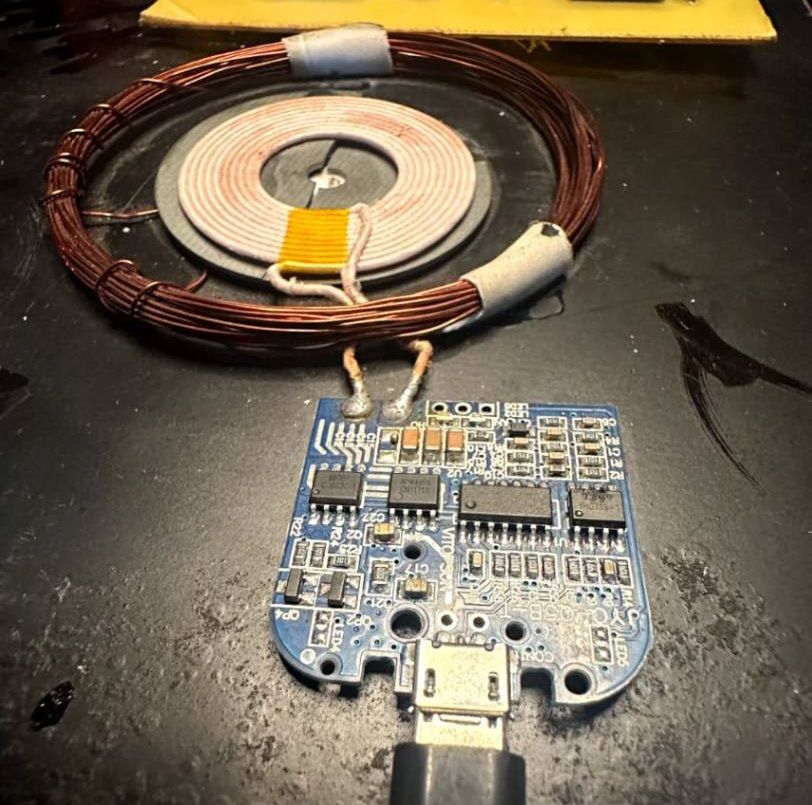
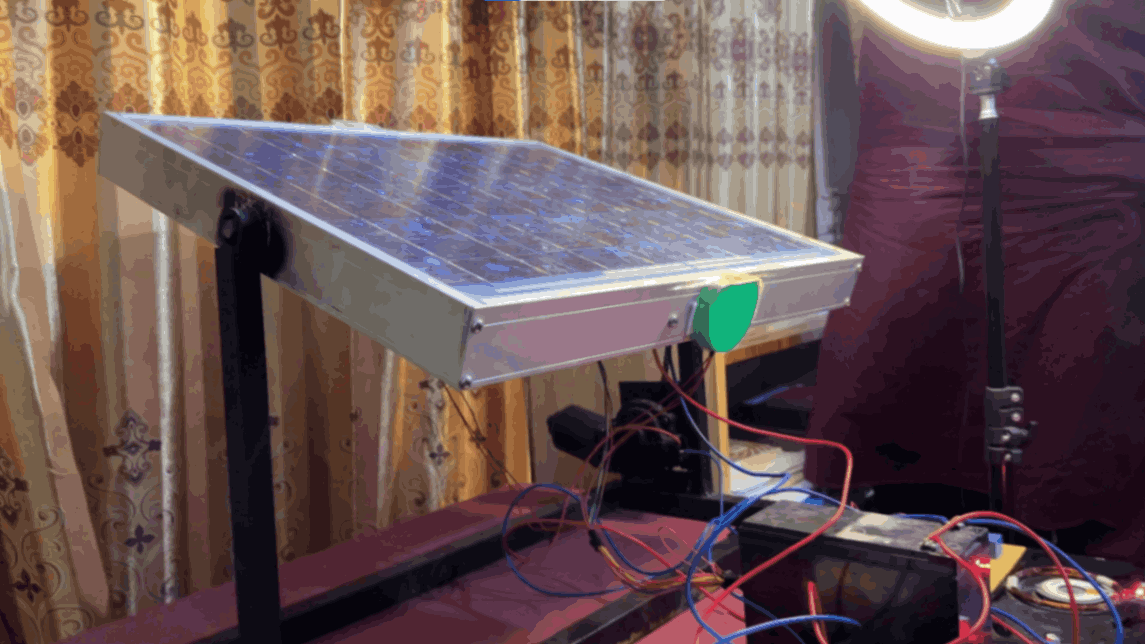
The primary objective of the Solar Powered Battery Bank with Wireless Charging Station project is to develop an innovative solution that integrates advanced solar tracking technology. The project aims to design a system that combines a smart solar tracking system for optimal energy generation with wireless charging stations for various devices, including mobile devices and wired laptops. The goal is to provide a clean and environment-friendly energy source while eliminating the need for wires for charging electronic devices. The specific aims of the project include: 1. Designing a solar-powered battery bank capable of storing solar energy and powering devices as needed. 2. Developing a wireless charging station for charging devices such as smartphones, smartwatches, and flashlight wires without the need for physical connections. 3. Implementing a smart solar tracking system to dynamically adjust the orientation of the solar panel towards the sun for maximum energy generation. 4. Demonstrating the practicality and cost-effectiveness of solar energy as a viable alternative to conventional power sources, promoting its wider acceptance and deployment in various settings.
Socio-economic benefit
The Solar Powered Battery Bank with Wireless Charging Station project offers several socio-economic benefits through its versatile applications: 1. Off-grid Power Solutions: In rural or unconnected areas without access to electricity, this system can serve as an off-grid alternative energy source. By providing power to devices like lighting, communication tools, and appliances, it can enhance living standards and stimulate economic growth. 2. Outdoor Recreational Activities: The portability of the system makes it ideal for outdoor activities such as camping, hiking, and boating. Users can carry the solar-charged battery bank to power their electronic devices, ensuring connectivity and safety regardless of the recreational location. 3. Environmental Impact: By utilizing clean solar energy and eliminating the need for traditional grid-connected power sources, the project promotes sustainability and reduces environmental harm. This shift towards renewable energy sources contributes to a greener and cleaner energy landscape. 4. Cost Efficiency: The utilization cost analysis of the project aims to demonstrate the cost-effectiveness of the new clean energy technology. By harnessing solar power and wireless charging capabilities, the project offers a potentially more affordable and efficient energy solution for various sectors. The Solar Powered Battery Bank with Wireless Charging Station project not only addresses the increasing demand for sustainable energy sources but also brings about positive socio-economic impacts by improving access to power in remote areas, enhancing outdoor recreational experiences, and promoting environmental sustainability and cost efficiency.
Methodologies
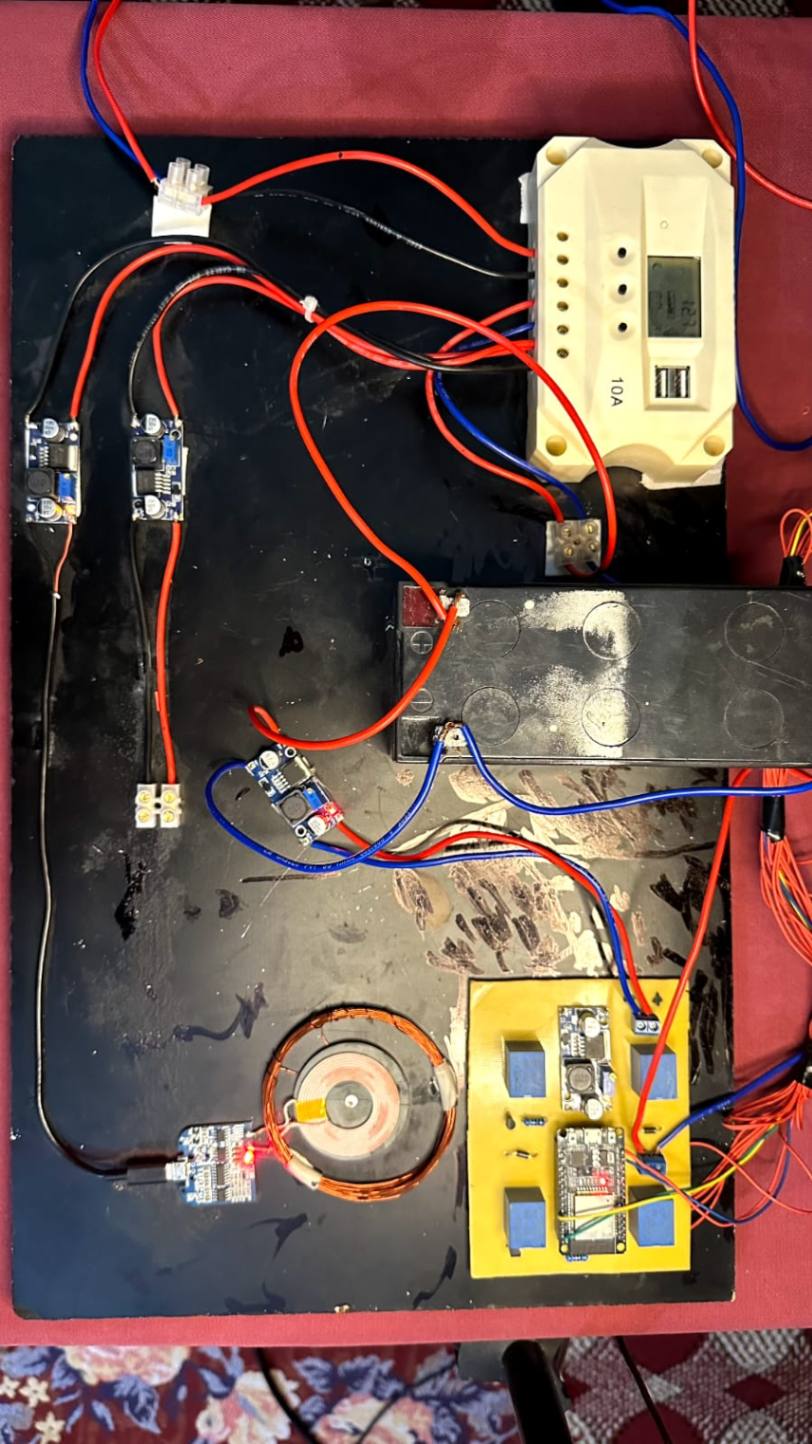
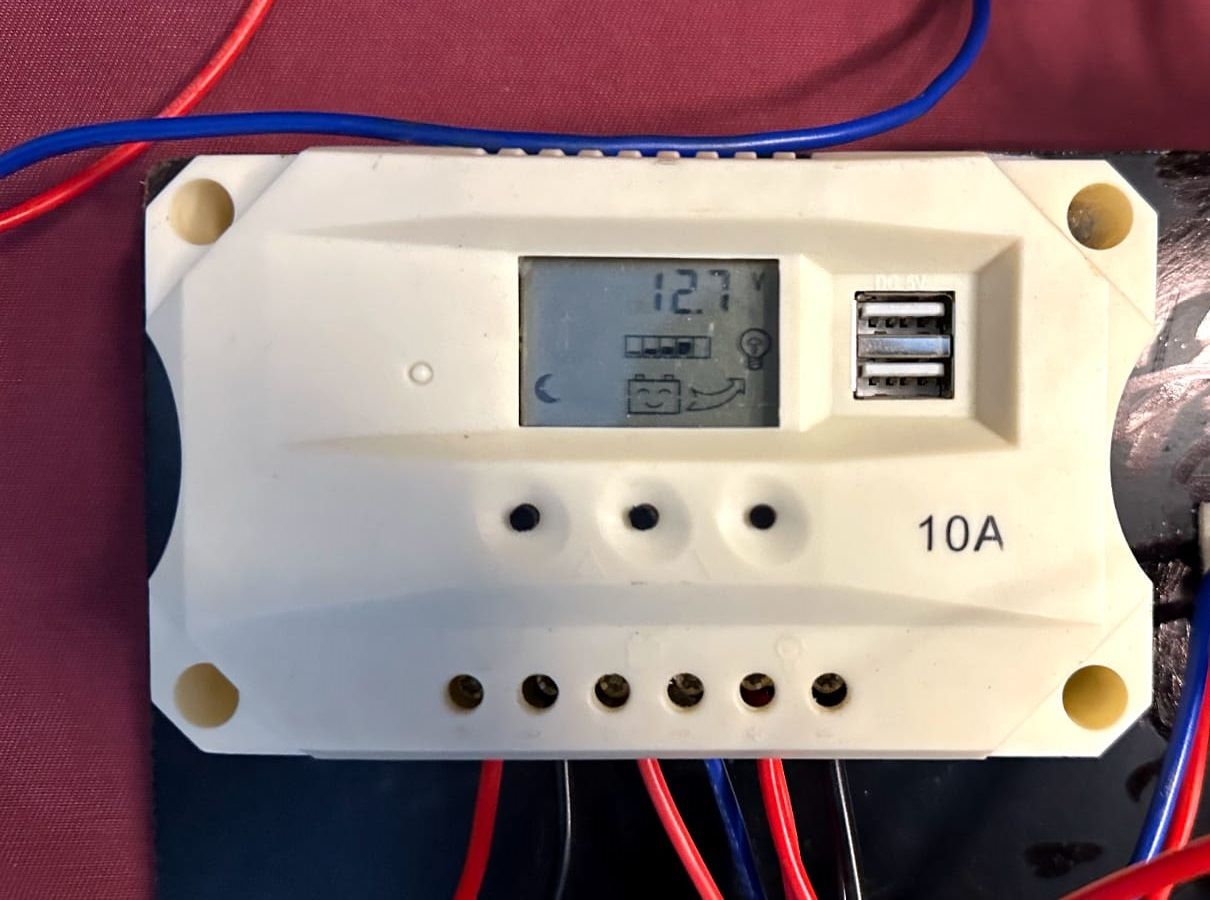
The methodology of the Solar Powered Battery Bank with Wireless Charging Station project involves a systematic approach to design, implementation, and testing. Here are the key methodologies employed in the project: 1. Functional Needs Analysis: The project begins by understanding the functional requirements and technical specifications in detail. This includes identifying the components and technologies required for the system to function effectively, such as the DC motor for solar tracking, solar panels for energy conversion, microcontrollers for system management, solar charge controllers for overseeing charging activities, wireless charging coils for device compatibility, and buck and boost converters for voltage control. 2. System Integration: The project methodology includes the integration of various components and technologies in a structured manner. This involves combining the solar panel system, wireless charging station development, and smart solar tracking system implementation to create a cohesive and efficient system. 3. Literature Review: A comprehensive literature review is conducted to understand previous work related to the proposed model. This research helps in building upon existing knowledge and incorporating best practices into the project design and implementation. 4. Requirements Specification: The project outlines both functional and non-functional requirements, prioritizing the needs into distinct categories. This step ensures that the system meets the necessary specifications for optimal performance and efficiency. 5. Testing and Evaluation: The project methodology includes testing the system to ensure that it functions as intended and meets the project objectives. This involves evaluating the performance of the solar-powered battery bank, wireless charging station, and smart solar tracking system to validate their effectiveness. By following these methodologies, the Solar Powered Battery Bank with Wireless Charging Station project aims to develop a competent and efficient solar system that integrates advanced technologies for optimal energy generation and wireless charging capabilities.
Outcome
The Solar Powered Battery Bank with Wireless Charging Station project aims to achieve several outcomes that contribute to the advancement of clean energy technologies and sustainable practices. Here are the anticipated project outcomes: 1. Clean Energy Generation: The project will demonstrate the effective utilization of solar power to generate clean energy for powering digital devices. By harnessing renewable energy sources, the system promotes sustainability and reduces reliance on fossil fuels, thereby contributing to a cleaner environment. 2. Wireless Charging Capabilities: The implementation of a wireless charging station enables convenient and cable-free charging of devices such as smartphones and laptops. This feature enhances user convenience and eliminates the need for physical connections, offering a more efficient and user-friendly charging experience. 3. Smart Solar Tracking System: The integration of a smart solar tracking system ensures optimal energy generation by dynamically adjusting the orientation of the solar panel towards the sun. This technology maximizes solar energy capture and enhances the overall efficiency of the system. 4. Cost-Effective Solution: Through a detailed utilization cost analysis, the project aims to demonstrate the cost-effectiveness of the new clean energy technology. By providing an affordable and efficient energy solution, the project seeks to make clean energy technologies more accessible and economically viable for various applications. 5. Socio-Economic Impact: The project outcomes extend beyond technological advancements to include socio-economic benefits such as improved access to off-grid power solutions, enhanced outdoor recreational experiences, and environmental sustainability. By addressing the growing demand for sustainable energy sources, the project aims to make a positive impact on society and the environment. Overall, the Solar Powered Battery Bank with Wireless Charging Station project is expected to deliver a comprehensive and innovative solution that leverages solar power, wireless charging technology, and smart solar tracking systems to promote clean energy usage, convenience, cost-effectiveness, and socio-economic benefits.
Gallery


More from Electrical & Computer Engineering
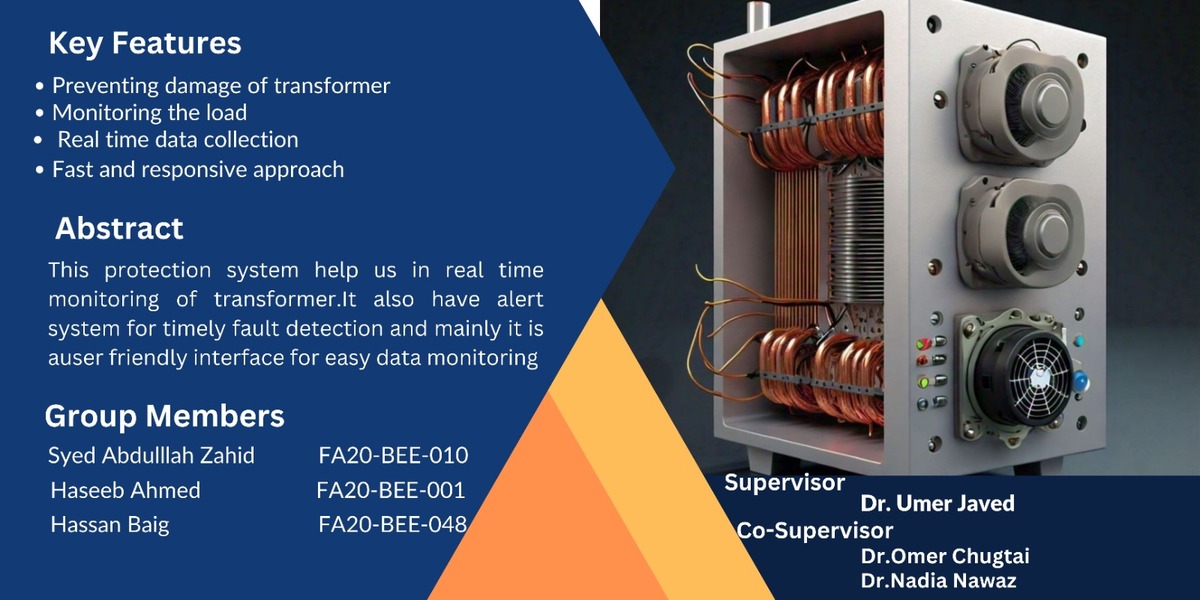
Transformer Protection And Control System
The main purpose of this project is the protection of transformer, and to improve the working of transformer.…
Supervisor: Dr. Umer Javed , Dr. Nadia Nawaz ,Dr. Omer Chugtai
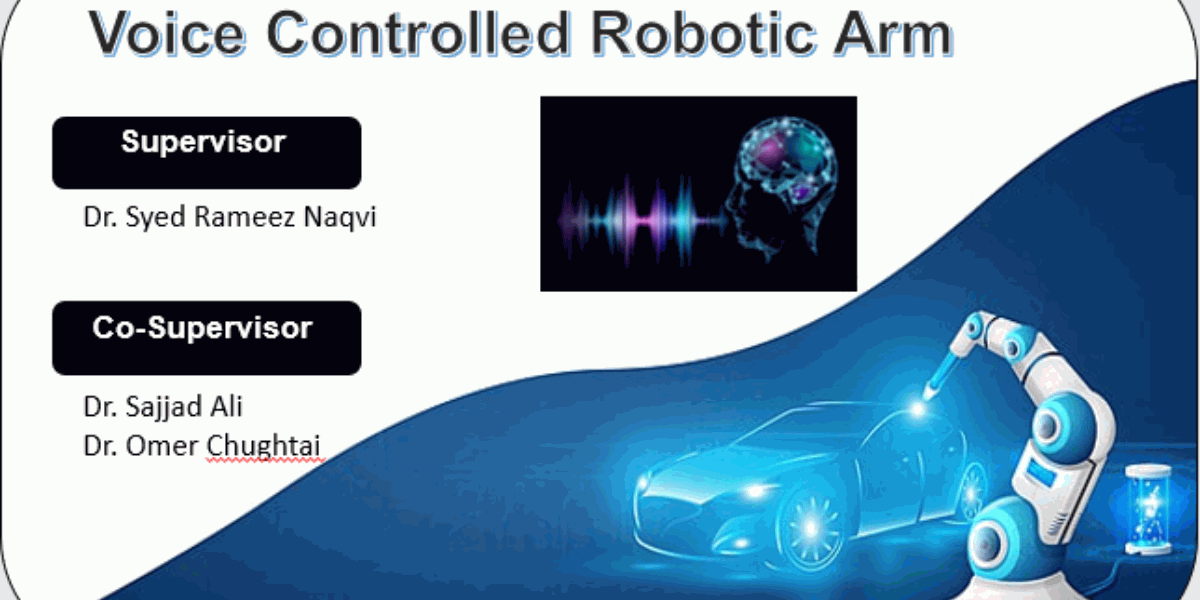
Voice Controlled Robotic Arm
1. A robotic arm is an electrical and mechanical machine that is used to perform tasks that require extreme pr…
Supervisor: Dr. Syed Rameez Naqvi

RENEWABLE ENERGY BASED WATER PURIFICATION SYSTEM
The integration of an ultrasonic sensor into reverse osmosis (RO) systems marks a significant advancement in w…
Supervisor: Bilawal Behram

Automatic Indoor Farming Module
Introducing our Automatic Indoor Farming Module! Powered by an ESP32 microcontroller, it's a smart solution fo…
Supervisor: Engr. Riaz Hussain Junejo