Empowering Remote Regions: Design and Optimization of a Hybrid Solar and Wind Power Generation System.
Description
"Empowering Remote Regions: Design and Optimization of a Hybrid Solar and Wind Power Generation System." focuses on designing and optimizing a hybrid solar and wind power generation system integrates a generator as a backup component in its hybrid solar and wind power generation system design to provide sustainable energy solutions for remote areas. This project aims to harness the combined power of solar and wind energy to create a reliable and efficient source of electricity, contributing to the development and empowerment of communities in isolated regions. This ensures uninterrupted electricity supply, especially during periods of low solar or wind activity, enhancing reliability and resilience in remote areas.
Objectives
To ensure reliable and sustainable energy access in remote regions. To minimize environmental impact through clean energy sources. To design an integrated hybrid system for optimal power generation. To implement power systems units at each apartment in remote areas. To provide electricity to homes, schools, and other institutions. To extend power generation to multistoried buildings. To illuminate street lighting over large areas. To serve off-grid applications. To utilize excess energy for solar water heaters, electric kettles, and solar vehicles. To enable reliable power for traffics signaling and other diverse applications.
Socio-economic benefit
1. Benefits to the community: By deploying this hybrid system, our community gains access to reliable and sustainable electricity. This has numerous benefits, including improved healthcare, education, economic opportunities, and quality of life. 2. Environmental impact: Furthermore, by transitioning to renewable energy, we reduce our carbon footprint and mitigate the impacts of climate change. This aligns with global efforts towards a greener and more sustainable future. 3. Access to Electricity: Many remote regions lack access to reliable electricity. Implementing a hybrid solar and wind power system can provide a consistent and sustainable source of electricity to these areas, improving the quality of life for residents. 4. Economic Development: Reliable electricity can spur economic development in remote regions by enabling businesses to operate more efficiently and effectively. It can also attract investment by providing infrastructure necessary for industry and commerce. 5. Job Creation: The construction, installation, and maintenance of hybrid solar and wind power systems create job opportunities in the local community. These jobs can range from skilled technicians to administrative staff, providing employment opportunities and boosting local economies. 6. Energy Independence: Remote regions often rely on expensive and environmentally harmful diesel generators for electricity. By transitioning to renewable energy sources like solar and wind power, these regions can reduce dependence on fossil fuels and achieve greater energy independence. 7. Environmental Benefits: Renewable energy sources produce fewer greenhouse gas emissions compared to traditional fossil fuels. Implementing a hybrid solar and wind power system can help mitigate climate change and reduce pollution in remote regions, leading to cleaner air and water. 8. Education and Healthcare: Reliable electricity enables the operation of schools, clinics, and other essential services in remote areas. It allows for the use of technology such as computers and medical equipment, improving education and healthcare outcomes for residents. 9. Improved Quality of Life: Access to electricity enhances the overall quality of life in remote regions by enabling access to modern amenities such as lighting, refrigeration, communication devices, and entertainment. It also increases safety and security by providing lighting during nighttime hours.
Methodologies
• Project based on Solar, and Wind • Use only one source at a time • Use relays to switch the power source • Use microcontrollers to show the switching process on LCD • Set preferences as Solar, and Wind respectively • Use LEDs to show physically which switch is ON
Outcome
1. Environmental Considerations: While generators powered by fossil fuels produce emissions, their use as backup sources can be minimized through smart management practices. They are typically used infrequently, reducing overall environmental impact compared to continuous operation. 2. Environmental Sustainability: By transitioning away from fossil fuels to renewable energy sources, remote regions can reduce their carbon footprint and mitigate the impacts of climate change. This outcome contributes to long-term environmental sustainability and resilience. 3. Economic Growth: With access to electricity, local businesses can operate more efficiently and effectively. This can stimulate economic growth in remote regions, create new job opportunities, attract investment, and reduce poverty levels. 4. Fuel Diversity: By utilizing a combination of renewable energy sources and a backup generator powered by diesel, propane, or natural gas, remote regions can achieve fuel diversity. This reduces dependence on a single energy source and enhances resilience to fuel price fluctuations and supply chain disruptions. 5. Cost Optimization: While renewable energy systems have low operational costs once installed, the initial investment can be significant. Integrating a backup generator allows for cost-effective energy storage solutions to be used, balancing the upfront costs with the long-term benefits of renewable energy. 6. Enhanced Reliability: While solar and wind power are renewable and sustainable, they can be intermittent depending on weather conditions. Integrating a generator as a backup source ensures continuous power supply, especially during periods of low renewable energy generation. 7. Health Benefits: Access to electricity enables the operation of healthcare facilities with reliable power sources for medical equipment and lighting. This leads to improved healthcare services, better health outcomes, and a higher quality of life for residents. 8. Education Enhancement: Reliable electricity allows schools to function effectively with adequate lighting, power for electronic devices, and access to educational resources. This outcome improves educational opportunities and contributes to human capital development.
Gallery


More from Electrical & Computer Engineering
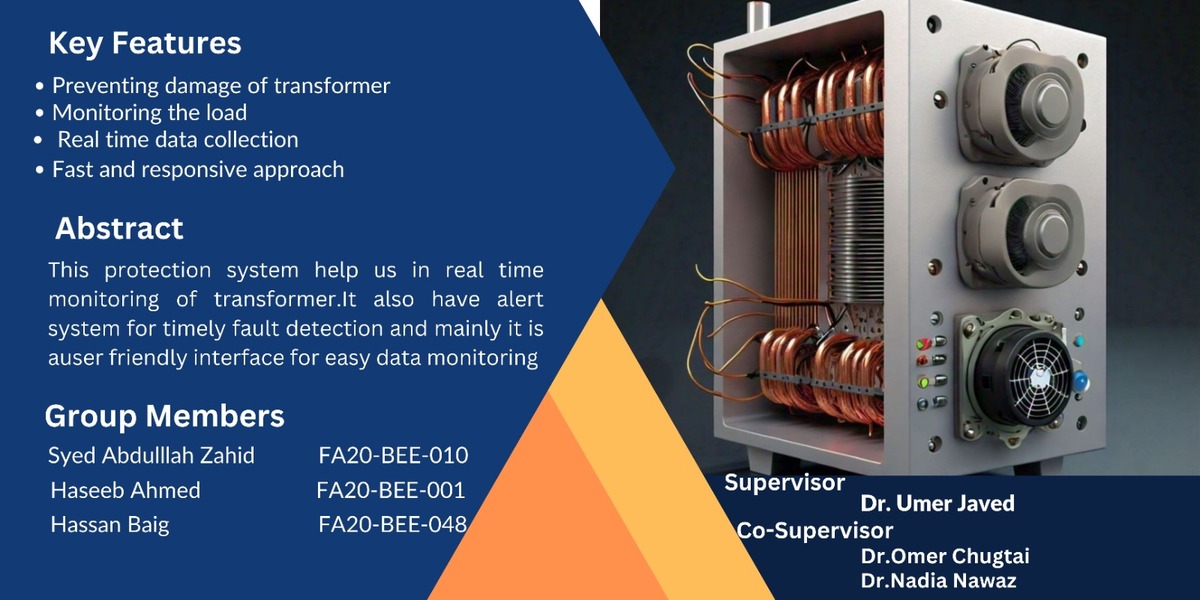
Transformer Protection And Control System
The main purpose of this project is the protection of transformer, and to improve the working of transformer.…
Supervisor: Dr. Umer Javed , Dr. Nadia Nawaz ,Dr. Omer Chugtai
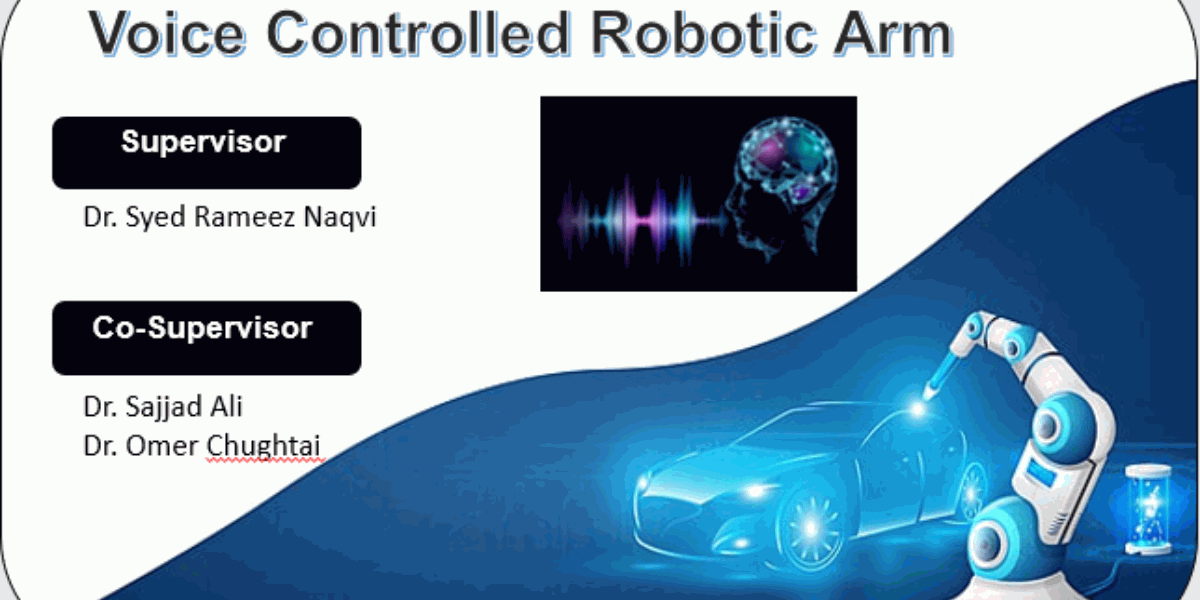
Voice Controlled Robotic Arm
1. A robotic arm is an electrical and mechanical machine that is used to perform tasks that require extreme pr…
Supervisor: Dr. Syed Rameez Naqvi

RENEWABLE ENERGY BASED WATER PURIFICATION SYSTEM
The integration of an ultrasonic sensor into reverse osmosis (RO) systems marks a significant advancement in w…
Supervisor: Bilawal Behram

Automatic Indoor Farming Module
Introducing our Automatic Indoor Farming Module! Powered by an ESP32 microcontroller, it's a smart solution fo…
Supervisor: Engr. Riaz Hussain Junejo