Design of hybrid inverter with android app
Description
The project, "Design of Hybrid Inverter with Android App aims to address several key issues in the energy sector. Motivated by the need to reduce carbon emissions and high electricity costs, the team seeks to develop a hybrid inverter system that integrates solar energy with conventional sources. Their objectives include creating a plug-and-play device to enhance existing solar setups, developing an Android app for real-time monitoring, and optimizing power usage for cost reduction. Drawing from research on solar integration and energy monitoring systems, their approach involves a comprehensive block diagram detailing the conversion of power sources, control of battery charging/discharging, and load management via Raspberry Pi. The project's societal impacts include empowering users to manage billing, promoting transparent power usage, and mitigating environmental impact, while also offering economic benefits for local consumers.
Objectives
To construct plug and play-type device that converts the conventional backup system to a hybrid system. To develop application for load controlling and displaying real time data, usage. To utilize the cheapest source of power as first priority to reduce electricity bills.
Socio-economic benefit
The impacts on society from this project is empowering users to control their billing price, enabling users for a transparent use of power, environmentally friendly source of energy, and reducing the carbon emission. The commercial aspects are economical for local user and enabling small consumers to control their electrical expenses.
Methodologies
We are heading to " Design hybrid inverter with android app" which converts the conventional backup system into a hybrid system and utilizes the cheapest power source as the first priority. the different aspects of this project are as follows: Current and voltage sensing of the solar grid, battery, and load. Controlled current sharing between the sources by the PWM signal is done using raspberry pi The entire system is controlled using raspberry pi. To detect the load, we employ current sensors and voltage sensors. These sensors capture the voltage and current signals, which are then transmitted to the analog pins of the raspberry pi. The raspberry pi is programmed to prioritize the use of the lowest-cost energy source, which is solar power. If there is a shortfall between the load requirements and the solar power available, the raspberry pi generates a PWM signal proportional to the deficiency. This PWM signal is then applied to the voltage-controlled current source's gate. This current source shares power from secondary sources (such as the grid or a battery) and regulates the power accordingly.
Outcome
Primarily, the project aims to address key issues related to energy consumption, cost, and environmental impact. By integrating various energy sources including Wapda, solar, and battery, the hybrid inverter system offers a versatile solution that not only reduces dependency on conventional energy sources but also promotes the use of renewable energy such as solar power. This shift towards renewable energy contributes to the reduction of carbon emissions, thereby mitigating environmental pollution and combating climate change. One of the major outcomes of the project is the development of a plug-and-play hybrid inverter device that seamlessly integrates with existing solar systems. This device enhances the efficiency of solar energy utilization while providing users with a reliable source of power. The integration of an Android app for real-time data monitoring adds another layer of convenience and control for users. Through the app, users can track energy consumption, monitor the performance of their solar system, and make informed decisions to optimize energy usage. Furthermore, the project's focus on affordability and accessibility makes it particularly impactful for local communities and small consumers. By reducing electricity bills and offering a more economical alternative to traditional energy sources, the hybrid inverter system empowers users to take control of their energy expenses. This not only improves financial affordability but also enhances energy accessibility, especially for underserved communities. From a societal perspective, the project has wide-ranging implications. By enabling users to manage their energy usage more efficiently, it promotes a culture of sustainability and responsible consumption. The transparent use of power facilitated by real-time monitoring fosters greater awareness and accountability among users, encouraging them to adopt more sustainable practices. Additionally, by reducing the strain on the power grid and minimizing reliance on fossil fuels, the project contributes to the overall stability and resilience of the energy infrastructure. In terms of commercial viability, the project offers promising opportunities for market penetration and scalability. The economical nature of the hybrid inverter system makes it an attractive option for both individual consumers and businesses looking to reduce operational costs and environmental footprint. Moreover, by catering to the growing demand for renewable energy solutions, the project has the potential to capture a significant share of the market, driving further innovation and investment in sustainable energy technologies In summary, the outcome of the "Design of Hybrid Inverter with Android App" project not only addresses critical challenges in the energy sector but also presents a sustainable and economically viable solution with far-reaching societal impacts. By harnessing the power of renewable energy and technology
Gallery


More from Electrical & Computer Engineering
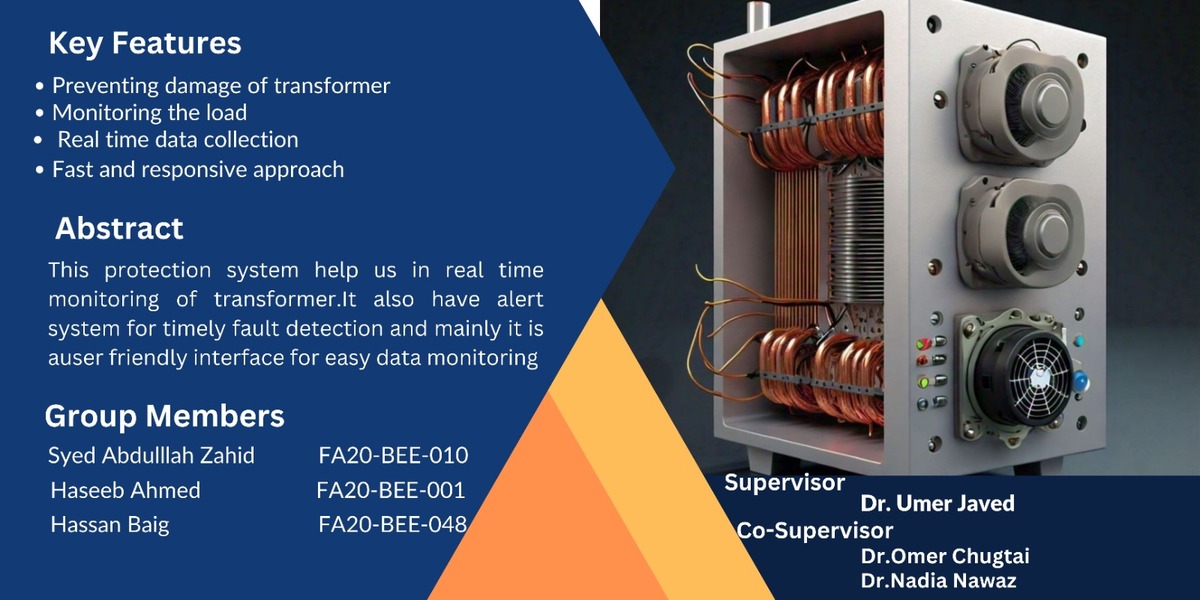
Transformer Protection And Control System
The main purpose of this project is the protection of transformer, and to improve the working of transformer.…
Supervisor: Dr. Umer Javed , Dr. Nadia Nawaz ,Dr. Omer Chugtai
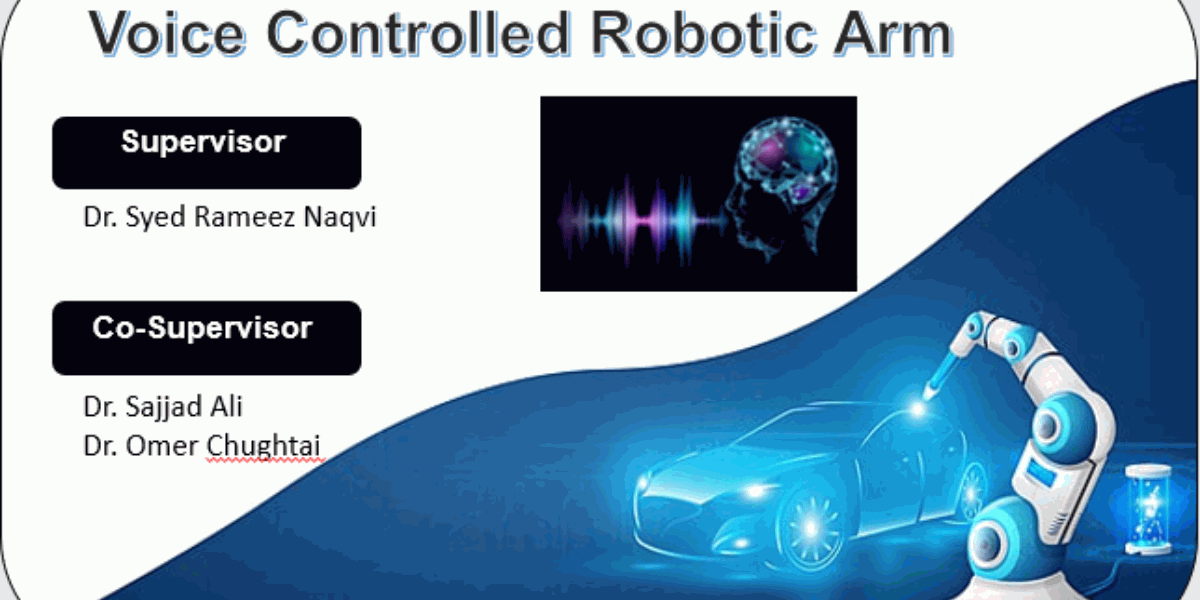
Voice Controlled Robotic Arm
1. A robotic arm is an electrical and mechanical machine that is used to perform tasks that require extreme pr…
Supervisor: Dr. Syed Rameez Naqvi

RENEWABLE ENERGY BASED WATER PURIFICATION SYSTEM
The integration of an ultrasonic sensor into reverse osmosis (RO) systems marks a significant advancement in w…
Supervisor: Bilawal Behram

Automatic Indoor Farming Module
Introducing our Automatic Indoor Farming Module! Powered by an ESP32 microcontroller, it's a smart solution fo…
Supervisor: Engr. Riaz Hussain Junejo