Monitoring system for Portable Oxygen Concentrator
Description
This project aims to create a monitoring system for portable oxygen concentrators, enabling remote tracking of oxygen flow rates and temperature via a mobile app. By integrating Arduino IDE, Firebase, and MIT App Inventor, the system enhances patient care during home oxygen therapy. Its innovation lies in offering real-time monitoring capabilities, reducing patient burden, and mitigating risks of hypoxia and hyperoxia. The system targets coma or hypoxia patients, optimizing their therapy experience while ensuring safety. This project contributes to advancing home healthcare by leveraging technology to provide comprehensive and reliable monitoring solutions for portable oxygen concentrators.
Objectives
The primary objectives of this project are as follows: 1. Develop a comprehensive monitoring system capable of tracking oxygen flow rates and temperature levels in real-time. 2. Design a user-friendly mobile application interface to provide remote access to monitoring data. 3. Implement advanced algorithms and protocols to ensure the accuracy and reliability of monitoring measurements. 4. Integrate the monitoring system seamlessly with portable oxygen concentrators, minimizing installation and setup complexity. 5. Evaluate the performance and efficacy of the monitoring system through rigorous testing and validation procedures. 6. Explore opportunities for future enhancements and extensions to further improve the functionality and utility of the system.
Socio-economic benefit
The project's socio-economic benefits are significant, positively impacting both individuals and society as a whole. By enhancing the monitoring system for portable oxygen concentrators, the project improves access to quality healthcare for individuals requiring home oxygen therapy. This leads to better health outcomes, increased comfort, and improved quality of life for patients and their caregivers. Additionally, the reduction in physical burden and risks associated with oxygen therapy can result in decreased healthcare costs over time. Moreover, by leveraging innovative technology and addressing the needs of underserved patient populations, the project contributes to a more equitable and inclusive healthcare system, promoting social well-being and economic prosperity.
Methodologies
The project methodologies employed for developing the monitoring system for portable oxygen concentrators are rooted in an iterative and collaborative approach, ensuring efficiency, effectiveness, and quality throughout the development lifecycle. Agile methodology serves as the overarching framework, allowing for flexibility and adaptability to changing requirements and stakeholder feedback. The project is divided into sprints, with each sprint focusing on specific tasks and deliverables, such as sensor integration, mobile app development, and testing. The development process begins with comprehensive research and requirement gathering to establish a clear understanding of user needs and system specifications. Prototyping and rapid iteration techniques are utilized to quickly iterate on design concepts and gather user feedback. Continuous integration and testing practices are employed to ensure the reliability and stability of the system, with automated testing tools used to validate functionality and performance. Regular stakeholder meetings and reviews facilitate communication and alignment throughout the development process, ensuring that project goals are met on time and within budget. Overall, the combination of agile methodologies, iterative development practices, and effective communication strategies enables the successful implementation of the monitoring system, meeting user requirements and delivering value to stakeholders.
Outcome
The outcomes of this project include a user-friendly monitoring system for portable oxygen concentrators, providing real-time tracking of oxygen levels and temperature via a mobile app. This system enhances patient care during home oxygen therapy, reducing physical burden and minimizing risks of hypoxia and hyperoxia. Its innovative features enable remote monitoring, benefiting coma or hypoxia patients and their caregivers. By integrating advanced technology and user feedback, the project delivers a reliable and accessible solution that improves patient safety, convenience, and overall therapy experience
Gallery

More from Electrical & Computer Engineering
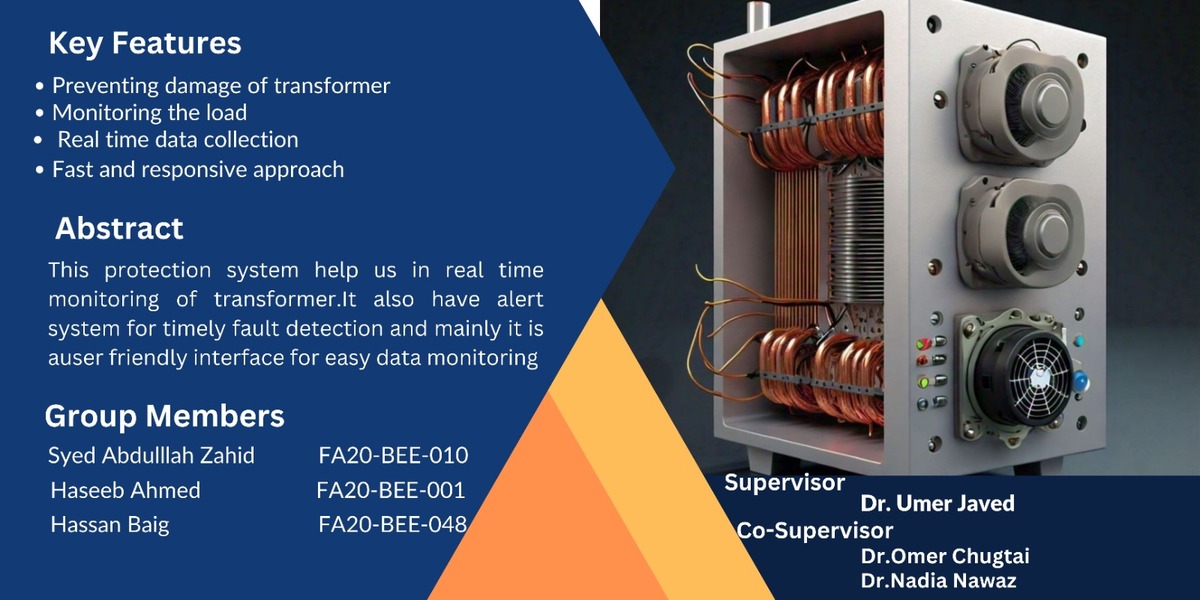
Transformer Protection And Control System
The main purpose of this project is the protection of transformer, and to improve the working of transformer.…
Supervisor: Dr. Umer Javed , Dr. Nadia Nawaz ,Dr. Omer Chugtai
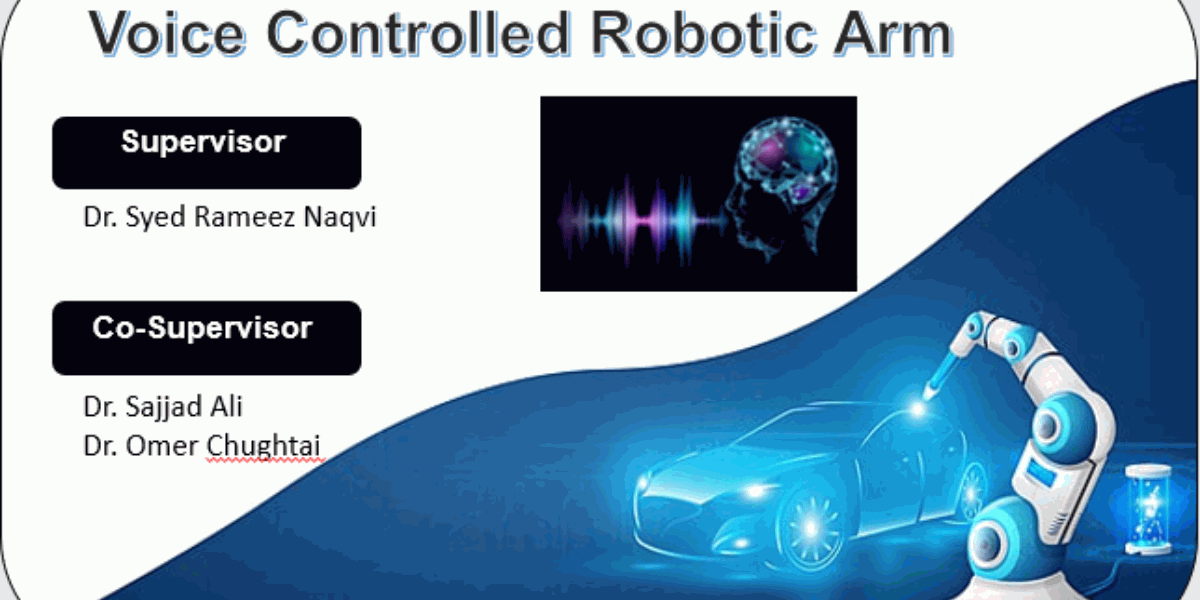
Voice Controlled Robotic Arm
1. A robotic arm is an electrical and mechanical machine that is used to perform tasks that require extreme pr…
Supervisor: Dr. Syed Rameez Naqvi

RENEWABLE ENERGY BASED WATER PURIFICATION SYSTEM
The integration of an ultrasonic sensor into reverse osmosis (RO) systems marks a significant advancement in w…
Supervisor: Bilawal Behram

Automatic Indoor Farming Module
Introducing our Automatic Indoor Farming Module! Powered by an ESP32 microcontroller, it's a smart solution fo…
Supervisor: Engr. Riaz Hussain Junejo