Design and Implementation of Modern Innovative Trashcan System
Description
An innovative trashcan system incorporates advanced technologies like smart sensors, IoT connectivity, and compaction mechanisms to optimize waste management. It includes features such as touchless operation, interactive displays. Sustainability is key. Data analytics enable predictive maintenance, while security measures and remote diagnostics ensure reliability. The system aims to enhance efficiency, promote recycling, and improve overall cleanliness in urban environments
Objectives
The objective of this project is to design and implement a modern, innovative trashcan system that integrates advanced technologies to enhance waste management efficiency, promote recycling, and improve overall cleanliness in urban environments. The system aims to leverage smart sensors, IoT connectivity, and user-friendly features to optimize waste collection, reduce operational costs, and encourage sustainable waste disposal practices.
Socio-economic benefit
Implementing a modern trashcan system offers socio-economic benefits such as improved urban aesthetics, cost savings through efficient waste management, environmental conservation by promoting recycling, better public health and hygiene, job creation through technological innovation, increased community engagement, and informed decision-making based on data-driven insights. These benefits contribute to economic prosperity, environmental sustainability, and overall community well-being.
Methodologies
1. Deployment and Scaling: Plan phased deployment and scale up based on successful pilot outcomes and demand. 2. Monitoring and Evaluation: Implement monitoring tools to track performance and make data-driven adjustments. 3. Training and Education: Provide training and educational campaigns to promote proper use and community involvement 4. Research and Analysis: Understand waste management practices and user needs through comprehensive research and data analysi
Outcome
1. Cost savings for municipalities and waste management companies. 2. Positive environmental impact through resource conservation and reduced emissions. 3. Cleaner and more attractive public spaces, benefiting tourism and local businesses. 4. Data-driven decision-making for urban planning and resource allocation. 5. Community engagement and pride in maintaining clean environment. 6. Improved waste management efficiency and reduced operational costs.
Gallery


More from Electrical & Computer Engineering
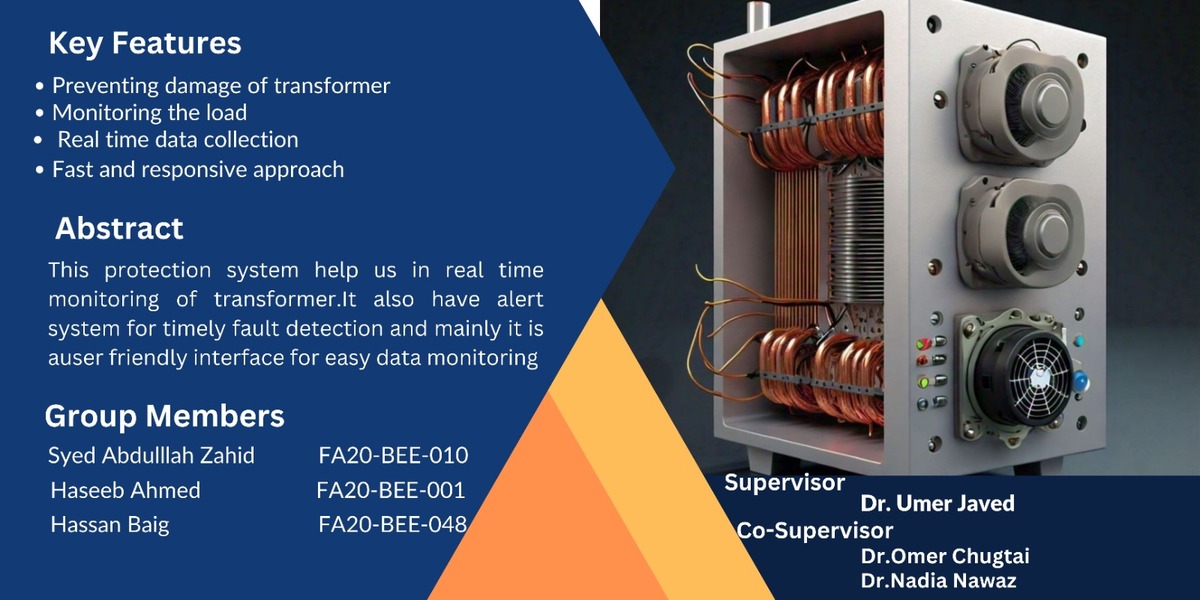
Transformer Protection And Control System
The main purpose of this project is the protection of transformer, and to improve the working of transformer.…
Supervisor: Dr. Umer Javed , Dr. Nadia Nawaz ,Dr. Omer Chugtai
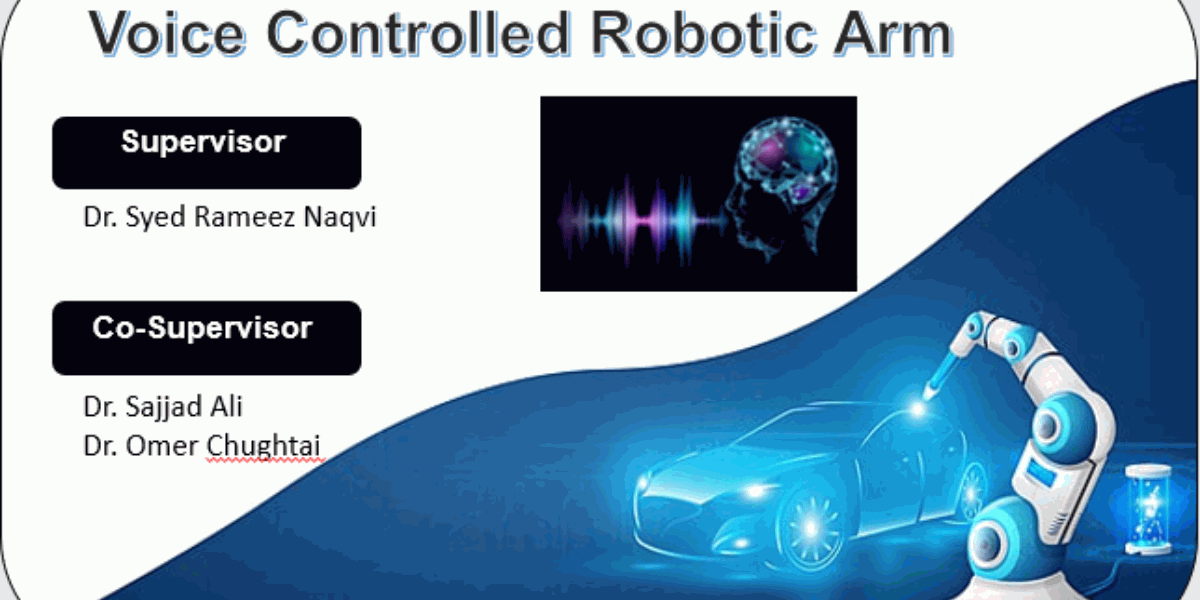
Voice Controlled Robotic Arm
1. A robotic arm is an electrical and mechanical machine that is used to perform tasks that require extreme pr…
Supervisor: Dr. Syed Rameez Naqvi

RENEWABLE ENERGY BASED WATER PURIFICATION SYSTEM
The integration of an ultrasonic sensor into reverse osmosis (RO) systems marks a significant advancement in w…
Supervisor: Bilawal Behram

Automatic Indoor Farming Module
Introducing our Automatic Indoor Farming Module! Powered by an ESP32 microcontroller, it's a smart solution fo…
Supervisor: Engr. Riaz Hussain Junejo