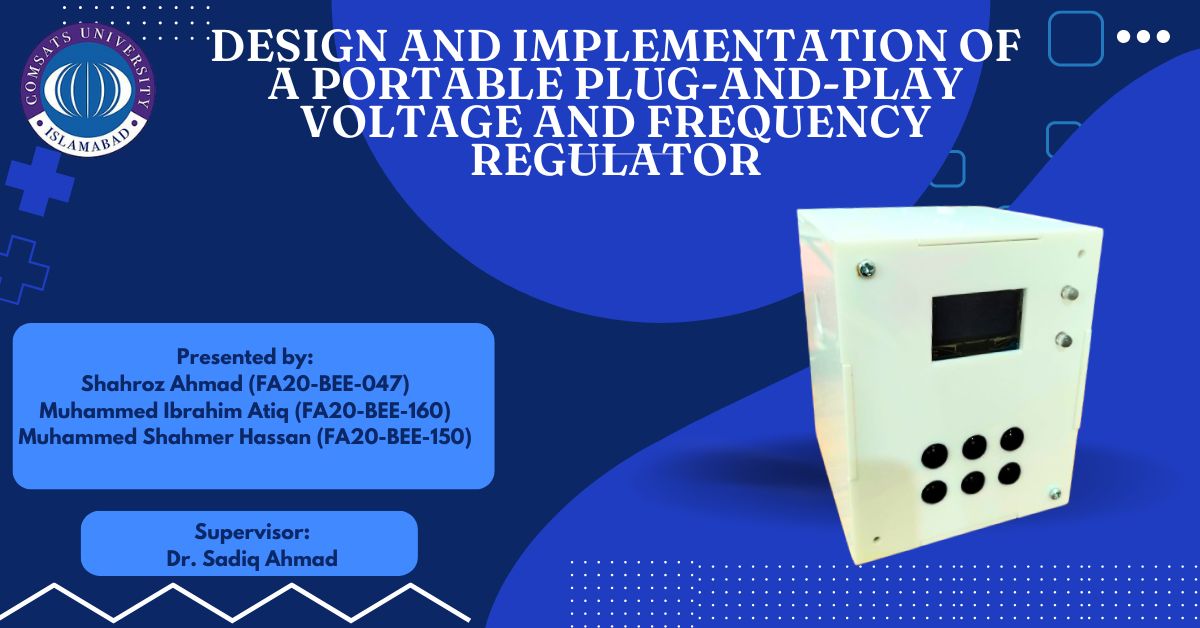
Design and Implementation of a Portable Plug-and-Play Voltage and Frequency Regulator
Description
1. Neutral Point to Zero Solution: Achieving equilibrium in the neutral point, ensuring a balanced distribution of currents, thus enhancing safety and efficiency in the power system. 2. Voltage Regulation: Implementing mechanisms to maintain stable voltage levels, optimizing power transmission and utilization, and safeguarding electrical devices from voltage fluctuations.3. Current Stabilization: Employing techniques to control and stabilize current flow, preventing overloads, minimizing losses, and enhancing the reliability of the power system.4. Frequency Regulation: Implementing measures to maintain a consistent frequency in the power system, ensuring compatibility with connected devices and grid stability, thereby optimizing performance and reliability.
Objectives
Design a robust voltage regulation system for stable output. Implement current stabilization for consistent output under varying loads. Develop a control system to maintain the neutral point near 0V.
Socio-economic benefit
Neutral Point to Zero Solution: Safety Improvement: Equilibrium in the neutral point reduces electrical accidents. For instance, in residential areas, balanced distribution of currents reduces the risk of electric shocks and fires, enhancing safety for homeowners and their families. Efficiency Enhancement: Balanced currents minimize energy losses. In industrial settings, achieving equilibrium in the neutral point ensures efficient power distribution, reducing operational costs and promoting economic growth. Voltage Regulation: Reliability: Stable voltage levels ensure consistent performance of devices. In healthcare facilities, regulated voltage levels support the reliable operation of medical equipment, ensuring uninterrupted patient care and saving lives. Economic Savings: Optimized power transmission leads to cost savings. In the education sector, stable voltage levels prolong the lifespan of computers and other electronic devices, reducing maintenance costs for schools and universities. Current Stabilization: Preventing Overloads: Stabilized current flow minimizes the risk of power outages. In commercial buildings, controlled current flow prevents overloads, ensuring uninterrupted operation of businesses and maintaining productivity. Environmental Impact: Reduced losses in the power system lower emissions. In urban areas, stabilized current flow reduces energy waste, contributing to lower carbon emissions and improved air quality for residents. Frequency Regulation: Grid Stability: Consistent frequency enhances grid stability. In densely populated areas, maintaining a stable frequency ensures reliable electricity supply for critical infrastructure such as transportation systems, preventing disruptions and ensuring public safety. Compatibility: Consistent frequency supports compatibility with devices. In research institutions, maintaining a consistent frequency is essential for the reliable operation of sensitive equipment, facilitating scientific discoveries and technological advancements. By addressing these aspects, the electrical power system can deliver social benefits such as enhanced safety, reduced costs, improved reliability, environmental sustainability, and technological advancement, benefiting communities and society as a whole.
Methodologies
1.Research and Analysis 2.Solution Design 3.Implementation and Testing 4.Integration and Optimization
Outcome
1. Neutral Point to Zero Solution: • Development of innovative technologies for achieving equilibrium in the neutral point, leading to safer and more efficient power distribution networks. • Implementation of pilot projects in residential and industrial areas to demonstrate the effectiveness of neutral point to zero solutions in reducing accidents and energy losses. • Increased awareness and adoption of safety measures among electrical workers and the general public, resulting in a significant decrease in electrical accidents and fatalities. 2. Voltage Regulation: • Design and deployment of advanced voltage regulation systems to ensure stable voltage levels across diverse applications and environments. • Collaboration with healthcare facilities, educational institutions, and commercial sectors to integrate voltage regulation technologies, improving device reliability and reducing maintenance costs. • Conducting public awareness campaigns to educate consumers about the importance of voltage regulation in extending the lifespan of appliances and reducing energy consumption, leading to long-term economic savings and environmental benefits. 3. Current Stabilization: • Research and development of novel techniques for controlling and stabilizing current flow, preventing overloads and enhancing the resilience of power systems. • Implementation of current stabilization solutions in critical infrastructure such as hospitals, data centers, and transportation networks to ensure uninterrupted operation and public safety. • Partnerships with governmental agencies and regulatory bodies to establish standards and regulations for current stabilization, fostering widespread adoption and compliance across various industries and regions. 4. Frequency Regulation: • Deployment of frequency regulation technologies and algorithms to maintain grid stability and compatibility with connected devices and renewable energy sources. • Integration of frequency regulation solutions into smart grid systems, enabling dynamic adjustment of power generation and consumption to match demand and optimize efficiency. • Collaboration with research institutions and industry partners to develop next-generation frequency regulation technologies, supporting the transition towards a more resilient and sustainable energy infrastructure. Overall, the project outcomes aim to enhance the reliability, efficiency, and safety of the electrical power system, contributing to social benefits such as improved public health, economic savings, environmental sustainability, and technological advancement.
Gallery



More from Electrical & Computer Engineering
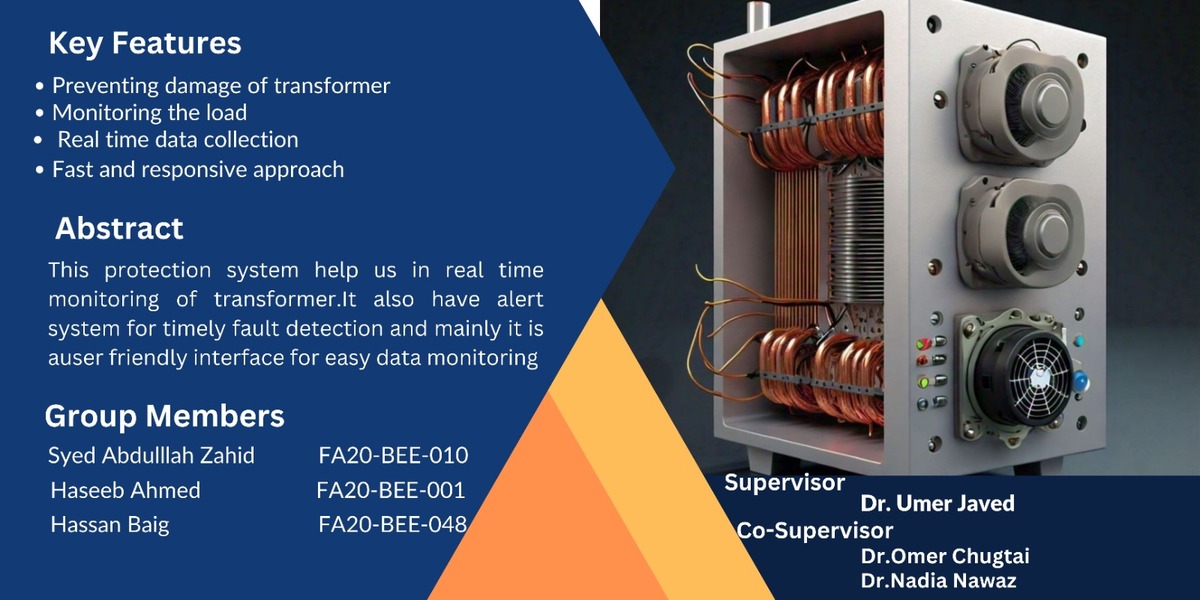
Transformer Protection And Control System
The main purpose of this project is the protection of transformer, and to improve the working of transformer.…
Supervisor: Dr. Umer Javed , Dr. Nadia Nawaz ,Dr. Omer Chugtai
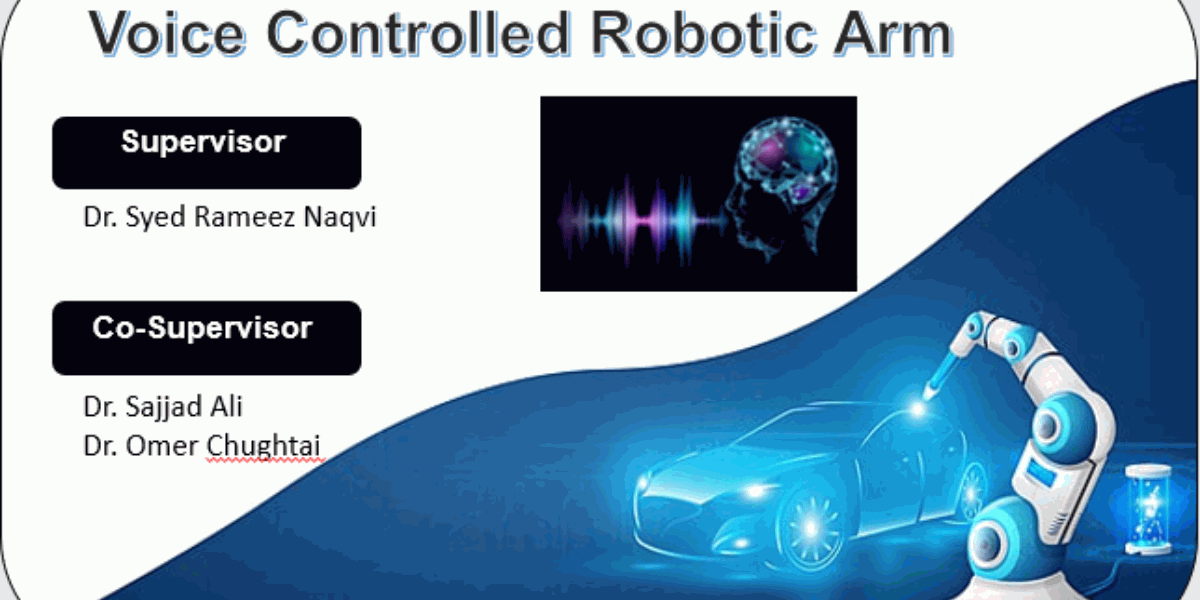
Voice Controlled Robotic Arm
1. A robotic arm is an electrical and mechanical machine that is used to perform tasks that require extreme pr…
Supervisor: Dr. Syed Rameez Naqvi

RENEWABLE ENERGY BASED WATER PURIFICATION SYSTEM
The integration of an ultrasonic sensor into reverse osmosis (RO) systems marks a significant advancement in w…
Supervisor: Bilawal Behram

Automatic Indoor Farming Module
Introducing our Automatic Indoor Farming Module! Powered by an ESP32 microcontroller, it's a smart solution fo…
Supervisor: Engr. Riaz Hussain Junejo