Voltage Source Inverter using AI
Description
A renewable energy project aims to harness natural resources like sunlight, wind, water, or biomass to generate clean and sustainable energy. By replacing fossil fuels, these projects reduce carbon emissions, enhance energy security, and stimulate economic growth through job creation and technological innovation.
Objectives
1.Increased Renewable Energy Generation: One of the primary outcomes of a renewable energy project is the generation of clean and sustainable energy. This energy can be utilized to meet local, regional, or national electricity demand, reducing reliance on fossil fuels and mitigating greenhouse gas emissions. 2Carbon Emission Reduction: By displacing fossil fuel-based electricity generation, renewable energy projects contribute to reducing carbon emissions and combating climate change. This outcome helps to improve air quality, mitigate environmental degradation, and enhance public health. 3Energy Security and Resilience: Renewable energy projects enhance energy security by diversifying the energy mix and reducing vulnerability to supply disruptions and price volatility associated with fossil fuels. This outcome strengthens energy independence and resilience to external shocks. 4Economic Development: Renewable energy projects stimulate economic growth and create job opportunities across various sectors, including manufacturing, construction, installation, maintenance, and services. This outcome contributes to local employment, income generation, and economic diversification. 5Technological Innovation: Investment in renewable energy projects fosters technological innovation and research and development activities, driving advancements in renewable energy technologies, energy storage solutions, grid integration systems, and energy management practices. This outcome enhances competitiveness and drives economic growth.
Socio-economic benefit
1.Job Creation: Renewable energy projects create numerous job opportunities across various sectors, including manufacturing, installation, maintenance, and research. This contributes to reducing unemployment rates and stimulating economic growth. 2.Local Economic Development: Investing in renewable energy projects often entails sourcing materials locally and hiring local labor. This stimulates local economies, fosters entrepreneurship, and strengthens community resilience. 3.Energy Security: By diversifying the energy mix and reducing reliance on imported fossil fuels, renewable energy projects enhance energy security. This reduces vulnerability to supply disruptions and price fluctuations in global energy markets. 4.Reduced Environmental Externalities: The adoption of renewable energy technologies reduces air and water pollution, mitigates greenhouse gas emissions, and minimizes environmental degradation. This leads to improved public health outcomes and reduced healthcare costs. 5.Cost Savings: Over the long term, renewable energy projects can lead to cost savings for consumers and businesses. With declining costs of renewable technologies and stable fuel costs (e.g., sunlight and wind), renewable energy often becomes more competitive and cost-effective compared to traditional fossil fuels.
Methodologies
1.Resource Assessment: Conduct comprehensive assessments of renewable energy resources such as solar, wind, hydro, biomass, and geothermal to determine the energy potential of a particular location. This involves collecting data on resource availability, variability, and characteristics using remote sensing technologies, weather data, and on-site measurements. 2.Feasibility Studies: Perform feasibility studies to evaluate the technical, economic, and environmental viability of renewable energy projects. This includes analyzing site conditions, resource availability, technology options, regulatory requirements, financial projections, and risk factors to assess the project's feasibility and identify potential barriers. 3.Site Selection and Planning: Identify suitable sites for renewable energy projects based on resource availability, land use considerations, environmental impact assessments, and stakeholder engagement. Develop site-specific plans and designs that optimize energy generation, minimize environmental impacts, and comply with regulatory requirements. 4.Technology Selection and Design: Select appropriate renewable energy technologies and design systems that meet project objectives, resource constraints, and performance requirements. This involves evaluating technology options, sizing components, optimizing system configurations, and ensuring compatibility with site conditions and grid integration requirements. 5Engineering and Construction: Execute engineering, procurement, and construction (EPC) activities to implement renewable energy projects according to approved designs and specifications. Coordinate the procurement of equipment, materials, and services, manage construction activities, ensure compliance with safety and quality standards, and oversee project timelines and budgets.
Outcome
1.Increased Renewable Energy Generation: One of the primary outcomes of a renewable energy project is the generation of clean and sustainable energy. This energy can be utilized to meet local, regional, or national electricity demand, reducing reliance on fossil fuels and mitigating greenhouse gas emissions. 2.Carbon Emission Reduction: By displacing fossil fuel-based electricity generation, renewable energy projects contribute to reducing carbon emissions and combating climate change. This outcome helps to improve air quality, mitigate environmental degradation, and enhance public health. 3.Energy Security and Resilience: Renewable energy projects enhance energy security by diversifying the energy mix and reducing vulnerability to supply disruptions and price volatility associated with fossil fuels. This outcome strengthens energy independence and resilience to external shocks. 4.Economic Development: Renewable energy projects stimulate economic growth and create job opportunities across various sectors, including manufacturing, construction, installation, maintenance, and services. This outcome contributes to local employment, income generation, and economic diversification. 5.Technological Innovation: Investment in renewable energy projects fosters technological innovation and research and development activities, driving advancements in renewable energy technologies, energy storage solutions, grid integration systems, and energy management practices. This outcome enhances competitiveness and drives economic growth.
Gallery

More from Electrical & Computer Engineering
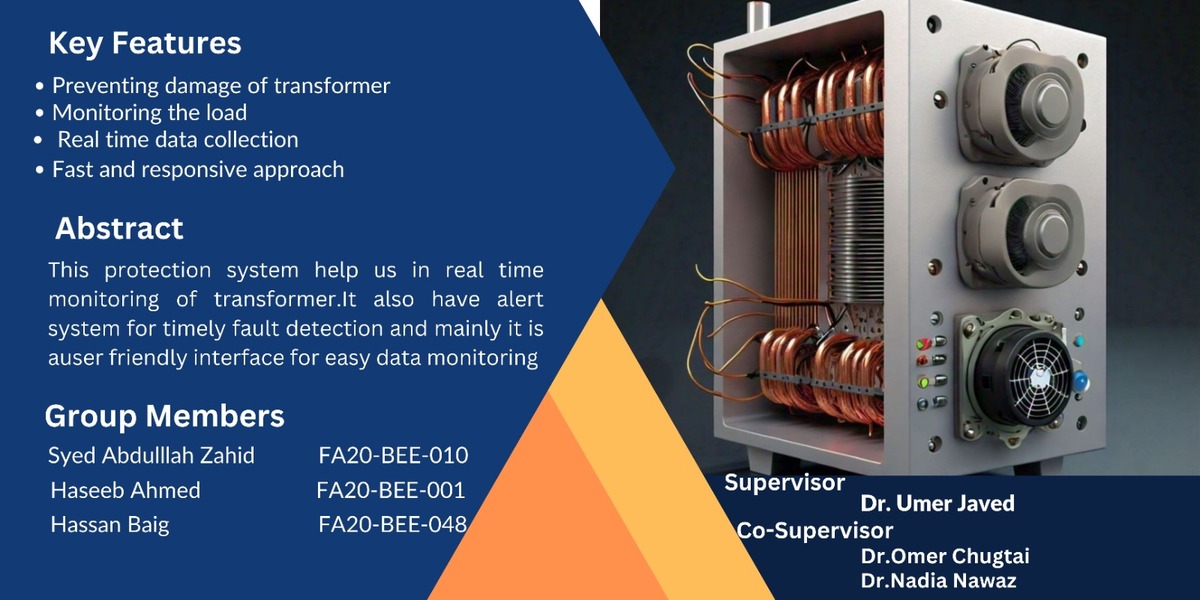
Transformer Protection And Control System
The main purpose of this project is the protection of transformer, and to improve the working of transformer.…
Supervisor: Dr. Umer Javed , Dr. Nadia Nawaz ,Dr. Omer Chugtai
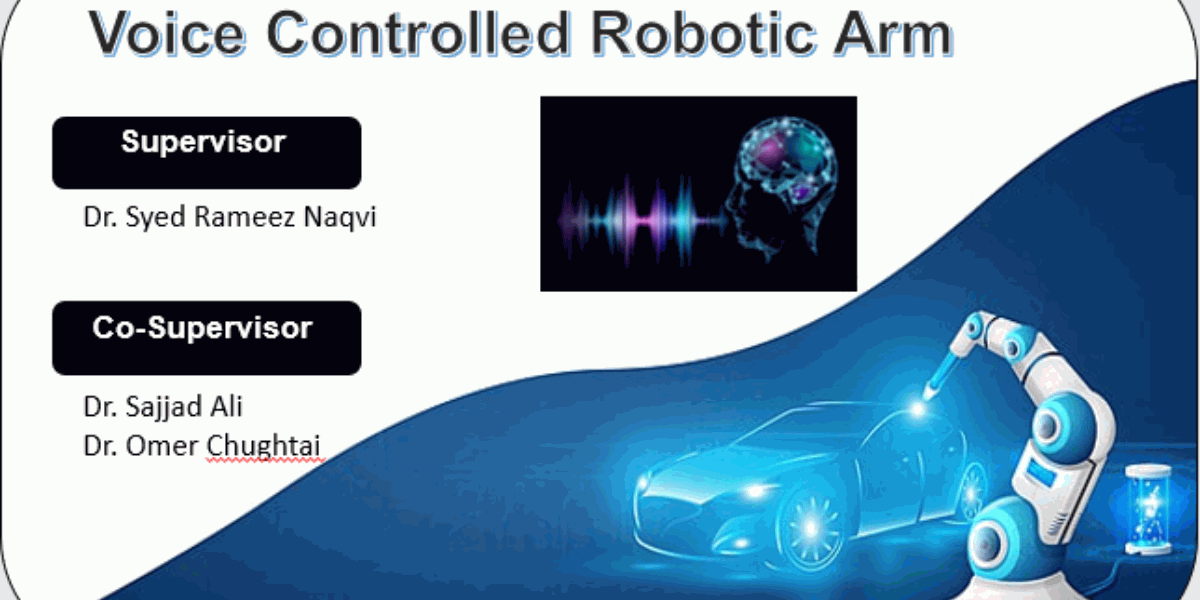
Voice Controlled Robotic Arm
1. A robotic arm is an electrical and mechanical machine that is used to perform tasks that require extreme pr…
Supervisor: Dr. Syed Rameez Naqvi

RENEWABLE ENERGY BASED WATER PURIFICATION SYSTEM
The integration of an ultrasonic sensor into reverse osmosis (RO) systems marks a significant advancement in w…
Supervisor: Bilawal Behram

Automatic Indoor Farming Module
Introducing our Automatic Indoor Farming Module! Powered by an ESP32 microcontroller, it's a smart solution fo…
Supervisor: Engr. Riaz Hussain Junejo