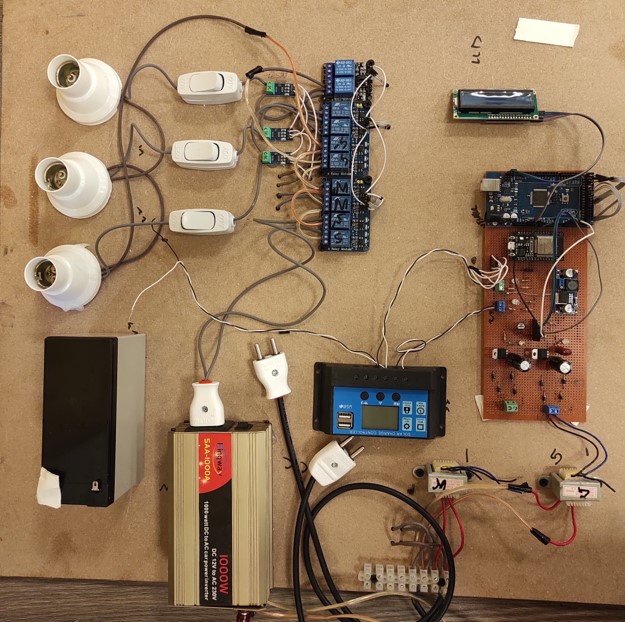
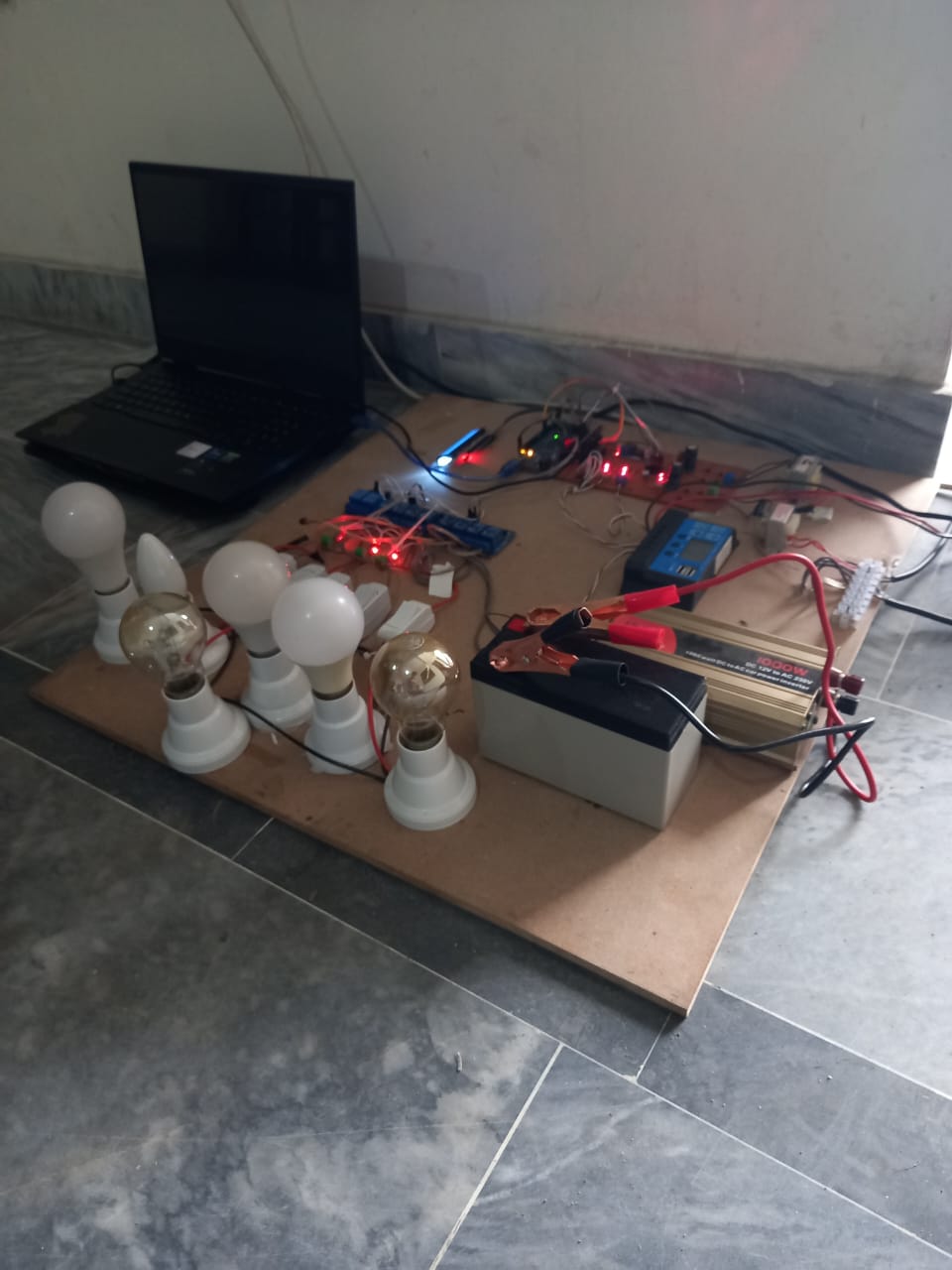
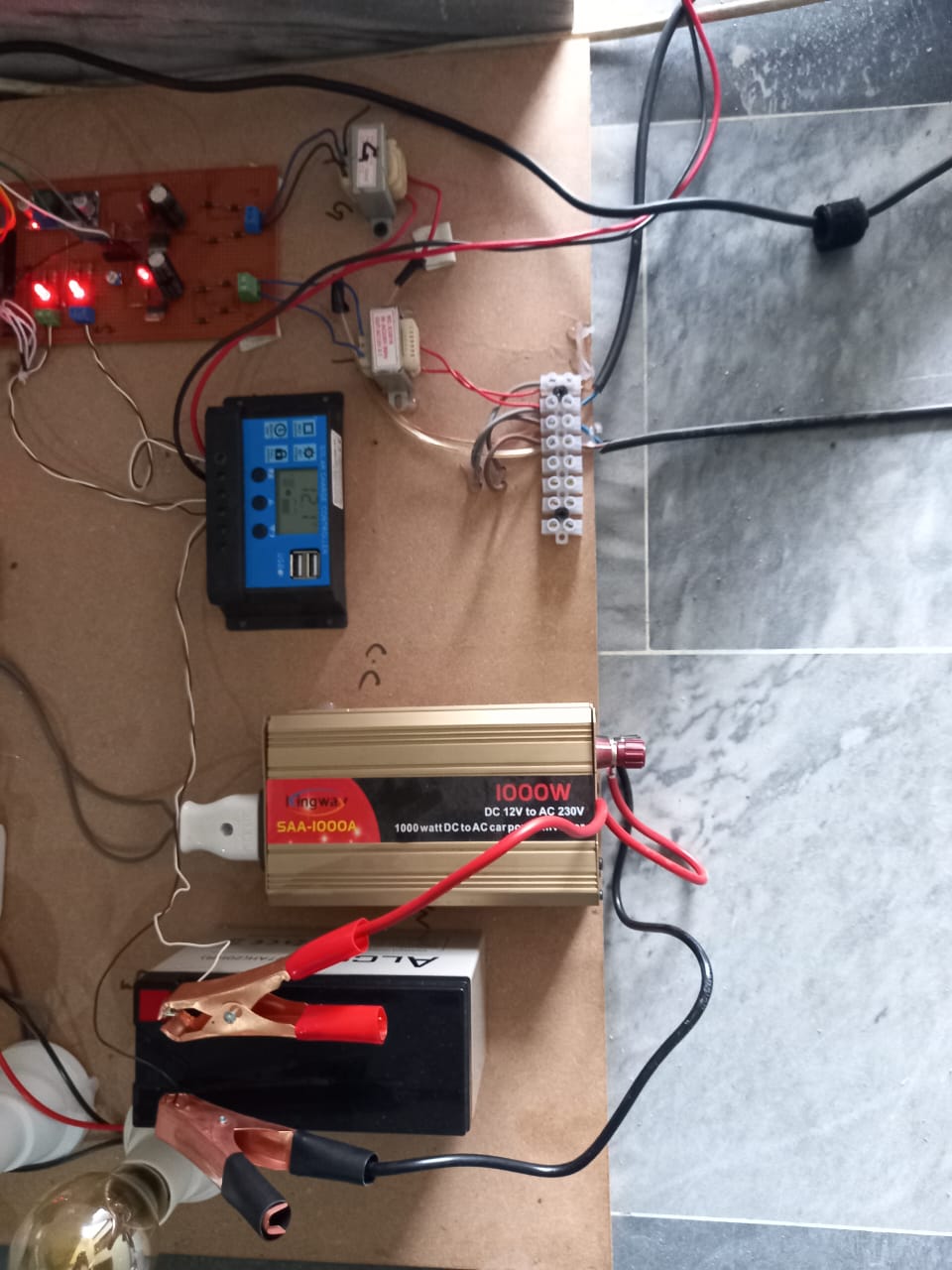
The "IoT Enabled Smart Microgrid System for Sustainable and Efficient Energy Distribution" represents a groundbreaking effort in the realm of sustainable energy management. At its core, this project connects the power of Internet of Things (IoT) technology to revolutionize energy distribution, offering a dynamic and intelligent solution for optimizing resource utilization and system protection (at the loads end) via using concept of islanding effect.The primary objective of this innovative system is to facilitate smart switching between multiple input sources, ensuring uninterrupted energy supply while making sure to maximizing efficiency and sustainability.
Objectives
Smart Switching and Optimization: Develop a system capable of intelligent switching between multiple energy input sources (Generator, Wapda, Solar, Battery) to ensure uninterrupted energy supply while maximizing efficiency and sustainability.
• System Protection and Islanding Effect: Implement measures to protect the system and loads from faults, utilizing the concept of islanding effect to isolate affected areas and prevent cascading failures, thereby maintaining overall system functionality and reliability.
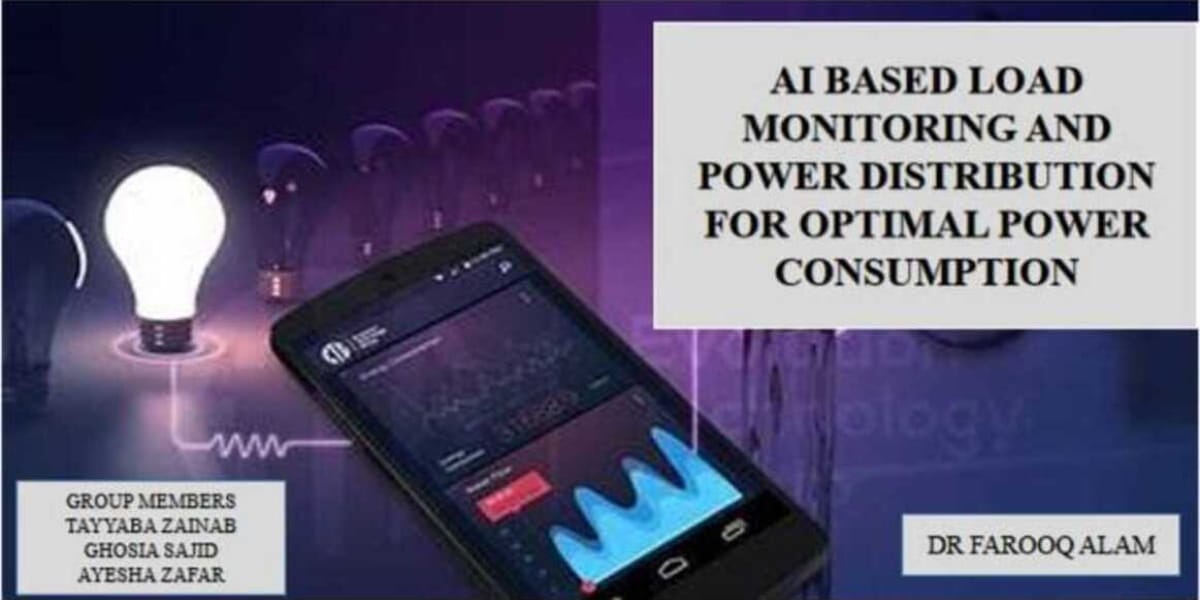
• Comprehensive Monitoring and Analysis: Designing and deploying a mobile application for real-time monitoring of energy consumption metrics and fault detection alerts, providing users with actionable insights into system performance and reliability for informed decision-making.
• Efficient Resource Utilization: Employ relay based switching mechanisms to efficiently route power to designated factories, optimizing energy distribution tailored to specific requirements and load types in industrial settings, thereby enhancing operational efficiency and productivity.
• Fault Detection and Resolution: Utilize current sensors to detect anomalies in loads, enabling seamless intervention and resolution to ensure smooth operation of the system and mitigate potential disruptions in energy supply, contributing to improved system reliability and uptime.
Socio-Economic Benefit
The implementation of the "IoT Enabled Smart Microgrid System for Sustainable and Efficient Energy Distribution" offers several socio-economic benefits:
Cost Savings: By optimizing energy distribution and minimizing downtime due to faults, the system helps reduce operational costs for industrial facilities, leading to improved profitability and competitiveness.
Environmental Sustainability: The integration of renewable energy sources such as solar power contributes to a reduction in greenhouse gas emissions, supporting environmental conservation efforts and promoting a greener future.
Enhanced Reliability: With its intelligent switching capability and fault detection mechanisms, the system enhances energy reliability, ensuring uninterrupted power supply for critical industrial processes, thereby minimizing production losses and enhancing overall productivity.
Infrastructure Development: The adoption of innovative technologies for sustainable energy distribution drives infrastructure development, attracting investment and facilitating economic growth in regions embracing renewable energy initiatives.
Methodologies
The project employs a multi-faceted approach, combining hardware and software components to achieve its objectives:
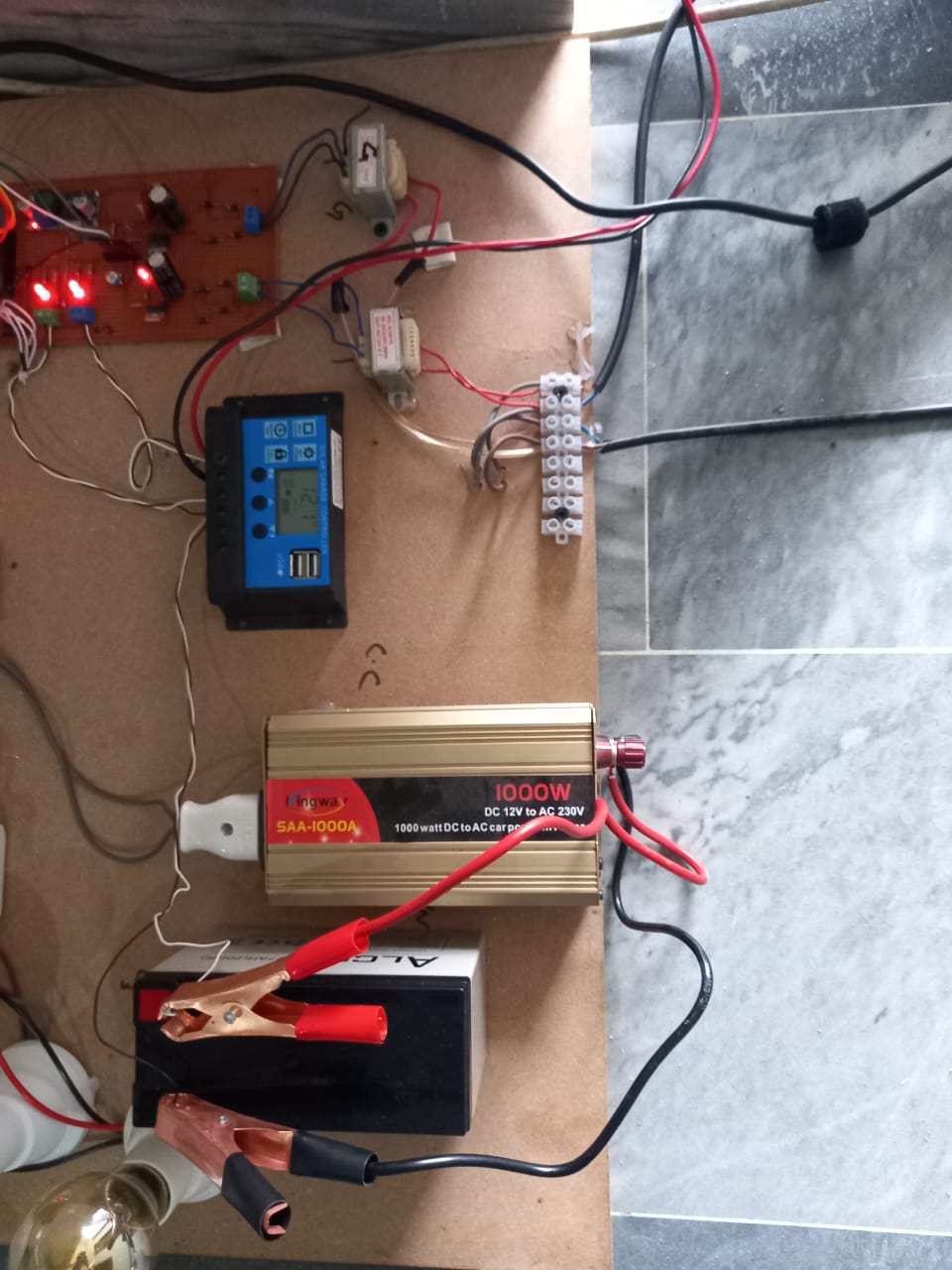
Hardware Development: Utilize state-of-the-art components such as Arduino Mega microcontroller, ESP32 WIFI modules, relay modules, and current sensors to build a robust and reliable energy management system capable of seamless switching and fault detection.
APP Development: Developing a dedicated mobile application for real-time monitoring and analysis of energy consumption metrics and fault detection alerts, enabling users to access critical information and make informed decisions remotely.
System Integration: Integrate hardware and software components to create a cohesive and interoperable system capable of optimizing energy distribution, protecting against faults, and ensuring uninterrupted power supply to industrial loads.
Testing and Validation: Conduct rigorous testing and validation procedures to verify the functionality, reliability, and performance of the system under various operating conditions, ensuring compliance with industry standards and user requirements.
Deployment and Implementation: Deploy the finalized system in industrial settings, providing comprehensive training and support to end-users for seamless integration into existing infrastructure and operations.
Outcome
Enhanced Energy Efficiency: The implementation of the smart microgrid system leads to improved energy efficiency and sustainability, optimizing resource utilization and reducing environmental impact. Smart Switching: Powered by advanced control mechanisms and cutting-edge components, such as Arduino Mega and ESP32 WIFI modules, our system optimizes energy distribution for efficiency and sustainability. This intelligent switching not only enhances performance but also promotes cost savings and environmental responsibility by prioritizing renewable energy sources. Improved System Reliability: The integration of fault detection mechanisms and intelligent switching capabilities enhances system reliability, ensuring uninterrupted power supply and minimizing downtime for industrial processes.
Cost Reduction: By minimizing energy wastage and optimizing resource allocation, the system helps reduce operational costs for industrial facilities, leading to improved profitability and competitiveness in the market. Empowerment Through Data: The mobile application provides users with real-time insights into energy consumption metrics and fault detection alerts, empowering them to make informed decisions and take proactive measures to optimize system performance.