Smart solar - wave energy integration for sustainable power
Description
"Smart Solar - Wave Energy Integration for Sustainable Power" proposes a pioneering approach to energy generation by synergizing solar and wave energy technologies. Through advanced monitoring and control systems, it maximizes energy output by intelligently harnessing the complementary characteristics of both sources. This integration not only enhances energy reliability but also reduces dependency on fossil fuels, mitigating climate change impacts. By fostering innovation in renewable energy, the project contributes to a more sustainable and eco-friendly future while addressing the global energy demand with efficiency and environmental consciousness.
Objectives
The objectives of the project "Smart Solar - Wave Energy Integration for Sustainable Power" are multifaceted, aiming to harness the synergies between solar and wave energy to create a robust and sustainable power generation system. Here's an elaboration: 1. Optimizing Energy Production: The primary objective is to maximize energy output by efficiently integrating solar and wave energy technologies. This involves developing innovative systems that can harness the available energy from both sources and combine it seamlessly to generate electricity. By optimizing energy production, the project aims to enhance the overall efficiency and effectiveness of renewable energy systems. 2. Enhancing Grid Stability: Another key objective is to enhance grid stability through the integration of diverse renewable energy sources. Solar and wave energy are inherently intermittent, but by combining them intelligently, fluctuations in energy production can be minimized. This helps in stabilizing the grid and ensuring a reliable power supply, reducing the need for backup power from conventional sources. 3. Mitigating Environmental Impacts: The project seeks to mitigate environmental impacts associated with conventional energy sources by promoting the use of renewable energy. Solar and wave energy are clean and abundant sources of power that produce minimal greenhouse gas emissions and have negligible environmental footprints compared to fossil fuels. By integrating these renewable sources, the project aims to reduce carbon emissions and mitigate climate change impacts. 4. Developing Smart Monitoring and Control Systems: To achieve optimal integration of solar and wave energy, the project focuses on developing advanced monitoring and control systems. These systems will utilize data analytics, machine learning, and artificial intelligence techniques to optimize energy generation in real-time. By continuously monitoring environmental conditions and energy production, the project aims to enhance system efficiency and reliability. 5. Promoting Technological Innovation: The project aims to foster technological innovation in the field of renewable energy by exploring novel approaches to energy generation and integration. This involves conducting research and development activities to improve the performance and cost-effectiveness of solar and wave energy technologies. By pushing the boundaries of innovation, the project seeks to accelerate the transition towards a sustainable energy future. 6. Demonstrating Feasibility and Viability: A crucial objective of the project is to demonstrate the feasibility and viability of integrating solar and wave energy for power generation. This involves conducting pilot studies and demonstration projects to showcase the effectiveness of the integrated system in real-world settings. By providing empirical evidence of its performance and benefits, the project aims to attract investment and facilitate the widespread
Socio-economic benefit
The integration of smart solar and wave energy systems for sustainable power generation offers a multitude of socio-economic benefits, ranging from environmental conservation to economic empowerment. Here's an overview of the key benefits: 1. Environmental Conservation: By harnessing solar and wave energy, your project contributes to reducing reliance on fossil fuels, thus mitigating greenhouse gas emissions and combating climate change. This translates into cleaner air, improved public health, and the preservation of ecosystems and biodiversity. 2. Energy Independence and Security: Integrating diverse renewable energy sources like solar and wave power reduces dependence on finite and geopolitically sensitive fossil fuels. This fosters energy security, insulating communities from volatile fuel prices and geopolitical conflicts while promoting energy independence at local, regional, and national levels. 3. Job Creation and Economic Growth: The deployment and maintenance of smart solar and wave energy systems create job opportunities across various sectors, including manufacturing, installation, maintenance, and research and development. This stimulates economic growth, enhances local employment, and supports the development of a skilled workforce. 4. Rural Development and Empowerment: Rural communities often have abundant solar and wave energy resources but lack access to reliable electricity grids. Your project can empower these communities by providing access to clean and affordable energy, unlocking economic opportunities, improving living standards, and reducing poverty. 5. Technological Innovation and Industry Growth: Advancing the integration of smart solar and wave energy technologies drives innovation in renewable energy systems, energy storage, grid integration, and control systems. This fosters the growth of a vibrant clean energy industry, stimulating investment, research, and development. 6. Resilience to Climate Change and Natural Disasters: Smart solar-wave energy integration enhances the resilience of energy systems to climate change impacts and natural disasters. Distributed renewable energy generation, coupled with smart grid technologies, improves the reliability and resilience of electricity supply, particularly in areas prone to extreme weather events. 7. Education and Awareness: Your project can raise awareness about the benefits of renewable energy and sustainable practices, fostering a culture of environmental stewardship and energy conservation. Educational initiatives, public outreach campaigns, and community engagement programs can empower individuals and communities to embrace clean energy solutions and adopt sustainable lifestyles. 8. Cost Savings and Affordability: Over time, the integration of smart solar and wave energy systems can lead to cost savings for consumers, businesses, and governments. As renewable energy technologies become more efficient and affordable.
Methodologies
The methodology of our project, "Smart solar-wave energy integration for sustainable power," involves a systematic approach to combining various components and technologies to efficiently harness renewable energy from both solar and wave sources. Here's a brief explanation of the methodology based on the provided data: 1. Floater and Air Pump Integration: The project starts with a floater on the water's surface, moving with the waves, and an air pump harnessing this motion to compress air into a storage tank. 2. Air Storage and Control Valve Implementation: Captured air undergoes compression in the storage tank, and a control valve regulates the flow, enabling precise control over system activation. 3. Pneumatic Turbine and DC Generator Conversion: Pressurized air drives a pneumatic turbine linked to a DC generator, converting mechanical energy into electrical power for sustainable energy production. 4. Voltage Regulation and Monitoring: Voltage from the generator is regulated using a buck converter, and an ESP 32 microcontroller oversees operations, gathering insights from voltage metrics via a Voltage Divider Road (VDR) and other components. 5. LCD Interface for Transparency: An LCD module displays voltage metrics from both solar and wave energy systems, ensuring transparency and clarity in energy generation and consumption. 6. Smart Solar Tracking System: A single-axis smart solar tracking system, driven by Light Dependent Resistor (LDR) sensors and controlled by the ESP 32 microcontroller, optimizes solar panel orientation for maximum sunlight exposure. 7. MPPT Charge Controller Optimization: The MPPT charge controller optimizes power management by discerning optimal moments for battery charging and distribution, utilizing inputs from both wave and solar energy systems for efficient energy utilization. Through the seamless integration of these components and technologies, our project aims to orchestrate a symphony of innovation and sustainability, pioneering a path towards a greener future by maximizing the generation and utilization of renewable energy from solar and wave sources.
Outcome
The outcomes of our project, "Smart solar-wave energy integration for sustainable power," encompass several key achievements and benefits: 1. Increased Renewable Energy Generation: Integration of solar and wave energy sources boosts renewable energy production, reducing reliance on fossil fuels. 2. Enhanced Energy Security and Resilience: Diversification of energy sources strengthens resilience against supply disruptions and climate-related challenges. 3. Cost Savings and Economic Benefits: Adoption of smart solar-wave systems leads to long-term cost reductions and economic stability. 4. Job Creation and Local Economic Development: Deployment of infrastructure generates employment and stimulates local economies. 5. Technological Innovation and Knowledge Transfer: Research activities drive innovation and build expertise in renewable energy technologies. 6. Community Empowerment and Engagement: Access to sustainable power improves livelihoods and fosters social inclusion. 7. Environmental Conservation and Climate Mitigation: Reduction of greenhouse gas emissions and preservation of ecosystems mitigate climate change impacts.
Gallery


More from Electrical & Computer Engineering
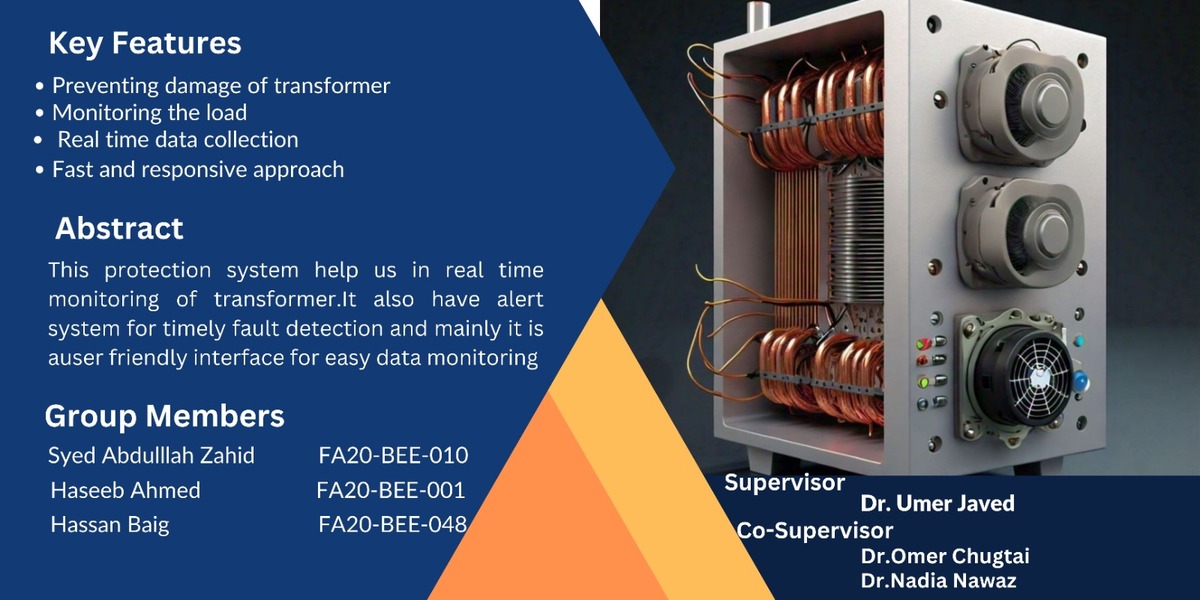
Transformer Protection And Control System
The main purpose of this project is the protection of transformer, and to improve the working of transformer.…
Supervisor: Dr. Umer Javed , Dr. Nadia Nawaz ,Dr. Omer Chugtai
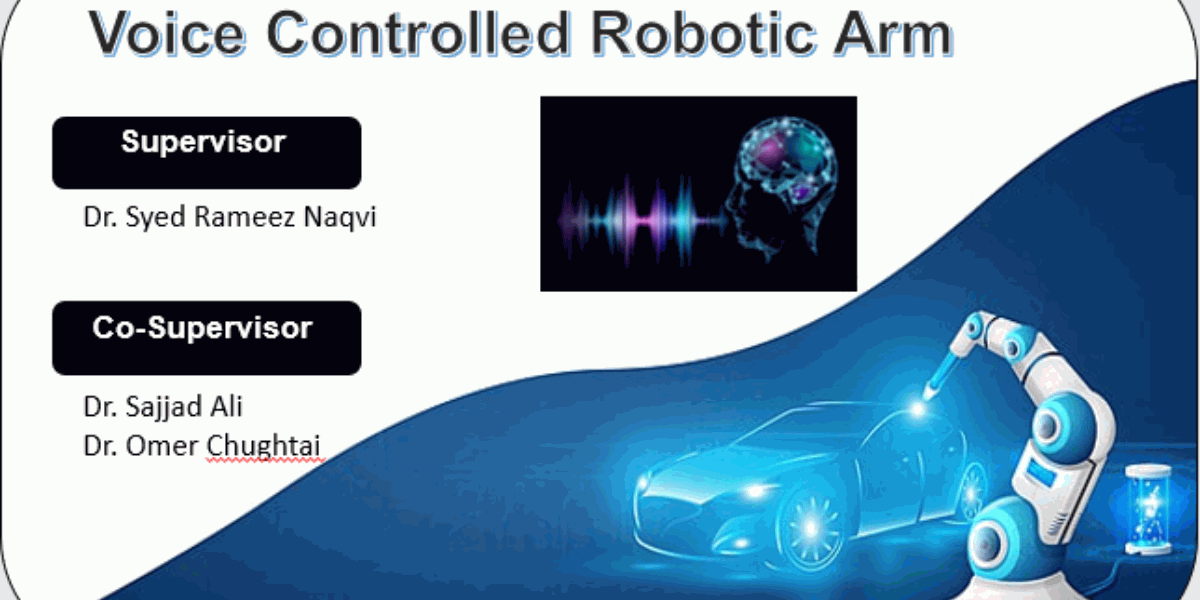
Voice Controlled Robotic Arm
1. A robotic arm is an electrical and mechanical machine that is used to perform tasks that require extreme pr…
Supervisor: Dr. Syed Rameez Naqvi

RENEWABLE ENERGY BASED WATER PURIFICATION SYSTEM
The integration of an ultrasonic sensor into reverse osmosis (RO) systems marks a significant advancement in w…
Supervisor: Bilawal Behram

Automatic Indoor Farming Module
Introducing our Automatic Indoor Farming Module! Powered by an ESP32 microcontroller, it's a smart solution fo…
Supervisor: Engr. Riaz Hussain Junejo