Density Base Traffic Control System
Description
Destiny Base Traffic Control using Ultrasonic Sensors," involves implementing a system to manage traffic flow based on data collected from ultrasonic sensors. These sensors detect the presence of vehicles and their distance from certain points, allowing for real-time monitoring and control of traffic in a designated area.By collecting real-time data, the system can effectively manage traffic flow, optimising efficiency and reducing congestion.
Objectives
The objectives of your "Destiny Base Traffic Control using Ultrasonic Sensors" project may include: Traffic monitoring: Implementing a system that can accurately monitor the flow of traffic in real-time within a designated area using ultrasonic sensors. Data collection: Collecting data on vehicle presence, distance, and movement patterns to gain insights into traffic behaviour and congestion points. Traffic control: Developing algorithms or logic to regulate traffic flow based on the data collected, such as adjusting traffic lights or signal systems to optimise traffic movement. Congestion reduction: Implementing measures to mitigate congestion and improve overall traffic efficiency, leading to reduced travel times and smoother traffic flow. User interface: Creating a user-friendly interface for system configuration, monitoring, and data visualisation, allowing stakeholders to interact with and understand the traffic control system. System reliability: Ensuring the system operates reliably under various environmental conditions and can handle fluctuations in traffic volume effectively. Scalability: Designing the system to be scalable, allowing for expansion to larger areas or integration with existing traffic management infrastructure in the future.
Socio-economic benefit
The "Destiny Base Traffic Control using Ultrasonic Sensors" project can bring several socio-economic benefits, including: Reduced congestion: By efficiently managing traffic flow, the project can alleviate congestion on roads, leading to smoother traffic movement and reduced travel times for commuters. This can result in fuel savings, reduced vehicle emissions, and improved air quality. Enhanced safety: Effective traffic control helps minimize the risk of accidents and improves overall road safety for motorists, pedestrians, and cyclists. This can lead to fewer injuries, fatalities, and associated healthcare costs. Improved productivity: Reduced travel times and predictable traffic flow enable businesses to operate more efficiently by facilitating the movement of goods and services. This can boost productivity and economic growth in the region. Optimized infrastructure: By collecting and analyzing traffic data, the project can inform future infrastructure planning and development, ensuring that resources are allocated effectively to address transportation needs. Increased accessibility: A well-managed traffic control system enhances accessibility to urban centers, residential areas, and commercial districts, improving mobility for residents and visitors alike. This can foster economic development and tourism in the area. Quality of life: Minimizing traffic congestion and delays contributes to a higher quality of life for residents by reducing stress and frustration associated with commuting. Additionally, improved air quality resulting from reduced vehicle emissions can have positive impacts on public health and well-being. Technological innovation: Implementing advanced traffic control systems using ultrasonic sensors promotes technological innovation and expertise in the field of transportation engineering and smart city solutions, positioning the region as a leader in sustainable urban development.
Methodologies
The "Destiny Base Traffic Control using Ultrasonic Sensors" project can employ several methodologies to achieve its objectives effectively: Agile development: Utilizing an agile approach allows for iterative development, frequent feedback, and adaptability to changes in project requirements or stakeholder needs. This ensures that the system evolves in response to real-world challenges and user feedback. Prototyping: Building prototypes of the traffic control system allows for early testing and validation of key components and functionalities. Prototyping helps identify potential issues early in the development process and enables quick iterations to refine the system design. Sensor calibration and testing: Conducting thorough calibration and testing of ultrasonic sensors ensures their accuracy and reliability in detecting vehicle presence and distance. This involves measuring sensor performance under various environmental conditions and adjusting calibration parameters as needed. Algorithm development: Developing algorithms for traffic monitoring and control involves designing logic to interpret sensor data, detect traffic patterns, and make decisions to regulate traffic flow. This may include algorithms for adaptive traffic signal control, congestion detection, and route optimization. Integration testing: Integrating hardware and software components of the system and conducting comprehensive testing ensures that all parts work together seamlessly. Integration testing verifies interoperability, data consistency, and system stability under different scenarios. User interface design: Designing an intuitive user interface for system configuration and monitoring involves understanding user needs and preferences. User interface design focuses on usability, accessibility, and visual clarity to facilitate user interaction and decision-making. Performance evaluation: Evaluating the performance of the traffic control system involves measuring key metrics such as traffic throughput, congestion levels, and response time to traffic incidents. Performance evaluation helps assess the effectiveness of the system and identify areas for improvement.
Outcome
The outcomes of the "Destiny Base Traffic Control using Ultrasonic Sensors" project include: Implemented traffic control system: The project will deliver a fully functional traffic control system capable of monitoring traffic flow in real-time using ultrasonic sensors and adjusting traffic signals or other control mechanisms accordingly. Improved traffic flow: By effectively managing traffic flow, the project aims to reduce congestion, minimize delays, and optimize travel times for commuters and motorists in the designated area. Enhanced safety: The implemented system will contribute to improved road safety by reducing the risk of accidents, minimizing traffic conflicts, and ensuring smoother traffic movement at intersections and road junctions. Data-driven insights: The project will generate valuable insights into traffic patterns, congestion hotspots, and vehicle behavior through data collected by the sensors. These insights can inform future transportation planning and infrastructure development initiatives. User-friendly interface: A user-friendly interface will be provided to stakeholders, allowing them to configure system parameters, monitor traffic conditions, and access relevant data easily. The interface will facilitate interaction with the traffic control system and enable informed decision-making. Socio-economic benefits: The project outcomes will contribute to various socio-economic benefits, including reduced fuel consumption, improved air quality, increased productivity, and enhanced quality of life for residents and commuters in the region. Technological innovation: The project will showcase the use of advanced technologies, such as ultrasonic sensors and intelligent traffic control algorithms, demonstrating innovation in the field of transportation engineering and smart city solutions.
Gallery

More from Electrical & Computer Engineering
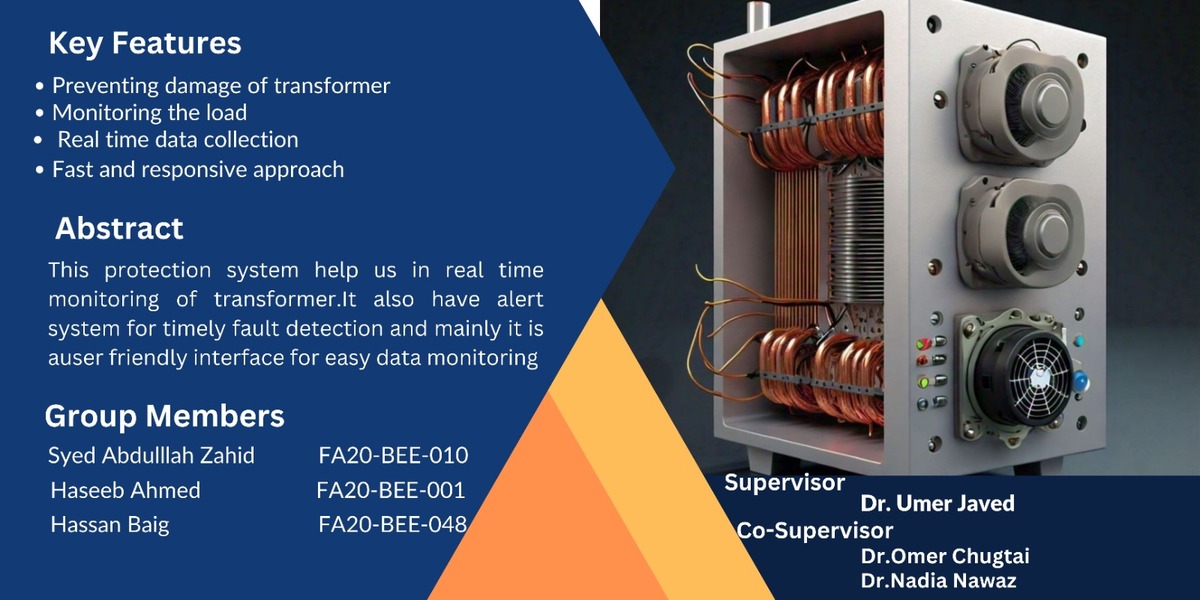
Transformer Protection And Control System
The main purpose of this project is the protection of transformer, and to improve the working of transformer.…
Supervisor: Dr. Umer Javed , Dr. Nadia Nawaz ,Dr. Omer Chugtai
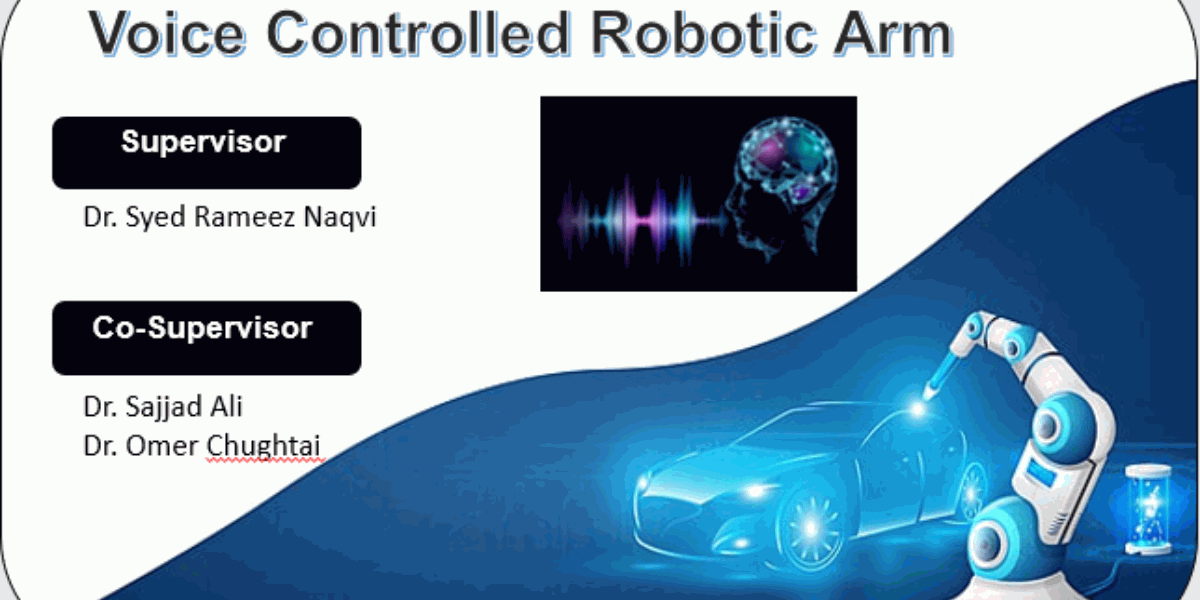
Voice Controlled Robotic Arm
1. A robotic arm is an electrical and mechanical machine that is used to perform tasks that require extreme pr…
Supervisor: Dr. Syed Rameez Naqvi

RENEWABLE ENERGY BASED WATER PURIFICATION SYSTEM
The integration of an ultrasonic sensor into reverse osmosis (RO) systems marks a significant advancement in w…
Supervisor: Bilawal Behram

Automatic Indoor Farming Module
Introducing our Automatic Indoor Farming Module! Powered by an ESP32 microcontroller, it's a smart solution fo…
Supervisor: Engr. Riaz Hussain Junejo