Design and Development of Liquid Filling Process
Description
The efficient and accurate filling of liquids into containers is a crucial process in various industries such as pharmaceuticals, food and beverage, cosmetics, and chemicals. This project focuses on designing and developing a liquid filling process that ensures industry-standard efficiency, accuracy, and safety.To achieve this, the project begins with a comprehensive analysis of requirements, including product specifications, container types and sizes, filling volumes, and desired production rates. The next step involves carefully selecting the appropriate filling equipment, considering options such as piston fillers, gravity fillers, pump fillers, and overflow fillers, based on the specific needs of the project.
Objectives
- Design and develop a liquid filling process that optimizes productivity, minimizes waste, and ensures precise filling of containers with liquid products. - Select appropriate filling equipment based on product specifications, container types and sizes, and desired production rates. - Design the layout of the liquid filling system to optimize workflow and ensure efficient operation. - Develop a robust control system to monitor and adjust key parameters such as filling volume, speed, and accuracy in real-time. - Conduct rigorous testing to validate the performance of the liquid filling process under various operating conditions. - Ensure regulatory compliance with relevant standards and regulations, such as Good Manufacturing Practices (GMP) and FDA requirements.
Socio-economic benefit
The design and development of an efficient liquid filling process offer significant socio-economic benefits. By optimizing productivity and minimizing waste, businesses can reduce costs, enhance competitiveness, and increase profitability. Ensuring precise filling improves product quality and consistency, boosting consumer trust and market demand. Additionally, adherence to regulatory standards promotes public health and safety, reducing healthcare costs. Moreover, technological advancements in filling processes foster innovation and economic growth within the manufacturing sector, driving further research and development initiatives. Overall, these benefits contribute to economic progress and societal well-being.
Methodologies
1. Requirement Analysis: Gather detailed information on product specifications, container types, production rates, and regulatory requirements. 2. Research and Evaluation: Explore filling equipment options and technologies, considering performance, cost, and compatibility. 3. Conceptual Design: Develop initial layouts and plans for the liquid filling system, outlining key components and control mechanisms. 4. Detailed Design: Refine the conceptual designs into detailed engineering plans, specifying components, materials, and assembly procedures. 5. Prototype Development: Build a prototype of the liquid filling system based on the detailed design specifications. 6. Testing and Validation: Conduct thorough testing of the prototype to ensure functionality, performance, and reliability. 7. Optimization: Make iterative adjustments to the design and operation based on testing results to enhance efficiency and effectiveness. 8. Documentation and Training: Create manuals and training materials for personnel involved in operating and maintaining the liquid filling system. 9. Implementation: Deploy the finalized liquid filling system into the production environment, ensuring seamless integration.
Outcome
The project's outcome will be a highly efficient and accurate liquid filling process, characterized by streamlined operations, reduced waste, and enhanced product quality. By adhering to regulatory standards and incorporating precise control mechanisms, the system will ensure compliance, safety, and consistency in filling operations. Through iterative testing and optimization, the process will achieve improved efficiency, driving cost savings and technological advancement within the manufacturing sector. Additionally, documentation and training materials will facilitate knowledge transfer, supporting seamless implementation and ongoing support for the developed system.
Gallery


More from Electrical & Computer Engineering
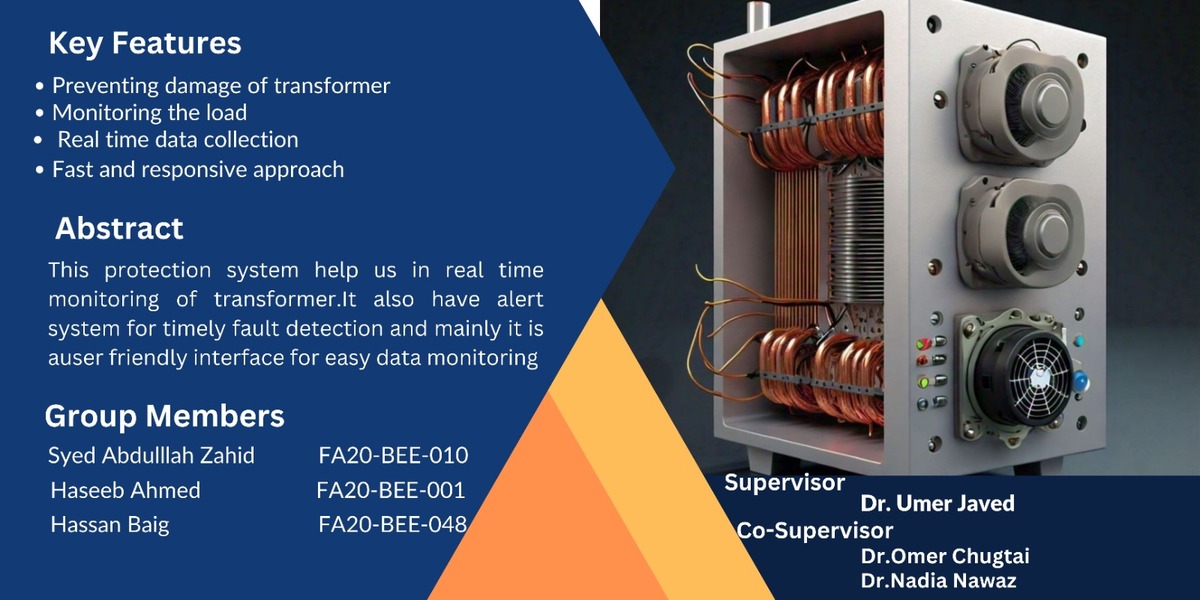
Transformer Protection And Control System
The main purpose of this project is the protection of transformer, and to improve the working of transformer.…
Supervisor: Dr. Umer Javed , Dr. Nadia Nawaz ,Dr. Omer Chugtai
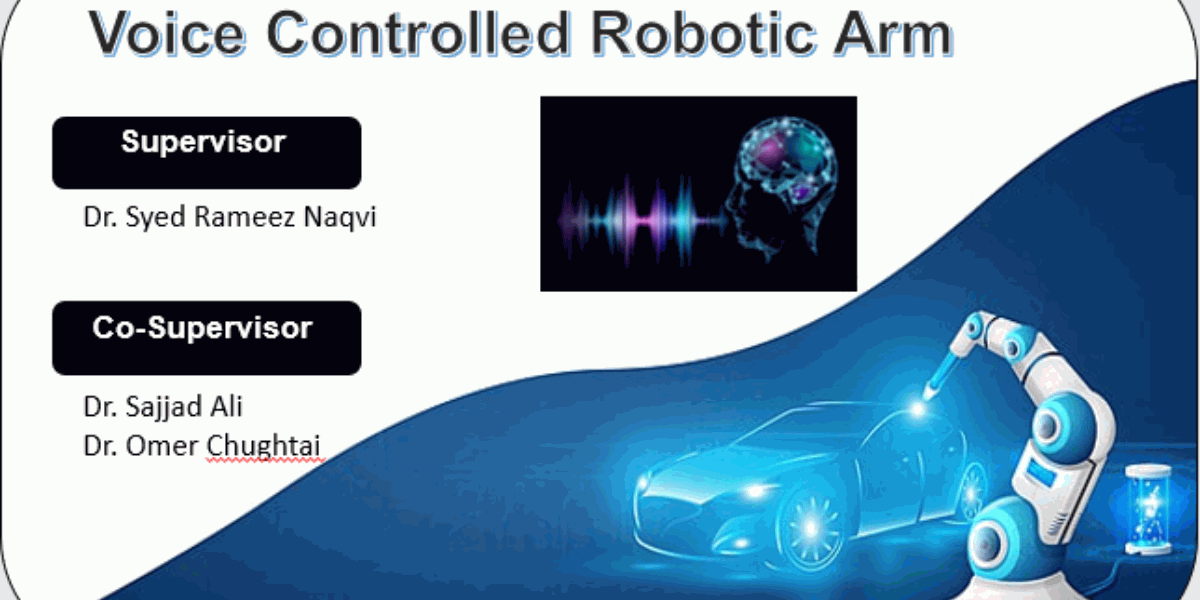
Voice Controlled Robotic Arm
1. A robotic arm is an electrical and mechanical machine that is used to perform tasks that require extreme pr…
Supervisor: Dr. Syed Rameez Naqvi

RENEWABLE ENERGY BASED WATER PURIFICATION SYSTEM
The integration of an ultrasonic sensor into reverse osmosis (RO) systems marks a significant advancement in w…
Supervisor: Bilawal Behram

Automatic Indoor Farming Module
Introducing our Automatic Indoor Farming Module! Powered by an ESP32 microcontroller, it's a smart solution fo…
Supervisor: Engr. Riaz Hussain Junejo