Autonomous pi car for object detection and avoidance
Description
An autonomous Pi car is a vehicle equipped with a Raspberry Pi computer and various sensors that enable it to navigate its environment without human intervention. Utilizing technologies such as computer vision, machine learning, and robotics, the car can detect obstacles, recognize signs, and make decisions about its movement, such as turning and stopping, autonomously.
Objectives
The objective of building an autonomous Pi car typically revolves around exploring and demonstrating concepts in robotics, artificial intelligence, and autonomous vehicle technology. Here are some common objectives: Learning and Education: To provide hands-on experience in programming, electronics, and robotics for students and enthusiasts interested in STEM fields. Technology Exploration: To experiment with different sensors, algorithms, and techniques for autonomous navigation, such as computer vision, machine learning, and sensor fusion. Problem Solving: To develop solutions for real-world challenges in autonomous vehicle technology, such as obstacle detection, sign recognition, and safe navigation in dynamic environments.
Socio-economic benefit
Skill Development: By engaging in the project, individuals develop skills in programming, electronics, and robotics, which are highly valuable in today's job market. These skills contribute to personal growth and employability, potentially leading to better job prospects and higher incomes. Educational Opportunities: Autonomous Pi car projects can serve as educational tools in schools, colleges, and community programs, providing hands-on learning experiences in STEM (Science, Technology, Engineering, and Mathematics) fields. This can help bridge the gap in STEM education and inspire future generations to pursue careers in technology. Innovation and Entrepreneurship: Autonomous Pi car projects foster innovation and creativity, encouraging participants to develop new ideas and solutions. This can lead to the creation of innovative startups and businesses focused on autonomous technology, driving economic growth and competitiveness.
Methodologies
Agile Development: Utilize agile principles to manage the project in iterative cycles, allowing for flexibility and adaptation to changing requirements. Break down the project into smaller tasks or sprints, focusing on incremental progress and frequent feedback loops. Prototyping: Begin with rapid prototyping to test ideas and concepts quickly. Build simple versions of the autonomous Pi car to validate design choices, experiment with different sensors and algorithms, and identify potential challenges early in the development process. Modular Design: Adopt a modular approach to design and implementation, breaking the system down into discrete components or modules. This facilitates easier debugging, testing, and maintenance and allows for scalability and reusability of components. Sensor Integration: Prioritize the integration of sensors crucial for autonomous navigation, such as cameras . Develop robust algorithms for sensor fusion to combine data from multiple sources and improve perception accuracy.
Outcome
Functional Prototype: The primary outcome of the project is often the development of a functional prototype of an autonomous Pi car. This prototype should demonstrate the ability to navigate its environment autonomously, detect and avoid obstacles, recognize signs, and make informed decisions about its movement. Demonstration of Technology: The project outcome should showcase the integration of various technologies, including sensors, actuators, and software algorithms, to enable autonomous navigation. It should demonstrate how these technologies work together to achieve the desired functionality of the Pi car. Validation of Algorithms: The project outcome should validate the effectiveness and accuracy of the algorithms developed for tasks such as obstacle detection, sign recognition, path planning, and control. This validation can be done through testing in both simulated and real-world environments.
Gallery


More from Electrical & Computer Engineering
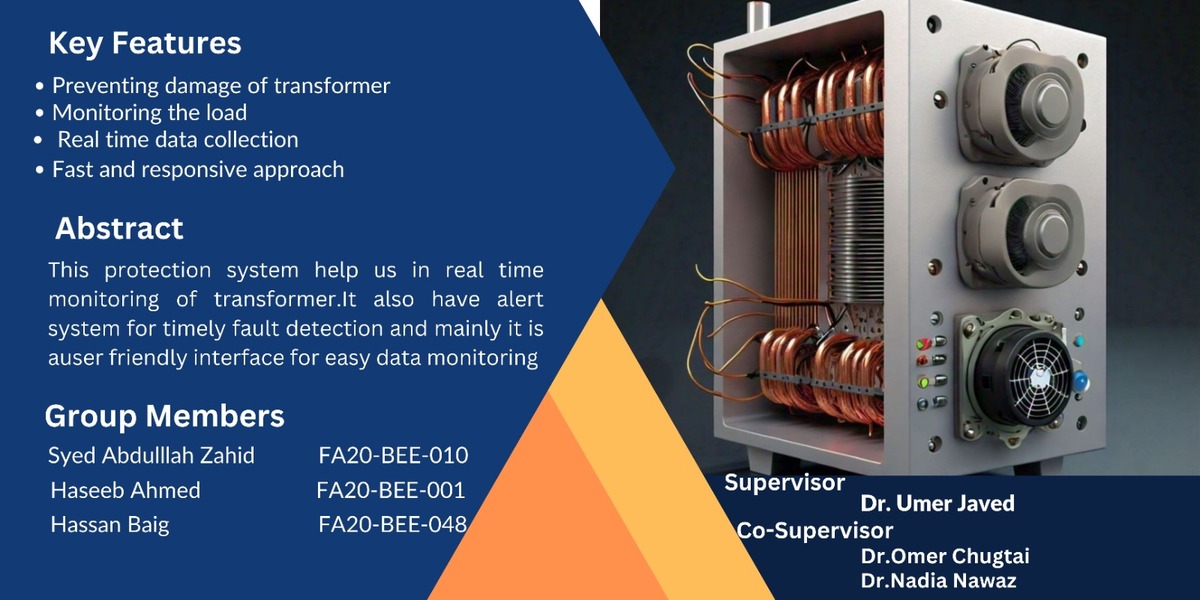
Transformer Protection And Control System
The main purpose of this project is the protection of transformer, and to improve the working of transformer.…
Supervisor: Dr. Umer Javed , Dr. Nadia Nawaz ,Dr. Omer Chugtai
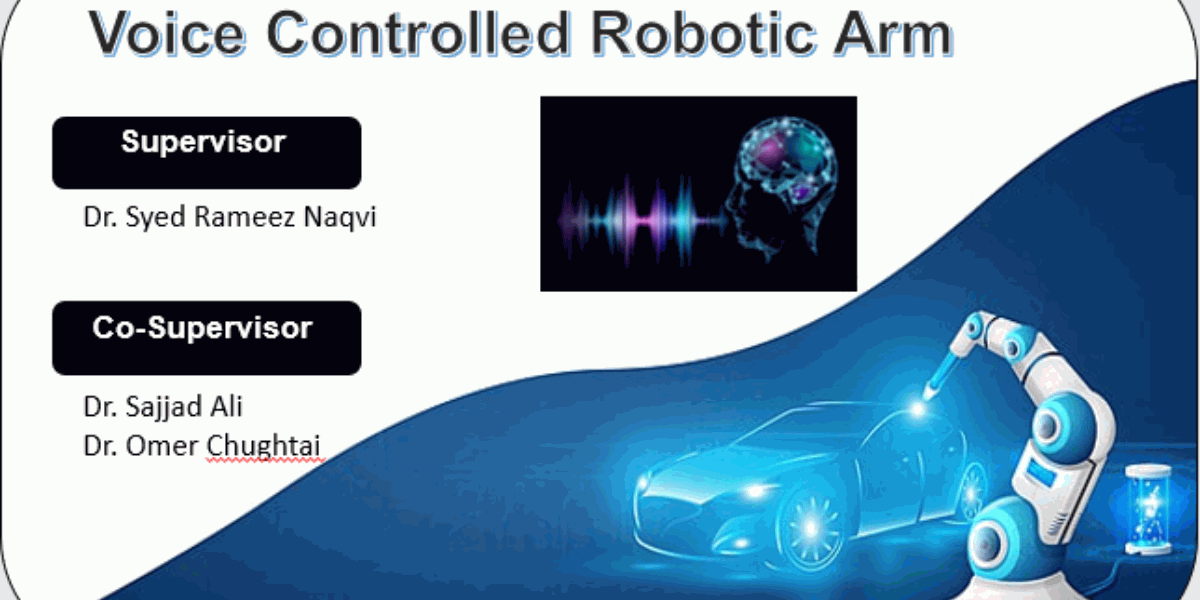
Voice Controlled Robotic Arm
1. A robotic arm is an electrical and mechanical machine that is used to perform tasks that require extreme pr…
Supervisor: Dr. Syed Rameez Naqvi

RENEWABLE ENERGY BASED WATER PURIFICATION SYSTEM
The integration of an ultrasonic sensor into reverse osmosis (RO) systems marks a significant advancement in w…
Supervisor: Bilawal Behram

Automatic Indoor Farming Module
Introducing our Automatic Indoor Farming Module! Powered by an ESP32 microcontroller, it's a smart solution fo…
Supervisor: Engr. Riaz Hussain Junejo