Objectives
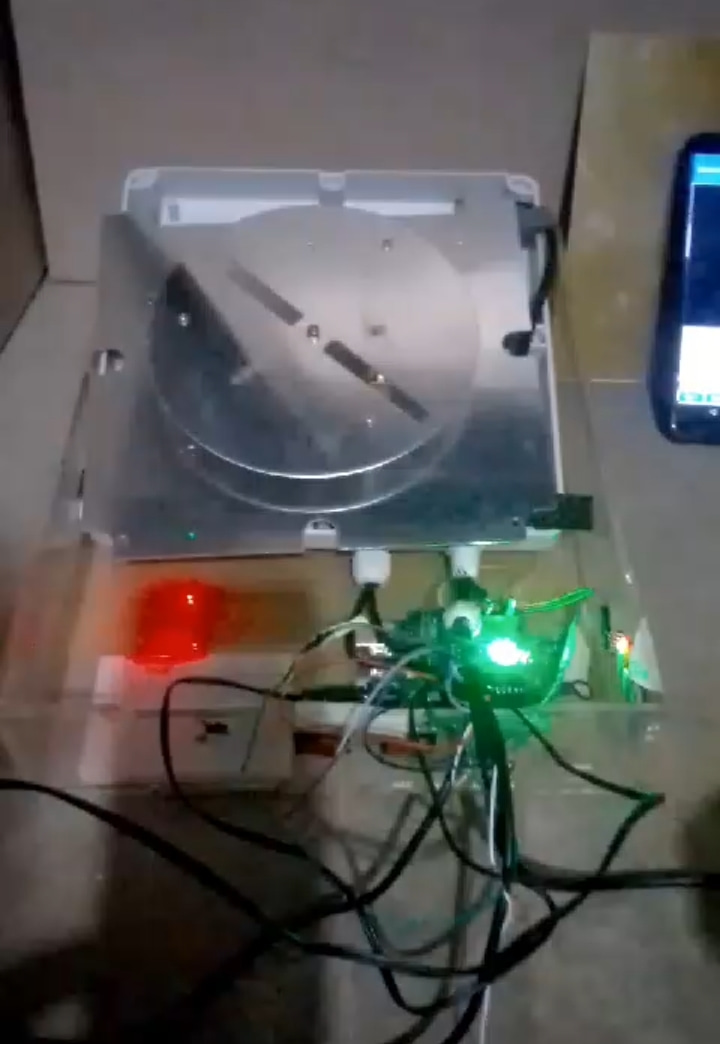
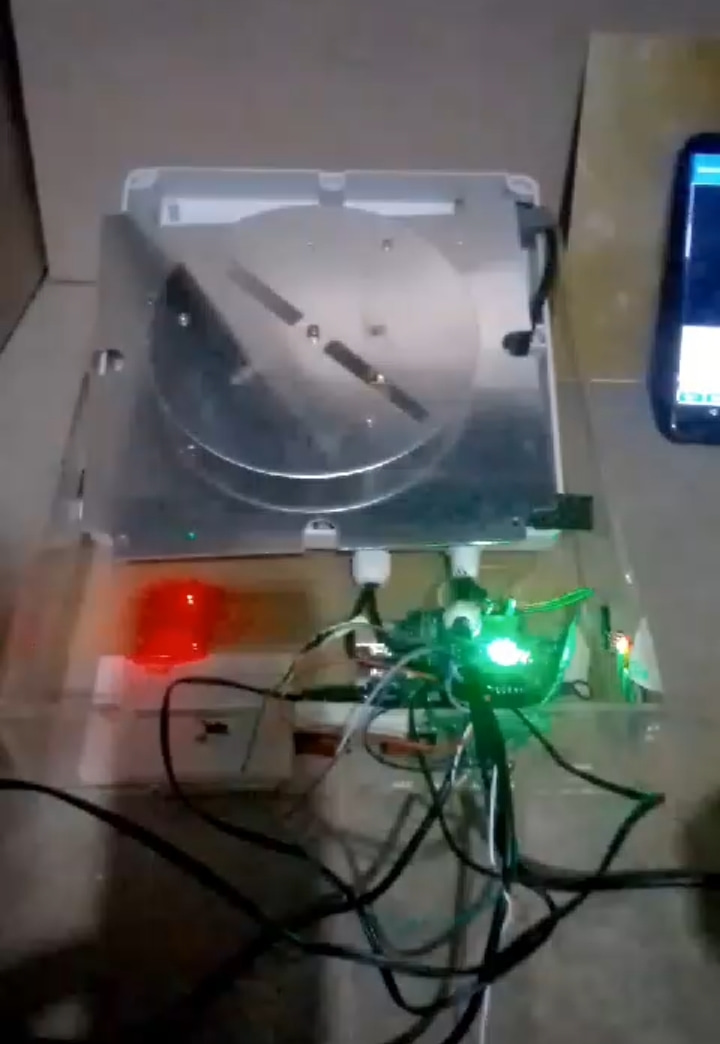
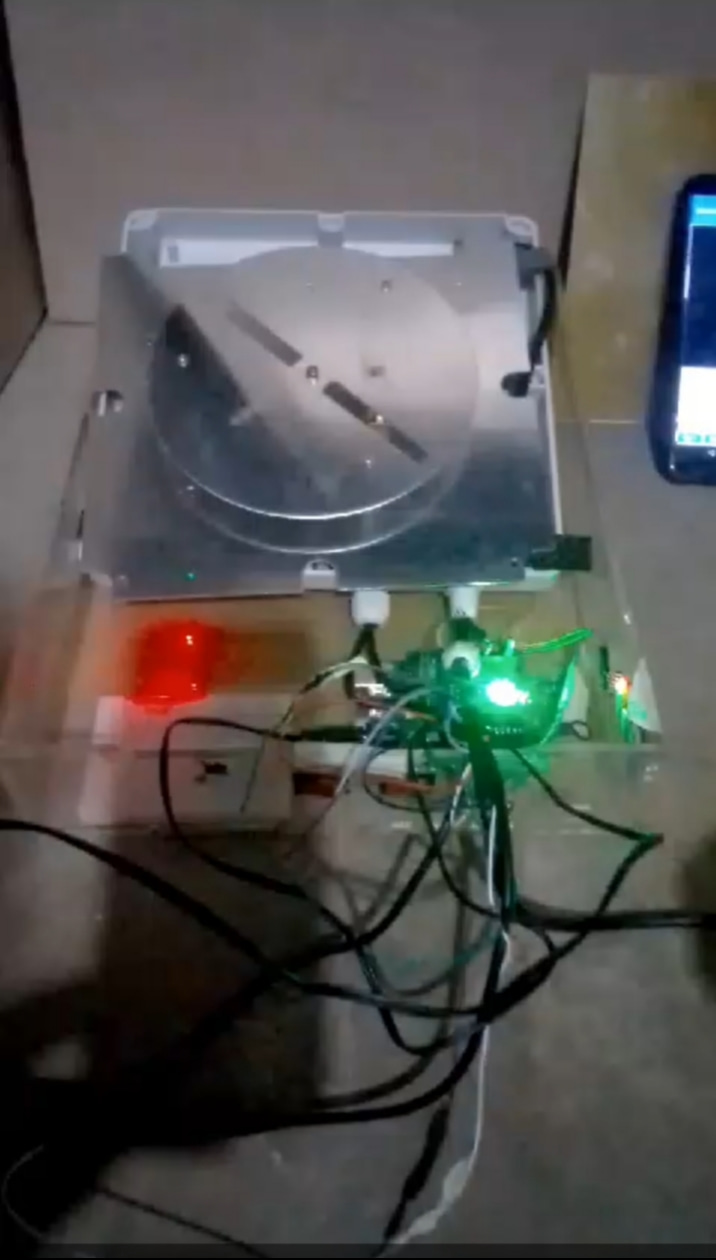
Project Objective: Develop a race timing system using RFID technology for accurate and efficient timing at race events.
Accurate Timing:
The primary objective of the project is to ensure accurate timing of race participants using RFID technology.
RFID technology offers high precision in recording race times, minimizing errors and discrepancies in timing data.
Efficiency in Race Management:
The project aims to streamline race management processes by automating the timing process.
By replacing manual timing methods with RFID technology, the system reduces the time and effort required for timing, allowing race organizers to allocate resources more efficiently.
Real-Time Results:
Providing real-time access to race results is a key objective of the project.
Participants and spectators can access race results instantly, enhancing the overall experience and engagement with the event.
Seamless Integration:
The project aims to seamlessly integrate RFID technology into the race environment.
This includes strategically placing RFID tags, readers, antennas, and timing mats along the race course to ensure optimal performance and coverage.
User-Friendly Interface:
Developing a user-friendly interface for race organizers and participants is a crucial objective.
The timing software should be intuitive and easy to use, allowing organizers to set up and manage race events efficiently, and participants to access their race results with ease.
Reliability and Scalability:
Ensuring the reliability and scalability of the RFID race timing system is essential.
The system should be capable of handling large volumes of participants and data, while maintaining high levels of accuracy and performance under varying race conditions.
Cost-Effectiveness:
Developing a cost-effective solution that delivers value to race organizers is another objective.
While RFID technology offers numerous benefits, the project aims to balance the costs associated with hardware, software, and implementation to ensure affordability and accessibility for race organizers of all sizes.
Socio-Economic Benefit
Efficiency in Race Management:
Automation of race timing processes reduces the need for manual intervention, leading to streamlined operations and improved efficiency.
Race organizers can allocate resources more effectively, focusing on other aspects of event planning and execution.
Enhanced Participant Experience:
Real-time access to accurate race results enhances the overall experience for participants.
Participants can track their performance instantly, leading to increased engagement and satisfaction with the event.
Cost Savings:
By reducing the reliance on manual timing methods, the RFID race timing system can lead to cost savings for race organizers.
Savings may be realized through reduced labor costs, fewer errors requiring correction, and decreased reliance on paper-based processes.
Improved Accuracy and Fairness:
RFID technology offers high accuracy in timing, ensuring fair competition and reliable results.
Participants can trust that their race times accurately reflect their performance, enhancing the integrity of the event.
Attractiveness to Sponsors:
A well-organized and professionally managed race event, facilitated by the RFID timing system, may attract more sponsors.
Sponsors are likely to be attracted to events that offer real-time results and a high level of professionalism, leading to increased sponsorship opportunities and financial support for future events.
Community Engagement:
Successful race events contribute to community engagement and cohesion, bringing people together in a shared activity.
The RFID race timing system enhances the overall experience for participants and spectators, fostering a sense of community involvement and pride.
Promotion of Health and Fitness:
Well-organized and efficiently managed race events encourage participation in physical activity and promote health and fitness within the community.
By providing accurate timing and real-time results, the RFID race timing system encourages individuals to set and achieve personal fitness goals, contributing to overall well-being.
Methodologies
Requirement Analysis:
Involves gathering and analyzing the specific needs, constraints, and expectations of race organizers, participants, and other stakeholders.
Identifying the key functionalities and features required for the RFID race timing system, such as timing accuracy, real-time result reporting, scalability, and ease of use.
Hardware Selection and Integration:
Selecting appropriate RFID hardware components (tags, readers, antennas, etc.) based on the identified requirements and technical specifications.
Integrating the selected hardware into the race environment, including placement of timing mats, antennas, and controllers at strategic locations along the race course.
Software Development:
Developing RFID middleware for data processing, communication between RFID components, and management of race timing data.
Creating timing software with user-friendly interfaces for race organizers to set up and manage race events, as well as for participants to access real-time results.
Testing and Validation:
Conducting thorough testing of the RFID race timing system under various race conditions, including different terrains, weather conditions, and participant densities.
Validating the system's accuracy, reliability, and performance to ensure it meets the specified requirements and can handle the demands of live race events.
Deployment and Training:
Deploying the RFID race timing system at actual race events, ensuring all hardware components are properly installed and configured.
Providing training to race organizers, staff, and volunteers on how to operate and maintain the system, as well as troubleshooting common issues that may arise during events
Outcome
Automated Race Timing: The development of a reliable and accurate race timing system using RFID technology.
Real-Time Results: Participants and spectators can access race results in real-time, enhancing the race experience.
Efficient Race Management: Streamlined processes and reduced manual effort lead to more efficient race organization.
Improved Data Accuracy: RFID technology ensures precise timing and accurate recording of race data.
Cost Savings: Over time, the system may lead to cost savings through reduced labor and improved operational efficiency