Design and Development of Battery Management System for Mennekes Connector
Description
The project entails designing and implementing a Charging and Battery Management System for the Mennekes Connector. It aims to create an Electric Vehicle Level 2 charger to enhance charging reliability and compatibility, strategically deploying chargers in key locations and promoting EV adoption by reducing charging times compared to Level 1 chargers.
Objectives
The major step to achieve the required goal is to build an Electric Vehicle level 2 charger. Enhancing the charging experience for EV users by providing reliable and user-friendly chargers compatible with various electric vehicle models. To reduce charging times significantly compared to Level 1 chargers, promoting EV adoption and increasing convenience for vehicle owners. Strategically install chargers in key locations such as residential areas, workplaces, and major travel routes. Interoperability with existing charging networks and EV models will be prioritized to standardize EV charging practices and minimize fragmentation. Aiming to reduce greenhouse gas emissions and dependence on fossil fuels by encouraging the adoption of electric vehicles and exploring integration with renewable energy sources.
Socio-economic benefit
Electric vehicles (EVs) offer several environmental benefits compared to traditional internal combustion engine vehicles. 1. Reduced Greenhouse Gas Emissions: EVs produce little to no direct emissions of greenhouse gases (GHGs) during operation because they run on electricity instead of fossil fuels. This helps mitigate climate change by reducing the amount of carbon dioxide (CO2) and other greenhouse gases released into the atmosphere. 2. Reduced Dependence on Fossil Fuels: Shifting to EVs reduces the dependence on finite fossil fuel resources, contributing to energy security and sustainability. By utilizing electricity, the transportation sector becomes less reliant on non-renewable and potentially unstable energy sources. 3. Energy Efficiency is more energy-efficient compared to internal combustion engine vehicles. Electric motors are highly efficient in converting energy from the grid to power at the wheels, resulting in less wasted energy and lower energy consumption per mile or kilometer traveled. 4. Lower Noise Pollution: EVs are quieter compared to traditional vehicles with internal combustion engines. This reduction in noise pollution can have positive effects on urban environments and human well-being, especially in densely populated areas.
Methodologies
Employ a systematic approach involving research, design, prototyping, testing, and iteration to ensure the development of a reliable and efficient Charging and Battery Management System for the Mennekes Connector.
Outcome
1 KW Power Output 20 Ampere 48 Volts
Gallery


More from Electrical & Computer Engineering
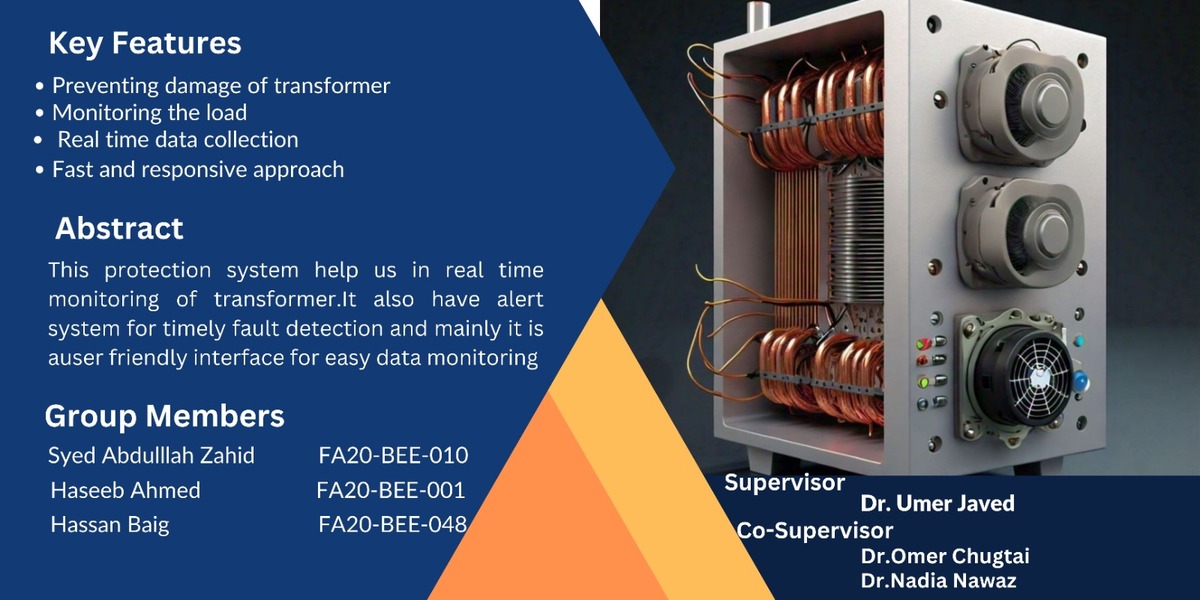
Transformer Protection And Control System
The main purpose of this project is the protection of transformer, and to improve the working of transformer.…
Supervisor: Dr. Umer Javed , Dr. Nadia Nawaz ,Dr. Omer Chugtai
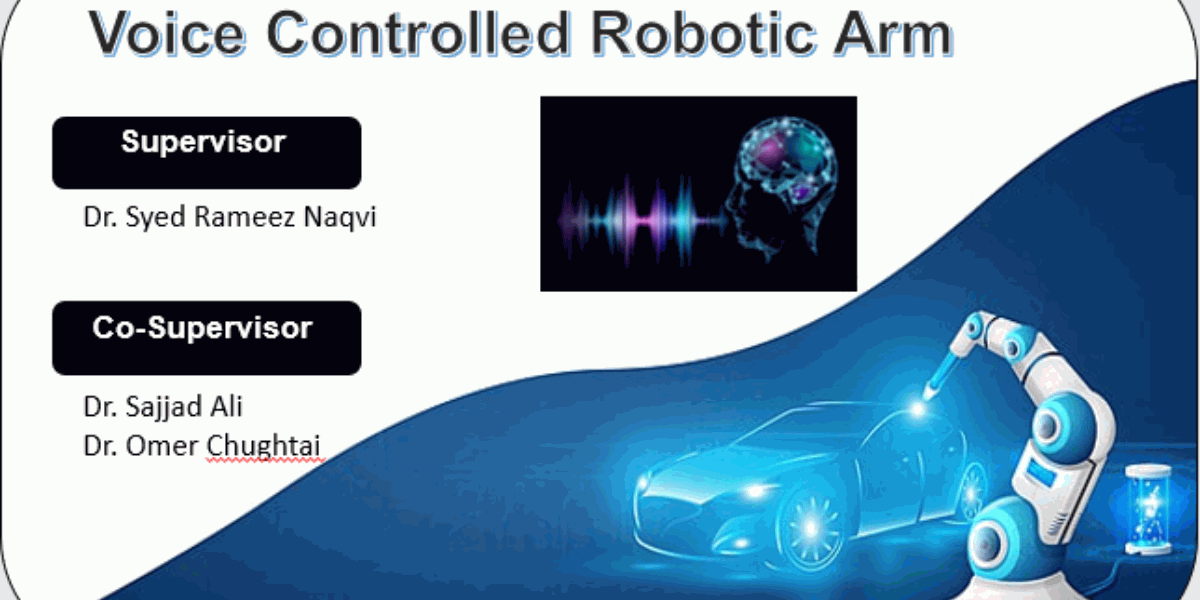
Voice Controlled Robotic Arm
1. A robotic arm is an electrical and mechanical machine that is used to perform tasks that require extreme pr…
Supervisor: Dr. Syed Rameez Naqvi

RENEWABLE ENERGY BASED WATER PURIFICATION SYSTEM
The integration of an ultrasonic sensor into reverse osmosis (RO) systems marks a significant advancement in w…
Supervisor: Bilawal Behram

Automatic Indoor Farming Module
Introducing our Automatic Indoor Farming Module! Powered by an ESP32 microcontroller, it's a smart solution fo…
Supervisor: Engr. Riaz Hussain Junejo