Grid Fusion" leverages AI for precise load forecasting and dynamic scheduling in Pakistan's power grid. By accurately predicting demand and orchestrating load shedding, it optimizes stability, efficiency, and cost savings. Automated fault mitigation ensures uninterrupted service, while scalability and security ensure seamless integration and reliability.
Objectives
Reliability: Proactively managing load distribution aims to prevent system-wide blackouts, ensuring continuous power supply to consumers. By forecasting load demand and scheduling resources accordingly, the project aims to minimize the risk of overloads and cascading failures.
Efficiency: Optimizing resource allocation ensures that available resources are utilized effectively to meet demand without straining the system. This involves accurately forecasting future load requirements and scheduling resources in advance to maintain optimal operational efficiency.
Stability: Implementing automated load shedding mechanisms enables the system to quickly respond to predicted overload scenarios. By shedding load on specific feeders or devices, the project aims to maintain system stability and minimize downtime during peak demand periods or fault conditions.
Resilience: Prioritizing fault mitigation measures enhances the system's ability to withstand disruptions. By quickly identifying and addressing faults, such as by shedding load on high-demand devices, the project aims to minimize the impact of faults on overall system performance and facilitate faster recovery.
Scalability: The project is designed to adapt to the evolving complexities of the power distribution network. By leveraging advanced algorithms and automation technologies, the system can seamlessly scale to accommodate growing demand and changes in network configurations over time.
Automation: By automating load management processes, the project reduces the need for manual intervention, streamlining operations and enhancing overall system automation. This not only improves operational efficiency but also reduces the potential for human error.
Cost-effectiveness: Decreasing manpower requirements through automation contributes to cost savings for system operators. By reducing the need for human intervention in day-to-day operations, the project aims to optimize resource utilization and minimize operational expenses.
Socio-Economic Benefit
Stable Energy Supply: By minimizing blackouts and disruptions, the project ensures businesses can operate smoothly, enhancing productivity and economic growth.
Cost Reduction: Reduced operational costs translate to savings for both utility providers and consumers, freeing up resources for investment in other sectors.
Improved Public Services: Reliable electricity supply improves healthcare, education, and public safety services, contributing to overall societal well-being.
Business Competitiveness: Stable energy availability enhances the competitiveness of industries, attracting investments and fostering economic development.
Environmental Sustainability: Efficient energy management reduces carbon emissions and environmental impact, aligning with global sustainability goals and improving public health.
Enhanced Quality of Life: Consistent access to electricity improves living standards, enabling access to modern conveniences and technologies for individuals and communities.
Methodologies
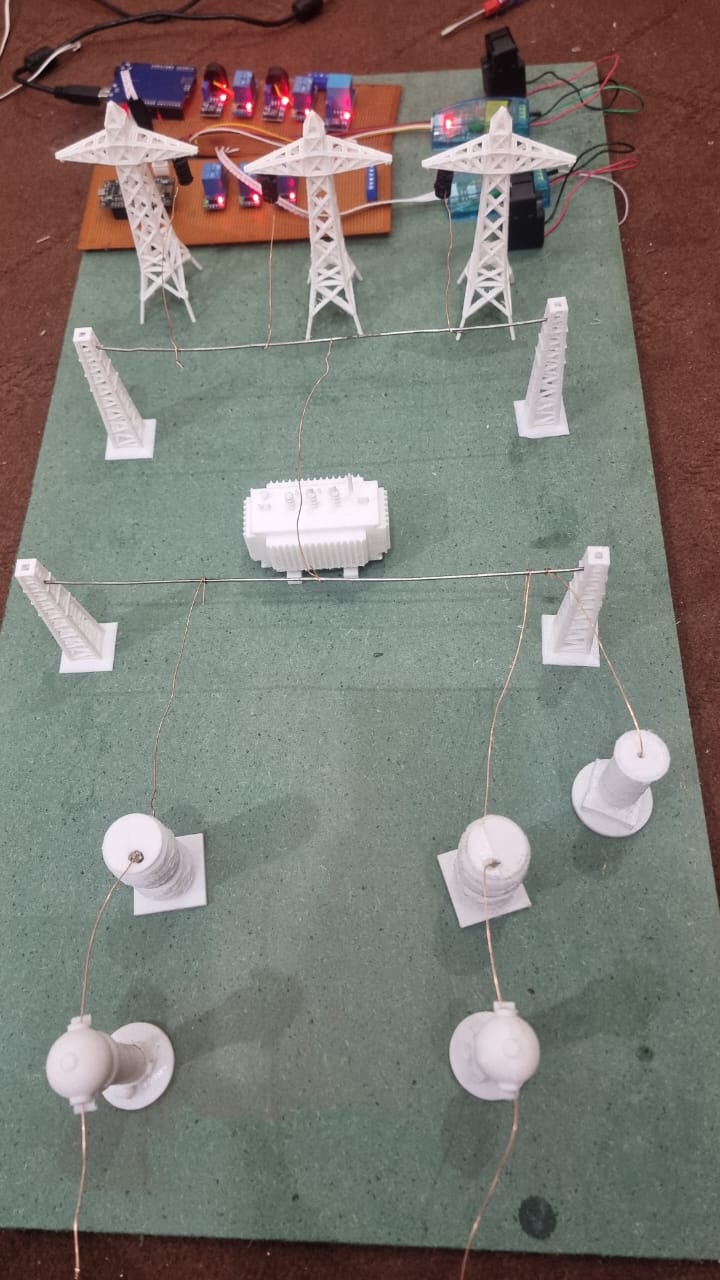
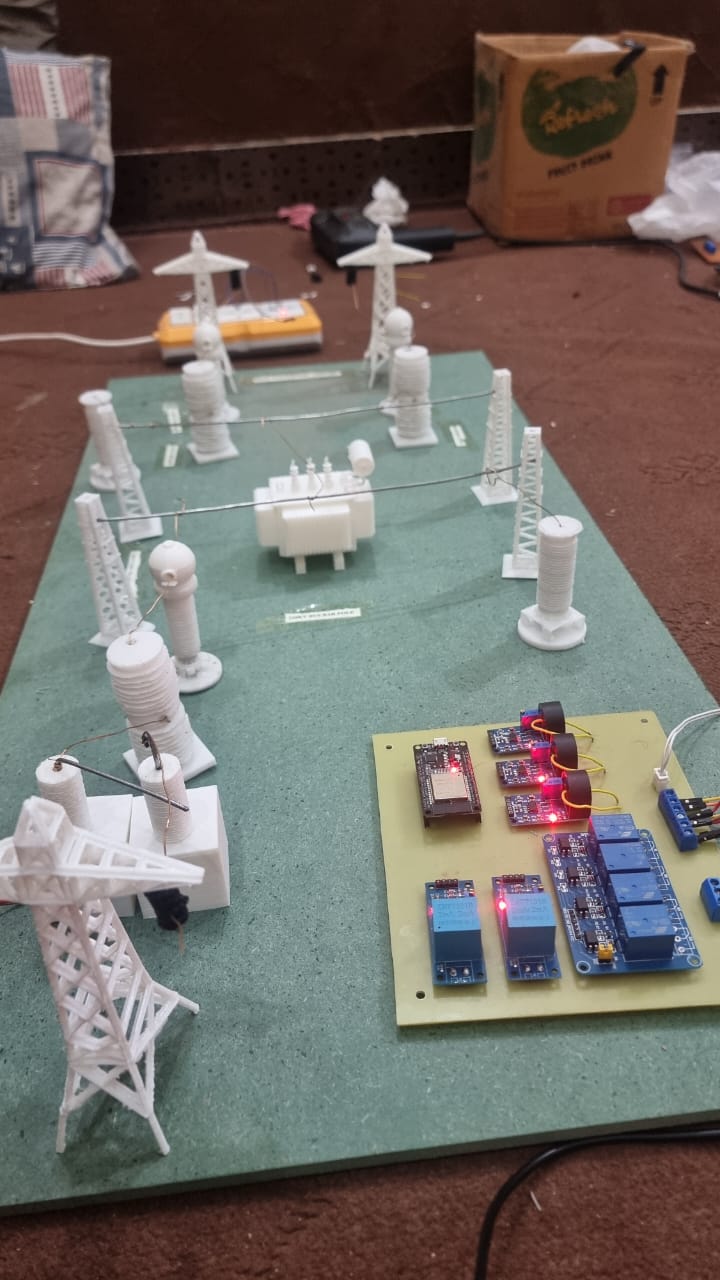
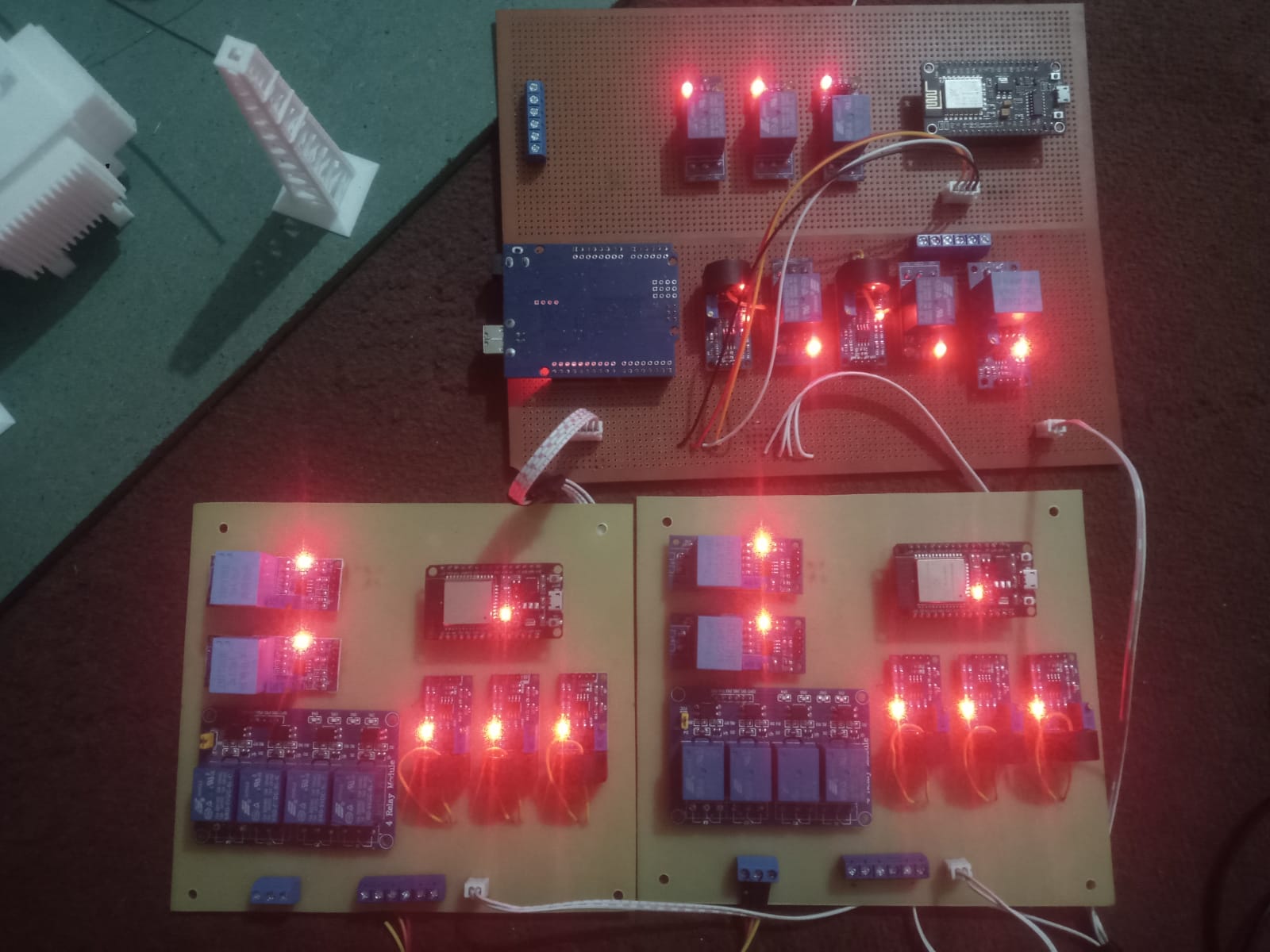
Sensor Integration: The project begins with integrating Current Transformers (CTs) and Potential Transformers (PTs) into the existing electric grid infrastructure. These sensors accurately measure voltage and current levels at various points within the grid, providing essential data for load monitoring.
Data Transmission: To enable real-time monitoring and analysis, the voltage and current data collected by the CTs and PTs are transmitted wirelessly using WiFi modules. This ensures that the data is efficiently transmitted to a central server for further processing.
Cloud Computing Analysis: The transmitted data is received and processed by a designated server, which hosts a cloud-based virtual machine. This virtual machine is equipped with the necessary computational power and storage capacity to handle large volumes of data and run complex algorithms.
Load Prediction: Within the cloud environment, pre-trained artificial intelligence (AI) models are employed to analyze the incoming voltage and current data. The AI models can accurately forecast future load requirements.
Automated Load Management: Once the load prediction process is complete, the system automatically initiates load management strategies based on the predicted load scenarios. High-load devices or circuits are identified, and the system selectively turns them off or reduces their power consumption to prevent overload conditions. This proactive approach to load management helps maintain system stability and reliability, mitigating the risk of blackouts or equipment failures.
Outcome
Advanced AI Models: Sophisticated AI models accurately predict load demands, enabling proactive grid management.
Cloud-Based Infrastructure: Scalable cloud infrastructure facilitates real-time data processing and analysis, ensuring efficient grid operations.
Wireless Communication: Wi-Fi modules enable seamless data transmission from sensors to the central server, enhancing monitoring capabilities.
Automated Load Management: The system automatically initiates load shedding and power reduction strategies, maintaining grid stability.
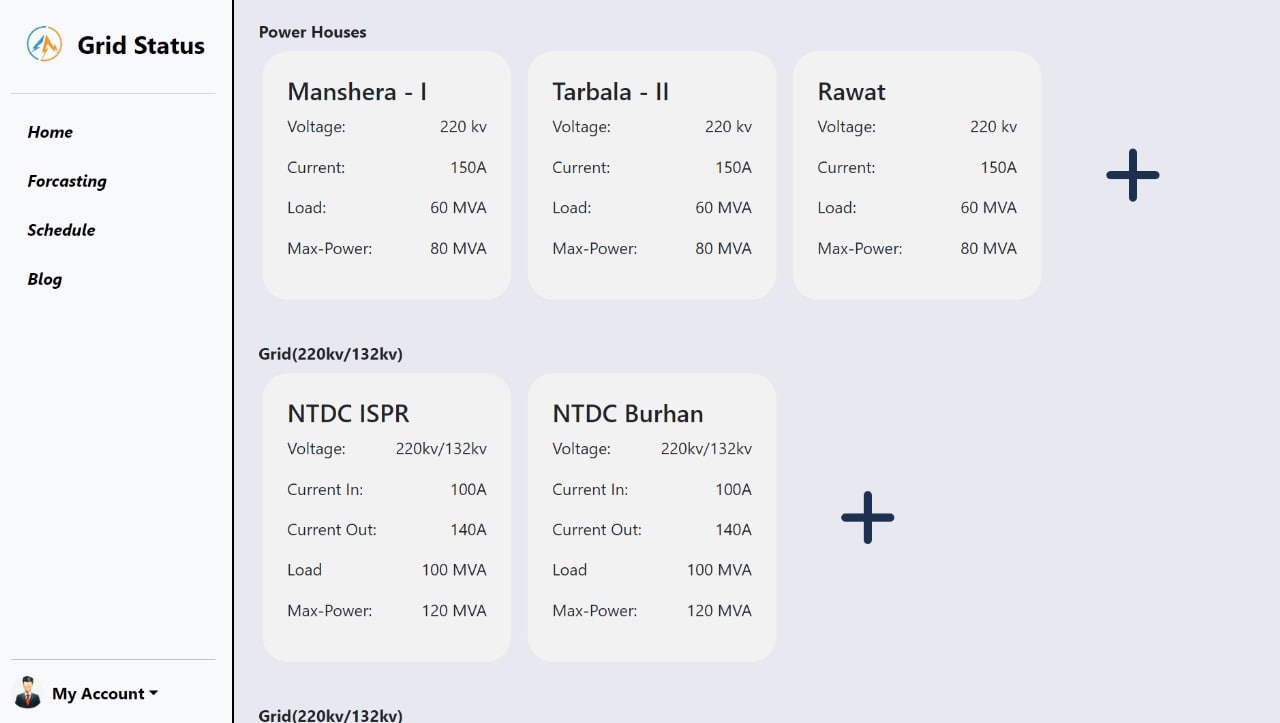
User-Friendly Interface: Intuitive interfaces empower operators with real-time insights and control functionalities for efficient grid management.