Development of Eco-friendly Concrete Blocks Using Waste Materials
Description
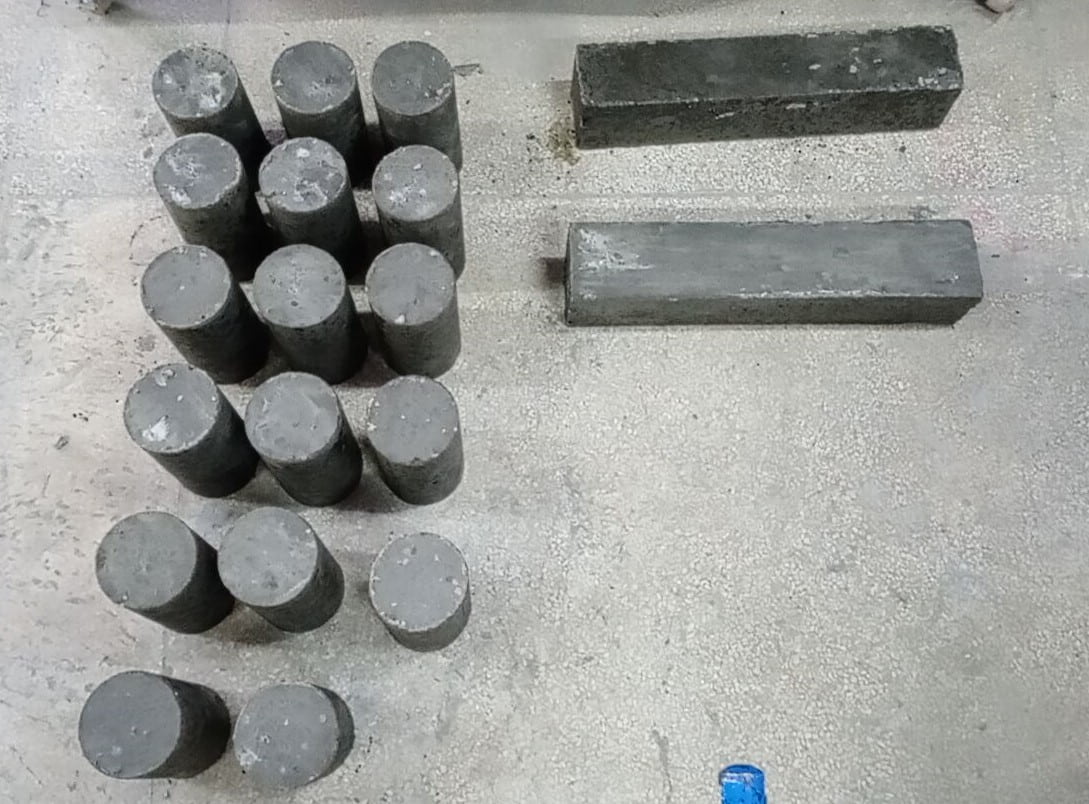
It was a materials-oriented project that investigated the effects of using Fly Ash, Granite Powder, and Steel Slag as a replacement in concrete. It included the testing of concrete specimens for strength and durability. The results were optimized using design expert software. The best ratio of replaced waste material was used to manufacture the eco-friendly concrete block which was sustainable and cost effective.
Objectives
The main purpose of this project is to create environmentally friendly concrete blocks using waste materials i.e. Fly ash, Granite powder, and Steel Slag as a partial replacement of Cement, Sand and Coarse Aggregate respectively. The objectives are to reduce waste in the construction industry, develop cost-effective blocks, and ensure they are strong and durable.
Socio-economic benefit
1. Reduces environmental impact and relieves the natural resources such as sand and coarse aggregate. 2. Reduces CO^2 emission by utilizing less amount of cement and using more fly ash as cementitious material. 3. Lower cost of concrete blocks as compared to conventional concrete blocks. 4. Utilization of waste materials that cause hazards by dumping on landfills.
Methodologies
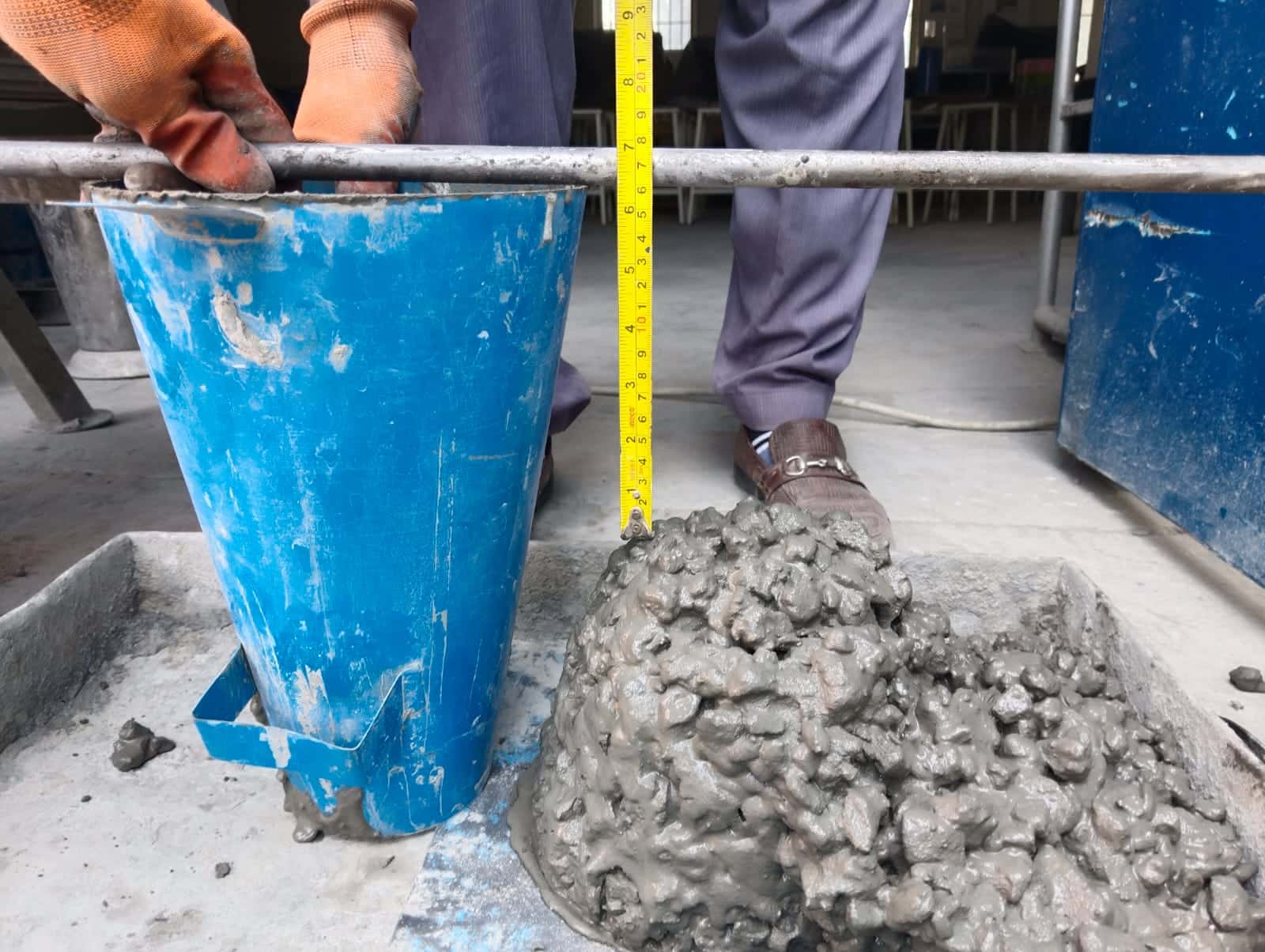
Literature Review: • Reviewed relevant literature and research studies on the use of waste materials in eco-friendly concrete blocks. • Gathered information on the availability and properties of waste materials such as fly ash, granite powder, and steel slag. • Analyzed previous studies on the strength, durability of eco-friendly concrete blocks. Material Collection and Characterization: • Collected samples of waste materials, including fly ash, granite powder, and steel slag, from local construction sites and suppliers. • Characterized the collected materials through laboratory testing to determine their physical and mechanical properties. • Evaluated the suitability of these materials for use in eco-friendly concrete blocks based on established criteria and standards. Production and Testing: • Designed a suitable mix proportion for eco-friendly concrete blocks, incorporating the waste materials in 11 different ratios. • Prepared a series of eco-friendly concrete block specimens using the developed mix design and standard block molds. • Conducted comprehensive testing on the produced blocks, including compressive strength, tensile strength, flexural strength, sorptivity, electrical resistivity, marine water test, freeze-thaw resistance, acid attack, rapid chloride and water absorption. • Compared the test results with relevant standards and evaluated the performance of the blocks in terms of strength and durability. Cost Analysis: • Conducted a detailed cost analysis to assess the economic feasibility of using waste materials in eco-friendly concrete blocks. • Considered the cost of acquiring waste materials, processing them, and producing the blocks. • Compared the overall cost of eco-friendly concrete blocks with traditional block production methods, taking into account the potential savings achieved by utilizing waste materials. Data Analysis and Conclusion: • Analyzed the collected data from material characterization, block testing and cost analysis. • Drew conclusions regarding the feasibility, strength and cost-effectiveness, using waste materials in eco-friendly concrete blocks. • Discussed the implications of the findings and identified potential areas for further research or improvement.
Outcome
1. The outcomes from this project helped to reduce the waste from the environment. 2. The strengh of eco-friendly concrete blocks is comparable to that of generic block. 3. Eco-friendly blocks are cost efficient. They are about 25% more cost efficient than traditional concrete blocks. 4. Natural resources are conserved such as sand and coarse aggregate.
Gallery




More from Civil Engineering
Flood Vulnerability Assessment Using GIS Integrated with Multi-Criteria Decision: a Case S…
Flooding, one of the most common and devastating natural disasters in the world, has claimed many lives and de…
Supervisor: Dr. Summera Fahmi Khan
Experimental investigation of concrete incorporating GNMPs( Graphite nano/micro platelets)…
Research and testings are conducted to explore the impact of graphite nano micro platelets (GNMPs) and recycle…
Supervisor: Dr. Rana Faisal Tufail
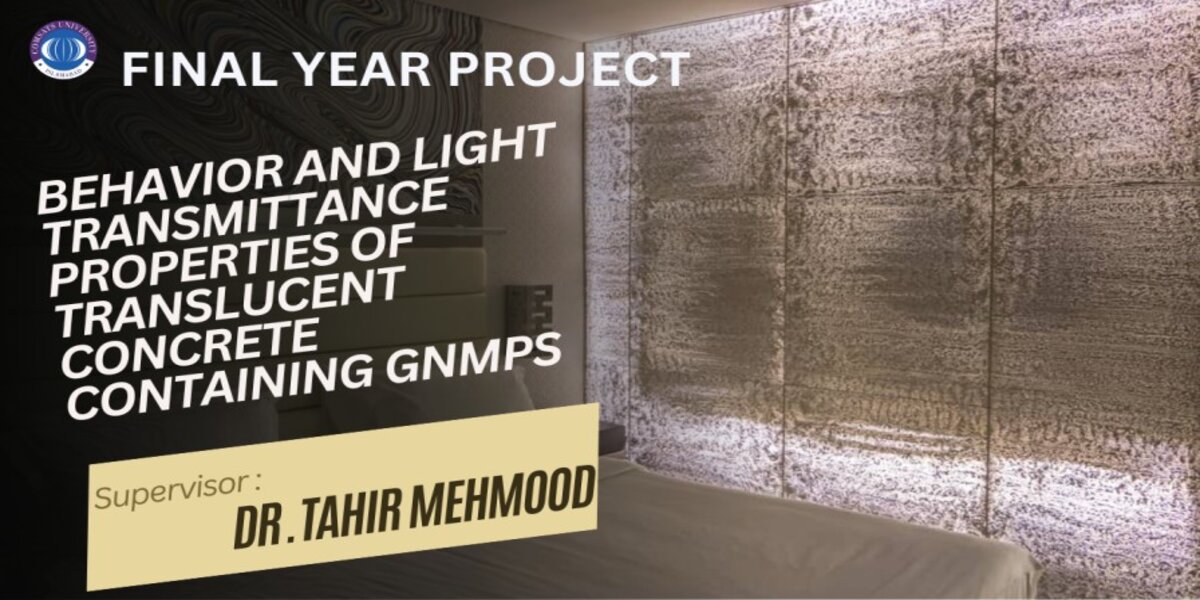
Behavior and Light Transmittance properties of Translucent Concrete containing GNMPs
The project explored improving translucent concrete by incorporating GNMPs to increase its compressive strengt…
Supervisor: Dr. Tahir Mehmood
Mechanical Performance Evaluation of Fly Ash-Based Green Reactive Powder Concrete
Reactive Powder Concrete (RPC) is a type of ultra-high-performance concrete characterized by its high compress…
Supervisor: Engr. Raja Tasaddiq